In the high-stakes world of Mergers and Acquisitions (M&A), there is an adage that haunts every boardroom: "Time kills deals." While the phrase is often dismissed as a cliché used by investment bankers to manufacture artificial urgency, the reality is far more clinical and unforgiving. In the technology sector, where the shelf life of a strategic initiative is often shorter than a fiscal quarter, the delay between a handshake and a closing signature is not just a logistical hurdle—it is a graveyard of potential success.
The recent evolution at OpenAI serves as a textbook study of this phenomenon. The company’s acquisition of TBPN, initiated in the optimism of January, moved through the pipeline only to emerge into a corporate landscape unrecognizable from when the deal began. By the time the ink was dry, the leadership structure that had championed the acquisition had effectively evaporated. The COO had transitioned to "special projects," the CMO had stepped down, the CRO had departed, and the primary architect of the deal, Fidji Simo, had taken a leave of absence. The deal closed, but the internal political architecture that justified its existence had vanished.
The Anatomy of a Failed Deal: A Chronological Breakdown
To understand why deals like the OpenAI/TBPN acquisition are increasingly vulnerable, one must look at the typical lifecycle of a corporate purchase.
Phase 1: The Honeymoon (January). The outreach begins. A senior executive—often a VP or Head of Apps—identifies a target that aligns with a current strategic narrative. They pitch it internally, leveraging their current influence to secure a "green light." At this stage, the business case is clear, and the executive has the political capital to shield the project from excessive scrutiny.
Phase 2: The Bureaucratic Purgatory (February–March). Due diligence begins. Legal, finance, and HR teams enter the fray. During this period, the "champion" of the deal remains in their seat, but the external environment begins to shift. Market conditions evolve, competitors pivot, or internal leadership changes occur.
Phase 3: The Reality Gap (April and Beyond). The deal is ready to close. However, the organization that initiated the deal is no longer the organization receiving it. The champion may have lost influence, been moved to a different department, or left the company entirely. The strategic rationale—which seemed bulletproof in January—is now viewed through the lens of a new management team that had no hand in the deal’s inception.
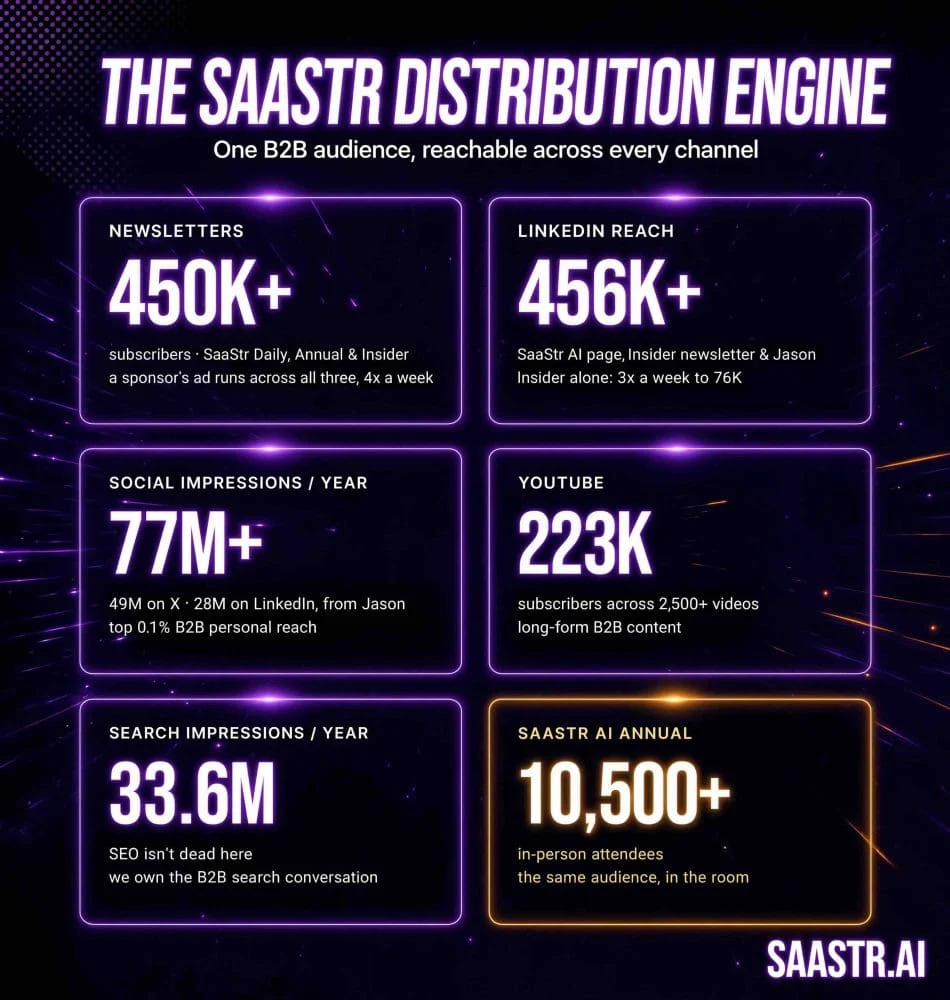
This chronology is not an anomaly; it is a recurring pattern. Even the SaaStr platform itself has faced this reality. Over the years, SaaStr has navigated serious acquisition interest, only to see the deals collapse not because of a change in heart regarding the company’s value, but because the buying entities themselves were absorbed by larger organizations. When the buyer is acquired, the "champion" at that firm loses their autonomy, and the acquisition of a third party becomes a low-priority legacy project that the new parent company is rarely interested in inheriting.
The "Champion Risk" Metric: Supporting Data and Observations
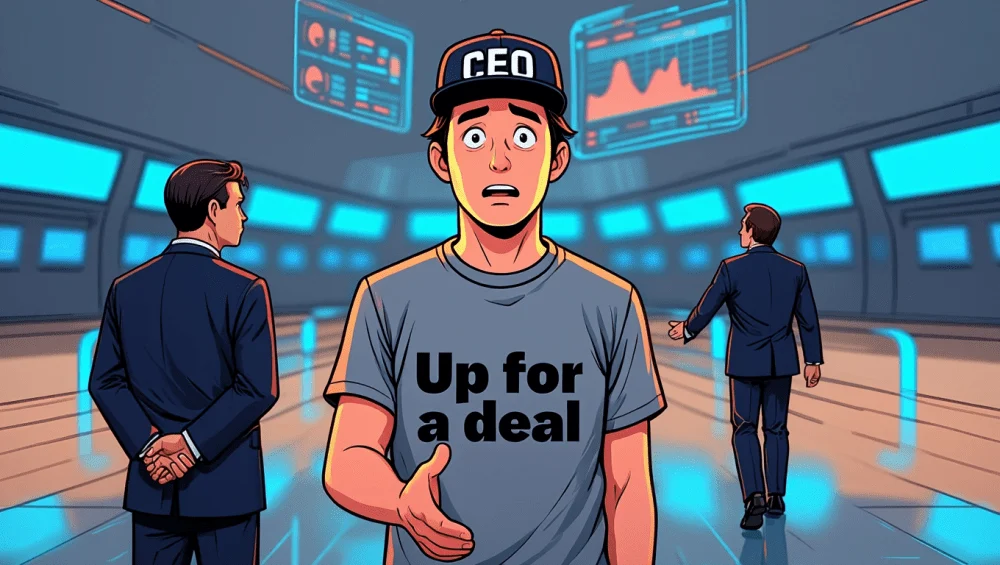
When a VP or SVP at a large tech firm expresses a desire to acquire your company, founders often take this as a sign of imminent success. However, the data suggests a sobering reality: the probability that this specific individual will remain in the same role, with the same authority and the same strategic priorities, 12 months from now is statistically low.
At most "big tech" companies, that probability sits at less than 20%.
This is what industry veterans refer to as "Champion Risk." It is a structural flaw in the M&A process. Consider the internal dynamics at companies like Adobe, where senior executives were historically allocated "chips"—budgetary allowances for acquisitions.
- The "Big Chip": A billion-dollar deal intended to shift the company’s trajectory. These are protected by high-level board oversight and have a higher survival rate.
- The "Small Chip": A $50 million to $200 million deal. These are the most vulnerable. They are often sanctioned with a nod from the CEO—"Is this what you want to do? Then just do it"—but they lack the institutional inertia to survive if the champion leaves.
If the champion of a "small chip" deal departs, the deal rarely has an advocate left to fight for it. It becomes a line item that new leadership views with suspicion or, at best, indifference. In a large organization, the path of least resistance is to kill a deal you didn’t originate.
Official Responses and the Language of Avoidance
When a deal is dying due to champion attrition, the acquirer rarely communicates this directly. Instead, they employ the language of corporate delay.
- "Let’s revisit this in Q3."
- "We love the technology, but the timing isn’t right given our current internal reorg."
- "We want to ensure we have full alignment before moving forward."
These phrases are often euphemisms for "The person who wanted this is no longer in a position to push it." In the world of M&A, "not now" is, in nearly every instance, a polite way of saying "not ever." The window of opportunity in an acquisition is not dictated by the quality of the target company’s product, but by the tenure and political stability of the person holding the checkbook.
Strategic Implications for Founders
For founders, these insights necessitate a fundamental shift in how they approach acquisition offers. If an attractive offer is on the table, it is imperative to move with extreme focus and professional speed.
1. Identify the "True" Champion
Do not rely on the enthusiasm of a single mid-level VP. Determine if the deal has buy-in from the C-suite or the Board. If the champion is a solo operator without cross-functional support, the deal is at high risk of failure the moment that individual faces a professional hurdle.
2. Default to "Yes" as a Framework
While founders should never be desperate, they must recognize that an acquisition is a perishable asset. If a deal aligns with your long-term goals, do not treat the negotiation as a game of brinkmanship. The market is volatile, and the person across the table may not be there in six months.
3. Build Institutional Breadth
If your deal is in the pipeline, try to build relationships with the champion’s peers or direct reports. If the champion leaves, you want the rest of the organization to already be familiar with the value proposition of your company. You want your deal to be seen as an "institutional" win, not a "personal" project.
4. Recognize the "Reboot" Cycle
Be hyper-aware of your acquirer’s internal health. Is the company undergoing a massive restructuring? Are they preparing for a large-scale acquisition of their own? If so, your deal is likely being pushed to the back burner. In such cases, it is often wiser to focus on your own growth and wait for the corporate landscape to stabilize.
Conclusion: The Clock is Always Ticking
The tragedy of the "failed" deal is that it often happens to excellent companies with high-value assets. It is rarely a failure of the product; it is a failure of timing and political alignment.
Founders must internalize the harsh reality that in the world of big-ticket M&A, the "guy" you are working with today simply might not be there tomorrow. The deal is not a static agreement; it is a living, breathing political process. By understanding that "time kills deals" is a literal, rather than metaphorical, warning, founders can better protect their interests and navigate the chaotic waters of corporate acquisition with the skepticism and urgency they deserve.
The next time a potential acquirer tells you that the "timing isn’t right," do not wait for the calendar to change. Recognize that the champion has already left the building, and it is time for you to do the same.