Public Relations (PR) and Search Engine Optimization (SEO) have historically functioned as parallel tracks in the corporate marketing machine. PR teams focused on brand sentiment, earned media, and reputation management, while SEO teams obsessed over keyword rankings, technical site health, and backlink velocity.

For years, this division was manageable. However, the rapid evolution of search engines and the integration of Large Language Models (LLMs) into the user experience have fundamentally changed the rules of digital discovery. Today, Google and AI platforms rely on the same fundamental signals—backlinks, brand mentions, expert commentary, and coverage in trusted, third-party publications—to determine which brands merit visibility.
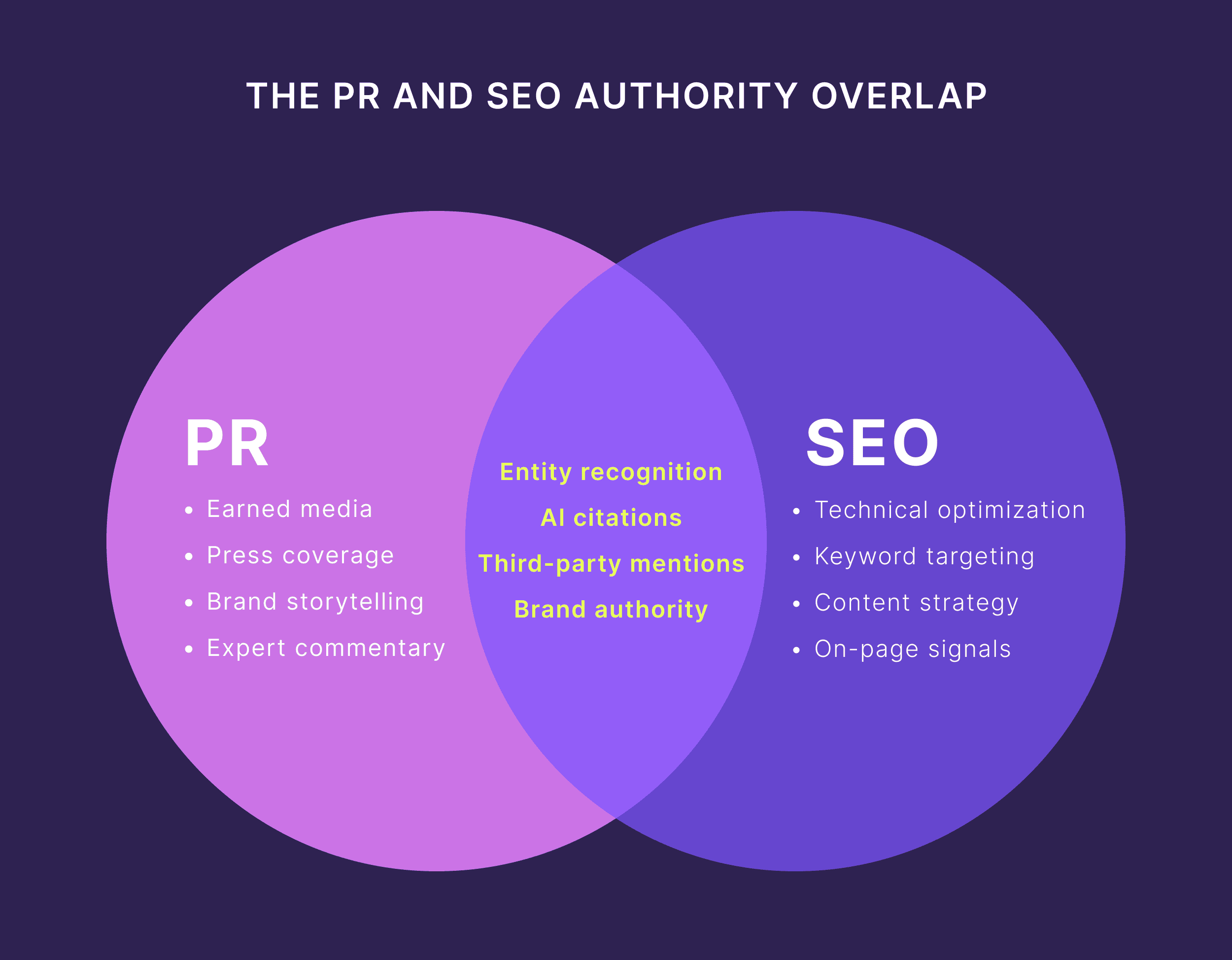
When these two disciplines remain siloed, brands leave massive amounts of authority on the table. To survive in an AI-first search environment, organizations must treat PR and SEO not as separate departments, but as a unified "authority engine."
The Strategic Shift: Why Silos Are a Liability
In the modern digital landscape, LLMs function as synthesis engines. They scan the internet for the most credible sources to answer user queries. If your brand is not mentioned by trusted industry authorities or if your digital footprint is fragmented, you become invisible to the AI.
When PR and SEO teams collaborate, they often treat the relationship as transactional—PR secures a link, and SEO checks it off a list. This approach misses the broader goal of building "entity authority." Real gains occur only when these teams operate as a single unit, sharing intelligence to shape content, assets, and media placements that signal expertise and trustworthiness to both human readers and machine algorithms.
A Five-Step Playbook for Unified Authority
To transform your marketing strategy into an always-on authority engine, you must implement a structured, collaborative workflow.
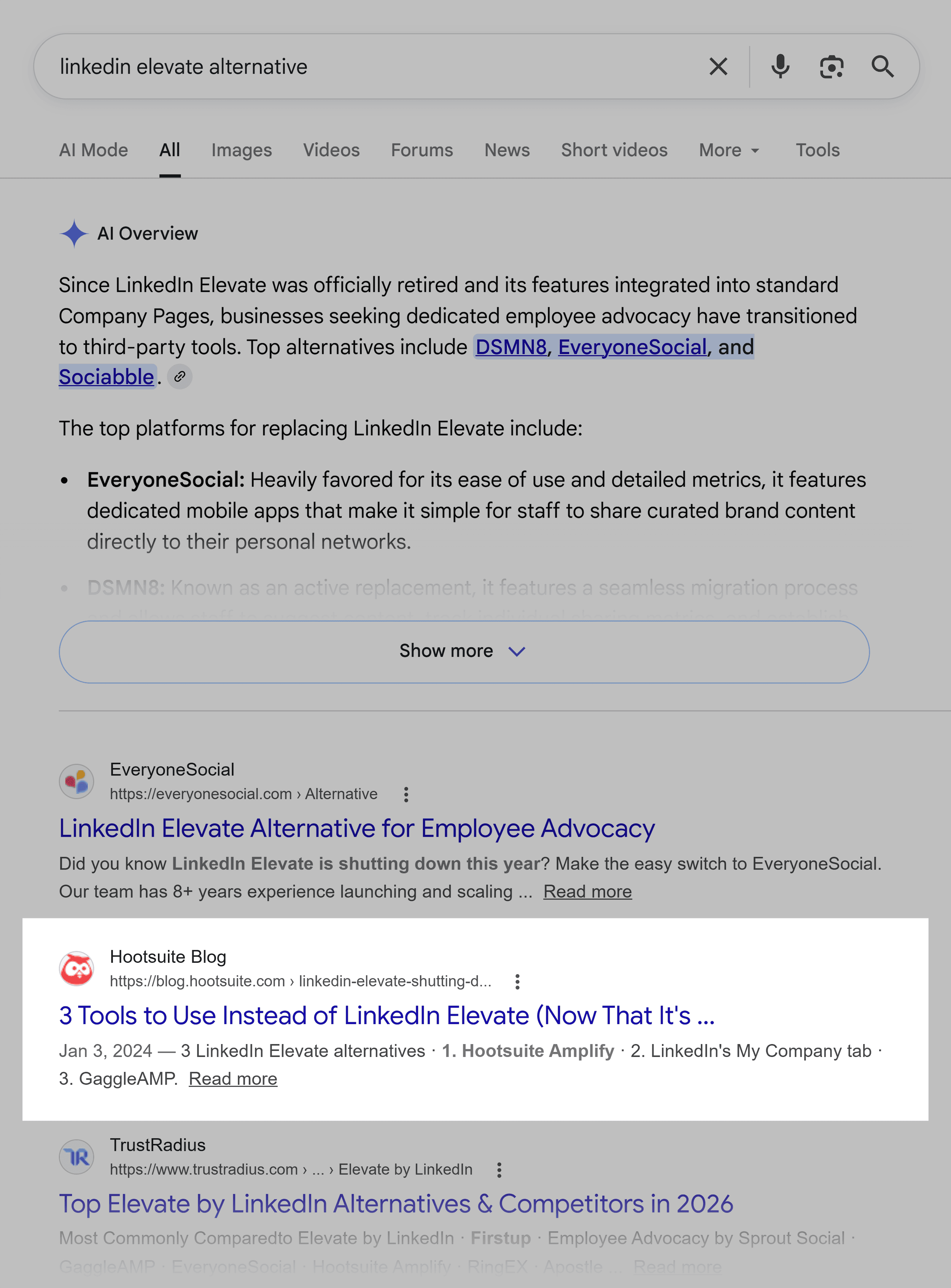
1. Align Research and Intelligence
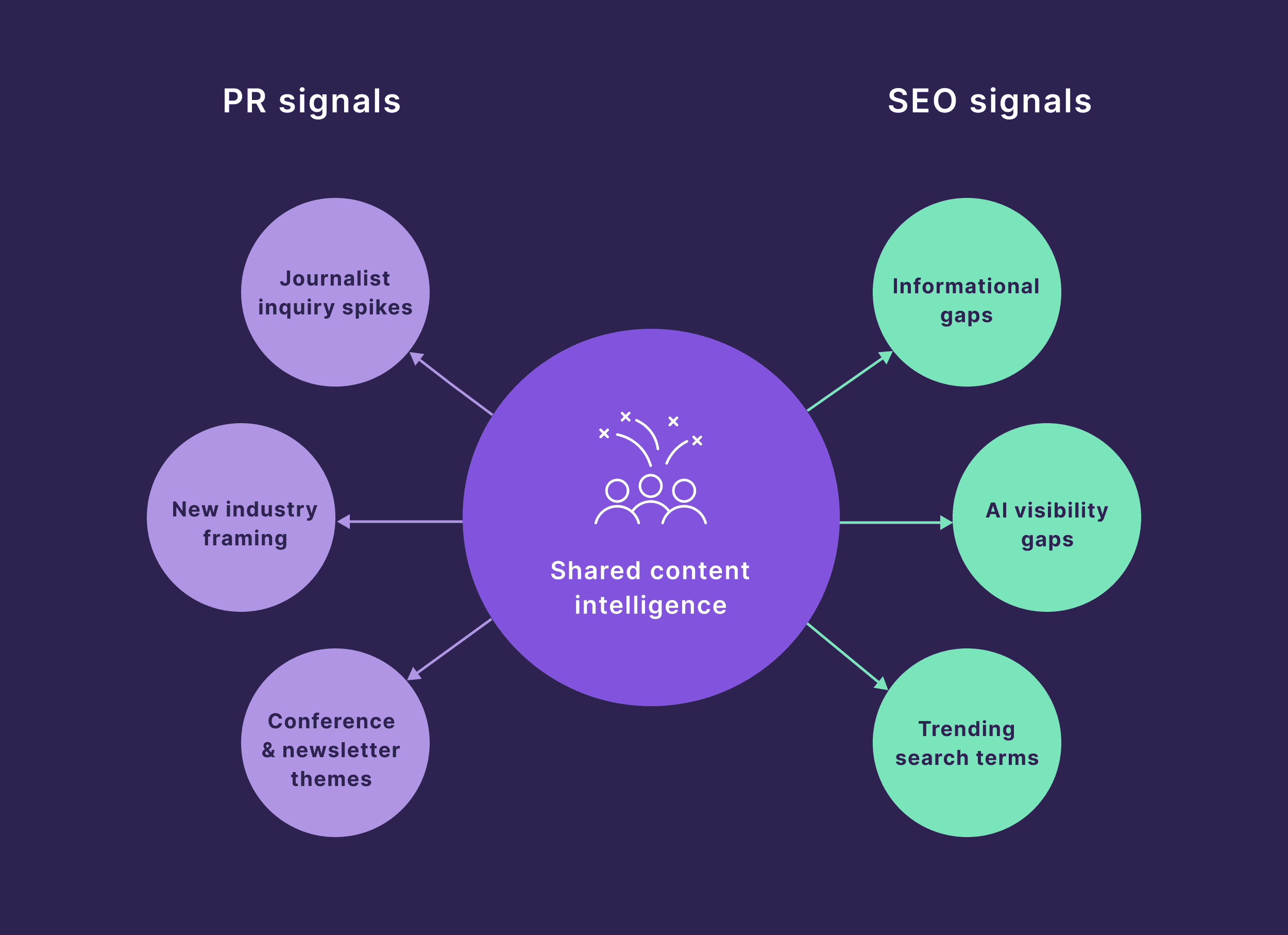
An always-on partnership begins with shared data. Without it, companies suffer from predictable gaps in their content strategy. By combining PR’s pulse on industry trends with SEO’s granular keyword data, you can identify high-value opportunities before they become saturated.
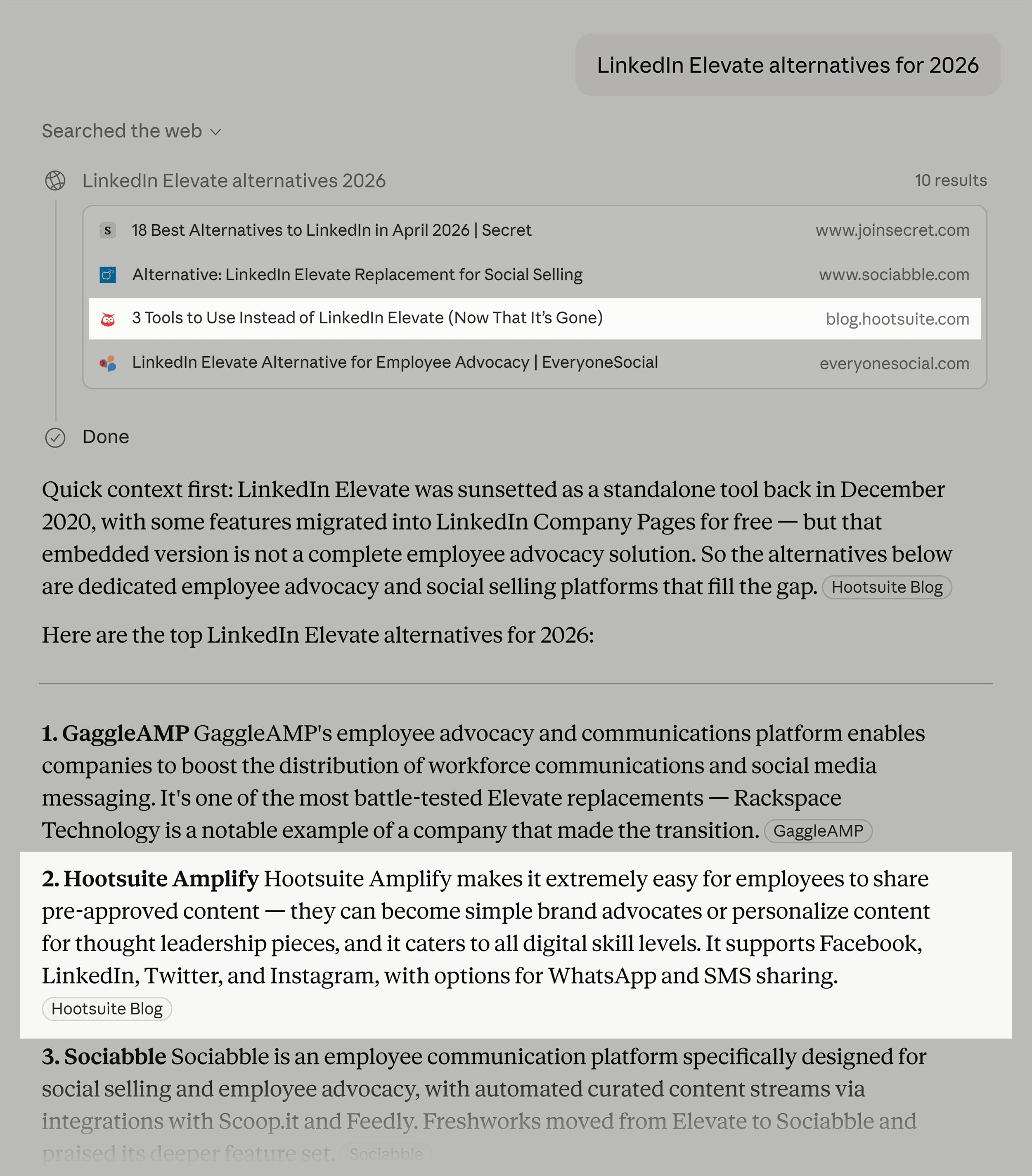
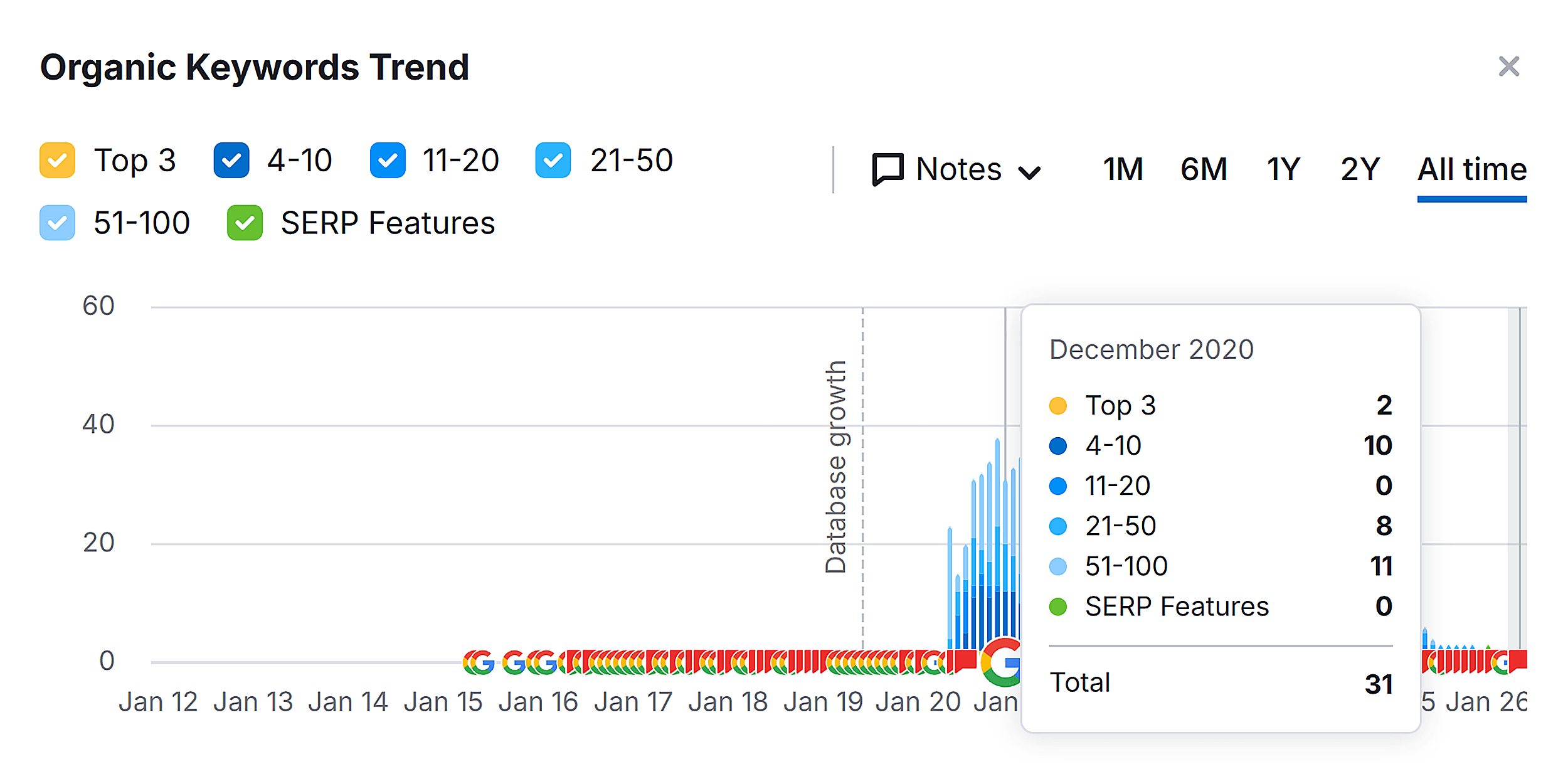
For instance, when a PR team notices a surge in inquiries regarding a specific industry shift, they should immediately flag this to the SEO team. Even if search volume is low today, creating content early allows the brand to capture authority. Once the topic hits the mainstream and search volume spikes, the brand is already positioned as the primary authority, often ranking at the top of the SERP and serving as a key source for LLMs.
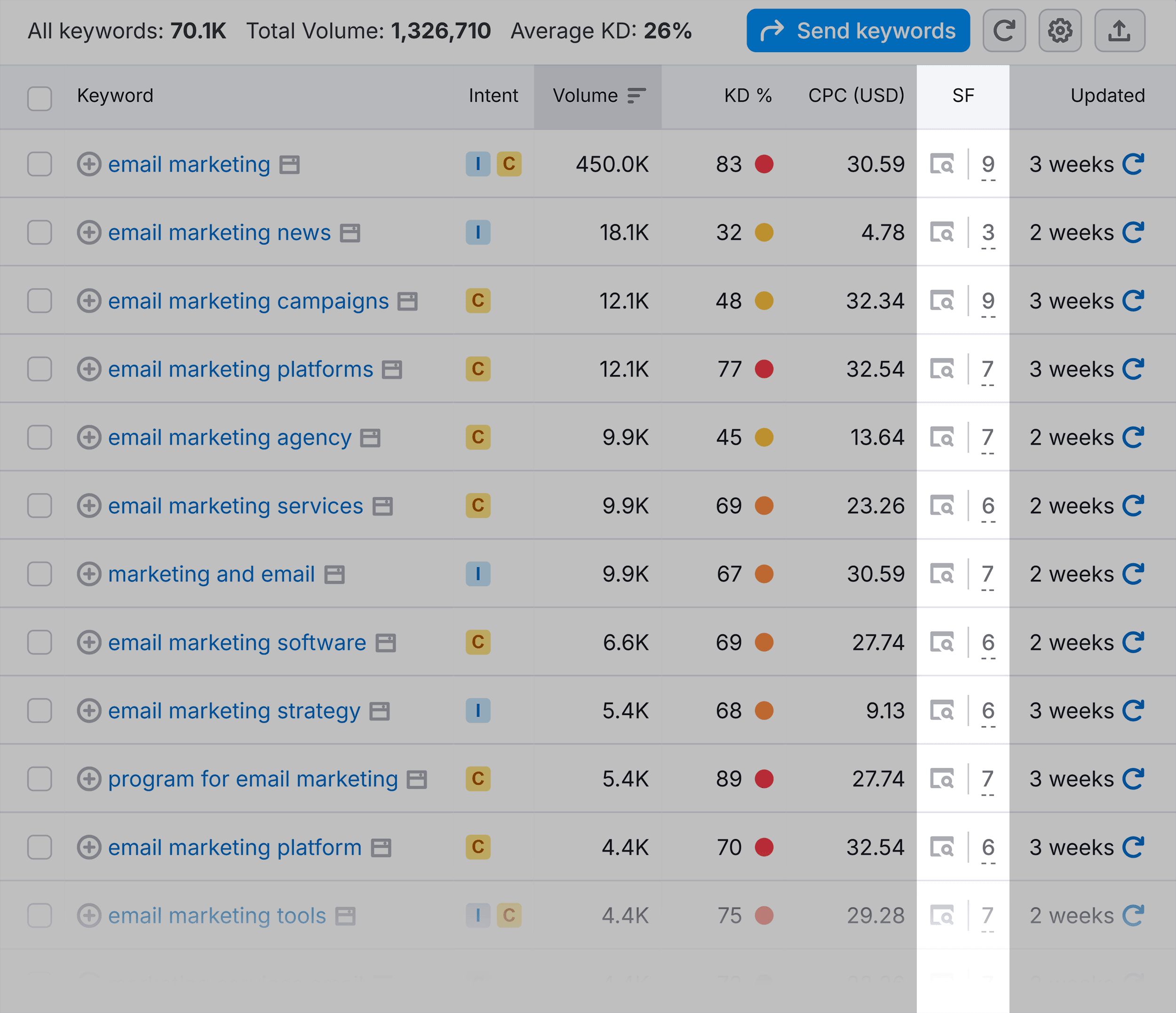
2. Collaborate on AI-Ready Assets
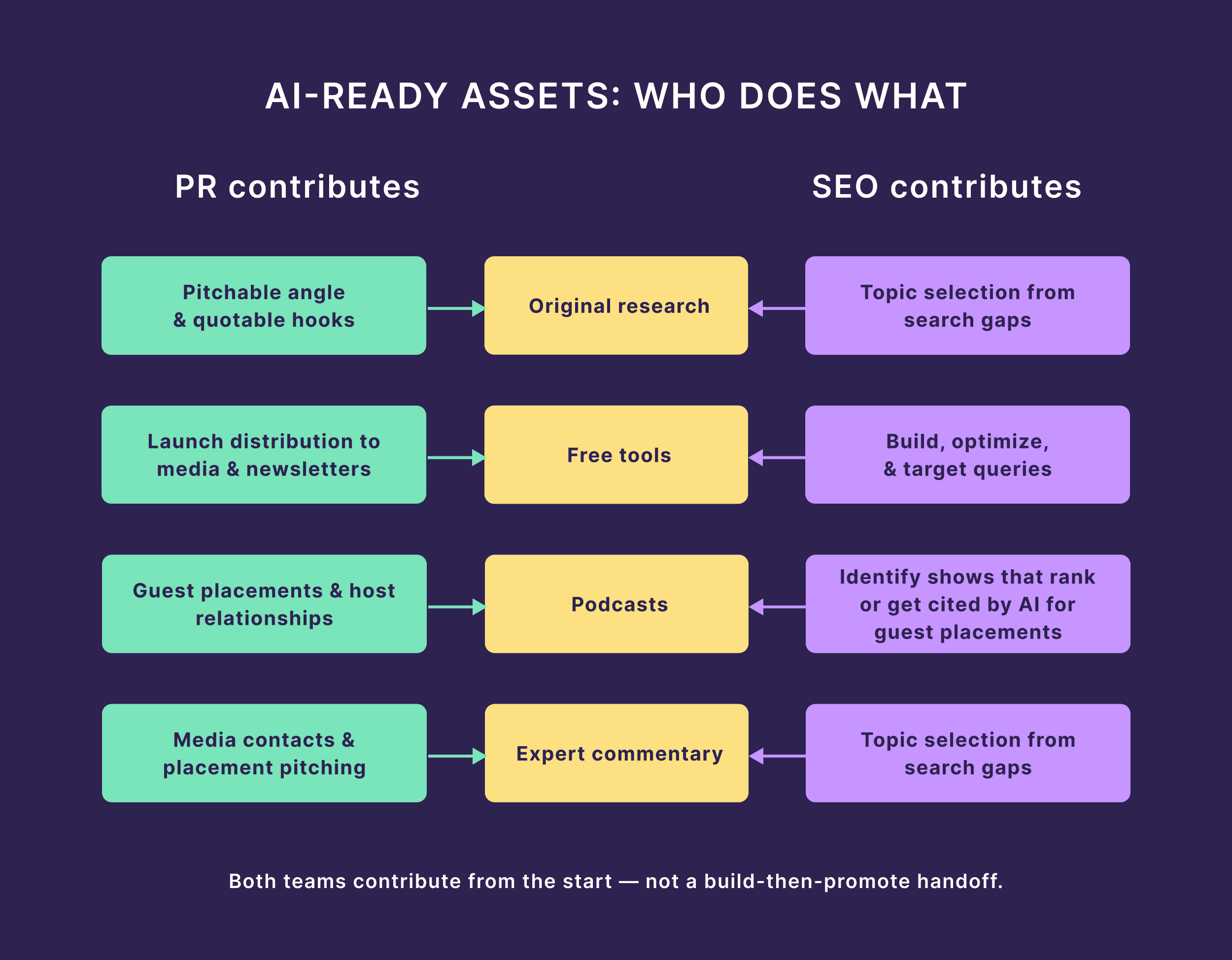
"Answer Engine Optimization" (AEO) is the next evolution of SEO. Creating assets that are structured to be found, cited, and trusted by AI models requires technical SEO expertise paired with PR’s ability to craft compelling, "pitchable" narratives.

- Original Research: Data-backed studies are the gold standard for earning both backlinks and AI citations. PR can shape the findings into "quotable hooks," while SEO ensures the report is structured with clean methodology and accessible HTML, making it easy for machines to parse.
- Free Tools: Calculators, templates, and interactive tools solve specific pain points. When distributed through PR channels, these tools earn long-term visibility that static blog posts cannot match.
- Press Releases as Assets: Stop treating press releases as throwaway documents. When optimized and hosted as permanent, crawlable landing pages, they become valuable assets for LLMs. Research indicates that press release citations in AI systems have grown significantly over the past year, proving their worth as a core component of an authority strategy.
3. Co-Build Third-Party Presence
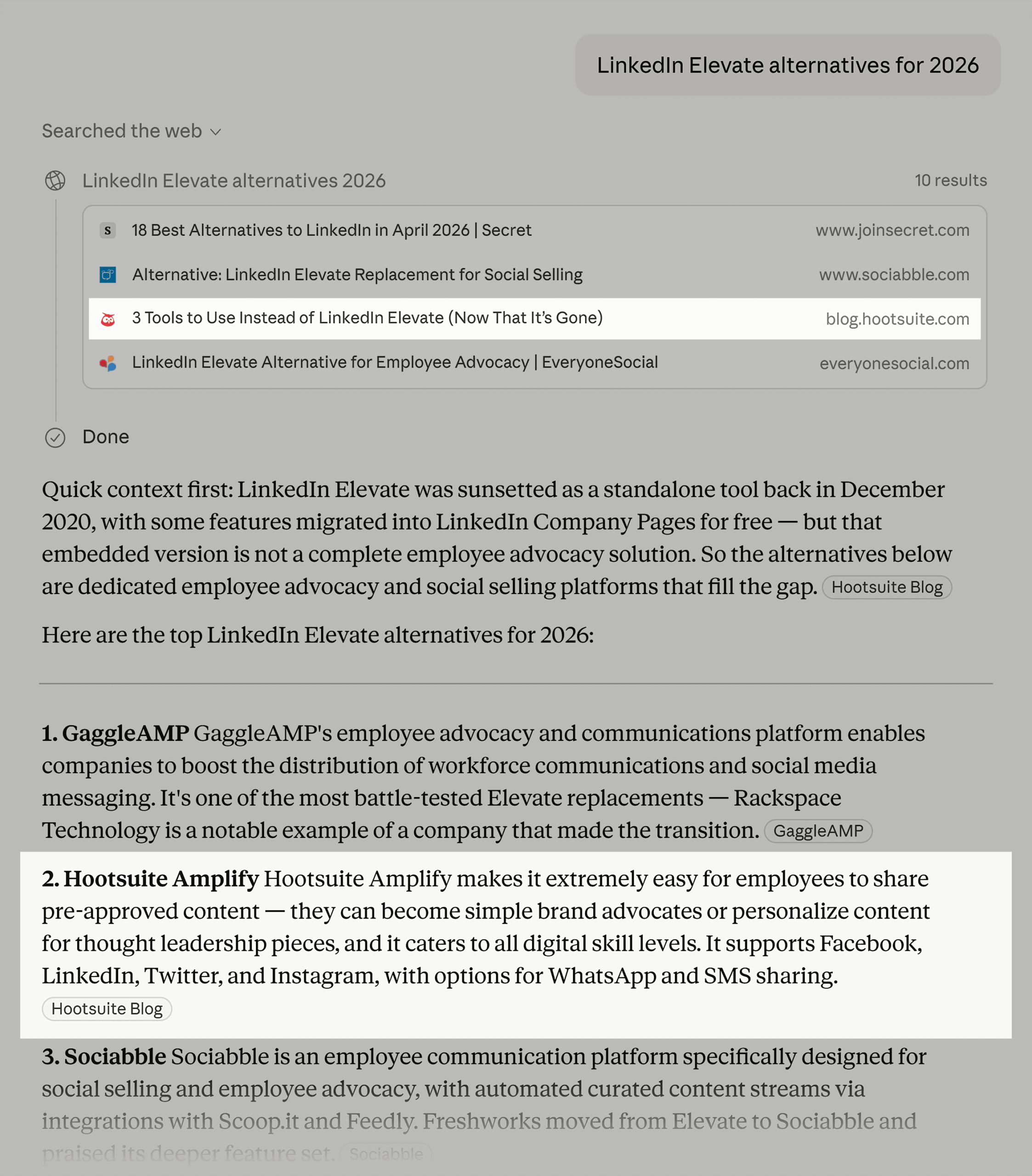
Research from AirOps suggests that brands are 6.5 times more likely to appear in AI answers through third-party signals than through their own content. Consequently, your off-site presence is arguably more important than your on-site content.
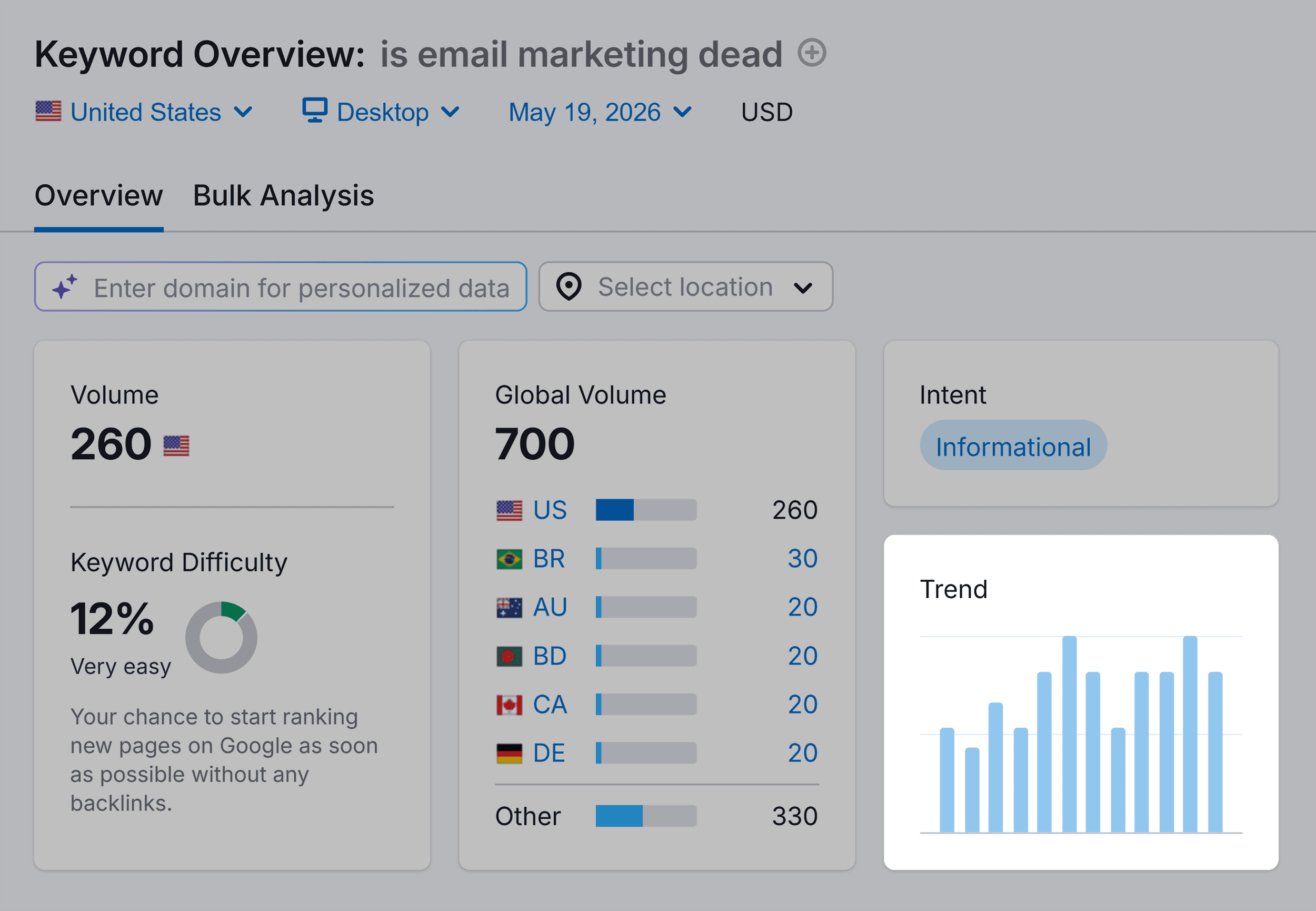
- Expert Commentary: Data-backed, specific quotes from your leadership team are highly citable by AI. PR should identify where these experts should be placed, while SEO identifies the specific publications that carry the most weight in Google’s Knowledge Graph.
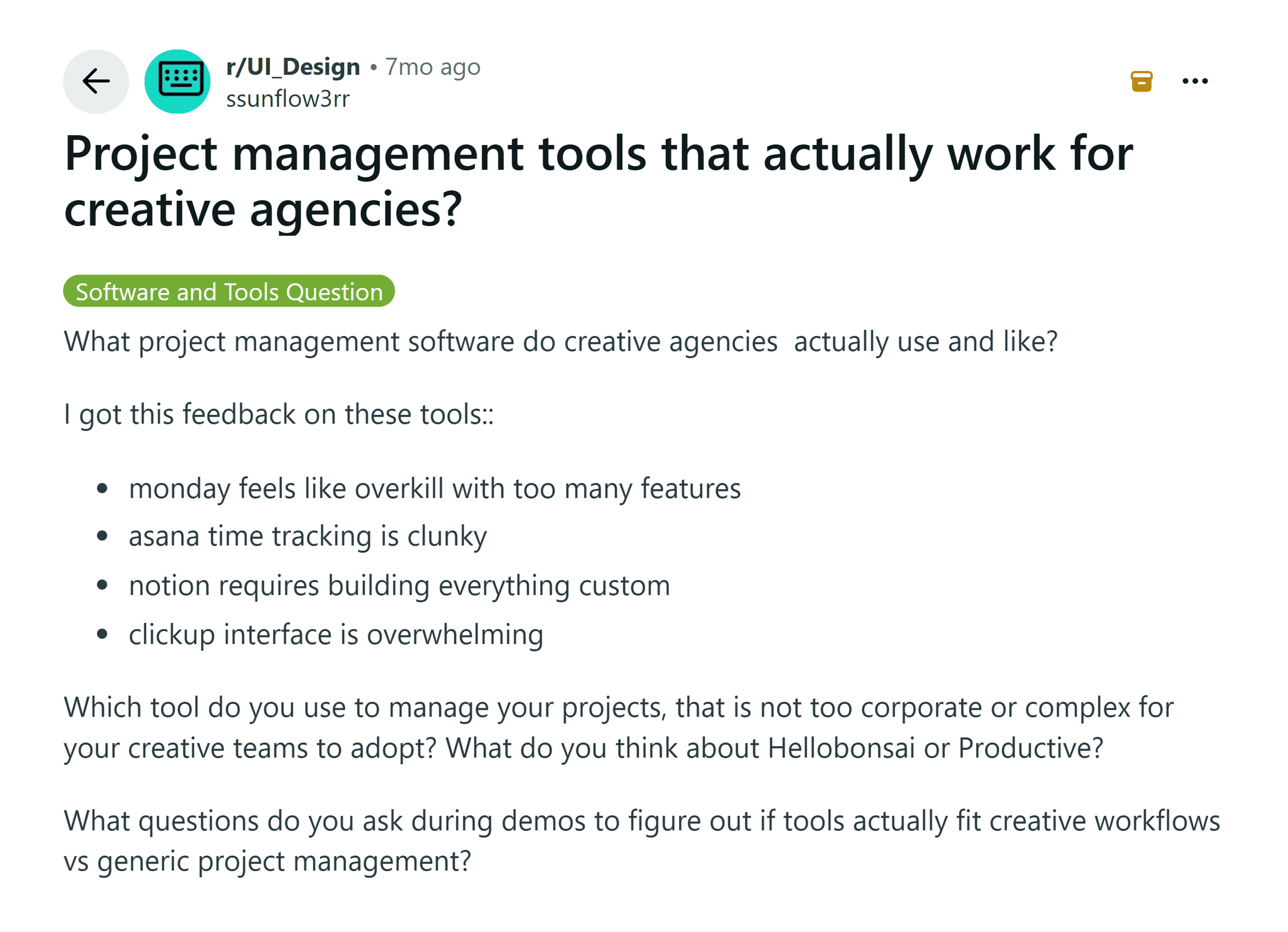
- Review Sites and Forums: AI models heavily weigh user sentiment on platforms like G2, Trustpilot, and Reddit. SEO teams should monitor these platforms for brand health, while PR works to engage authentically with the community to build positive sentiment.
- Wikipedia: Maintaining a neutral, third-party profile on Wikipedia is essential for establishing "Entity SEO." PR can pitch the necessary stories to earn the significant, independent coverage required for Wikipedia notability, while SEO monitors the page for accuracy.
4. Unify the Outreach Strategy
To prevent misaligned messaging, both teams must operate from a shared target source list. By merging SEO’s list of high-authority domains with PR’s list of influential journalists and analysts, you create a single, prioritized hit list.
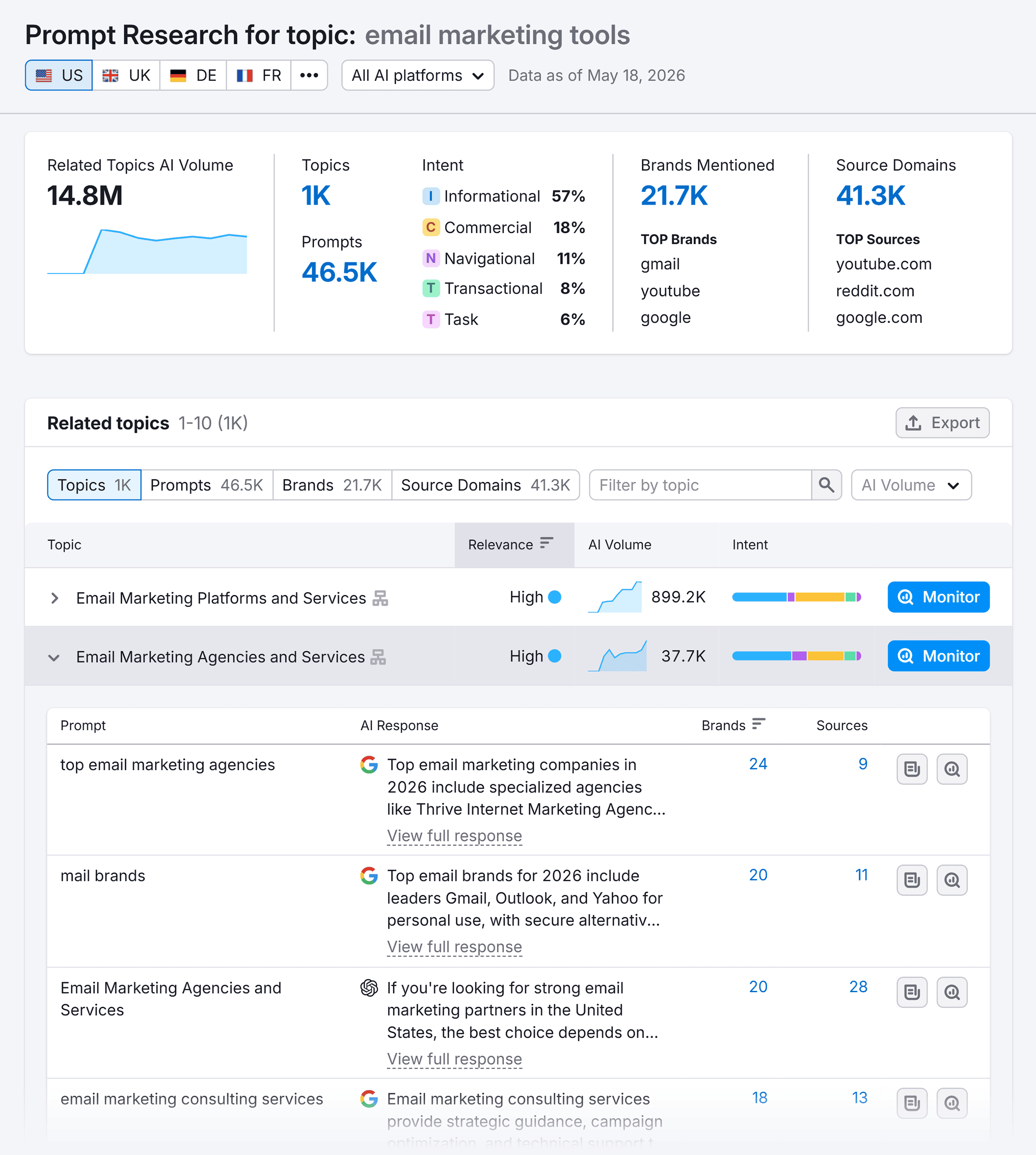
- Split by Strengths: SEO should own technical outreach, such as fixing broken links or pitching inclusion in industry listicles. PR should handle relationship-based outreach, such as briefing analysts and securing guest spots on podcasts.
- Plan in Advance: Monthly or quarterly alignment meetings are essential. These sessions should review which efforts are driving results and identify new outreach targets based on the latest performance data.
5. Shared Reporting and Performance Metrics
PR and SEO typically track different KPIs. To succeed, you must adopt a shared lens for evaluation. Rather than merging dashboards, agree on a set of core questions:
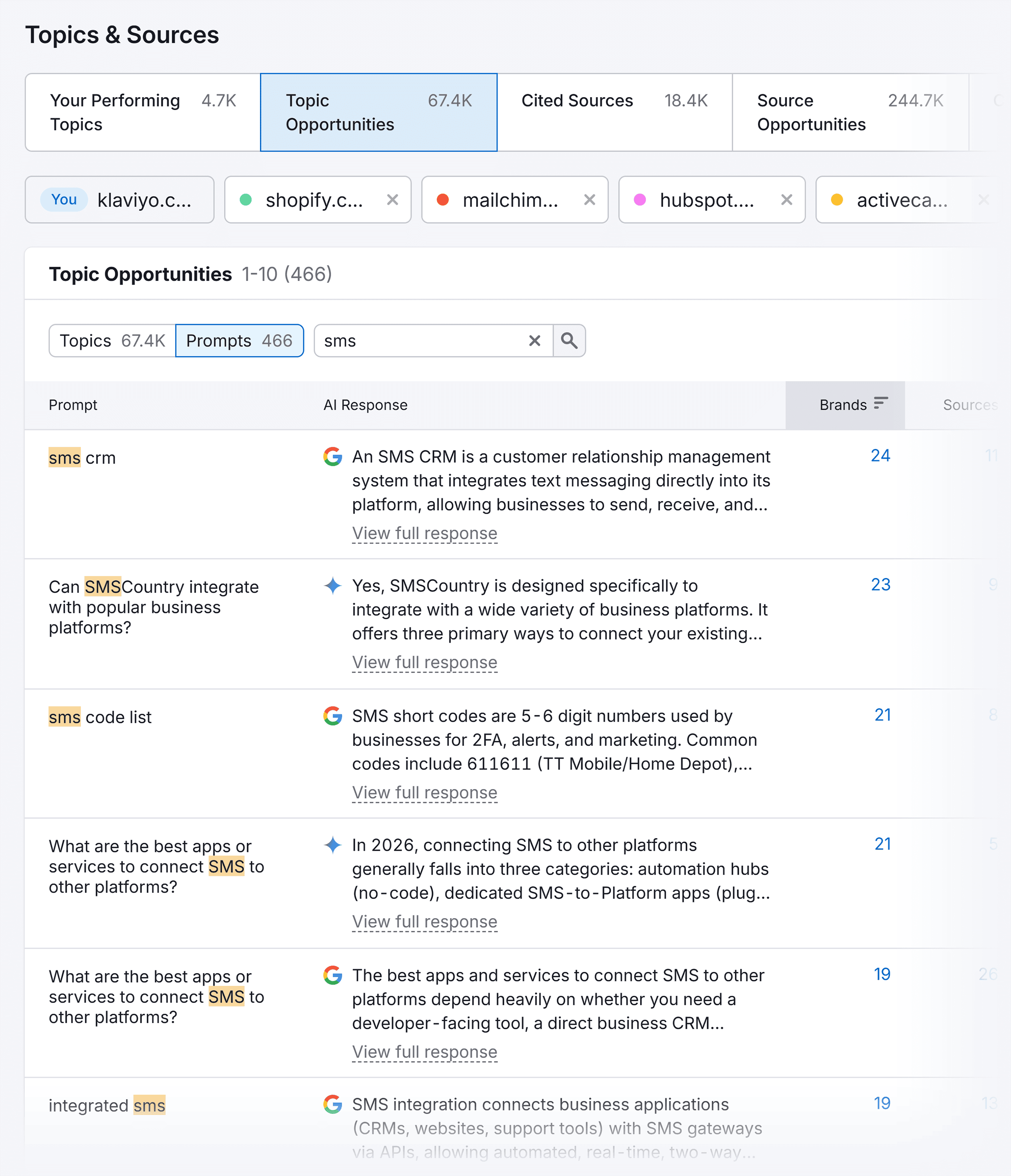
- Did this asset get cited by a high-authority source?
- Did it improve our AI visibility for target queries?
- Did it drive branded search volume?
Tracking "Assisted Conversions" in Google Analytics 4 is critical here. It allows you to see how organic search or referral traffic from a PR placement influenced a user’s journey, even if it wasn’t the final click.
Implications for the Future
The era of the siloed marketing department is effectively over. The future belongs to brands that understand the relationship between digital authority and generative AI. By aligning research, co-building assets, and unifying outreach, companies can build a self-sustaining authority engine that creates long-term value, improves brand sentiment, and ensures visibility in the evolving search landscape.
As AI continues to refine how users discover information, the brands that win will be those that provide the most reliable, well-cited, and authoritative signals. The path to that authority is a seamless, constant collaboration between the storytellers in PR and the architects of search.