The digital marketing landscape has undergone a tectonic shift in recent years. As search behavior evolves, AI-powered search results become the norm, and industry competition reaches a fever pitch, businesses are increasingly looking toward external experts to navigate the complex world of Search Engine Optimization (SEO).

With U.S. organizations spending an estimated $119.4 billion annually on SEO and digital marketing consulting, the stakes have never been higher. Yet, a comprehensive study involving 1,200 business owners reveals a startling paradox: while investment is rising, client satisfaction remains alarmingly low. This report explores the current state of the SEO industry, unpacking why trust is fragile, why turnover is rampant, and how providers can bridge the gap between expectation and reality.
The Economics of SEO: A Multi-Billion Dollar Market
The financial commitment to SEO is significant. Data indicates that while the average small business spends roughly $497.16 per month on SEO services, the market is highly fragmented.
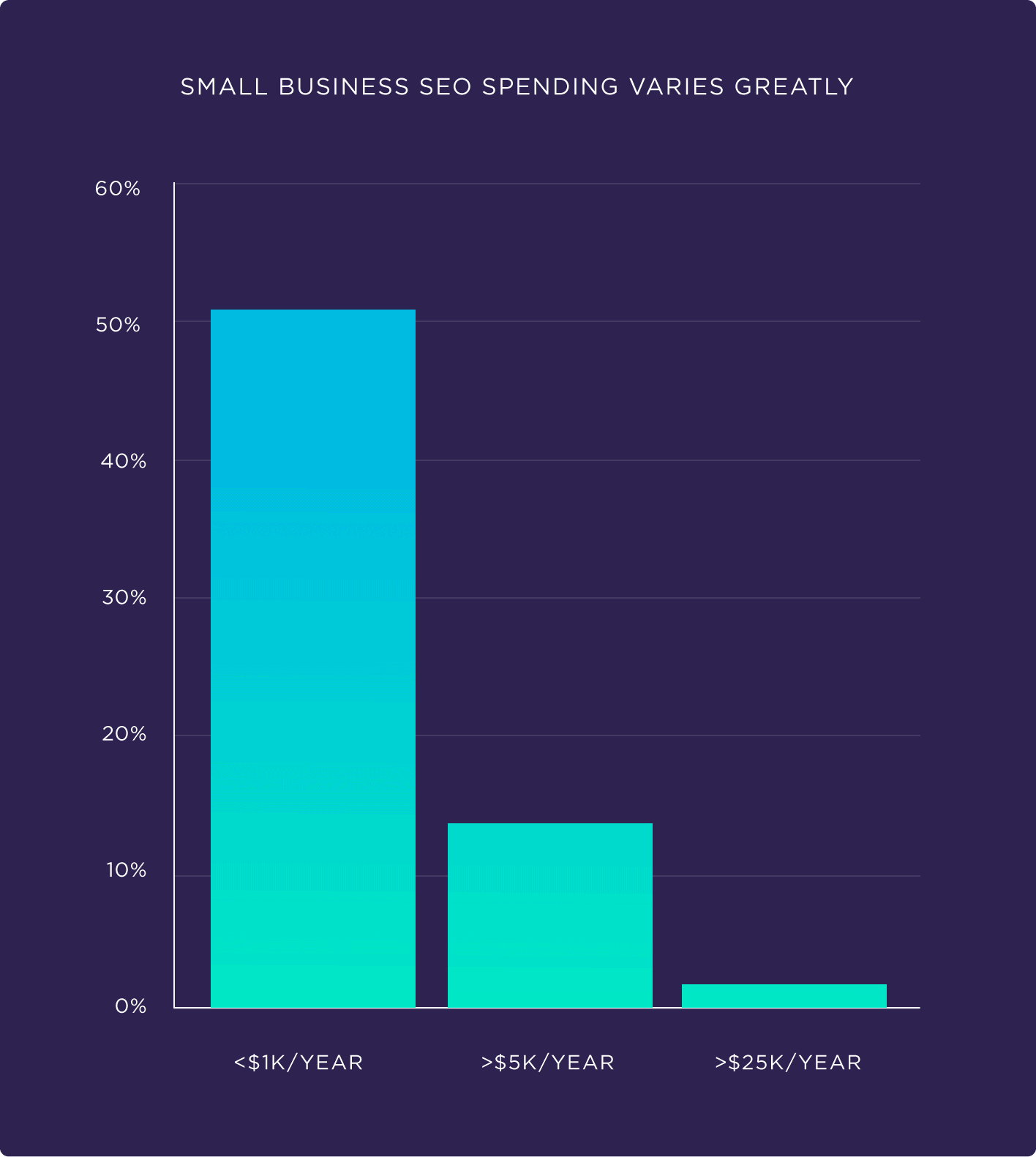
Half of the respondents in our study reported spending less than $1,000 per year on SEO, while only 14% invest more than $5,000 annually. At the very top end, a mere 2% of businesses allocate over $25,000 per year to search optimization.
Agency vs. Freelance: A Tale of Two Tiers
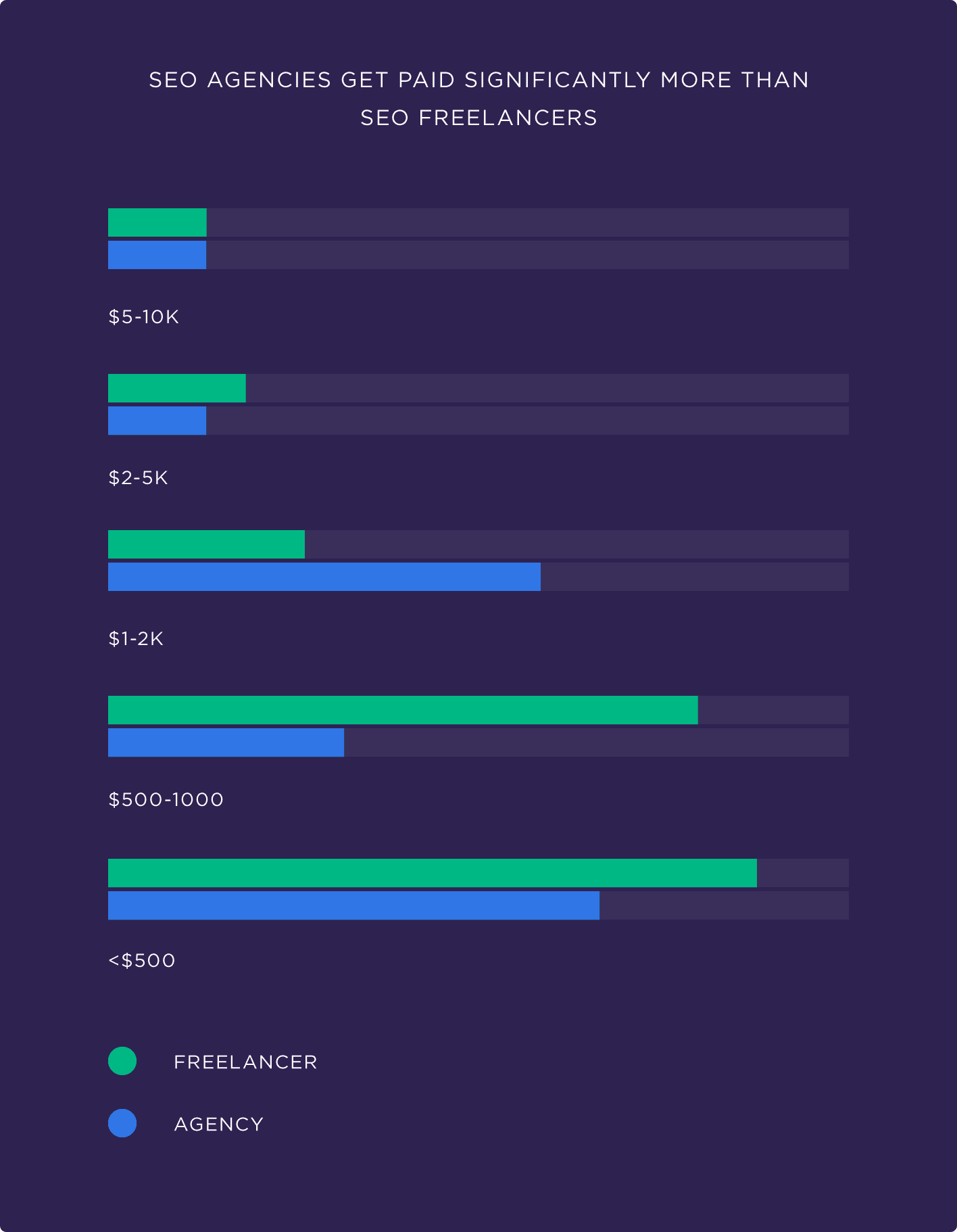
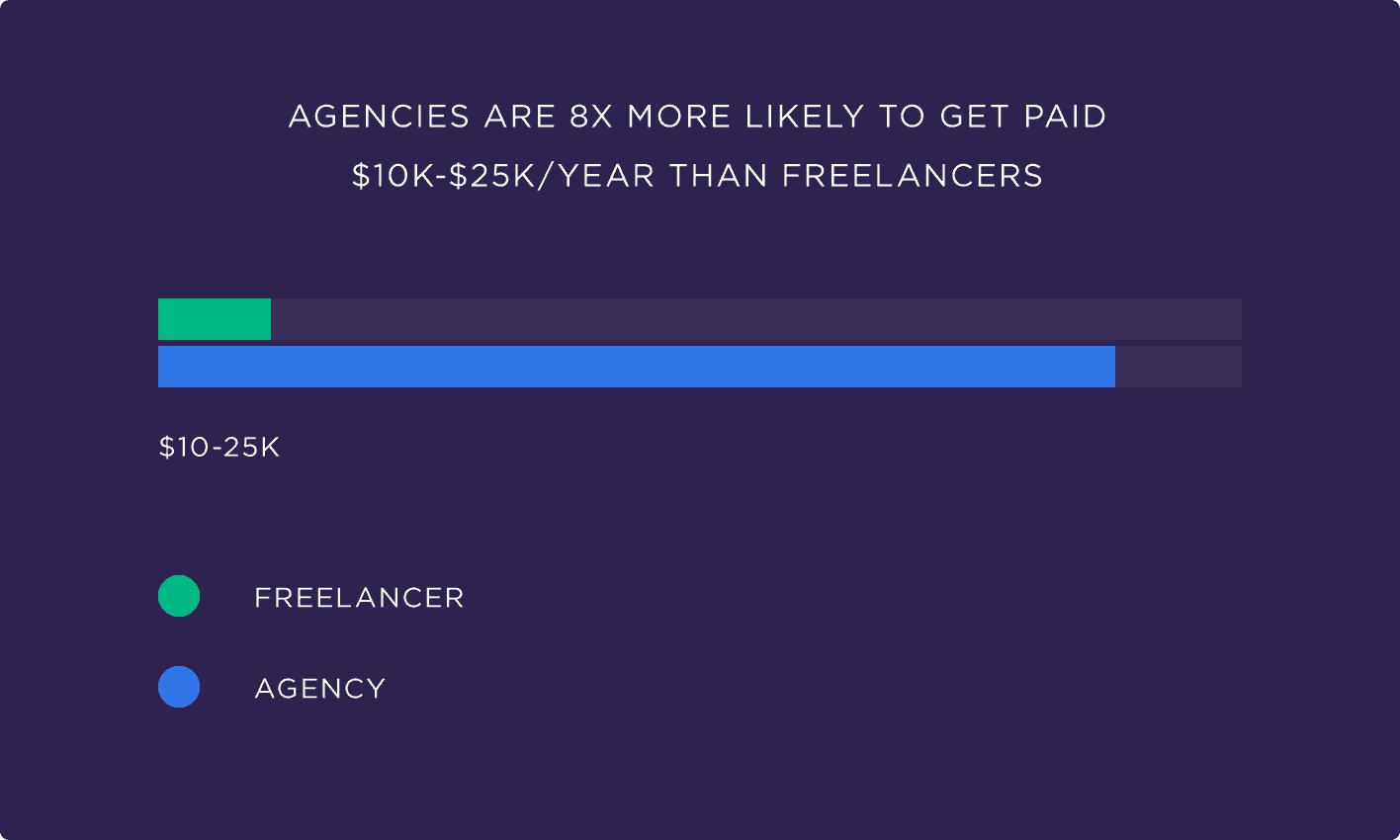
There is a distinct divide in the market between independent freelancers and full-service agencies. Agencies command significantly higher premiums, being twice as likely to land in the $1,000–$2,000 monthly range compared to freelancers, who predominantly operate in the $500–$1,000 bracket. Furthermore, agencies dominate the high-end market; they are 8x more likely to secure contracts worth $10,000–$25,000 per year than their freelance counterparts.
Client Satisfaction: The "You Get What You Pay For" Reality
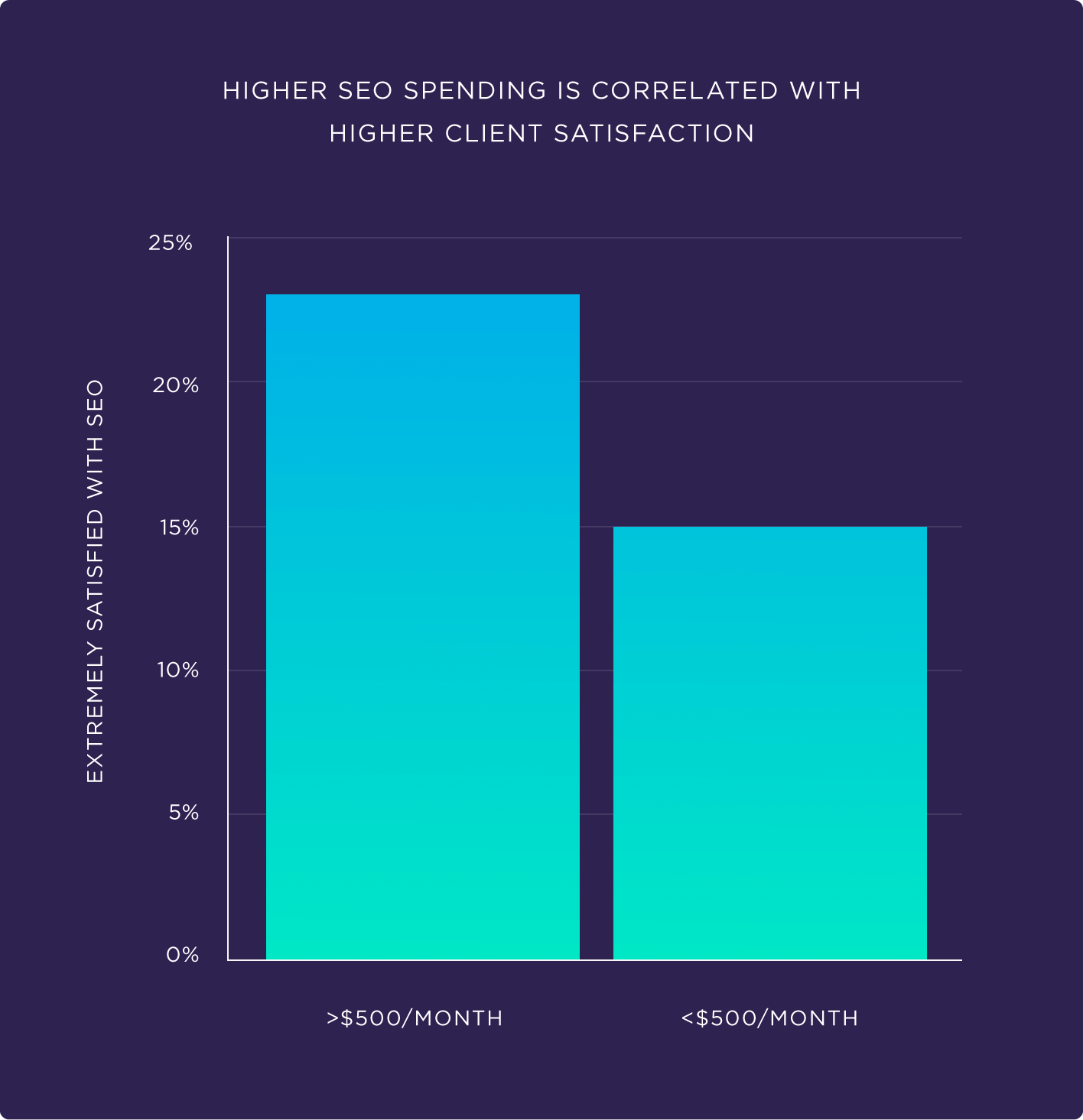
The data suggests a clear, undeniable correlation between investment and satisfaction. Clients who spend more than $500 per month are 53.3% more likely to identify as "extremely satisfied" with their service providers compared to those spending less.
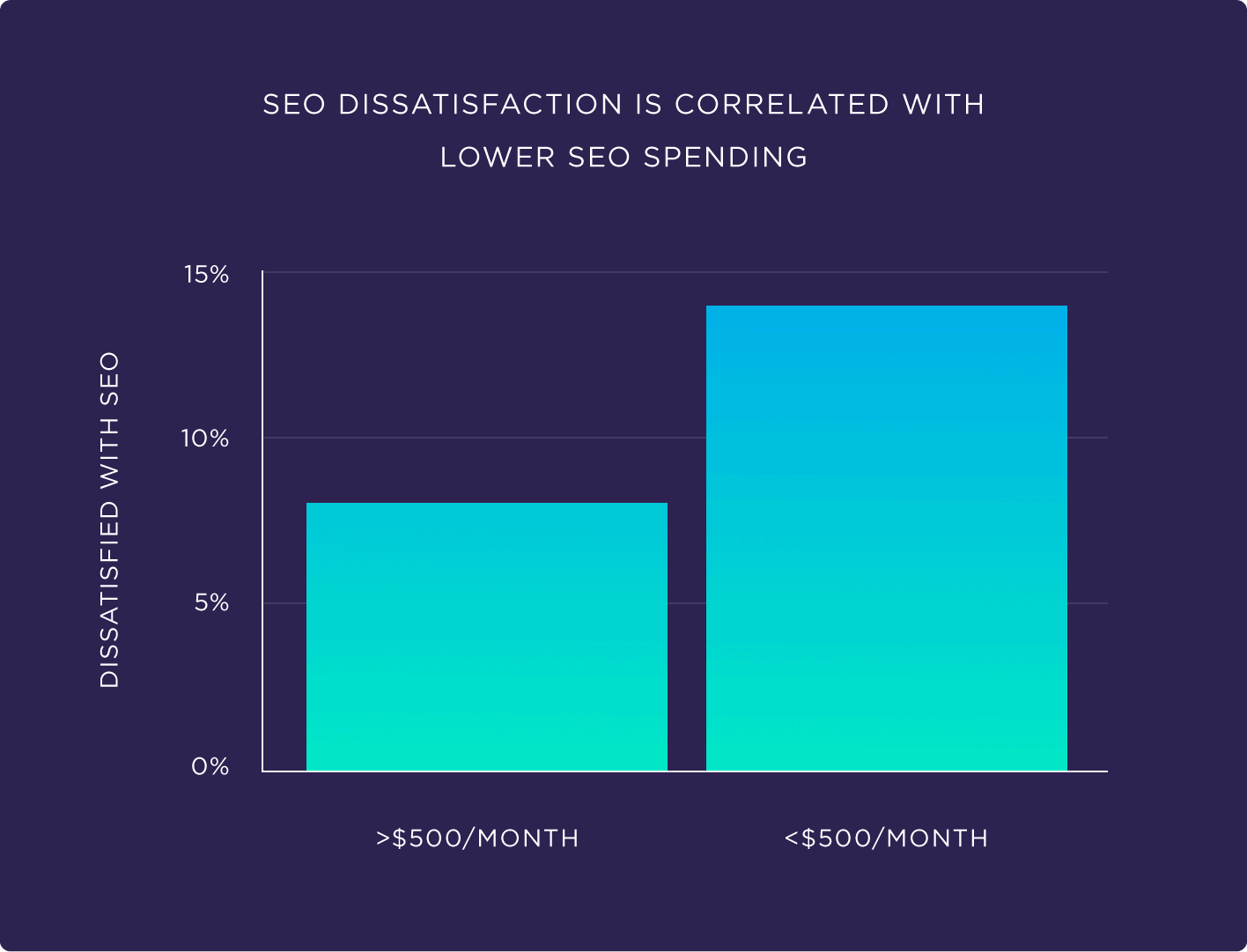
Conversely, the correlation between low spending and dissatisfaction is equally strong. Those investing under $500/month were 75% more likely to express dissatisfaction. This confirms that in the SEO space, budget constraints often lead to "bottom-of-the-barrel" services that fail to move the needle, resulting in a cycle of frustration for the business owner.
The Hunt for Talent: How Businesses Find SEO Partners
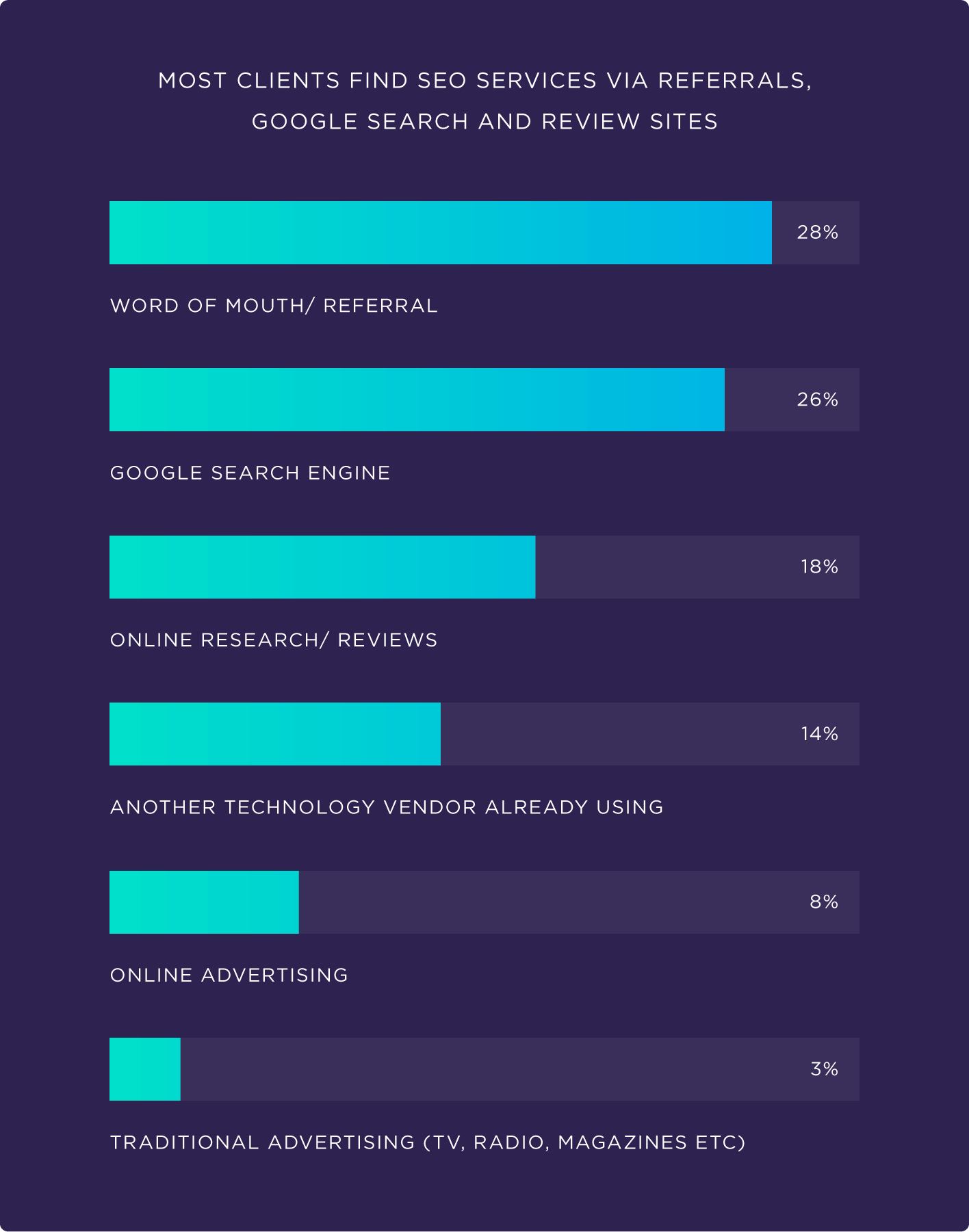
When businesses seek an SEO partner, they rely heavily on traditional trust signals. The hierarchy of acquisition is clear:
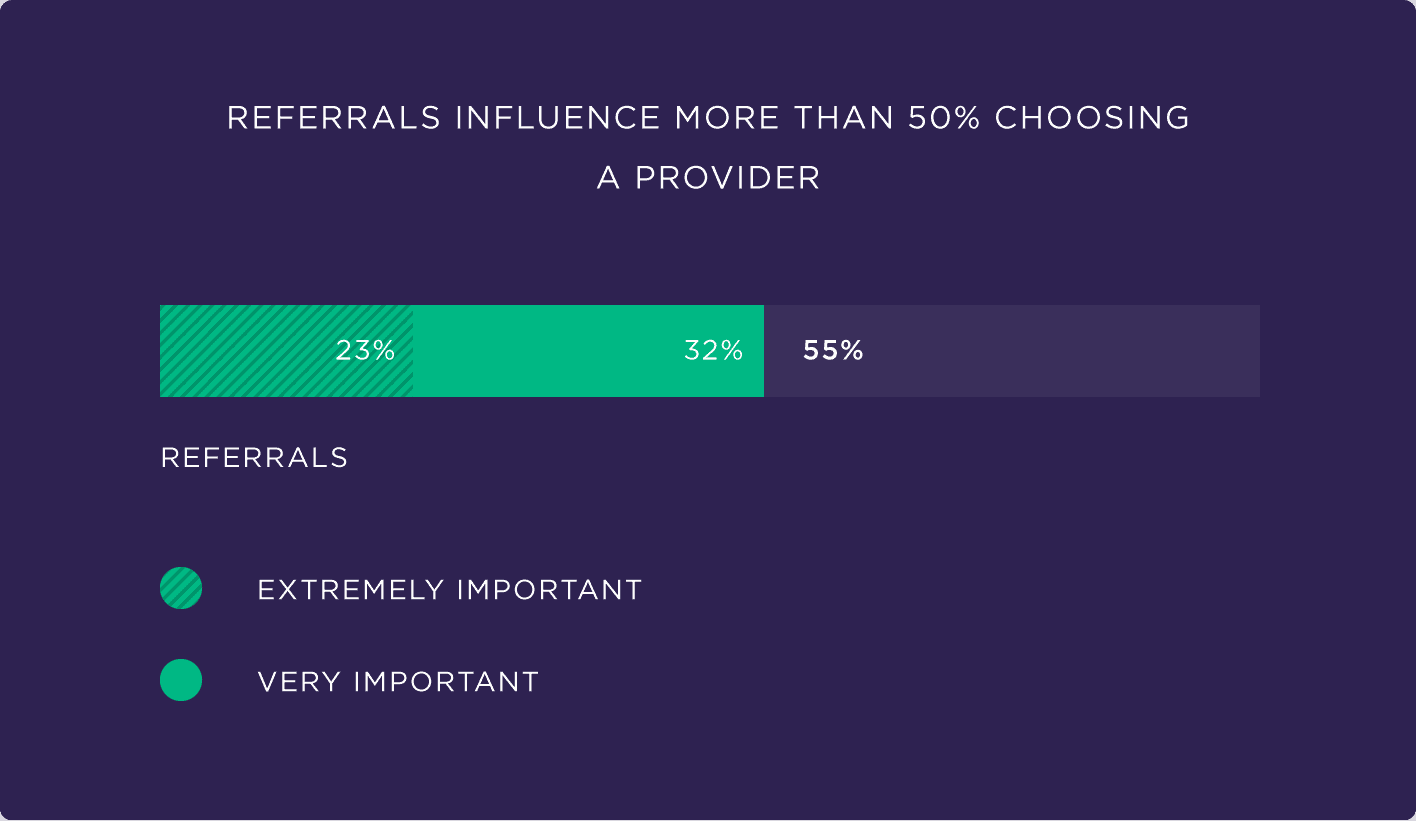
- Referrals: Word-of-mouth remains the most powerful tool for SEO providers.
- Google Searches: Clients look for providers who can effectively rank their own websites.
- Online Reviews: Platforms like Yelp and Google Business Profile act as critical filters.
Notably, online and offline advertising plays a negligible role in how clients find their current SEO partner, with only 8% of clients sourcing their provider via paid ads. For agency owners, this is a clarion call: if you want to scale, you must dominate the local and organic search results for your own brand and leverage your existing client base for referrals.
Why Clients Hire—And Why They Leave
The decision to outsource SEO is rarely about saving money; it is about filling a capacity gap. 61% of companies cite a lack of internal expertise as the primary driver for hiring an agency.
The Expectations Gap
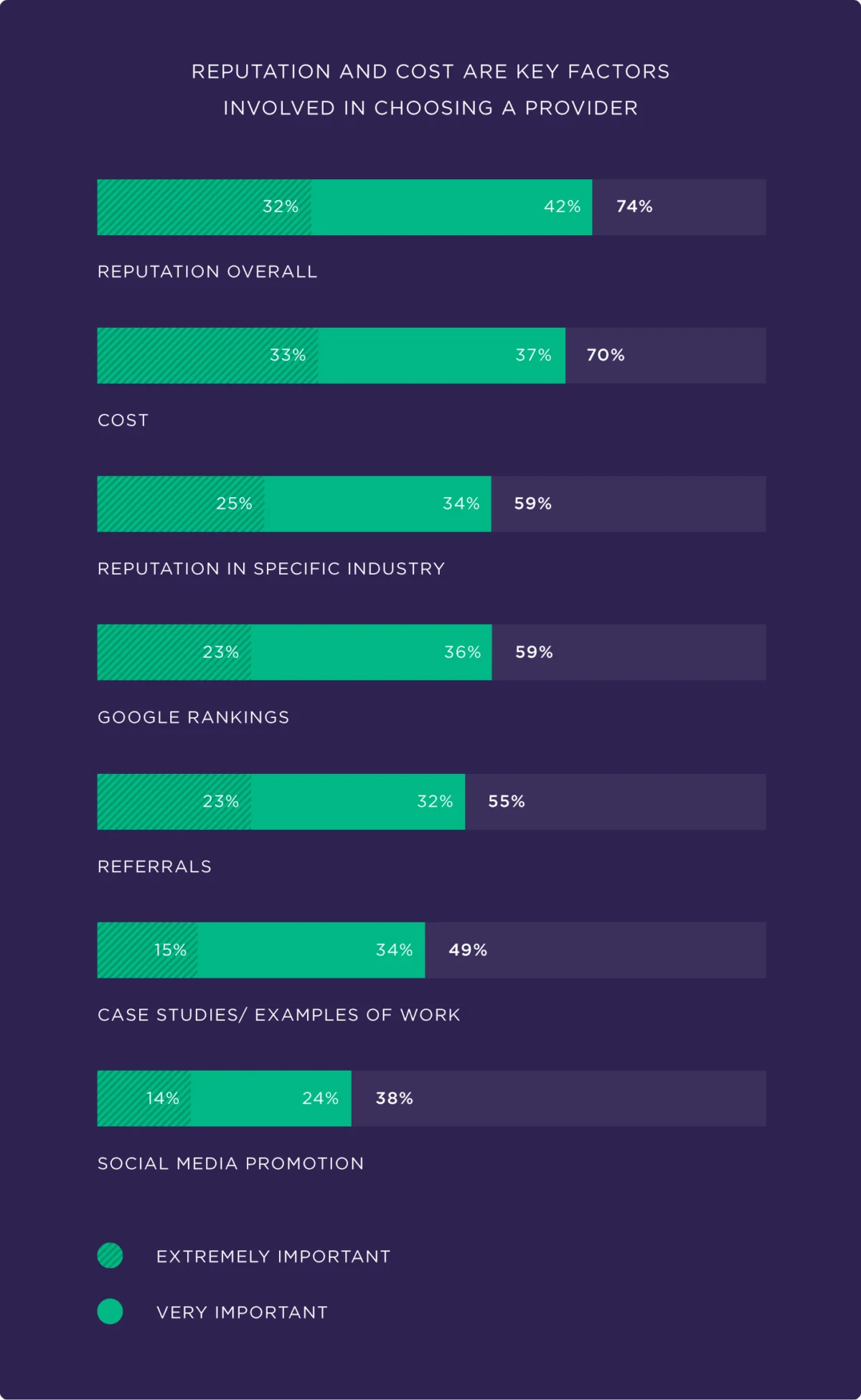
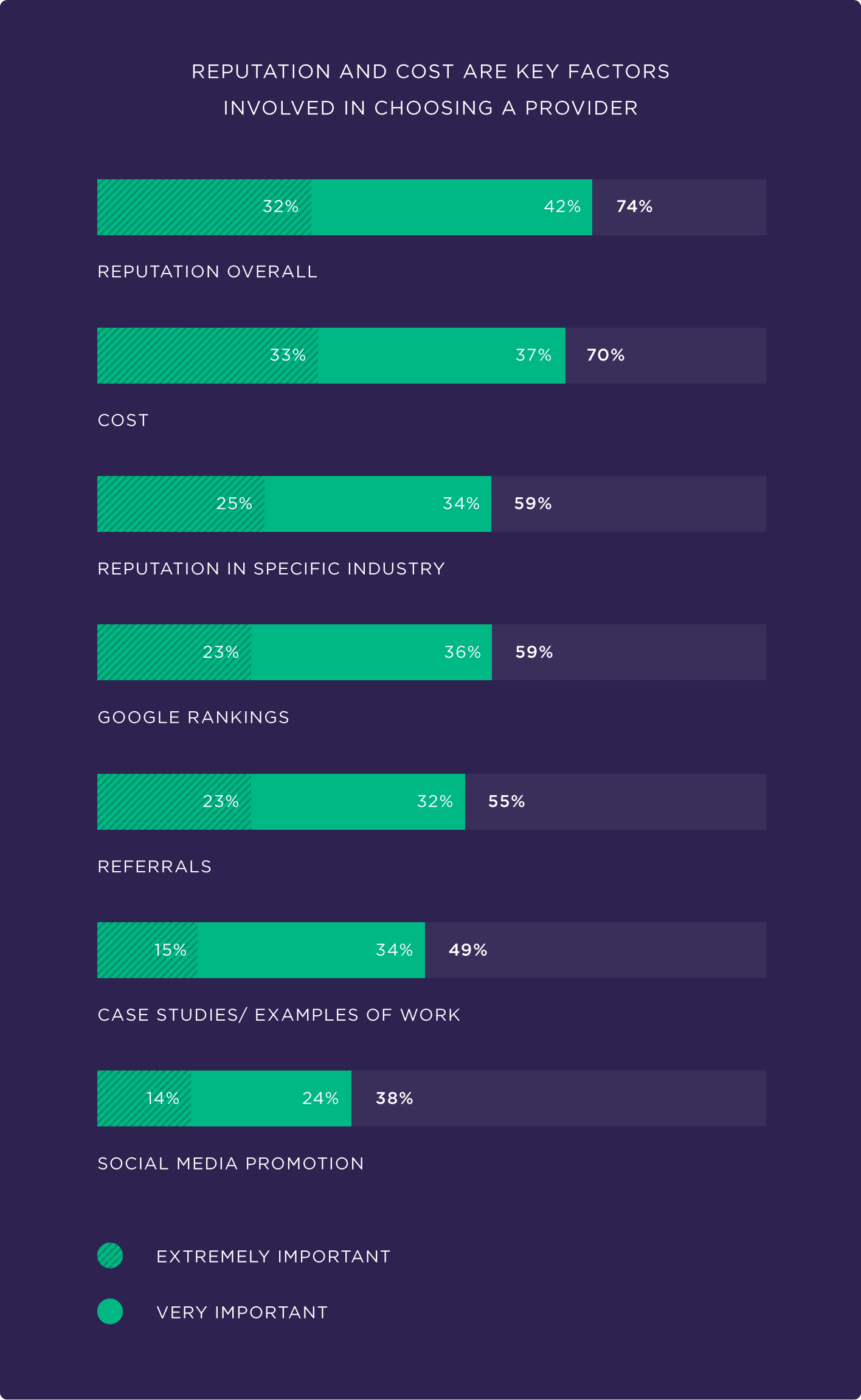
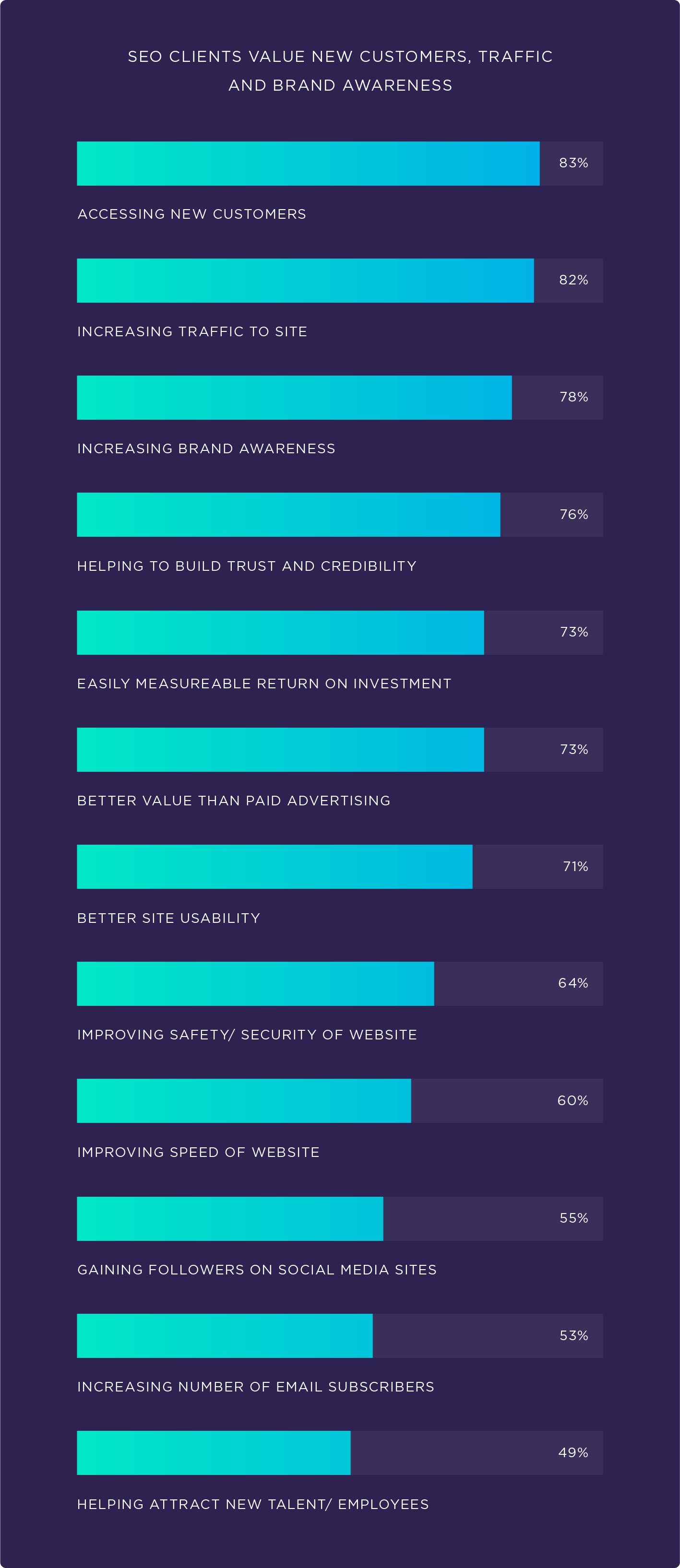
When hiring, 74% of business owners view a provider’s reputation as "very" or "extremely" important. Once the contract is signed, however, the goals shift toward tangible outcomes. The most valued expectations are:
- Accessing new customers
- Increasing organic traffic
- Boosting brand awareness
- Building long-term digital trust
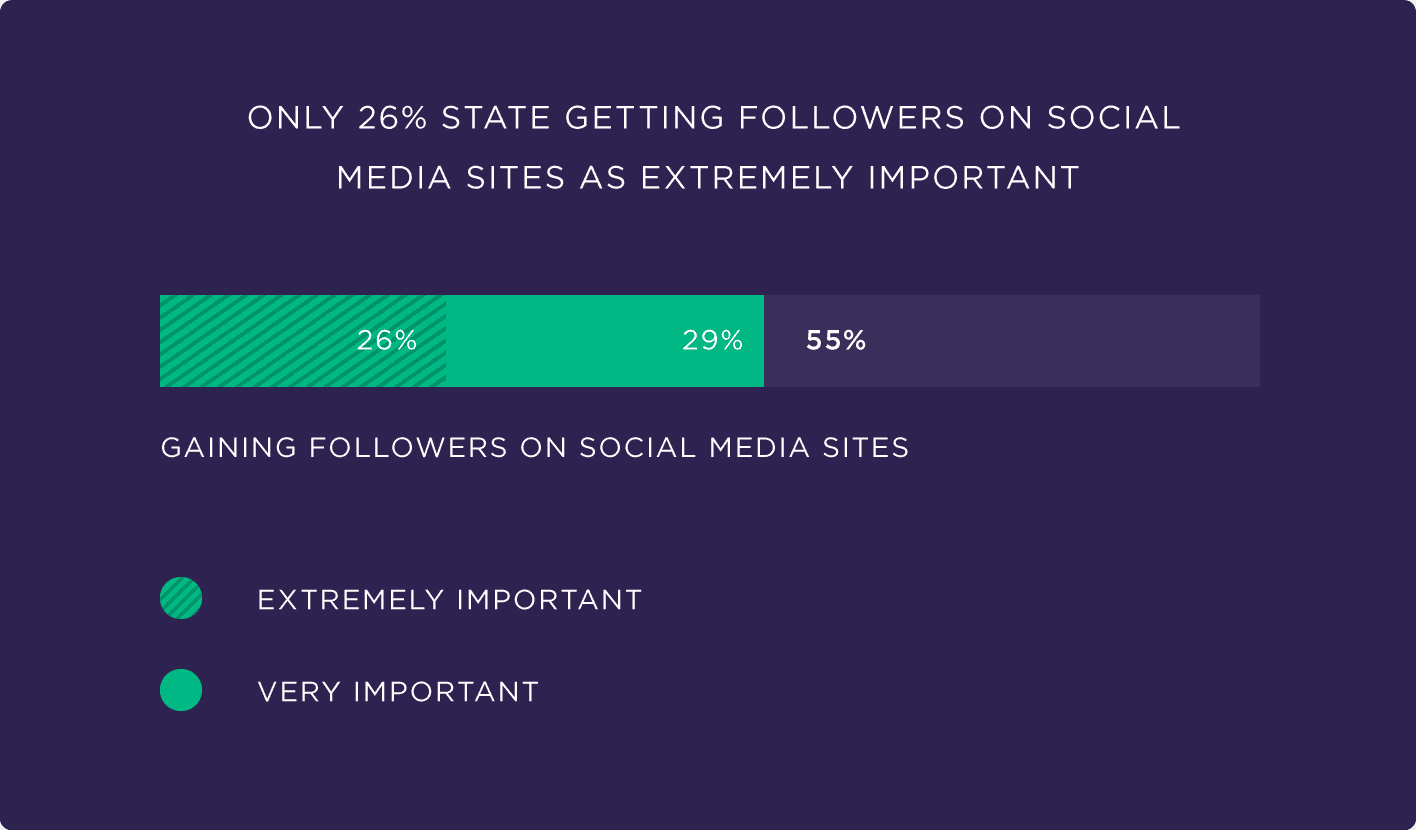
Interestingly, many agencies focus heavily on "vanity metrics" like social media followers, yet only 26% of clients view these as highly important. This misalignment in priorities is a primary cause of early-stage friction in the client-provider relationship.

The ROI Factor: Is SEO Worth the Investment?
Despite the low satisfaction scores across the industry, SEO remains one of the highest-return marketing channels. Estimates place the average ROI at roughly 22:1, meaning for every $1 invested, businesses see $22 in return.
However, this ROI is highly dependent on industry vertical. High-ticket B2B sectors, such as Industrial IoT and Medical Devices, report ROI figures exceeding 800%, while e-commerce sectors hover closer to 300%. The integration of AI has further improved these figures, with 68% of respondents noting an increase in ROI since implementing AI tools in their workflows.
The Trust Crisis: Why NPS Scores Are at Zero
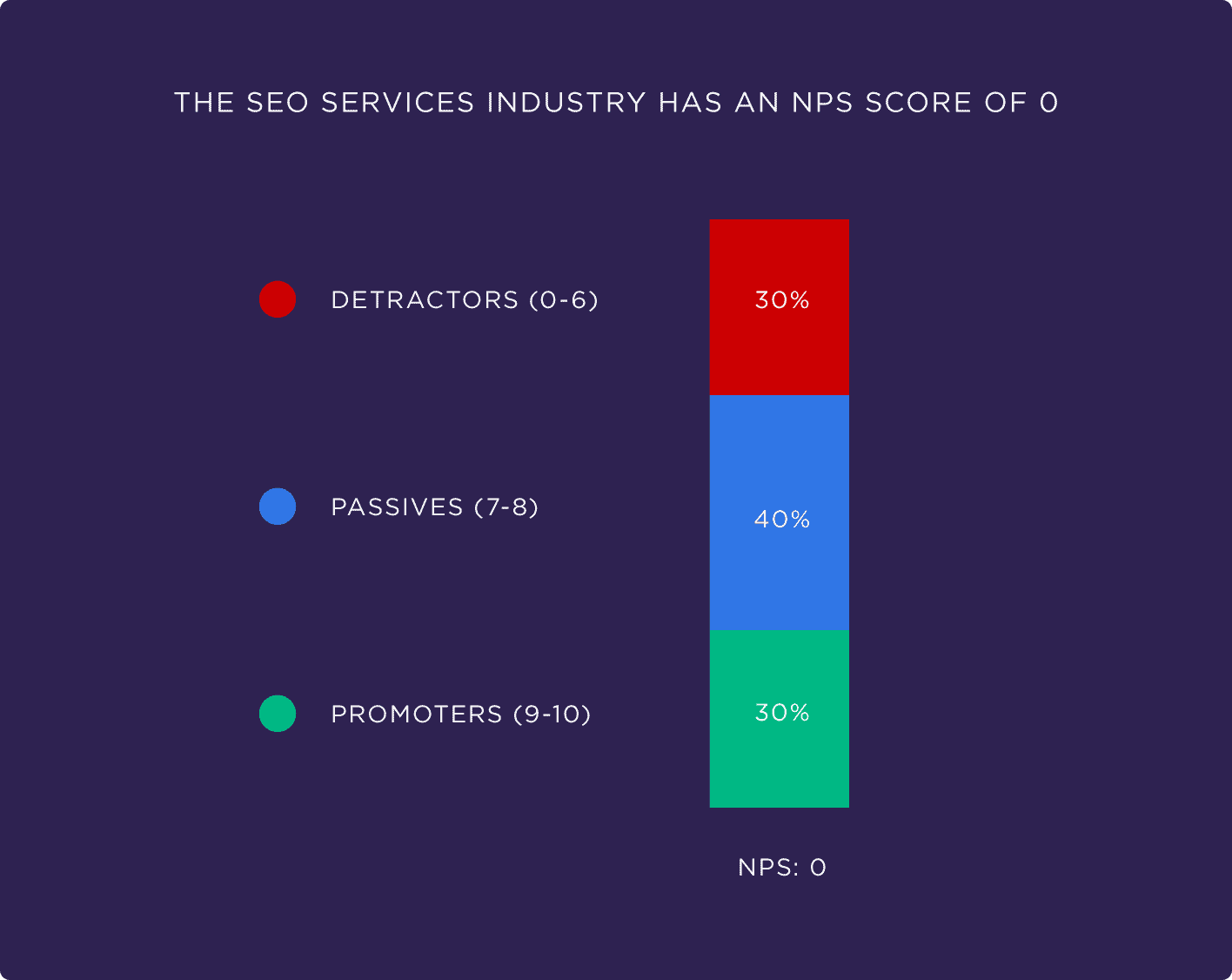
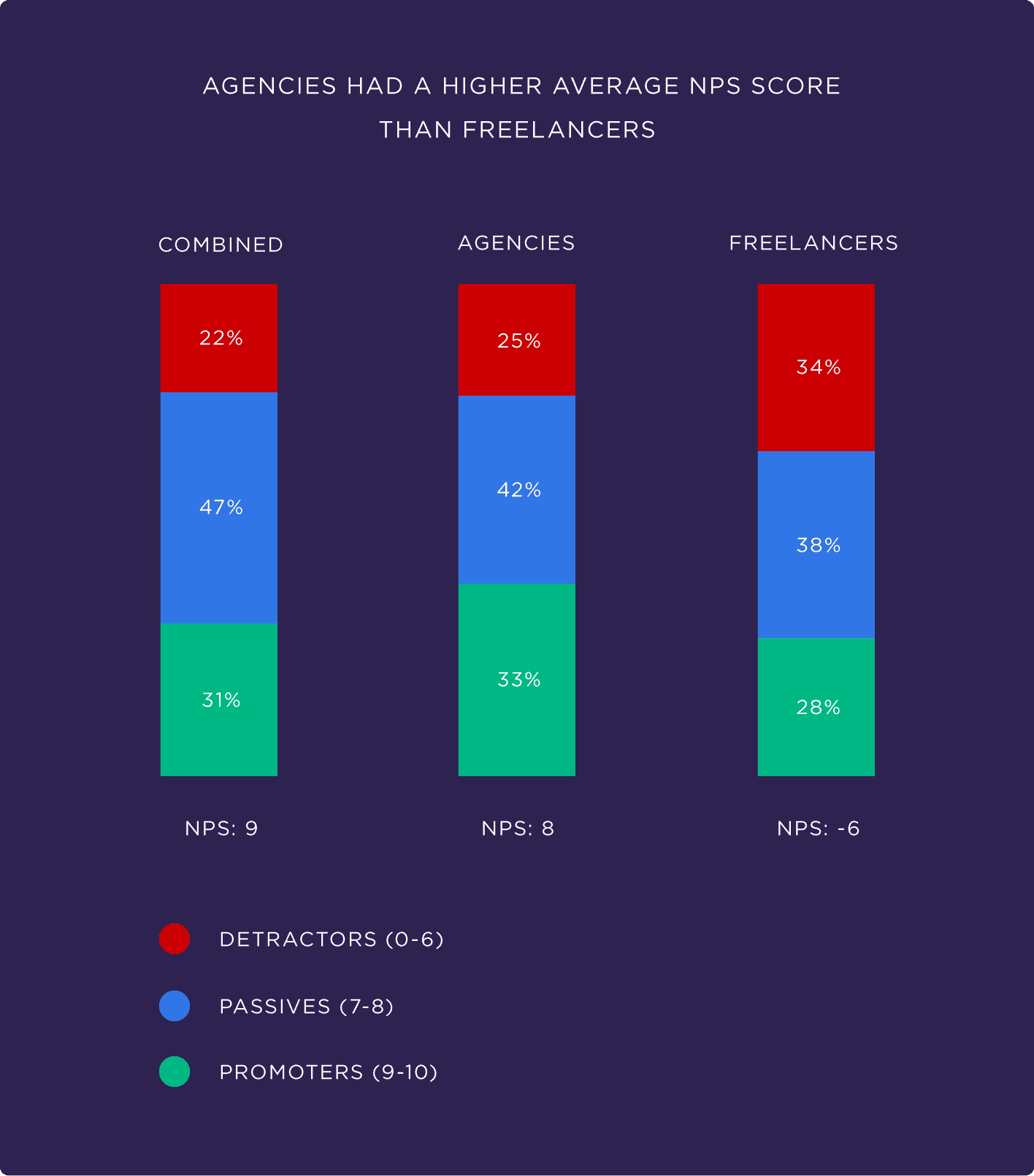
The most damning statistic in our study is the industry’s Net Promoter Score (NPS) of 0. In the world of business consulting, an NPS of 0 is a red flag, indicating that the industry is essentially "not likely to recommend."

Identifying the "Detractors"
Thirty percent of respondents are classified as "detractors," meaning they would actively warn others against their current provider. When digging into the "why," three distinct themes emerge:
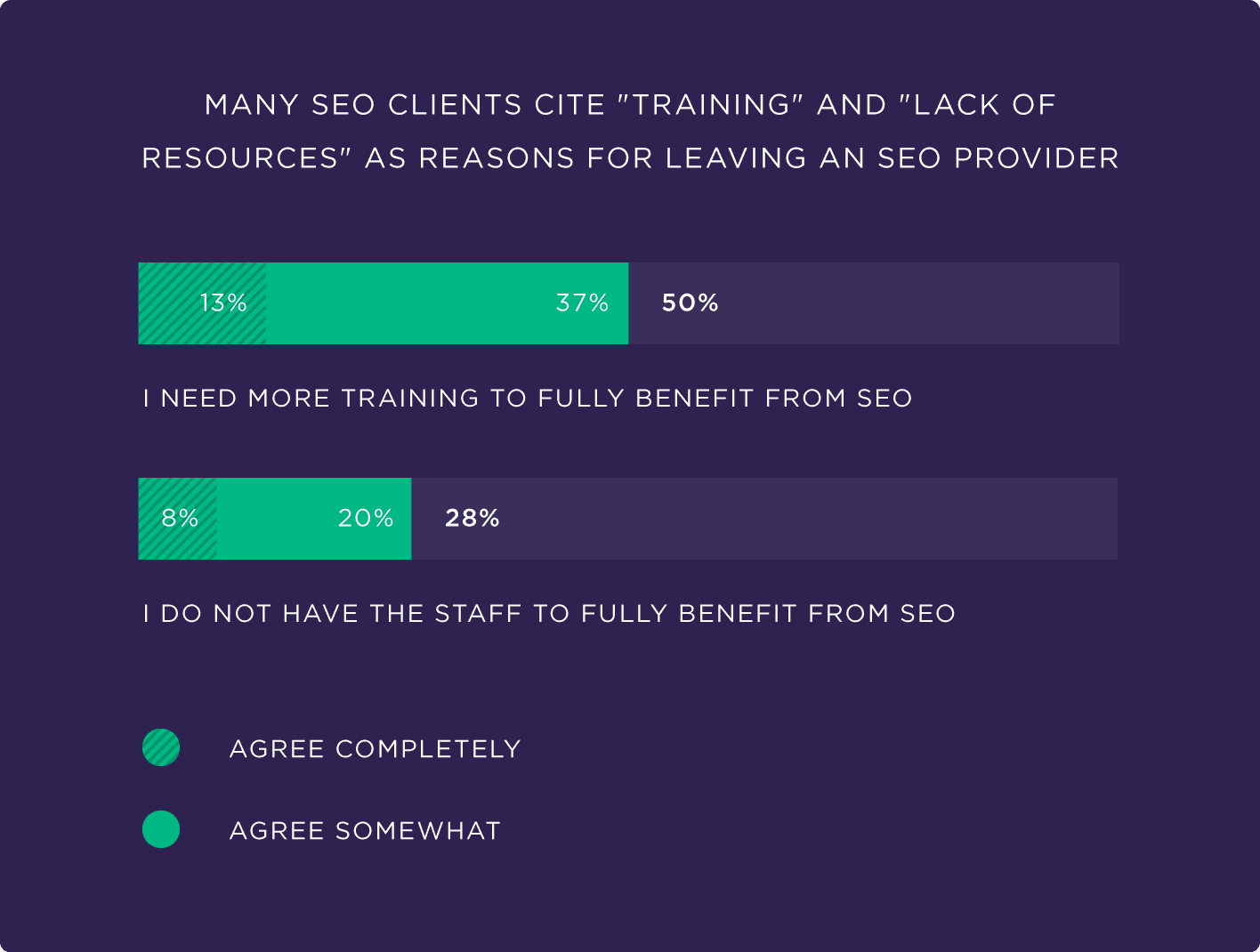
- The "Self-Blame" Phenomenon: 50% of clients feel they lack the internal training to understand what they are paying for, and 28% lack the staff resources to implement the changes recommended by their SEO agency.
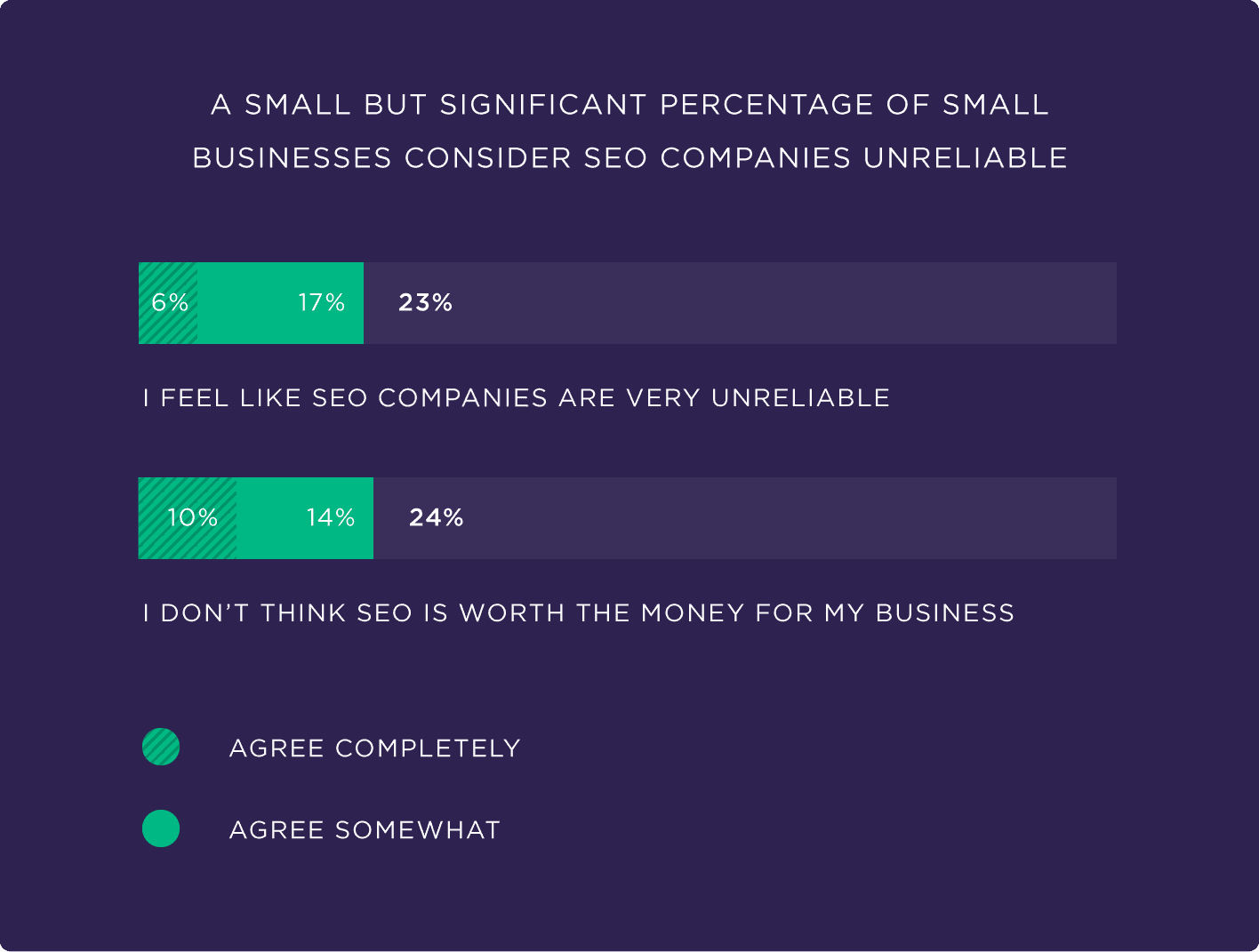
- The Transparency Deficit: 27% find SEO confusing, and 25% are unsure what services their retainer actually covers.
- The Knowledge Gap: Existing clients are twice as likely to consider themselves "extremely web savvy" compared to lapsed clients. This suggests that the less a client understands the technical nature of SEO, the more likely they are to perceive a lack of value.
High Turnover and the "Rapid Switcher" Syndrome
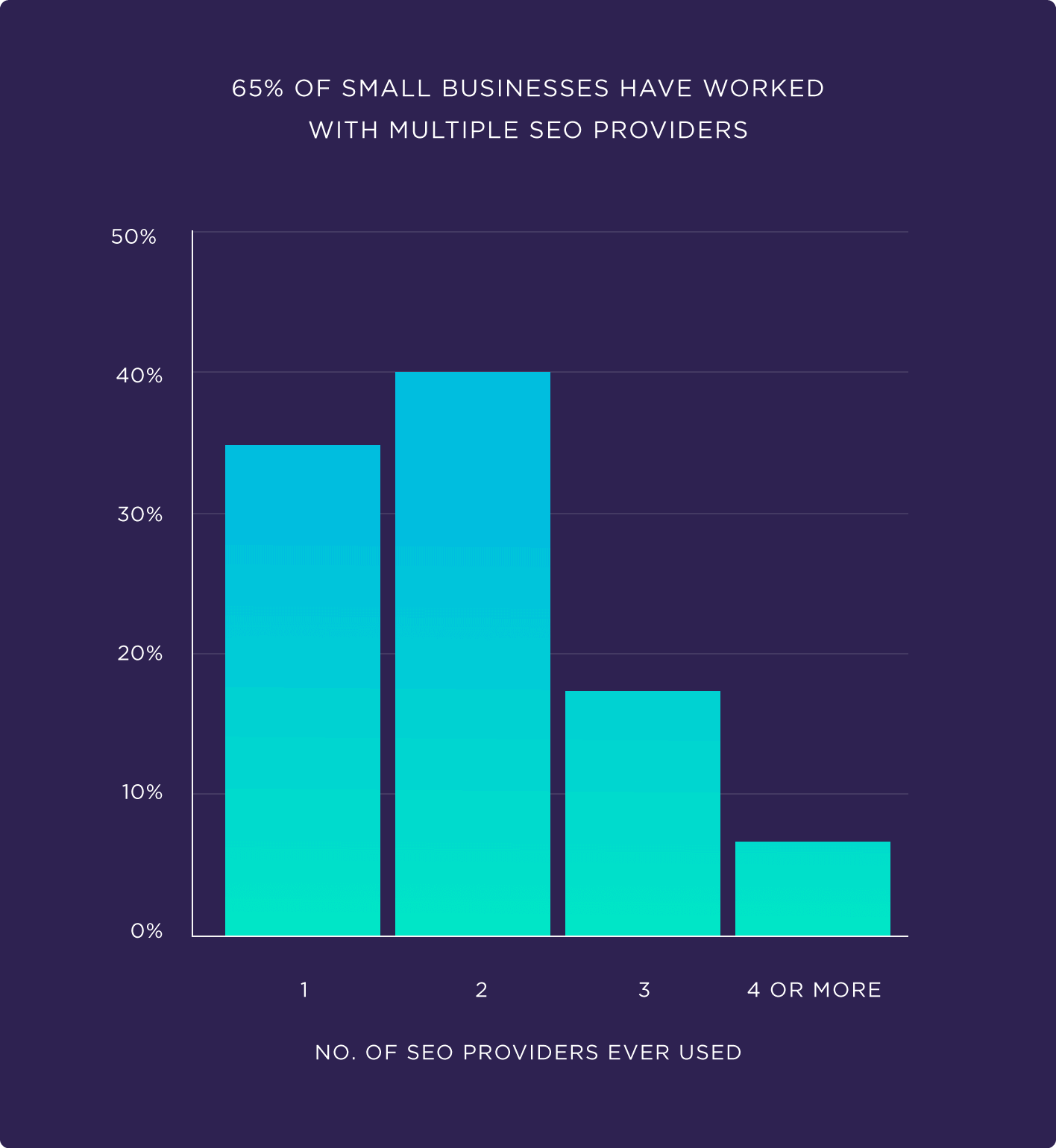
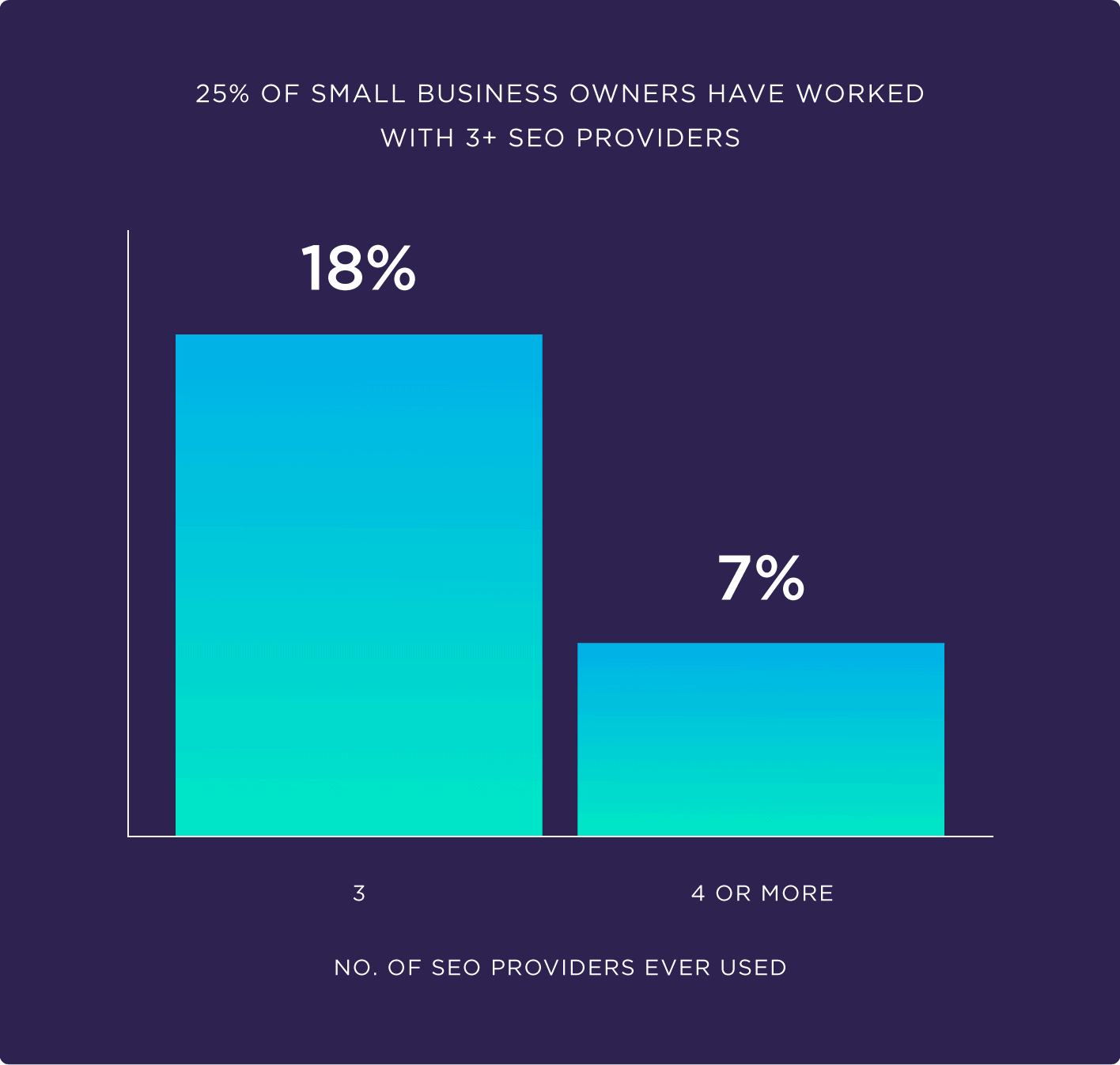
The industry is characterized by high volatility. 65% of small business owners have worked with multiple SEO providers, and 25% have cycled through three or more.
We identified a sub-segment of "Rapid Switchers"—10% of our panel who have hired and fired three or more providers in a single year. These clients often leave due to a toxic combination of high expectations and low patience. With 82% of lapsed clients citing "dissatisfaction with business results" and 81% citing "cost," it is clear that if a provider cannot demonstrate clear, ROI-positive outcomes within the first 6–12 months, the client relationship is at severe risk.
Implications: Moving Forward
The data paints a clear picture for the future of the SEO industry. To thrive in this high-turnover environment, providers must pivot their strategy in three key ways:

1. Prioritize Education as a Service
Providers must stop treating SEO as a "black box." By educating clients on the technical requirements—and the time required for results—agencies can reduce the "churn" caused by unrealistic expectations. If a client doesn’t understand why a title tag change matters, it is the provider’s job to explain it in terms of business impact, not code.
2. Radical Transparency in Reporting
The 25% of clients who do not know what they are paying for represent a massive failure in communication. Monthly reporting should move away from raw data dumps and toward clear, goal-oriented summaries that map SEO activity directly to revenue and customer acquisition.
3. The "Location" Signal
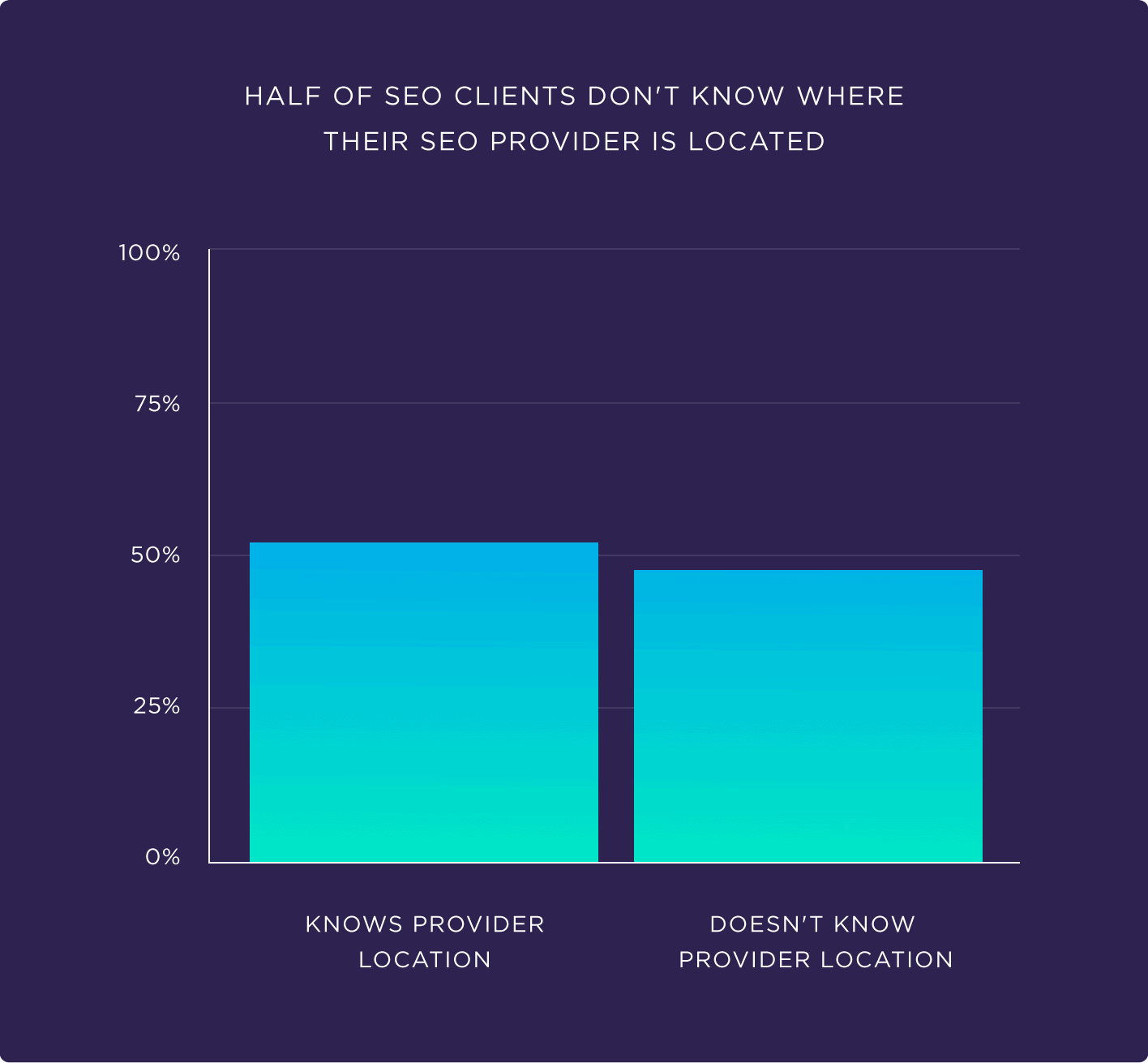
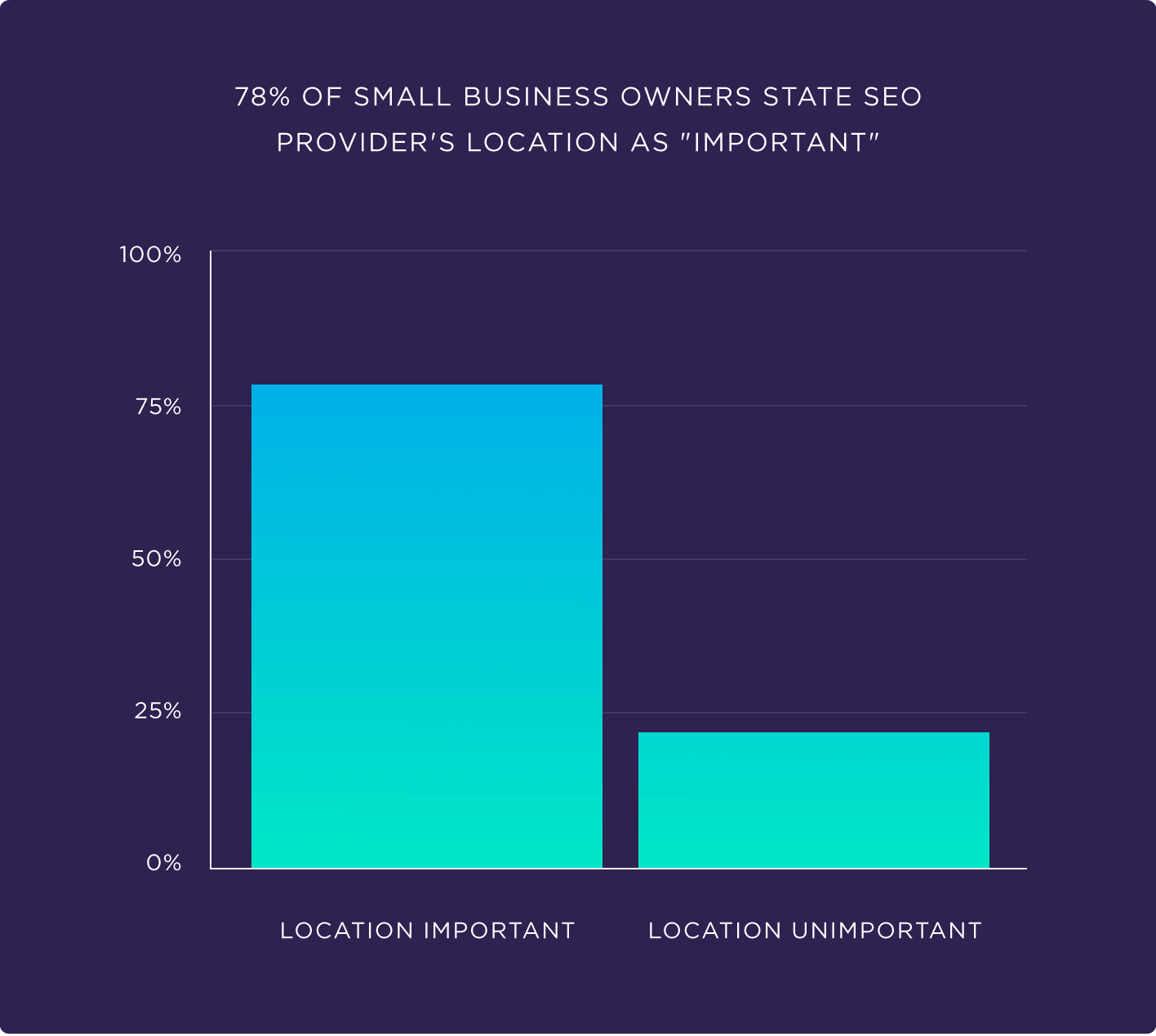
Surprisingly, 78% of US-based businesses consider the physical location of their SEO provider to be "very" or "extremely" important. In a globalized digital world, this preference for local accountability is a powerful differentiator. Agencies that highlight their physical offices and local presence are statistically more likely to build the trust necessary for long-term retention.
Conclusion
The SEO industry is currently at a crossroads. While the demand for services is at an all-time high, the industry’s reputation is struggling under the weight of poor communication, high turnover, and misaligned expectations. Providers who can move beyond simple rankings and demonstrate deep, ROI-focused partnership—while educating their clients along the way—will not only survive this churn but will become the trusted partners that businesses are so desperately seeking.