In the rapidly evolving landscape of digital publishing, the "traffic-first" model that defined the last decade of blogging is undergoing a violent correction. With the advent of Google’s Helpful Content Update (HCU) and the integration of AI Overviews, many creators have seen their organic reach evaporate overnight. However, for Nina Clapperton, founder of She Knows SEO, this shift has not been an end, but a catalyst.
In a recent episode of the Niche Pursuits podcast, Clapperton detailed how she navigated these industry headwinds to scale her content business to consistent $150,000-per-month revenue months. Her strategy offers a blueprint for survival: moving away from the "anonymous publisher" model toward a community-centric, multi-platform brand.
The Evolution of a Digital Empire: A Chronology
Nina Clapperton is no stranger to the Niche Pursuits audience. Having first appeared on the show in 2022, her trajectory has been marked by aggressive experimentation and a willingness to pivot.
- 2022: Clapperton establishes herself as a voice in the SEO space, focusing on niche sites and travel content.
- Post-2022: As the content industry began to shift, Clapperton moved beyond standard display-ad-reliant blogging. She began layering in digital products, community-led growth, and email marketing.
- The HCU Period: While many publishers saw their traffic collapse during recent Google algorithm updates, Clapperton’s flagship travel site remained resilient. She attributes this to a "first-hand experience" strategy, where every piece of content is rooted in verified personal authority rather than generic information synthesis.
- 2024: Clapperton hits multiple $100,000 months, culminating in a record $150,000 revenue month, proving that the death of "easy" SEO traffic does not equate to the death of the creator economy.
Supporting Data: Why Traffic is a Vanity Metric
A recurring theme in the discussion was the danger of fixating on pageviews. Clapperton argues that for most publishers, the obsession with "traffic-first" growth is a tactical error.
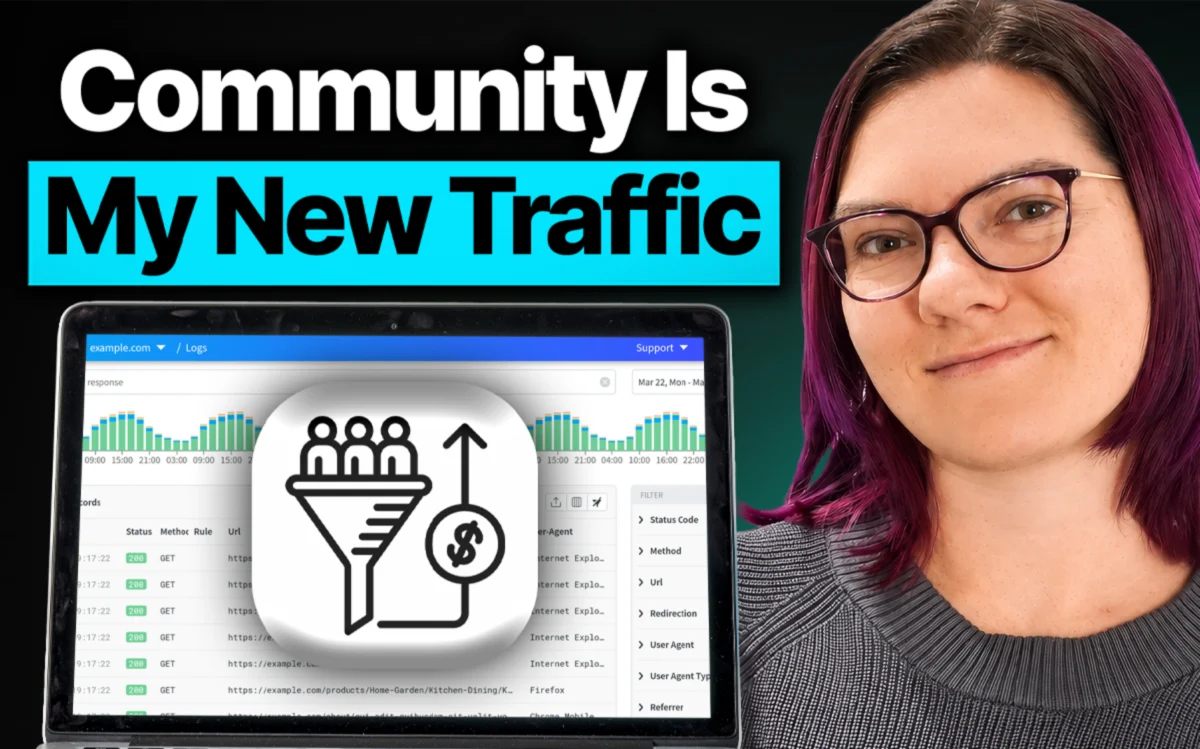
"Pageviews do not pay the bills; money does," Clapperton stated. Her business model prioritizes the customer journey over the visitor count. By analyzing internal metrics—such as email open rates, community engagement, and conversion paths—she has moved her business away from the volatility of ad networks.
The Impact of Quality vs. Quantity
The necessity of content quality was underscored by a sobering case study from her own portfolio. Clapperton managed a pet-niche site where the majority of the content was outsourced. When the HCU hit, the site suffered significantly, with the only surviving posts being those she had written herself.
Conversely, she shared a cautionary tale regarding a travel site that plummeted from 180,000 to 50,000 pageviews after she experimented with spammy backlinks. The drop, which occurred outside of a major Google update, served as a clear indicator that search engines are increasingly sophisticated at identifying manipulated authority.
Official Strategy: Reframing the Content Funnel
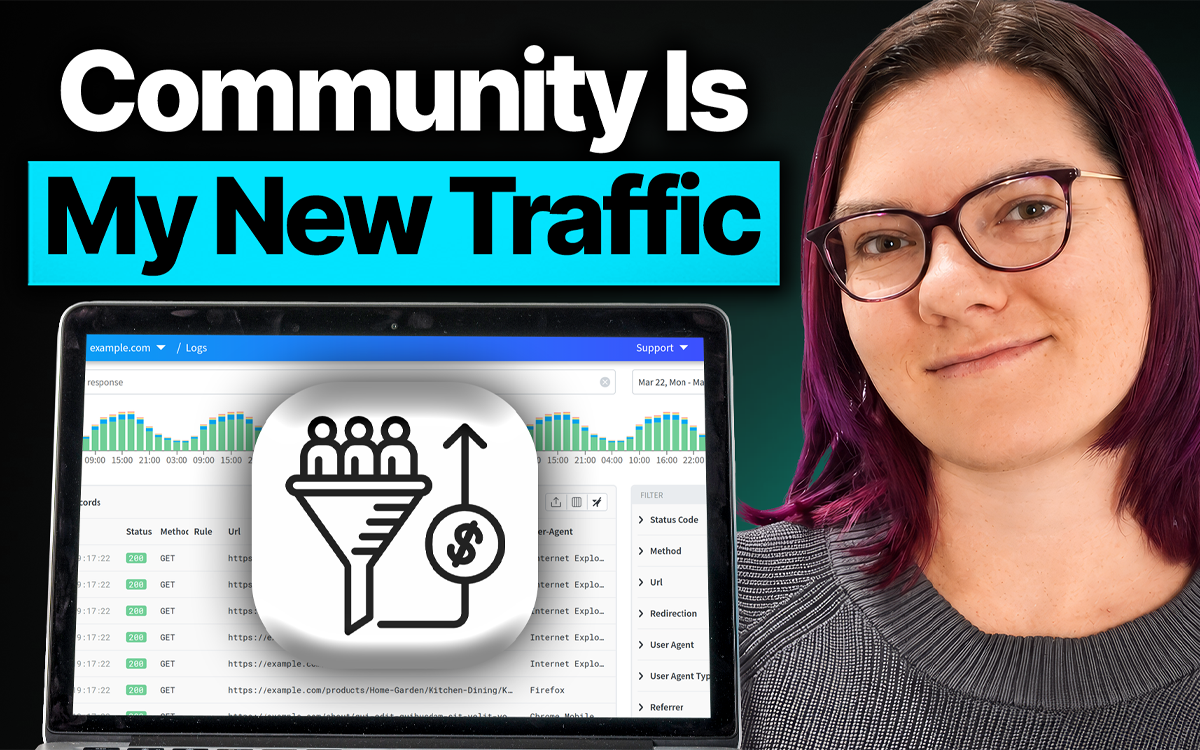
Clapperton’s approach to content is architectural. She treats her website not as a newsstand, but as a sales funnel. Each article is mapped to a specific intent, ensuring that the visitor is never left at a "dead end."
The "Silo" Methodology
Rather than publishing standalone articles, Clapperton builds content clusters. A typical cluster or "silo" includes:
- Foundational Pillar Content: High-level, broad-interest articles.
- Supportive Sub-topics: Niche-specific articles that answer follow-up questions.
- The "Bridge": A clear, intentional CTA (Call to Action) that moves the reader toward an email list, a product, or an affiliate offer.
Her planning process is granular. Before a single word is written, she defines the "next step" for the reader. She suggests that a robust silo should contain at least 20 posts, while a standard topic cluster should hold at least 10. This structural rigor ensures that her site provides a comprehensive experience, which signals authority to both readers and search engines.
Implications for the Modern Publisher
The transition from a "blogger" to a "business owner" requires a shift in mindset that many find uncomfortable. Clapperton notes that many creators fail because they are "selling, but hiding the offer."
The Visibility Gap
During the interview, Clapperton pointed out that many students in her orbit have products, courses, or affiliate partnerships, but their websites lack the basic infrastructure to support those sales. There are no clear menu links, no dedicated shop pages, and no strategic internal linking to guide the user. She advises creators to be "shameless" in their offers, noting that repetition is a necessity; a customer may need to encounter a product multiple times across different touchpoints before they feel comfortable making a purchase.
Audience-First vs. Demographic-First
Clapperton warns against defining an audience by broad, useless metrics like "women aged 25-45." Instead, she constructs a persona around a specific person. She identifies their precise pain points and builds her entire ecosystem—from TikTok videos to Facebook groups—around solving those specific struggles. Her rule of thumb is simple: if a question appears in her community more than three times, it is officially slated to become a blog post.
Leveraging AI for Human-Centric Growth
Perhaps the most counterintuitive part of Clapperton’s strategy is her use of Artificial Intelligence. While many fear AI will replace the creator, Clapperton uses it to "make space for the human."
By offloading formatting, data organization, and repetitive tasks to AI agents, she preserves her energy for the work that AI cannot replicate: storytelling, case studies, and deep community interaction. She operates her business on a lean 5-to-10-hour work week, proving that efficiency is the antidote to burnout in an era of 24/7 content production.
The Future: Brand as a Moat
The final, and perhaps most important, takeaway from the discussion is the rise of the "Personal Brand." In a digital landscape flooded with generic, AI-generated content, users are increasingly turning toward personalities they trust.
"Nameless, faceless brands will have a harder time going forward," Clapperton explained. By diversifying her presence across TikTok, YouTube, Facebook, and email, she has built a "moat" around her business. Even if Google’s algorithm changes tomorrow, her audience—the people who know her name, trust her advice, and engage in her community—remains.
Key Strategic Pillars:
- Diversification: Do not rely on one traffic source.
- Community Integration: Build a space where the audience can talk back.
- Intentionality: Every piece of content must have a business objective.
- Data-Driven Testing: Treat failed experiments as data points, not disasters.
The age of the "traffic-first" blogger may be coming to a close, but the age of the "content entrepreneur" is just beginning. As Nina Clapperton’s results demonstrate, those who are willing to pivot from passive ad revenue to active relationship-building will find that there is not only life after the HCU—there is the potential for significant, sustainable, and scalable success.