As the retail landscape heads deeper into the fourth quarter of 2026, e-commerce content marketers face both exceptional opportunities and unique structural challenges. Effective content marketing remains built upon the foundational principle of reciprocity: a merchant provides shoppers with something genuinely useful, informative, or entertaining before ever asking for their attention, trust, or hard-earned capital.
For October 2026, digital strategists have a rich calendar of cultural milestones, seasonal changes, and emerging technological debates to draw from. Whether capitalizing on a literary centennial, leaning into user-generated trust, or piggybacking on fast-moving breaking news, the path forward requires creativity and strategic precision.
Below is an in-depth exploration of five essential content marketing concepts tailored for e-commerce brands looking to maximize engagement, brand loyalty, and conversions this October.
1. Main Facts: The 2026 October Content Landscape
The core premise of October’s content strategy centers on distinguishing genuine human engagement from the vast sea of synthetic, AI-generated noise. With generative AI tools making polished text, images, and videos cheap and abundant, consumers are increasingly fatigued by artificial perfection. To cut through this digital clutter, e-commerce brands must pivot toward authenticity, historical legacy, and timely cultural touchstones.
The five primary pillars defining the October 2026 content calendar include:
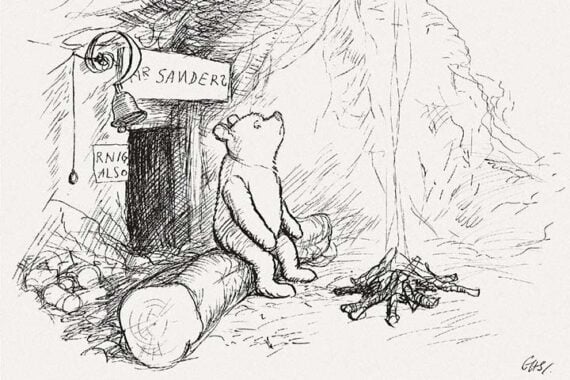
- The Winnie-the-Pooh Centennial: Marking 100 years since A.A. Milne’s beloved bear first appeared in print, opening broad avenues for storytelling around childhood, nostalgia, and nature.
- Halloween User-Generated Content (UGC): Capitalizing on a massive seasonal retail market while proving real-human product adoption through customer photos and videos.
- AI vs. Expert Demonstrations: Contrasting automated advice with real-world human expertise to build authority during the busy seasonal transition.
- American Archives Month: Leveraging company histories, vintage catalogs, and product evolution to establish legacy and trust.
- Real-Time News Hooks: Capitalizing on fast-moving cultural and celebrity developments to tie trending topics back to niche product lines.
2. Chronology: Key Dates and Milestones for October Campaigns
To execute these campaigns successfully, content marketers must map their production and publishing schedules around specific dates and recurring monthly observances. A structured timeline ensures that promotional materials drop when audience interest is at its peak.
- Year-Round / Early Preparation (Leading into October): Brands monitor developing technology debates, such as high-profile statements on artificial intelligence by public figures like Elon Musk, preparing modular content templates that can be deployed at a moment’s notice.
- October 1–31 (American Archives Month): Throughout the month, heritage and emerging brands alike roll out retrospective content, highlighting how their product categories—from cast-iron skillets to apparel—have evolved over decades.
- October 1–31 (Seasonal Chores & Preparation): As temperatures drop, brands invite human experts to test and correct AI-generated guides on winterizing homes, tuning up vehicles, and storing summer gear.
- October 1–31 (Halloween UGC Drives): E-commerce shops launch submission portals and social media campaigns, gathering customer photos of costumes, decorations, spooky recipes, and dressed-up pets.
- October 14, 1926 – October 14, 2026 (Winnie-the-Pooh Centennial): The exact 100-year anniversary of the publication of A.A. Milne’s masterwork. Publishers release commemorative editions, while cross-market retailers launch campaigns celebrating friendship, literature, and the Hundred Acre Wood.
- October 31 (Halloween): The culmination of the spooky season, closing out user-generated content contests and transitioning digital storefronts toward late-autumn and early-holiday preparations.
3. Supporting Data: Market Sizes, Consumer Behavior, and Platform Shifts
Data from late 2026 underscores why these specific content strategies are vital for modern retail success. Consumer skepticism toward synthetic media is reshaping platform algorithms and buyer expectations alike.
The Financial Scale of Halloween
The American Halloween market represents a massive commercial opportunity, valued at over $13 billion in the United States. While candy and costumes capture the lion’s share of spending, decorations, festive entertainment, and the rapidly expanding pet-costume segment account for billions more. This economic weight makes Halloween a prime vehicle for immersive, community-driven content.
The Rise of AI Transparency and UGC
Generative AI has democratized content creation, but it has also triggered a regulatory and platform-level backlash regarding authenticity. Major digital ecosystems have instituted strict labeling requirements to help users distinguish between synthetic media and real human creation:
- Pinterest: Actively labels AI-generated images and provides users with controls to filter out synthetic content in designated categories.
- TikTok and Meta (Facebook/Instagram): Have implemented comprehensive transparency protocols and industry standards to automatically identify, label, and flag AI-generated material and manipulated media.
This structural shift elevates user-generated content from a nice-to-have marketing tactic to an essential trust signal. Customer photographs, unedited videos, and authentic reviews provide undeniable proof of product satisfaction that synthetic content simply cannot replicate.
4. Official Responses and Industry Reactions
As digital marketing professionals navigate the intersection of automation, authenticity, and cultural history, industry leaders and regulatory bodies have weighed in on the changing nature of content.
Platform policies reflect a growing consumer demand for verified human experiences. Representatives from major social networks emphasize that transparency is no longer optional. "Users want to know that what they are engaging with is grounded in reality," notes digital media analysts tracking the rollout of automated content labels across Meta and TikTok. By explicitly tagging AI media, platforms are forcing brands to rely on genuine human advocacy—such as customer reviews and creator partnerships—to drive true conversions.

Concurrently, literary and cultural institutions have embraced the Winnie-the-Pooh centennial as a unifying moment across disparate industries. Rather than remaining restricted to traditional publishing houses, the milestone has prompted museums, toy manufacturers, food brands (particularly honey producers), and lifestyle retailers to reflect on the enduring power of simple, timeless storytelling.
In the realm of tech commentary, high-profile public statements continue to serve as catalysts for creative content marketing. For instance, public forecasts regarding the near-future supremacy of artificial intelligence—such as remarks by tech leaders on X predicting that AI will soon handle all digital tasks at a superhuman level—have spurred niche retailers to look backward to science fiction literature. Brands are increasingly using these high-level cultural debates to spark philosophical and entertaining discussions about how classic literature foresaw modern technological realities.
5. Implications for E-Commerce Content Marketers
Translating these trends into actionable strategies requires e-commerce marketers to examine their workflows, resource allocation, and overall brand messaging. The implications of the October 2026 content landscape can be broken down across the five core campaign areas:
Capitalizing on the Pooh Centennial (October 14)
While booksellers and toy shops have an obvious connection to A.A. Milne’s centenary, inventive merchants across other sectors can easily find a hook.

- Apparel and Home Goods: Can launch capsule collections themed around comfort, nature, or vintage illustration styles.
- Food and Beverage: Merchants specializing in honey, artisanal teas, or cozy baking supplies can tie their product narratives directly to the gentle, wholesome ethos of the Hundred Acre Wood.
- Content Angle: Frame articles and social posts around the themes of lifelong friendship, the joy of reading to children, and the simple comforts of autumn.
Harnessing Halloween User-Generated Content
To combat AI fatigue, turn your customer base into your creative agency. Ask shoppers to submit photos and videos featuring your products in action during the Halloween season.
- Kitchen Merchants: Collect and publish user submissions of spooky, creative cakes, cookies, and themed party dishes.
- Apparel Retailers: Showcase customer-created costumes built using foundational clothing pieces purchased from your store.
- Pet Supply Shops: Invite shoppers to share images of their pets dressed in Halloween costumes—embracing both cooperative dogs and famously uncooperative small animals.
- Distribution: Turn the best submissions into engaging email newsletters, shoppable product-page galleries, social media spotlights, or structured Halloween contests.
Executing the "AI vs. Expert" Challenge
Rather than viewing generative AI as a replacement for human content creators, use it as a foil.
- The Methodology: Ask AI assistants (such as ChatGPT, Claude, or Gemini) for step-by-step instructions on how to accomplish a complex seasonal task related to your product catalog (e.g., winterizing an older vehicle, sealing home windows against drafts, or maintaining summer gardening equipment).
- The Human Touch: Have a trusted human subject-matter expert review the AI’s output, publicly correct its errors, highlight dangerous omissions, and demonstrate a superior, professional approach.
- The Result: Highly authoritative, transparent, and educational content that proves your brand values genuine expertise over automated shortcuts.
Mining the Company Archives
In honor of American Archives Month, brands should dig into their corporate closets. Old catalogs, vintage product packaging, early advertisements, retired product iterations, and historical newsletters are goldmines for retrospective content.
- Long-Standing Retailers: Can map out side-by-side comparisons of how style trends or equipment durability have evolved over the past 10, 20, or 50 years.
- Newer Companies: Can curate an industry-focused archive, exploring the historical evolution of the core products they sell (such as tracing the centuries-long design evolution of cast-iron cookware).
- Format: These retrospectives translate exceptionally well into long-form blog articles, multi-part video documentaries, and nostalgia-driven social media carousels.
Mastering the Real-Time News Hook
Agility is the ultimate competitive advantage in content marketing. While e-commerce marketers cannot predict exact breaking news headlines for October, they can build monitoring systems to track industry news, cultural debates, and public figures relevant to their core demographics.
- The Execution: When a major cultural conversation breaks—such as tech discussions surrounding artificial intelligence capabilities or viral entertainment moments—content teams must move rapidly.
- The Connection: Bridge the gap between the breaking news story and your specific product offerings, much like niche apparel sites tying futuristic AI debates back to classic science-fiction literature.
Conclusion
October 2026 offers e-commerce content marketers a masterclass in balancing technological efficiency with human authenticity. By refusing to rely solely on synthetic shortcuts and instead leaning into user-generated trust, historical archives, expert validations, cultural centennials, and agile news-jacking, brands can build deeper, more reciprocal relationships with their audiences.
The successful merchant of this October will not simply broadcast promotional messaging; they will invite customers into a shared cultural narrative—educating, entertaining, and earning trust long before the final checkout click.