The Digital Lifeline: How Global Giants and UK Brands Championed Accessibility During the COVID-19 Pandemic
LONDON — When the COVID-19 global health crisis forced societies into unprecedented lockdowns in early 2020, modern life migrated online virtually overnight. For millions of people, digital platforms transformed from convenient tools into absolute lifelines. Essential activities—ranging from grocery shopping and banking to remote employment and medical consultations—suddenly became entirely dependent on web browsers and mobile applications.
Yet, for an estimated 20% of the global population living with a disability, this abrupt digital shift threatened to slam doors shut. Poorly designed websites, inaccessible video conferencing software, and overlooked digital workflows risked exacerbating isolation and exclusion precisely when connectivity mattered most.
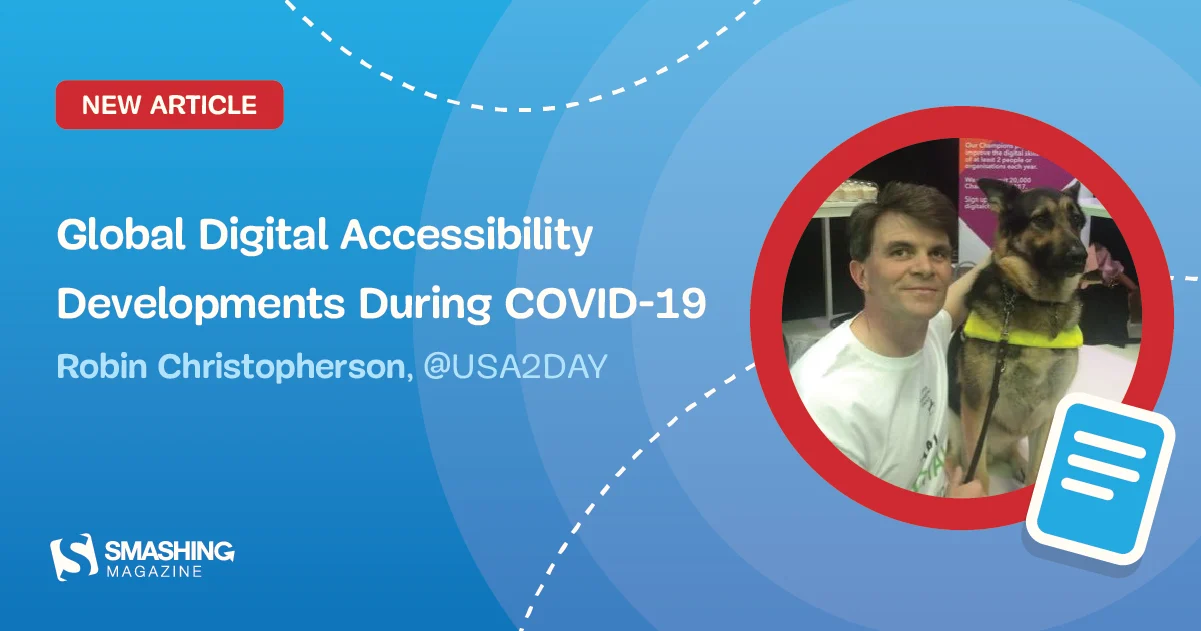
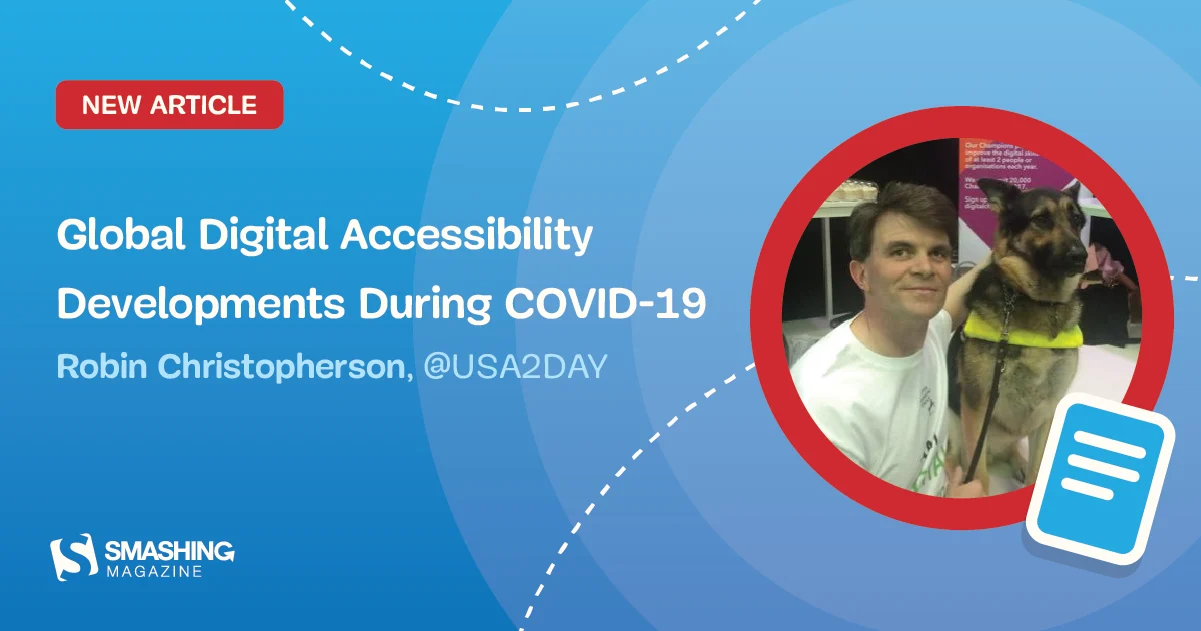
To explore how the world’s leading organizations navigated this unprecedented test, Robin Christopherson MBE, Head of Digital Inclusion at UK-based tech charity AbilityNet, hosted a high-profile monthly webinar series. Bringing together senior accessibility leaders from international powerhouses like Microsoft and Atos, alongside major UK institutions including Barclays and Sainsbury’s, the conversations dissected the immense challenges, agile adjustments, and long-term opportunities brought on by the pandemic.
Main Facts: The Pandemic as a Catalyst for Digital Inclusion
The core finding of Christopherson’s expert series is clear: while the COVID-19 pandemic introduced profound operational disruptions, it simultaneously thrust digital accessibility into the corporate mainstream. Rather than viewing accessibility as an optional "nice-to-have" or a compliance box to tick, forward-thinking enterprises discovered that embedding inclusive design from the ground up was vital to organizational resilience.
Surging Demand: Customer support desks specialized in disability services experienced overnight volume spikes of 200% to 300% as locked-down consumers grappled with remote digital interfaces.
The Power of Lived Experience: Organizations with C-suite accessibility leaders who possessed firsthand experience of disability proved significantly more agile in identifying and addressing blind spots.
Innovation Through Inclusion: Features originally engineered to assist users with specific impairments—such as automated captions, hand-raise icons, and flexible font-scaling—ultimately delivered massive usability benefits for the wider workforce and general public.
Chronology: The Evolution of Corporate Accessibility Under Lockdown
Phase 1: The Immediate Shock and Remote Transition (March – May 2020)
As national lockdowns took effect, businesses scrambled to transition office-based workforces to remote environments. The sudden absence of physical workplaces exposed critical vulnerabilities. Disabled employees working from home could no longer rely on immediate, ad-hoc physical assistance from colleagues or on-site accessibility equipment.
Concurrently, mainstream customer service channels were flooded. Financial institutions and supermarkets faced unprecedented surges in digital traffic as elderly, disabled, and clinically vulnerable populations were forced to shield at home.
Phase 2: Scaling Support and Deploying Agile Adjustments (Summer – Fall 2020)
Recognizing the widening digital divide, major enterprises moved quickly to scale alternative support mechanisms.
Barclays proactively reached out to vulnerable customers, fast-tracking phone-banking queues for disabled individuals and deploying innovative solutions like contactless top-up wearables and doorstep cash delivery services.
Microsoft leveraged its robust, pre-existing accessibility foundations to rapidly deploy AI-powered captions and enhanced navigation features across Microsoft Teams, accommodating millions of new remote workers.
Sainsbury’s experienced a significant rise in user preference metrics, noting that up to 30% of its iOS shopping application sessions actively utilized larger font-scaling tools during the height of the spring lockdown.
Phase 3: Institutionalizing Long-Term Inclusion and Workforce Empowerment (2021 and Beyond)
As remote and hybrid working models solidified into permanent fixtures of the modern economy, companies shifted focus toward systemic education and training. Cross-industry consortiums—including AbilityNet, Atos, Shell, and Barclays—collaborated to establish standardized professional pathways, such as Level 4 accessibility specialist apprenticeships, aiming to bridge a critical skills gap in the global tech marketplace.
Supporting Data and Insights from Industry Leaders
The webinar series captured valuable qualitative and quantitative data from prominent accessibility executives across four major sectors.
Microsoft: Scaling Collaboration Infrastructure
Jenny Lay-Flurrie, Chief Accessibility Officer (CAO) at Microsoft and a prominent advocate with lived experience of deafness, noted the profound test the pandemic presented. Prior to COVID-19, Lay-Flurrie worked closely alongside an on-site American Sign Language (Sign Language) interpreter; lockdown instantly forced a remote operational model.
"It’s never been more important to think about accessibility during these times," Lay-Flurrie stated. "While accessibility has clearly been a priority for Microsoft… the limelight the pandemic has put on the need for access has been pretty humbling and one hell of a learning journey."
Microsoft’s dedicated Disability Answer Desk saw customer inquiries double overnight, maintaining a sustained volume at 200% to 300% above historical baselines. Lay-Flurrie emphasized that Microsoft’s 20-year journey toward embedding inclusive design into its core products meant the company did not need to scramble to retrofit accessibility when demand peaked.
Furthermore, tools developed for inclusion yielded unexpected benefits for neurodiverse users. The "hand raise" icon in Microsoft Teams—originally designed to help users dealing with anxiety or cognitive impairments find an appropriate moment to interject—became an indispensable collaboration tool for the global workforce.
Barclays: Personalization and Vulnerable Customer Support
Paul Smyth MBE, founder and leader of Digital Accessibility at Barclays, underscored that accessible customer service rests on five foundational pillars: flexibility, choice, personalization, responsiveness, and responsibility.
Recognizing that branch usage and cash reliance plummeted during lockdown, Barclays implemented proactive measures for vulnerable customers. Rather than burying disability support lines behind obscure menu prompts, the bank integrated specialist support directly into its primary phone banking channels while granting vulnerable customers and NHS workers priority access.
On the digital front, Barclays experienced a massive surge in mobile cheque imaging and web-portal traffic. To support customers newly forced online, the bank published simplified digital guides while ensuring its core applications retained full AbilityNet accessibility accreditation.
Atos: Addressing Virtual Fatigue and Professionalizing Skills
Neil Milliken, Global Head of Accessibility at Atos and co-founder of AXS Chat, discussed the structural realities of managing a globally dispersed workforce. Because Atos had long embraced flexible working policies, the company possessed the necessary technological infrastructure and organizational trust to weather the transition. However, Milliken issued warnings regarding digital exhaustion.
"I think there is a real Zoom fatigue," Milliken noted. "As a very visual person, that lag between what is being said and the microsecond delay actually puts a fair amount of strain on you… certainly among the dyslexic and neurodiverse community."
To address systemic shortages in accessible design expertise, Atos partnered with organizations like the International Association of Accessibility Professionals (IAAP) and AbilityNet to spearhead strategic leadership certifications and vocational apprenticeships, creating sustainable talent pipelines from within.
Sainsbury’s: Grassroots Employee Networks
Bryn Anderson, accessibility specialist at Sainsbury’s, highlighted the vital role played by internal employee networks. Operating a workforce of 190,000 employees, Sainsbury’s utilized its internal "Enable Network" to bridge communication between frontline logistics workers, corporate designers, and digital product developers.
"You can talk theoretically about someone with a cognitive impairment or dyslexia," Anderson explained, "but when someone with dyslexia says, ‘I tried to do this on your application, it does not work,’ that is where the education happens."
Anderson also issued a strong caution against automated "silver bullet" accessibility overlays, emphasizing that software alone cannot replace comprehensive manual testing, keyboard navigation audits, and direct engagement with users possessing lived experience of disability.
Official Responses and Best Practices
Drawing from the insights shared by Microsoft, Barclays, Atos, and Sainsbury’s, digital experts have outlined several straightforward, actionable steps that organizations can implement immediately to improve web accessibility and comply with equality legislation:
Test Keyboard-Only Navigation: Disconnect the mouse entirely and attempt to navigate every feature of a website or app using only a keyboard. Ensure that a highly visible focus indicator is present at all times so users always know their location on the page.
Verify Color Contrast: Eliminate low-contrast text that strains the eyes of all users, particularly those with low vision. Tools such as Tanaguru’s Contrast Finder and the Paciello Group’s Contrast Analyser help verify color pairings against official Web Content Accessibility Guidelines (WCAG).
Combine Automated and Manual Audits: Utilize free automated checkers (such as WebAIM’s WAVE tool) to identify technical markup errors early in the development cycle, while recognizing that automated tools must be supplemented by human testing.
Publish a Dedicated Accessibility Statement: Create an easily accessible page detailing the organization’s accessibility commitments, outlining known limitations, and providing a direct, frictionless channel for users to report barriers they encounter.
Prioritize Clear Content and Plain English: Avoid dense industry jargon where possible, break text down using logical headings and bulleted lists, and offer information through multiple formats (such as video, text, or illustrated guides).
Implications: The Post-Pandemic Corporate Landscape
The COVID-19 pandemic permanently altered the relationship between organizations and digital accessibility. The old corporate reflex of viewing accessibility as an afterthought—or attempting to reactively retrofit compliance onto finished products—has proven inadequate, risky, and short-sighted.
As organizations transition permanently toward hybrid working environments and digitally integrated service models, the imperative to amplify diverse voices within the workforce has never been higher. Inclusive digital design is no longer a niche technical concern restricted to specialized engineering teams; it is a fundamental pillar of corporate strategy, brand reputation, and operational excellence.
For businesses uncertain of where their digital properties stand, external audits and strategic roadmaps provided by specialist organizations like AbilityNet offer a clear path forward. Ultimately, the lessons forged during the crucible of the pandemic demonstrate a universal truth: when digital platforms are built to be accessible to the most excluded members of society, they become fundamentally better, smoother, and more intuitive for everyone.