The digital infrastructure underpinning the modern internet—and the vast WordPress ecosystem built upon it—faces an escalating landscape of sophisticated cyber threats. From sprawling phishing campaigns andcredential-harvesting operations to malicious "fake shops" siphoning consumer trust, the challenges confronting web hosts have outgrown individual defense strategies.
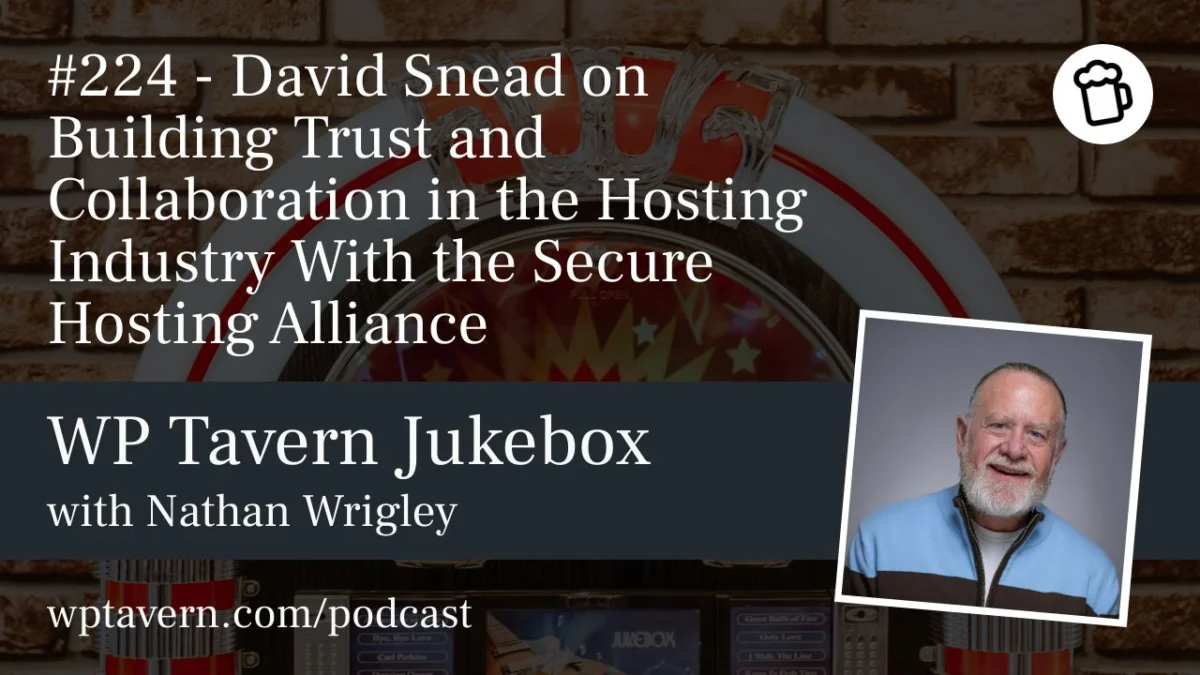
In a recent episode of the Jukebox Podcast from WP Tavern, host Nathan Wrigley sat down with hosting industry veteran and legal expert David Snead to discuss a paradigm shift in how hosting providers, registrars, and registries are joining forces. Snead, who currently leads the Secure Hosting Alliance (SHA) and boasts a career in hosting law dating back to 1999, shed light on how cross-industry collaboration and real-time intelligence sharing are becoming the new gold standard for digital security.
Main Facts: Breaking Down the Silos of Internet Infrastructure
At the core of the discussion is a fundamental vulnerability in how the internet is architected: fragmentation. By design, the digital ecosystem is distributed across various stakeholders who operate largely in silos.
- The Ecosystem Split: Registrars and registries manage domain names; hosting and cloud providers manage server resources; and security vendors protect the endpoints. Historically, these entities have tackled abuse in isolation.
- The Internet Infrastructure Forum (IIF): Facilitated by the Paris-based Internet and Jurisdiction Foundation, the IIF is a voluntary organization uniting players across the entire infrastructure stack to create a standardized framework for abuse reporting and intelligence sharing.
- The Pilot Project Focus: The IIF is currently running a high-stakes prototype phase targeting a specific, pervasive threat: malicious "fake shops." By sharing non-proprietary data—such as timestamps, IP addresses, and domain names—the initiative allows operators to map threats holistically rather than reacting blindly to individual complaints.
- The Secure Hosting Alliance: Operating as a working group under the broader i2Coalition, the SHA seeks to level up ethics, professionalism, and security across the hosting industry while fostering a sense of community reminiscent of the early 2000s.
Chronology: Tracing the Evolution of Web Hosting and Security
David Snead’s perspective is anchored in over two decades of firsthand experience witnessing the maturation—and eventual corporate consolidation—of the web hosting industry.
1999–2000s: The Wild West of Shared Hosting
Snead entered the industry in 1999 as in-house counsel for one of the earliest pioneers in specialized shared hosting. At the time, the hosting industry enjoyed a vibrant, tight-knit community of operators who frequently communicated, shared best practices, and collaborated on early operational challenges.
Mid-2000s to 2010s: Consolidation and Silos
As the internet commercialized, massive corporate consolidation swept through the market. Independent hosts were increasingly absorbed by larger conglomerates. This wave of acquisitions fractured the informal camaraderie of the early days, driving companies inward and giving rise to operational silos where hosts fought cyber threats entirely on their own terms.
Simultaneously, Snead transitioned into private practice, working with more than 50 different hosting companies—primarily drafting complex terms of service and acceptable use policies. He later co-founded the i2Coalition alongside Christian Dawson to push back against U.S. legislation that threatened internet service providers, before spending a decade as in-house counsel for cPanel and WebPros.
2023–Present: The Birth of the Secure Hosting Alliance
Recognizing that modern cyber threats transcend individual corporate boundaries, Snead helped launch the Secure Hosting Alliance a little over a year ago. What began as a modest group of two or three charter members has rapidly expanded into a dynamic collective of 25 hosting providers, multiple security vendors, and a growing roster of Trust Seal Certified members.
Supporting Data: The Business Case for Collaboration
While moral arguments regarding internet safety are admirable, Snead emphasizes that the real driver for participation in alliances like the IIF and SHA is the undeniable business case for collaboration.
- Resource Disparity: Large hosting companies often possess massive budgets and deep operational bandwidth to handle a relentless "firehose" of abuse complaints. Conversely, smaller boutique hosts—often managing only a handful of complaints a month—are easily overwhelmed by sophisticated attacks. A single malicious "fake shop" can generate a cascade of abuse notices, draining vital resources away from business growth.
- Membership Growth: In just over 12 months, the Secure Hosting Alliance has scaled its membership significantly:
- 25 Hosting member companies.
- 3 Major security vendors.
- 17 Trust Seal Certified hosting providers.
- Major infrastructure giants, including GoDaddy and Newfold Digital, are actively participating in the broader collaborative frameworks.
- Standardized Reporting Languages: The initiative leverages protocols like XARF (Abuse Reporting Format) to abstract data safely, ensuring that technical indicators can be shared seamlessly across international borders without violating local data privacy laws.
Official Responses and Strategic Perspectives
The conversation on Jukebox highlighted the nuanced challenges of bringing fierce commercial competitors to the same negotiation table.
The Trust and Privacy Hurdle
When asked how hosting executives can trust an alliance with sensitive data, Snead addressed the legal complexities head-on. Information that can be shared freely in the United States may face strict regulatory roadblocks under the European Union’s GDPR or similar frameworks in India and Brazil.
To mitigate this, the IIF relies on dedicated legal working groups to analyze cross-border data sharing. The intelligence exchanged is strictly non-proprietary—focusing on public-facing technical artifacts like domain names, IP addresses, and timestamps rather than confidential corporate data or personally identifiable information (PII).
Platform Agnosticism
While platforms like WordPress power a massive chunk of the global web—and WordCamp events serve as fertile ground for engaging agencies and developers—Snead is quick to clarify that these security initiatives are entirely platform-agnostic. Whether a site runs on WordPress, Drupal, or custom-written PHP, malicious infrastructure exploits the underlying server stack, making cross-stack defense vital.
Implications: What This Means for Agencies, Freelancers, and Hosts
As regulatory pressures mount globally regarding online content and platform accountability, the hosting industry faces an unprecedented paradigm shift.
1. Relief for Small-to-Medium Hosts
For smaller hosting providers, plugging into an automated, API-driven intelligence feed means hours of tedious investigative work can be bypassed. By leveraging telemetry gathered by registrars, cloud providers, and DNS services, small hosts can identify and neutralize threats—such as credential-harvesting phishing rings—before they impact server performance or payment processor standing.
2. A Competitive Edge for Web Agencies
For the wider web design and digital marketing agency community, these developments offer a new metric by which to evaluate infrastructure partners. Initiatives like the SHA’s Trust Seal Certification provide a tangible vetting mechanism. Certified hosts must meet rigorous consumer-friendly standards, such as presenting transparent, accessible terms of service to customers before they sign up, rather than burying them behind obscure hyperlinks.
3. Preempting Government Regulation
As governments worldwide scrutinize digital infrastructure, voluntary industry-led coalitions offer a vital line of defense. By proactively demonstrating self-governance, real-time abuse mitigation, and collaborative threat response, the hosting industry can showcase that it is actively cleaning up its own backyard, potentially staving off heavy-handed, bureaucratic mandates.
Conclusion
The message from David Snead is clear: in the modern threat landscape, no hosting company is an island. The survival and security of the open web depend on dismantling corporate silos in favor of automated, real-time intelligence sharing.
For hosting executives, agency owners, and developers looking to dive deeper into these collaborative efforts, further resources and episode transcripts can be found at WP Tavern. Providers interested in joining the movement can explore hostingsecurity.net or reach out directly to David Snead at [email protected].