Bridging the Gap: How Product-Specific Design Patterns Transform Engineering and Design Collaboration
In the fast-paced world of digital product development, few initiatives promise as much efficiency while delivering as much friction as a design system. While organizations increasingly recognize that deep collaboration between engineering and design is the cornerstone of exceptional products, the reality of achieving that alignment remains a persistent operational hurdle.
Traditional approaches to design systems often put the cart before the horse, focusing heavily on isolated design elements—such as buttons, chips, and cards—rather than the functional combinations that drive actual user experiences. However, a growing methodology advocates for building design patterns first. By establishing reusable modules of logic and interaction early, cross-functional teams can unblock parallel workflows, maintain strict synchronization, and construct scalable assets that dramatically accelerate future project phases.
Main Facts: Rethinking the Design System Paradigm
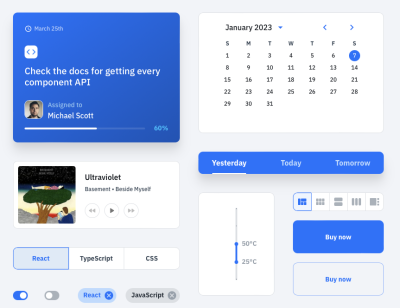
At its core, a design system is a product with its own distinct user base: the designers and developers who rely on it daily. Yet, despite heavy investments in comprehensive element libraries—whether through Tailwind, Bulma, or Material-UI (MUI)—teams frequently find that having a robust set of individual elements does little to ensure cross-functional alignment or drastically reduce time-to-market.
The primary challenge lies in the distinction between design elements and design patterns:
Design Elements: Isolated, atomic components like buttons, inputs, and toggles. While essential, they do not inherently solve complex product requirements or implement functional user experiences.
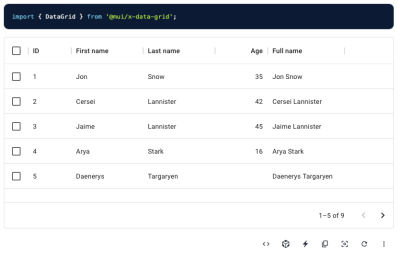
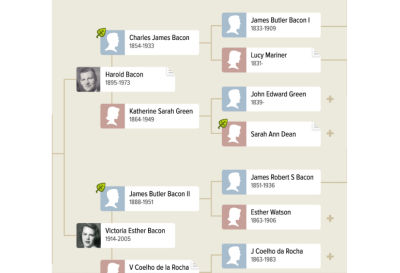
Design Patterns: Reusable combinations of elements designed for a specific purpose—functioning as larger modules capable of executing cohesive product experiences on their own.
When teams pivot their focus toward product-specific design patterns, they shift the design system from a static visual guideline to a dynamic, collaborative toolkit. Rather than waiting for exhaustive visual mocks to be finalized, engineers and designers can co-create patterns using rough outlines, wireframes, or shared documentation. This strategy eliminates the traditional "handoff" bottleneck, allowing both disciplines to work in parallel.
Chronology: The Evolution of a Pattern-First Workflow
To understand how this methodology functions in practice, consider the lifecycle of a cross-functional team building a collaborative group-travel application called "WeTrip." Tasked with solving the logistical headaches of group travel—such as choosing daily itineraries and voting on dining locations—the team operated under tight seed-funding constraints, requiring an efficient Minimum Viable Product (MVP) without design bottlenecks.
Phase 1: Collaborative Definition and Whiteboarding
At the outset, designers, engineers, and product owners convened to identify the foundational objects of the application:
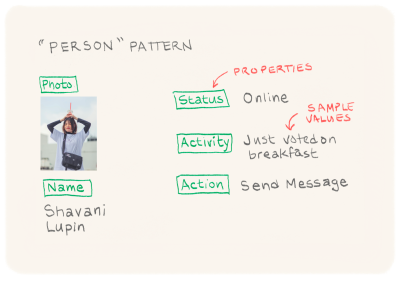
"Person": A traveler participating in trip logistics and voting.
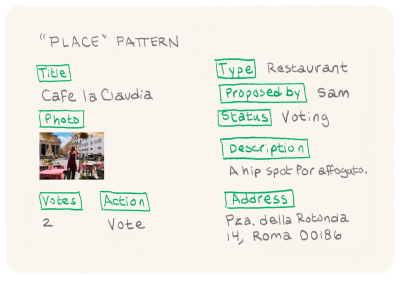
"Place": A prospective destination or attraction.
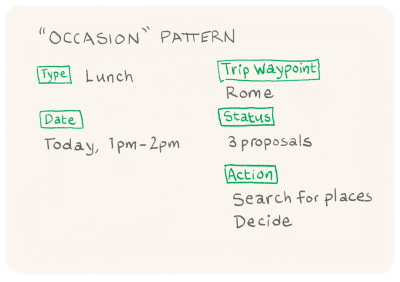
"Occasion": A scheduled group activity, such as a meal or sightseeing event.
Using physical whiteboards and shared digital spaces, the team outlined these concepts without getting bogged down in pixel-perfect visual styling. This ensured universal participation and immediate alignment on core nomenclature and properties.
Phase 2: Integrating Existing Frameworks
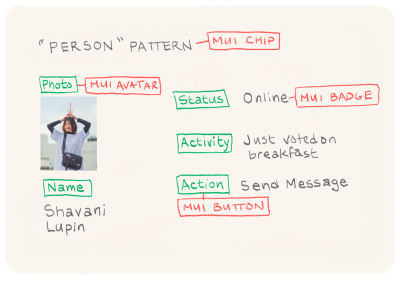
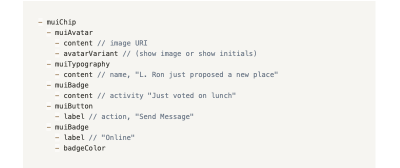
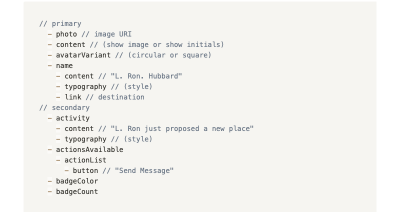
Recognizing the value of established component libraries, the team integrated restyled MUI elements into their patterns. By mapping standard properties (such as color and content) within Figma and their React codebase, they established a shared vocabulary. They documented these definitions in collaborative Notion workspaces, organizing properties by hierarchy (primary vs. secondary) to clarify intent without prematurely locking down final designs.
Phase 3: Parallel Execution
With the patterns established in shared documents, the workflow decoupled:
Engineering: Developers began stubbing out components in TypeScript, establishing data structures and logic.
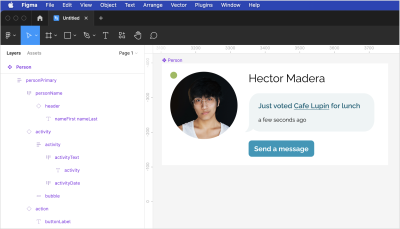
Design: Designers fleshed out visual states and component variants in Figma.
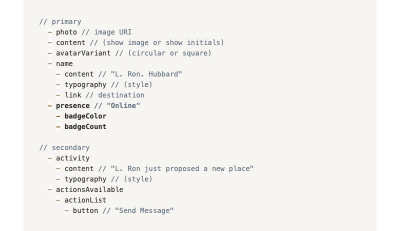
When engineers identified a missing requirement—such as a presence user status needed for real-time notifications—they updated the shared documentation and notified the team. Designers immediately incorporated a corresponding visual indicator. Because the pattern document served as the single source of truth, neither discipline was blocked waiting for the other.
Phase 4: Scaling into Full Views and Repositories
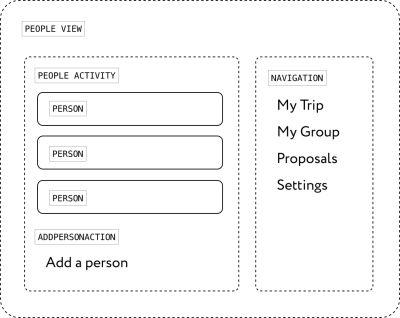
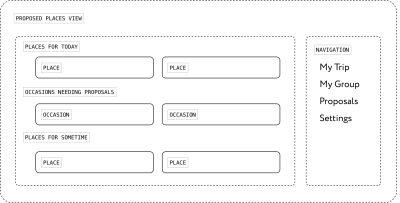
As maturity grew, the team nested these foundational patterns into larger views: a People list view, a Schedule view, and a Proposals view. Over time, these patterns matured into standalone repositories, with property lists evolving into robust APIs and modules capable of being integrated into future product features, such as search results.
Supporting Data and Operational Insights
The efficacy of a pattern-first approach is rooted in historical engineering and architectural philosophy. As legendary architectural theorist Christopher Alexander noted in The Timeless Way of Building, "Even the most complicated, sophisticated things are defined by a small number of composable patterns."
Applying this concept to software engineering and product design yields measurable benefits:
Reduced Time-to-Ship: By agreeing on data structures and functional properties before visual polish, teams avoid costly rework during the development cycle.
Automated Reusability Tracking: Much like test coverage in software engineering, the generation and reuse of design patterns can be tracked across design and development toolchains, turning code reuse into a quantifiable metric.
Module Federation: In mature environments, standardized patterns can be seamlessly integrated into modern build pipelines (such as Webpack 5 module federation), bridging the gap between design tokens and production code.
Official Responses and Industry Perspectives
Industry practitioners who have adopted pattern-first methodologies report a fundamental shift in team dynamics. Rather than viewing the design system as an "extra" chore that delays shipping, teams embrace it as a vital accelerator for product iteration.
According to product leads who champion this framework:
"Having a good set of elements doesn’t help you get the value out of a design system, save you much time, or by itself ensure designers and engineers are aligned."
Instead, the consensus among forward-thinking engineering and design leaders is that alignment is an active practice rather than a byproduct of administrative meetings. When teams collaborate on the definition of patterns rather than the decoration of elements, communication improves, cognitive overhead drops, and cross-functional friction is minimized.
Implications for the Future of Product Development
The implications of prioritizing design patterns over isolated elements extend far beyond immediate project efficiency.
Eradication of the Handoff Bottleneck: By shifting visual design to the end of the initial definition phase, organizations can abandon the linear waterfall handoff model in favor of concurrent, agile product development.
Enhanced Scalability: As products grow, mature design patterns serve as reliable building blocks that prevent code bloat and visual inconsistency across disparate squads.
Cultural Harmony: When engineers and designers co-create the foundational grammar of an application, it fosters mutual respect and shared ownership, transforming the design system from a rigid police force into a collaborative playground.
Ultimately, integrating design patterns into product planning offers a proven pathway out of the chaos of cross-functional collaboration. By focusing on what repeats, what works, and what brings teams together, organizations can build better systems—and happier products—from the inside out.