The landscape of digital publishing is undergoing a quiet yet profound shift. For over two decades, independent creators—writers, podcasters, musicians, and artists—have struggled against the gravity of closed platforms and walled gardens. While venues like Substack and Patreon offered temporary simplicity, they ultimately subjected creators to shifting rules, unexpected algorithmic pivots, and steep monetization fees.
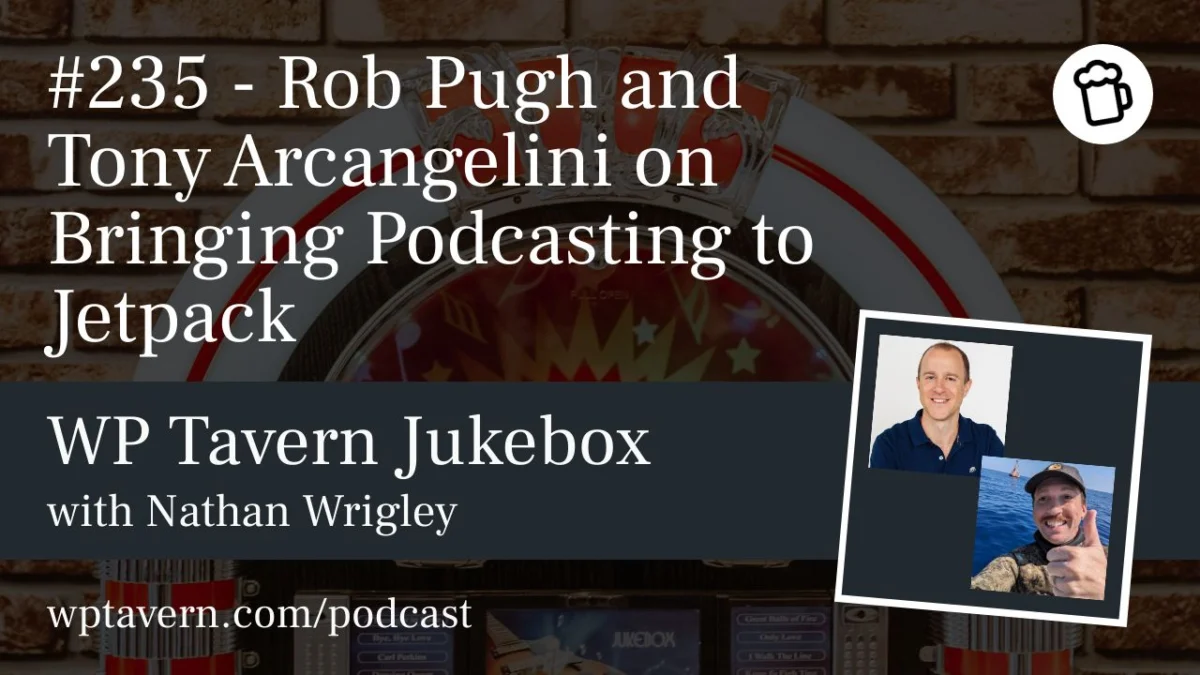
Now, Automattic is making a decisive push to reclaim the open web for spoken-word creators. In a major development for the WordPress ecosystem, Jetpack has officially rolled out comprehensive, native podcasting capabilities. Longtime Automattic veterans Rob Pugh and Tony Arcangelini recently sat down on the WP Tavern Jukebox Podcast to break down how this integration changes the game for podcasters, why data ownership remains paramount, and how WordPress is positioning itself as the ultimate all-in-one home for modern content creators.
Main Facts: Bringing Podcasting to the Jetpack Ecosystem
At its core, the new Jetpack podcasting feature allows self-hosted WordPress sites and WordPress.com users to manage, publish, and distribute audio and video podcasts directly from their existing content management system.
Key elements of the launch include:
- Native Integration: Podcasting is no longer an afterthought requiring complex, disjointed third-party plugins. By leveraging Jetpack’s existing infrastructure—most notably its robust site stats and newsletter engines—creators can manage their blog, newsletter, and podcast under a single roof.
- Frictionless Publishing: Podcasters no longer need specialized custom post types. Creators simply draft a regular WordPress post, drop in an audio or video block, assign a designated podcast category, and hit publish.
- The "One Publish Event": Hitting publish triggers a domino effect: the post goes live on the website, an email newsletter is automatically dispatched to subscribers, social media shares are triggered, and the RSS feed updates instantly.
- Pocket Casts Synergy: Through Automattic’s close association with the popular playback platform Pocket Casts, new shows can achieve near-instantaneous distribution without the traditional administrative lag associated with third-party networks.
- Cost Structure: True to Automattic’s history of accessibility, the core features—including unlimited podcasting, unlimited newsletter sends, and unlimited subscribers—are available completely free, with tiered upgrades offering advanced statistics and hosting enhancements.
Chronology: From Basic Audio Feeds to a Unified Creator Wing
To understand the significance of this release, one must look at how Automattic’s internal strategy has evolved. Years ago, basic audio-embedding capabilities existed on WordPress.com, but they were rudimentary. These early iterations offered little more than a simple RSS feed and basic iTunes tags, remaining largely untouched and outdated as the podcasting industry exploded.
Recognizing the immense appetite for creator-centric tools, Automattic cultivated a dedicated wing within the business focused entirely on serving creators. Software developer Tony Arcangelini, an eight-year Automattic veteran, was on the front lines of building these tools.
"We built a very basic feature of podcasting in WordPress.com… but it was outdated and hadn’t been touched in a long time," Arcangelini explained.
Realizing that creators needed advanced telemetry—such as accurate download statistics, cross-channel audience tracking, and seamless distribution—the engineering team decided to elevate the product. Rather than launching it as an isolated plugin, they chose Jetpack as the natural architectural home. This decision allowed them to plug directly into Jetpack’s existing infrastructure, paving the way for the robust feature set released this year.
Supporting Data and Technical Realities
For those who have never launched a podcast, the technical hurdles can be daunting. Traditionally, podcasters have had to wrestle with separate hosts, disconnected email lists, manual social media schedulers, and rigid RSS feed structures. Jetpack’s new suite aims to collapse these disparate workflows into a single interface.
How the Technical Architecture Works
The system cleverly differentiates a standard blog post from a podcast episode using two straightforward parameters:
- The Designated Category: The post must belong to a pre-selected category designated for the show (e.g., "Podcast").
- Media Presence: The post must contain a valid audio or video file via Jetpack’s specialized podcast episode blocks, which support advanced Podcasting 2.0 markup such as chapters.
If these criteria are met, the system automatically appends the media to a clean, human-readable RSS feed at your domain (e.g., yourwebsite.com/feed), ready to be consumed by any podcast player.
Distribution and Analytics
Distribution is streamlined through a dedicated Jetpack dashboard tab. Creators can track their reach across major networks like Apple Podcasts, Spotify, Amazon Music, and the Podcast Index. Furthermore, deep integration with Pocket Casts enables rapid, frictionless submission. Creators can also view aggregated statistics detailing which platforms listeners are using, which episodes are performing best, and where in the world audiences are tuning in.
Official Responses: Ownership in the Age of AI and Walled Gardens
During their discussion, Rob Pugh and Tony Arcangelini emphasized that the launch is as much an ideological statement as it is a technical update. In an era dominated by venture-backed platforms that frequently alter their business models, ownership has become a rare commodity.
"We saw it over decades; it comes in waves," Pugh noted, reflecting on the migration of writers and podcasters to platforms like Substack and Patreon. While these platforms initially promised a safe harbor for serious discourse, Pugh points out that many have drifted toward algorithmic models reminiscent of traditional social media. Worse still, successful creators face steep monetization cuts—such as Substack taking a 10% slice of paid subscriptions—while feeling trapped due to the friction of migrating audiences.
By contrast, the WordPress foundation guarantees zero lock-in.
"Everything we’re building, we’re just trying to make it super easy for people to own your data, go wherever you want. We encourage movement in and out, wherever you want to go, it’s up to you," Pugh stated.
Furthermore, the rise of artificial intelligence makes data ownership even more urgent. While AI tools—including Jetpack AI and automated transcription services borrowed from Pocket Casts—can dramatically ease the burden of content creation, creators must have a centralized home where they retain absolute control over their intellectual property.
Implications for the Future of Independent Podcasting
The arrival of native podcasting within Jetpack signals a potential renaissance for self-hosted publishing. By lowering the technical and financial barriers to entry, Automattic is inviting creators to reconsider the value of owning their digital infrastructure.
For novice podcasters, the combination of a free tier, automated distribution, and one-click publishing removes the historical friction of getting a show off the ground. For established creators weary of platform fee structures and sudden algorithmic rule changes, the WordPress ecosystem offers a resilient alternative backed by decades of open-source stability.
As video podcasting continues its explosive growth—complemented by Jetpack’s VideoPress and advanced cross-platform playback features like Pocket Casts’ Apple TV integration—the boundary between reading, listening, and watching is blurring.
For creators looking to consolidate their blog, newsletter, and podcast under a single, autonomous banner, the tools are finally ready. Whether you choose to host your site directly on WordPress.com or leverage Jetpack on a self-hosted installation, the open web is proving that you don’t need to rent your audience to build a successful show.
To explore the new features or get started on your own show, visit wordpress.com/podcast or jetpack.com/podcast.