In the high-stakes world of digital product development, the friction between engineering and design is often framed as an inevitable byproduct of collaboration. However, a growing cohort of practitioners is challenging the status quo, arguing that the traditional approach to design systems—which prioritizes atomic elements like buttons, chips, and cards—is fundamentally flawed. By shifting the focus from individual elements to reusable "design patterns," teams can unlock parallel workflows, reduce technical debt, and foster a more harmonious bridge between design and code.

The Core Challenge: Why Design Systems Stagnate
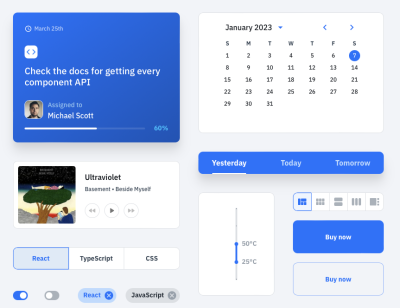
At their best, design systems serve as the single source of truth for a product. At their worst, they become rigid, bureaucratic silos that hinder rather than help. Many teams fall into the trap of obsessing over the "atomic" level—perfecting the pixel-radius of a button or the exact spacing of a card—while neglecting the higher-level logic of how these elements combine to solve actual user problems.

The primary issue is that a library of isolated components does not equate to a functional product experience. As the author notes, "Having a good set of elements doesn’t help you get the value out of a design system, save you much time, or by itself ensure designers and engineers are aligned." This realization is the catalyst for a fundamental pivot in how successful cross-functional teams operate.
Chronology of the Shift: From Atomic to Pattern-Based
The journey toward a pattern-first methodology begins long before a single line of CSS is written. It starts with a fundamental realignment of the product development lifecycle.
Phase 1: The Alignment Workshop
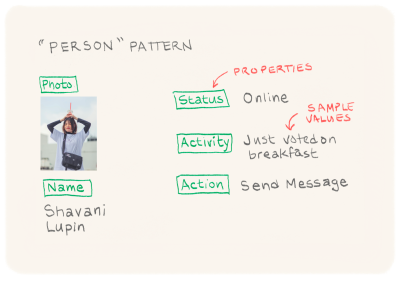
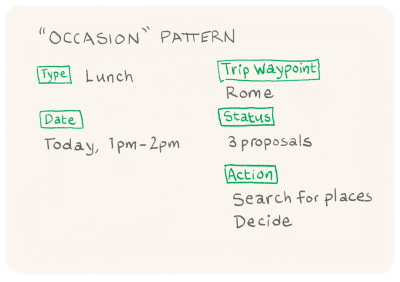
Instead of designers delivering finalized mockups to developers, the process begins with a collaborative mapping session. Using whiteboards—physical or digital—the team identifies the core objects of their application. In the case of a hypothetical travel app, "WeTrip," the team defined core entities: Person, Place, and Occasion. By naming these objects and defining their properties collectively, the team builds a shared vocabulary that eliminates ambiguity.

Phase 2: Documentation as a Living Protocol
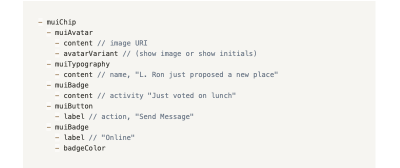
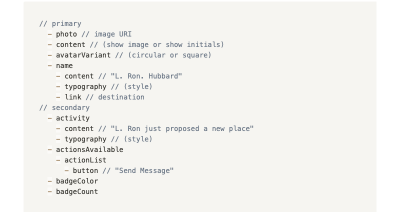
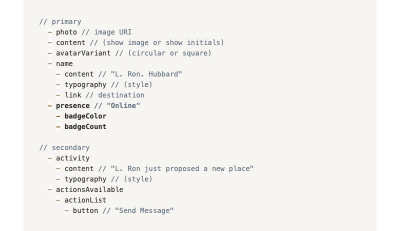
Once the patterns are defined, they are codified in a shared repository—a central document (such as a Notion page) accessible to every stakeholder. This is not a static style guide but a dynamic record of requirements. Here, the team tracks "properties," which act as the bridge between Figma components and TypeScript interfaces.
Phase 3: Parallel Execution
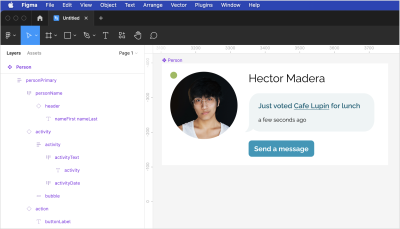
With a shared understanding of the patterns, the "hand-off" bottleneck disappears. Designers can flesh out the visual implementation in Figma while engineers stub out the components in code. Because they are working against a shared, low-fidelity pattern definition, they are not waiting for pixel-perfect assets to begin building the core logic.

Phase 4: Iteration and Refinement
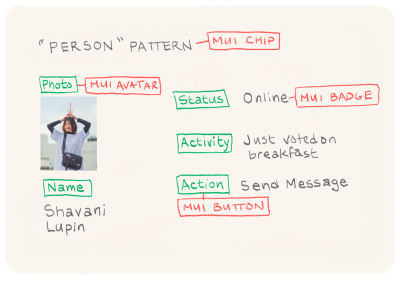
As the product evolves, the patterns are refined. If an engineer discovers that a "Person" component requires a "presence" property—such as an online/offline status—this change is documented in the shared space. Both design and engineering update their respective systems simultaneously, ensuring that the drift between design and code remains minimal.
Supporting Data and Conceptual Frameworks
The concept of "design patterns" is not new, but its application to UI/UX design systems is a refinement of a long-standing architectural principle. Christopher Alexander, in his seminal work The Timeless Way of Building, argued that "even the most complicated, sophisticated things are defined by a small number of composable patterns."
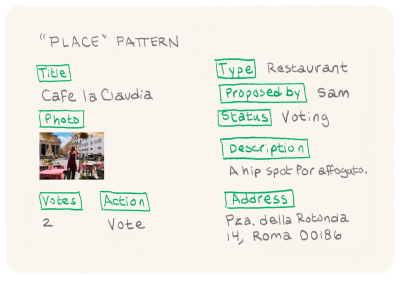
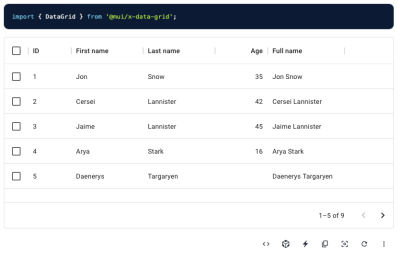
Modern software engineering draws heavily from this, utilizing patterns like "Factory" or "Observer" to manage complexity. When applied to UI, a pattern is defined as a "reusable combination of elements for a purpose." While third-party libraries like Material UI (MUI) provide excellent raw materials, they are often generic. The true value is found in product-specific patterns—those repeatable experiences unique to the business, such as a "Proposal View" in a group-trip application.
By measuring the reuse of these patterns, teams can track the actual return on investment of their design system. Much like test coverage in software development, the percentage of the UI constructed from established, approved patterns serves as a key metric of system health and velocity.
Implications for Organizational Structure
The transition to a pattern-first model has significant implications for how organizations manage talent and workflow.
Breaking Down Silos
Traditional, waterfall-adjacent structures often relegate designers to the "pre-development" phase and engineers to the "execution" phase. A pattern-first approach demands a more horizontal structure where both roles are involved in the definition of the product’s fundamental building blocks. This minimizes the "us vs. them" dynamic that often plagues product teams.
The Scalability of Patterns
As teams grow, the management of these patterns can evolve into a specialized function. Large organizations may appoint "pattern owners" who are responsible for the health, documentation, and performance of specific module sets. Furthermore, as these modules become more robust, they can be abstracted into separate repositories, effectively becoming internal "packages" that can be shared across different product teams, further accelerating development cycles.

A Metric-Driven Culture
By focusing on patterns, companies can treat their design systems as actual products. They can analyze which patterns are used most frequently, which are causing the most bugs, and which are under-utilized. This data-driven approach allows for better prioritization of engineering and design resources, ensuring that the effort spent on the design system directly correlates to improved user outcomes.

Strategic Benefits: Efficiency and Harmony
The ultimate goal of this methodology is not just to build a better library, but to create a sustainable, efficient, and enjoyable development process.
- Reduction of Bottlenecks: Because the team agrees on the intent and properties of a feature early on, no one is waiting on a finished mockup to start work.
- Increased Cohesion: The design and the final code are aligned from the start. The "gap" between the vision and the reality is closed by the shared pattern definition.
- Future-Proofing: When a feature needs to be updated, the team doesn’t have to hunt down every instance of a button. They update the pattern, and the change propagates through the system.
- Cultural Alignment: This approach fosters a culture of shared ownership. Designers learn the constraints of code, and developers gain an appreciation for the intent of the design.
Conclusion: The Future of Design Systems
The shift from element-focused design systems to pattern-based design systems represents a maturation of the industry. As organizations face increasing pressure to ship faster and maintain higher quality, the old methods of disconnected design and development are no longer viable.
By embracing a model that treats design patterns as the fundamental building blocks of the user experience, teams can stop fighting the inherent difficulties of collaboration and instead focus on what really matters: building exceptional products that provide real value to their users. This is not just a tactical change in how we use Figma or write React; it is a fundamental shift in how we conceive of digital construction. For teams willing to invest the time in this "pattern-first" culture, the reward is a more resilient product, a more efficient team, and a significantly reduced friction coefficient in the day-to-day work of shipping software.