The "Fear of Missing Out," or FOMO, has long been a double-edged sword in the world of digital marketing. On one side, it is a potent psychological trigger—a "pervasive apprehension that others might be having rewarding experiences from which one is absent," as described in a seminal 2013 study. On the other, when weaponized through deceptive countdown timers, artificial scarcity, and predatory urgency, it becomes a liability that erodes user trust and triggers anxiety.
As digital landscapes become increasingly saturated, designers are tasked with a difficult challenge: how to leverage the motivational power of FOMO without crossing the line into psychological manipulation. By stripping away the "fear" and focusing on the value of participation, businesses can foster genuine engagement rather than coerced conversions.
The Evolution of FOMO: From Social Anxiety to Marketing Staple
The concept of FOMO is not a modern invention, but the digital age has hyper-accelerated its prevalence. Historically, the phenomenon was linked to social belonging; in the 21st century, it has become a cornerstone of e-commerce and app engagement strategies.
However, the industry is reaching a tipping point. Consumers are increasingly savvy, recognizing the difference between a legitimate "low stock" warning and a manufactured scarcity tactic. Regulatory bodies, such as the Competition and Markets Authority (CMA) in the UK, have already begun cracking down on travel and retail sites that use misleading urgency to manipulate purchasing behavior. The consensus is clear: while FOMO is an effective driver, its traditional, aggressive iteration is becoming a brand-damaging relic.
The Anatomy of Ethical Engagement
To transition toward an ethical framework for FOMO, designers must shift their perspective from "how can I force a sale?" to "how can I provide meaningful utility?" The following strategies represent a more sustainable approach to digital experience design.
1. Transparent Limitations and Gentle Reminders
The most common mistake in UX design is the use of "stress-inducing" UI elements, such as bright red banners or aggressive countdown timers that tick away the seconds. These tools often trigger "analysis paralysis," causing users to either make impulsive, regretful decisions or abandon the platform entirely.
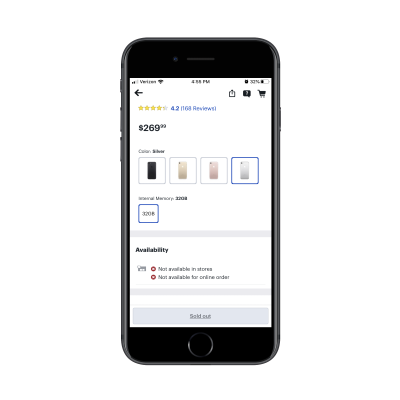
A more effective approach involves providing context-rich information. For example, rather than a generic "Only 2 left!" warning, retailers like Best Buy provide clear, localized information about in-store and online availability. This transparency helps the user make an informed decision. Furthermore, displaying "sold-out" items—when done correctly—can actually serve as a positive reinforcement. As noted by business researcher Paul Messinger, this creates an "information cascade," where users infer that if an item is sold out, it must be highly desirable, leading them to explore similar, available alternatives.
2. Prioritizing Personalized Rewards
FOMO is often triggered by the fear of losing an opportunity, not just the fear of being left out of a social group. By focusing on existing account holders rather than anonymous visitors, brands can transform FOMO into a loyalty-building tool.
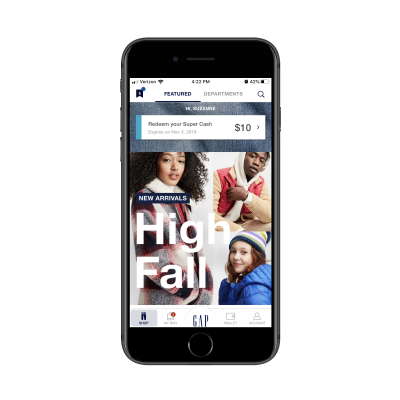
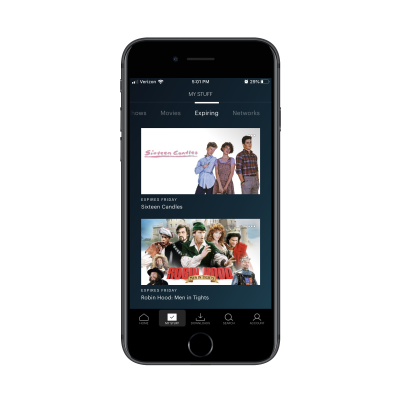
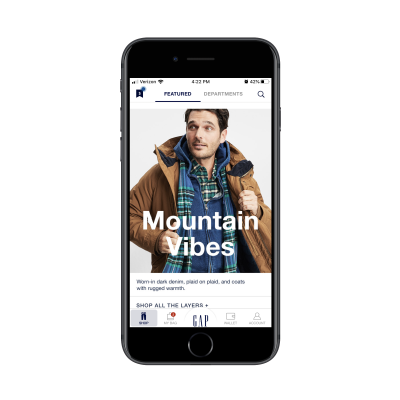
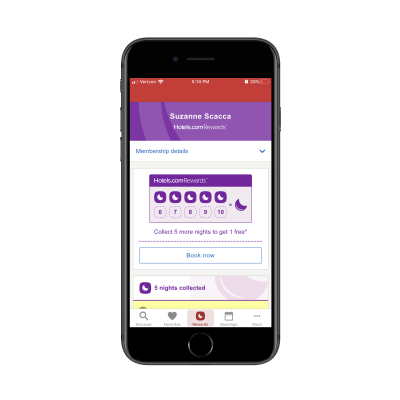
Gap and Hotels.com serve as excellent benchmarks for this strategy. Instead of bombarding all visitors with site-wide sales banners, they use personalized notifications to alert logged-in users about rewards that are set to expire. This creates a "use it or lose it" scenario that feels helpful rather than intrusive. A pulsing icon or a dedicated "Rewards" tab provides a subtle nudge that respects the user’s autonomy while reminding them of the tangible value they have already accrued.
3. Harnessing Peer-Driven Advocacy
The most credible source of FOMO is not the brand itself, but the user’s own network. When a company claims a product is a "Top Seller," it is viewed with skepticism. When a friend shares a referral link or a positive experience, it carries inherent trust.
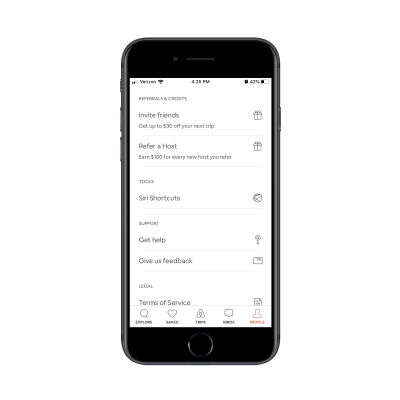
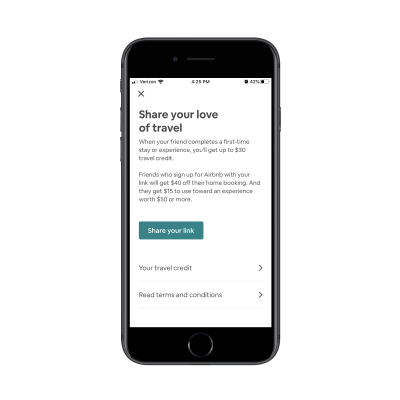
Airbnb’s referral program is a masterclass in this. By incentivizing users to share their experiences with friends and family, the company offloads the burden of persuasion onto the customer. When a user sends a discount code to a friend, they aren’t just selling a service; they are sharing a recommendation. Similarly, 23andMe’s "Share your Ancestry" feature turns personal data into social content. By providing users with shareable, aesthetically pleasing assets, the brand generates organic, high-trust interest that artificial advertising cannot replicate.
4. Grounding Design in Reality
Influencer culture has created a distorted reality that significantly contributes to the negative mental health impacts of FOMO. Consumers are increasingly wary of the "perfect" lives portrayed on social media—a phenomenon that led to the catastrophic failure of the Fyre Festival.
Ethical design demands authenticity. Sephora’s "Inspire" community is a prime example of this. Instead of relying solely on hyper-retouched stock photography, the brand highlights user-generated content. By showing real people using products in real-world settings, the brand creates a sense of aspiration that is attainable rather than exclusionary. Even high-end, exclusive brands like The Inner Circle have adopted this approach, utilizing imagery that features natural, accessible settings rather than staged, opulent excess.
Implications for Future Digital Strategy
The shift toward ethical FOMO is not just a moral choice; it is a long-term business strategy. Brands that rely on deceptive tactics may see short-term spikes in conversion, but they risk a slow bleed of customer retention and brand equity.
The Cost of Deception
When a user feels misled—whether by an artificial timer or a fake influencer endorsement—the psychological fallout is significant. It shifts the user’s sentiment from excitement to resentment. In the current digital ecosystem, where reviews and social sentiment are paramount, this reputation damage is often irreversible.
The Sustainability of Transparency
By adopting the principles outlined above, designers can build "virtuous cycles." A user who feels informed, rewarded, and part of an authentic community is far more likely to return. Ethical FOMO respects the user’s agency, providing them with the necessary information to make a purchase that they will feel good about later.
Conclusion: A New Standard for Design
The challenge for the modern web and app designer is to synthesize the science of human motivation with the necessity of ethical conduct. We have moved past the era where we can treat the user as a passive vessel for conversion.
Instead, the future of design lies in creating experiences that feel personal, grounded, and genuinely helpful. If we can strip away the "fear" and keep the "missing out" in a way that highlights real value, we can create digital environments that are not only more successful but also more humane. By focusing on long-term loyalty over short-term metrics, designers can ensure that their products stand the test of time, proving that the most powerful marketing tool is not a fake countdown timer, but a genuine, shared experience.