SAN DIEGO — For years, paid search was the undisputed heavyweight champion of digital marketing for local businesses. Advertisers treated Search Engine Results Pages (SERPs) like a digital phone book: high intent met literal queries. When a consumer typed “water heater repair,” savvy marketers bid on “water heater repair,” crafted an ad about water heater repair, and watched the leads roll in.
However, as competition heated up, cost-per-click (CPC) metrics skyrocketed, forcing agencies and in-house teams to look for alternative channels. For many, expansion into non-search environments—such as Google Display Network, YouTube, and Demand Gen campaigns—felt like throwing money into a black hole. Impressions soared, budgets evaporated, and attributable revenue remained stubbornly flat.
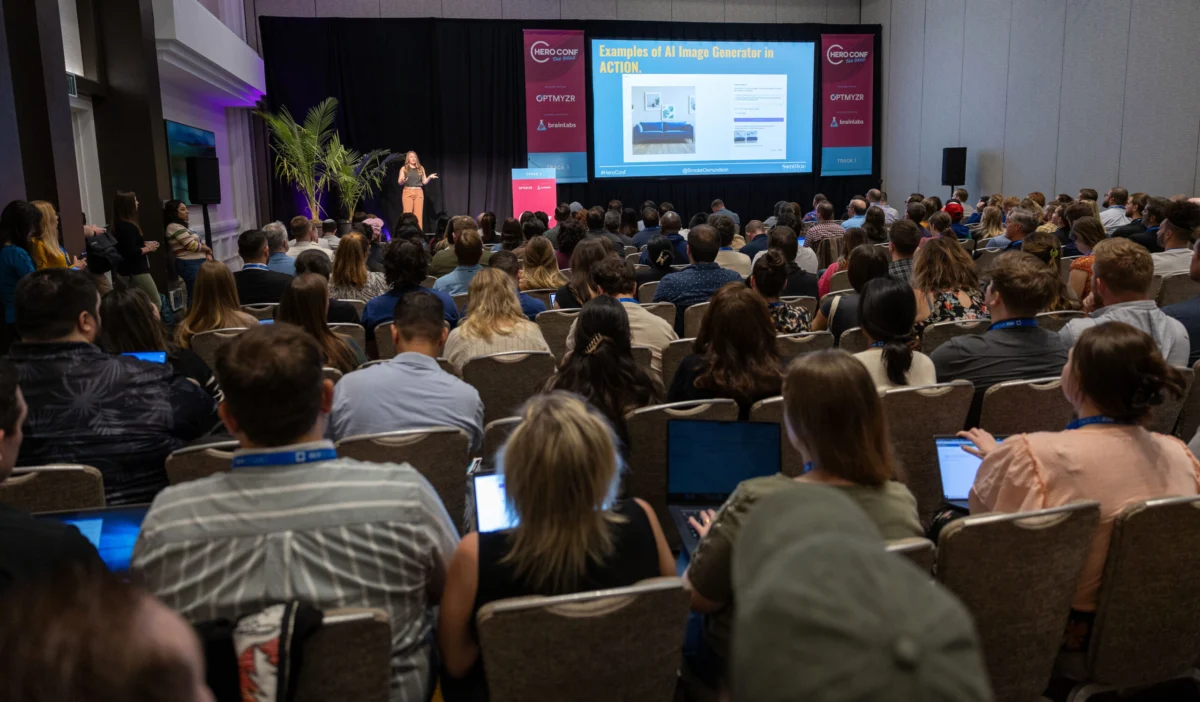
That was the exact reality facing many digital marketers until a paradigm shift took center stage at the 2024 Hero Conf in San Diego. Presenting a contrarian case study, industry experts revealed how a simple four-step tactical overhaul transformed display ads from a write-off channel into the largest growth driver across local client portfolios.
Main Facts: Redefining Intent in Non-Search Environments
The core thesis presented at Hero Conf boils down to a fundamental psychological mismatch: paid search trains marketers to be literal. When that literal mindset is blindly copy-pasted into Display, YouTube, or Demand Gen campaigns—where users are passively browsing news sites or watching videos rather than actively typing queries—it generates easy-to-ignore, service-first advertisements.
The turning point for the case study’s author came from a profound marketing realization: People do not buy products or services; they buy outcomes and relief.
By shifting the strategic foundation from "selling a service" to "solving an immediate emotional or physical pain point," performance metrics flipped entirely. For one local HVAC and plumbing client, the restructuring of display and Demand Gen campaigns yielded staggering results over a six-month period:
- Return on Ad Spend (ROAS): Skyrocketed from a dismal 0.17x to a highly profitable 5.16x.
- Cost Per Lead (CPL): Plummeted from $240 down to just $37.
- Conversion Rate: Jumped from 0.06% to 0.78%.
These dramatic improvements proved that non-search channels are not inherently broken; rather, the way marketers approach audience targeting, creative messaging, and landing page continuity has historically missed the mark.

Chronology: The Journey from Disillusionment to Breakthrough
To understand how this methodology was forged, it is helpful to trace the timeline of events that led to the San Diego breakthrough.
Phase 1: The Pre-2024 Struggle
For years, local accounts relied exclusively on search advertising to do the heavy lifting. Display tests were treated as an afterthought—run sporadically just to check a box, resulting in massive impression volumes and near-zero conversions. Advertisers blamed the channel, assuming display ads simply did not work for hyper-local businesses like plumbers, electricians, and HVAC contractors.
Phase 2: The Inspiration (Post-2024 Hero Conf)
Following the 2024 conference, marketing leaders went back to the drawing board. Re-reading foundational marketing literature—such as Terry O’Reilly’s This I Know: Marketing Lessons From Under the Influence—triggered a philosophical re-evaluation. O’Reilly’s central question forced marketers to look past literal inventory: What business are you really in? (e.g., Michelin sells safety, not rubber; Nike sells motivation, not sneakers).
Phase 3: The Restructuring (2024–2025)
Marketers audited their local client base, specifically interviewing frontline teams to discover what customers were actually experiencing when they reached out for help. This led directly to the development of the four-step display framework: finding pain points, crafting precise audiences, matching creative copy, and aligning landing pages.
Phase 4: Long-Term Validation (Present Day)
Having run continuously for over a year and a half, these rebuilt non-search campaigns have graduated from experimental tests to core growth channels. They continue to be refined through ongoing split-testing and audience adjustments.
Supporting Data and the Four-Step Framework
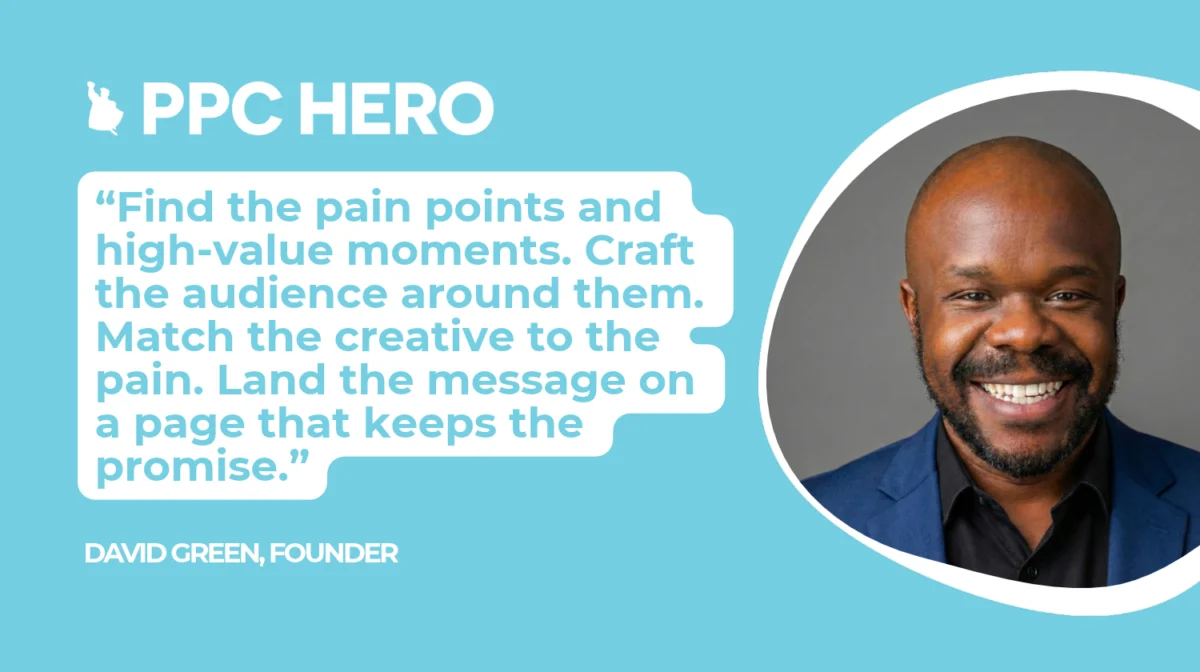
The success of the modernized display framework relies on a disciplined, sequential process. Industry practitioners break down the methodology into four actionable pillars:
[1. Find Pain Points] ──> [2. Craft Audiences] ──> [3. Match Creative] ──> [4. Land the Message]Step 1: Uncover the Real Pain Points
Marketers must abandon product-centric thinking and dig into the psychological and situational triggers of the consumer. During client interviews, a representative from an HVAC and plumbing company shared an illuminating perspective:

"Nobody calls for a water heater. They call because they have a cold shower."
This single statement transformed ad strategy. While the company was selling water heaters, consumers were desperately trying to escape a miserable morning routine. To uncover these insights, advertisers are encouraged to mine customer service call logs, review feedback, chat transcripts, and leverage AI tools to brainstorm missed pain-point angles.
Step 2: Build and Refine the Audience
Google offers five primary audience types for non-search campaigns: custom, combined, in-market, lookalike, and affinity segments. Each performs differently in a local lead-gen context:
- Custom Segments: This is where pain points come to life. Instead of bidding on broad service keywords, advertisers build segments using exact search queries people type while experiencing a problem—such as "why is my shower cold," "no hot water in shower," or "hot water runs out fast." Furthermore, bloated, legacy custom segments (e.g., mixing furnace, heat pump, and general HVAC queries together) must be split into hyper-specific, themed segments to ensure creative relevance.
- Combined Segments: Highly tactical, these segments allow marketers to intersect target groups while systematically excluding unwanted traffic, such as existing customers.
- In-Market Segments: Often dismissed too early, these warrant a second look, particularly when paired with targeted demographic filters.
- Lookalike Segments: Frequently forgotten by local advertisers, these are naturally integrated into YouTube and Demand Gen and thrive when fed a healthy, high-quality customer list.
- Affinity Segments: Repeatedly tested across local accounts, affinity segments generally fail to yield effective results for local lead generation and are usually bypassed.
Step 3: Match the Creative to the Pain
When an ad appears in a social feed or alongside a news article, the user is not actively shopping; they are consuming content. Service-first copy ("Local Water Heater Pros" or "Licensed and Insured with 2,400+ Reviews") is easily scrolled past.
Pain-point-first copy stops the scroll because it mirrors the user’s immediate reality:
| Service-First Approach | Pain-Point-First Approach |
|---|---|
| “Local Water Heater Pros” | “Tired of Cold Showers?” |
| “Trusted HVAC Pros” | “AC Blowing Warm Air?” |
| “Licensed and insured with 2,400+ five-star reviews. Call today for a free estimate.” | “No hot water this morning? Warm showers back by tonight.” |
Step 4: Land the Message Seamlessly
The user journey must remain uninterrupted. If a custom audience is targeted around "cold showers," and the ad copy promises "warm showers back by tonight," the corresponding landing page headline must immediately echo that exact promise. A direct, cohesive line must connect the audience segment, the ad creative, and the landing page copy.
Official Industry Responses and Strategic Implications
As digital marketing agencies face mounting margin pressures due to rising search costs, the pivot toward intent-driven non-search campaigns has drawn significant attention from industry leaders.

Speaking at post-conference panels, digital strategists emphasized that the era of "set-it-and-forget-it" display campaigns is officially over. Agencies that continue to upload generic, product-focused banner ads into automated Google campaigns will continue to waste client budgets. Conversely, agencies that adopt a narrative-driven, pain-point-first approach are unlocking scalable growth channels that were previously thought impossible for local businesses.
Critical Watch-Outs for Marketers
While the results speak for themselves, scaling non-search campaigns for local accounts requires vigilant oversight. Industry experts advise keeping a close eye on seven potential pitfalls:
- Over-reliance on automated targeting without strict custom segment guardrails.
- Failing to exclude existing customers via combined segments, wasting ad spend on brand loyalists who would have converted organically.
- Using bloated, mixed-topic custom segments that dilute ad relevance.
- Neglecting creative fatigue, as display and video ads require frequent creative refreshes compared to static search text ads.
- Disconnecting the landing page message from the emotional hook established in the ad creative.
- Applying affinity segments blindly without testing their viability for local lead gen.
- Ignoring mobile user experience, where fast load times are critical for consumers experiencing urgent household emergencies.
Conclusion
The transformation of display advertising in the local marketing sector serves as a powerful reminder of a fundamental marketing truth: features tell, but benefits and emotional relief sell.
By stepping away from the literal constraints of the search bar, redefining audiences around real-world frustrations, aligning creative messaging with human pain points, and maintaining continuity through the landing page, agencies can rescue written-off channels and turn them into powerhouse growth engines. As the case study triumphantly proved: businesses thought they were selling water heaters, but customers were simply trying to buy a warm shower. Once marketers understood that distinction, everything changed.