By Editorial Staff
Published: September 2026
Main Facts
For digitally native beauty brands, breaking into physical retail—particularly the lucrative, high-end ecosystem of spas, resorts, and specialty wellness chains—presents a unique set of paradoxes. While physical brick-and-mortar operators fiercely guard their service exclusivity, they are simultaneously risk-averse when it comes to adopting unknown labels.
A recent encounter between a brand representative and a high-end spa manager in California underscores this challenge. Armed with an established French beauty brand popular across Europe and Asia, the representative pitched the manager, anticipating an enthusiastic reaction to becoming the exclusive launching pad for the product in the United States. Instead, the manager politely declined. Her reasoning was straightforward: spa clientele consistently request brands they already recognize or those explicitly recommended by peers. Introducing an unfamiliar label was deemed an unnecessary commercial risk.
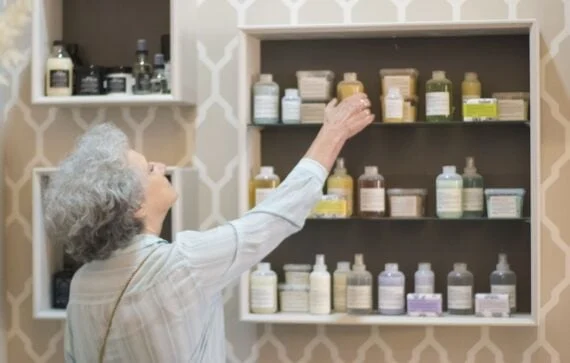
This dynamic highlights a fundamental shift required in marketing strategies for online-first companies attempting to transition into physical retail. Rather than optimizing for immediate digital conversions, brands must prioritize long-term brand awareness, trust-building, industry networking, and professional endorsements. Furthermore, the pathway into a spa requires distinguishing between two distinct entry points: "retail" shelves—products sold to clients post-treatment—and the "back bar," the professional-grade products utilized by estheticians during treatments. Because unseating a trusted back-bar product can take years, the retail shelf almost always serves as the strategic, frictionless entry door.
Chronology
Understanding the timeline of physical retail penetration is vital for digital brands accustomed to the instant gratification of direct-to-consumer (D2C) campaigns. Transitioning from an initial introduction to a signed purchase order is rarely a transactional event; rather, it is a deliberate, multi-month relationship-building process.
- Months 1–2: Discovery and Industry Integration
Brands initiate contact not through cold digital outreach, but by embedding themselves within physical industry ecosystems. This involves joining regional networks like the SoCal Spa Wellness Collective or securing a booth at targeted boutique exhibitions such as Live Love Spa events. During this phase, founders build face-to-face rapport with spa directors, bypassing the digital noise that plagues traditional inboxes. - Months 3–4: The Digital Audit and Professional Vetting
Once interest is registered, spa managers routinely conduct rigorous digital background checks. They scrutinize the brand’s website, evaluating product page structuring, ingredient transparency, imagery, and call-to-action clarity. Concurrently, brands target local estheticians—the true micro-influencers of the physical wellness space—by sending professional samples and educational kits. - Months 5–6: Protocol Co-Development and Strategic Placement
With basic trust established, the brand collaborates directly with the spa’s staff to co-develop seasonal treatment protocols incorporating the product line. This positions the brand to secure initial shelf space for retail items (such as sunscreens, cleansers, or seasonal necessities), setting the stage for a long-term commercial partnership.
Supporting Data & Industry Insights
Navigating the B2B spa landscape requires a complete recalibration of performance metrics, communication channels, and channel strategies. Data from trade interactions and industry behavioral patterns reveal several critical realities for brands looking to expand offline:
The Failure of Cold Emailing
While cold outreach in the digital marketing sphere can occasionally boast high open rates—sometimes approaching 80%—its conversion efficacy within the luxury spa market is notoriously low. Spa managers and resort directors operate in high-tempo environments, quickly prioritizing direct client communications while archiving or deleting unsolicited sales pitches. The notable exception to this rule is individual estheticians, who are more inclined to engage with tailored professional inquiries.
The Cost of In-Person Networking
European and direct-to-consumer founders frequently balk at the financial and logistical investment required for physical trade events—such as annual memberships starting at $1,100 with regional collectives, or exhibition fees for curated buyer showcases. However, data indicates that face-to-face networking yields exponentially higher conversion rates than digital outreach. Securing a single flagship resort often serves as a social proof catalyst, causing neighboring or competing properties to adopt the brand organically.
Shifting Key Performance Indicators (KPIs)
When building an omnichannel strategy, the metrics for B2B-facing websites diverge sharply from standard D2C metrics:
- Traditional D2C Focus: Conversion rates, average order values (AOV), and purchase frequency.
- B2B Retail Enabler Focus: Branded search volume on Google, direct traffic patterns, professional account registrations, sample requests, and interactions with "Where to Buy" digital store locators.
Channel Harmonization
Brands maintaining an omnichannel model must carefully segment their product inventory to protect their spa partners. Retail-sized products (such as daily cleansers and makeup removers) can be shared across channels, provided that strict minimum advertised pricing (MAP) is enforced to ensure digital platforms do not undercut physical spa pricing. Conversely, professional-use-only items must be strictly gated behind verified pro-login portals.
Official Responses & Industry Perspectives
Industry veterans and retail strategists emphasize that patience and adaptability are the ultimate currencies when negotiating with spa directors.
According to retail growth consultants working within the wellness sector, negotiations must extend far beyond simple wholesale pricing structures. "Negotiating with spas involves more than price," notes industry literature on the subject. "It includes comprehensive training for estheticians and filling the spa’s immediate seasonal needs—such as stocking up on high-demand sunscreens in the summer or replenishing out-of-stock makeup removers. The right product at the right moment beats a broader strategy. Patience is the whole game."
Furthermore, the paradigm of digital influence undergoes a dramatic shift in physical retail environments. While mainstream beauty brands chase macro-influencers and lifestyle creators with millions of general followers, spa managers place their trust in localized, credentialed professionals. Estheticians act as trusted authorities whose direct recommendations carry vastly more weight with consumers exiting a facial treatment than any digital ad campaign.
Implications
The structural friction between digital-first marketing and brick-and-mortar retail has profound implications for emerging beauty and wellness brands.
- Redefining the Marketing Budget: Digital startups must reallocate a portion of their customer acquisition cost (CAC) budgets away from top-of-funnel social media ads toward experiential B2B environments, industry memberships, and face-to-face trade showcases.
- The Rise of Professional-Consumer Hybrids: Brands can no longer treat D2C and B2B as completely isolated silos. A brand’s website must double as a credible B2B validation hub, signaling to cautious spa directors that the brand possesses the operational maturity, ingredient transparency, and visual polish required to support a physical retail presence.
- Trust-Centric Growth over Hyper-Growth: In the spa industry, scale is achieved through cascading trust rather than algorithmic scaling. By winning over the individual esthetician and securing one prestigious resort partner at a time, online brands can successfully transition into durable, respected fixtures of the physical wellness economy.