In the digital landscape, the most successful content creators share a common superpower: they possess the ability to convince an audience that the best is yet to come. Subscription-based media, particularly blogging, relies heavily on the promise of future value. When a reader hits the "subscribe" button, they are making an investment in the creator’s future output, betting that the quality they see today will be sustained or improved upon tomorrow.
But how does one bridge the gap between a first-time visitor and a long-term, loyal subscriber? The answer lies in the intentional cultivation of anticipation. While some bloggers master this through natural intuition, there is a strategic, structural framework that any publisher can use to transform passive readers into a dedicated community.
The Core Thesis: Past Performance as Future Promise
The most compelling argument you can offer a potential subscriber is not a promise, but a track record. Your current and past content serves as the most effective marketing tool for your future work. When a reader lands on your site, they are essentially performing a quality audit. If they find a piece of content that is insightful, entertaining, or actionable, their brain immediately extrapolates that experience into the future, assuming that subscribing will provide a recurring stream of similar value.
This creates a foundational paradox for many creators: to get someone to sign up for what you haven’t created yet, you must leverage the weight of what you have already written.
Chronology of a Subscription: From Discovery to Loyalty
The journey of a reader typically follows a specific, predictable path. Understanding this chronology is essential for optimizing your site’s conversion architecture:
- The Point of Entry: A user lands on your site, usually via a search engine or social media link, looking for a specific answer to a specific question.
- The Value Assessment: The user quickly scans the content. If the content hits the mark, the reader transitions from a "browser" to an "evaluator."
- The "Sneeze" Effect: A high-performing site will immediately funnel this reader into related, high-quality content, proving that the initial success was not a fluke.
- The Call to Action (CTA): Once the user has been exposed to two or three high-quality pieces, the likelihood of them clicking a "Subscribe" or "Follow" button skyrockets.
- The Habituation: The reader begins to see your content in their inbox or feed, cementing your brand into their daily or weekly information diet.
Strategic Frameworks: How to Highlight Your Best Assets
Merely writing great content is not enough. You must actively manage the visibility of that content to ensure that new visitors see your absolute best work, rather than just your most recent post, which may or may not be representative of your capabilities.
1. The Power of "Sneeze Pages"
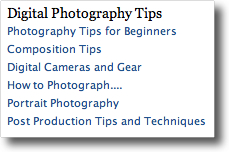
Often referred to as "Hub Pages" or "Resource Pages," Sneeze Pages are designed to create an immersive experience. By grouping your best content by category—such as "Essential Guides," "Strategy Sessions," or "Case Studies"—you allow readers to "sneeze" through your archives.
When a user lands on a Sneeze Page, they are presented with a curated library of your authority-building work. This drastically increases page views and signals to the reader that you are a comprehensive expert in your niche. Crucially, these pages should have clear, prominent subscription prompts, as these are the high-intent moments where a reader is most likely to commit to your newsletter.
2. "Best Of" Curations and Heat Mapping
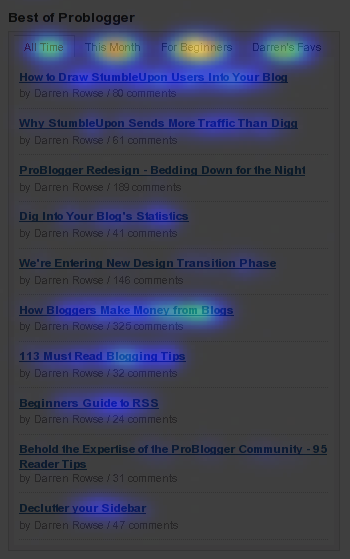
Your sidebar or homepage should act as a high-conversion billboard. Creating a "Best of [Your Brand]" section is a classic, yet remarkably effective, strategy. By analyzing reader behavior through heat-mapping tools like CrazyEgg, you can identify exactly which articles garner the most interest.
If your data shows that a specific article consistently captures attention, place it in a dedicated "Most Popular" or "Start Here" section. This serves two purposes: it directs traffic to your strongest assets, and it validates your expertise through social proof—showing new visitors what other readers have already deemed valuable.
3. Smart Landing Pages
Modern content management systems allow for dynamic landing pages that detect a user’s intent. If a reader arrives at your site via a specific search query, a sophisticated system can suggest related articles from your archives that deepen their understanding of that specific topic. This creates a "comprehensive source" effect, where the visitor feels they have found the definitive repository for the subject they are researching.
4. Intentional Interlinking
One of the most underutilized tools in a blogger’s arsenal is the humble hyperlink. Every new post you write should serve as a gateway to your evergreen content. By strategically linking to your previous best work, you are constantly feeding a cycle of discovery. If a reader clicks through three or four articles that all deliver high value, the "anticipation" of your future emails becomes an easy, logical choice for them.
Supporting Data: Why Visibility Matters
Evidence from industry-leading platforms suggests that readers are 40% more likely to subscribe after interacting with at least three pieces of content rather than just one. This is known as the "Depth-of-Engagement" metric.
When a blog relies solely on a chronological stream—where the latest post is the only thing visible—it risks losing potential subscribers who landed on a "weak" or "niche" post. By curating a "Best Of" or "Sneeze" experience, publishers can effectively curate the first impression, ensuring that the reader’s initial interaction is with the most high-value, high-converting content available.
Official Perspectives: The Psychology of Anticipation
Content strategists note that the psychology of anticipation is rooted in the human desire for cognitive consistency. If a user learns something valuable from a brand, they expect that brand to continue providing value. This expectation is the primary driver of subscription growth.
As one veteran publisher noted: "You aren’t just selling a newsletter; you are selling a promise of future enlightenment. If you don’t show the proof of that promise on your landing page, you are asking for a blind leap of faith. Smart bloggers remove the ‘blind’ part by showing exactly what the future holds."
Implications for the Modern Content Creator
The implication for bloggers, newsletter writers, and content marketers is clear: stop relying on the "latest post" as your primary hook. Instead, treat your blog as a living product.
- Audit Your Archives: Take the time to identify your "hero" content—the pieces that get the most comments, shares, and search traffic.
- Repackage and Re-promote: Do not let these pieces die in the archives. Move them to your homepage, your sidebar, and your navigation menus.
- Optimize for Conversion: Ensure that every high-traffic page has a clear, low-friction path to subscription.
- Create "On-Ramps": Use Sneeze Pages to guide new readers into your world.
The Road Ahead
Building anticipation is not a one-time setup; it is a continuous process of curation and refinement. Tomorrow’s content will be built upon the foundations you lay today. By intentionally guiding your readers through your best work, you transform a casual visitor into a subscriber, and a subscriber into a loyal advocate.
Remember, the goal is not to fill an inbox with noise; the goal is to create a signal so strong that your audience cannot wait to see what you produce next. The next step in this journey involves understanding the emotional triggers that move readers from "interested" to "invested"—a topic that warrants further deep-dive analysis in the future. For now, look at your site through the eyes of a stranger: Does what they see convince them that your future content is worth their time? If the answer is no, the strategy to change that is already sitting in your archives, waiting to be rediscovered.