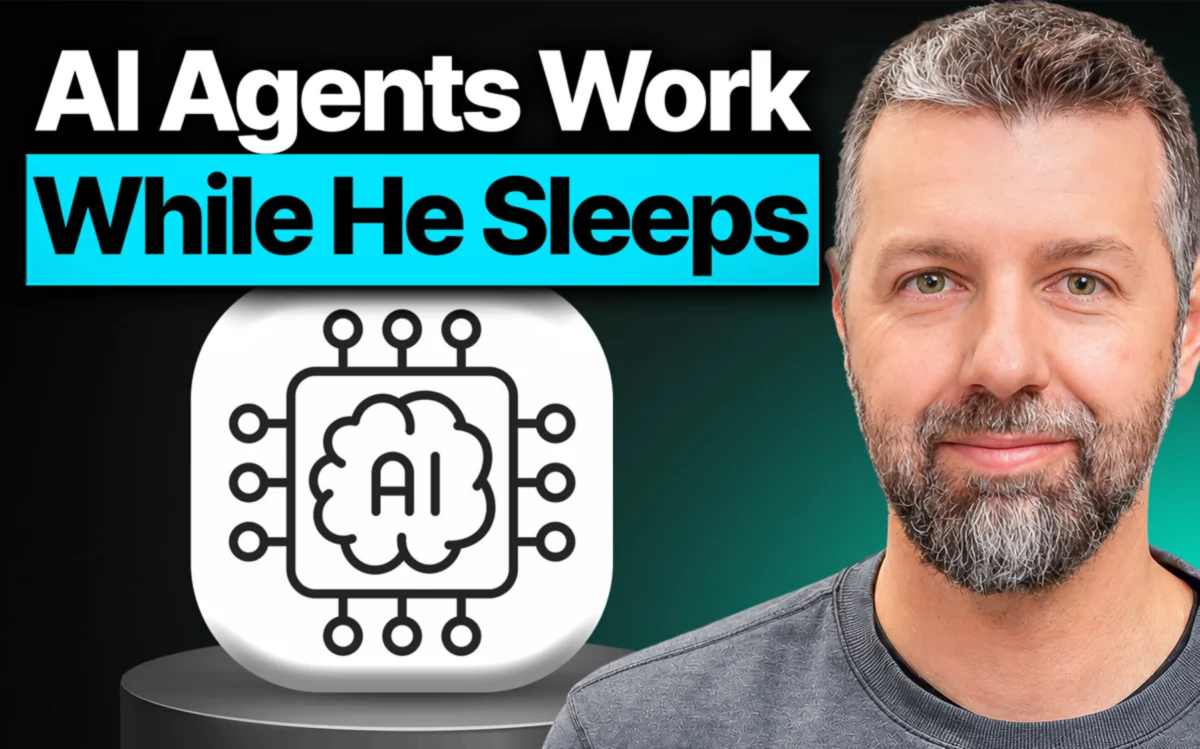
In the fast-evolving landscape of artificial intelligence startups, many ventures are born out of speculative hype, chasing short-term trends with little operational foundation. However, a different narrative is unfolding in the creator and software-as-a-service (SaaS) economy. Veteran founder and operator Brian Casel provides a refreshing counter-narrative through his latest venture, Builder Methods.
Appearing on a recent episode of the Niche Pursuits podcast, Casel dissected the architectural blueprint behind Builder Methods. By leveraging two decades of digital product experience, a meticulously curated YouTube channel, a streamlined email funnel, and an engaged community, Casel is demonstrating how seasoned entrepreneurs can successfully pivot toward the AI agent era without losing the pragmatism that defines sustainable business.
Main Facts: The Anatomy of Builder Methods
Builder Methods is an emerging educational and community-driven ecosystem designed to help business owners, operators, and non-technical founders harness AI agents, spec-driven development, and custom automation tools.
At its core, the business operates on a classic, highly optimized digital funnel:
- Top-of-Funnel Reach: A rapidly growing YouTube channel focused on practical AI building, Claude Code, and software workflows.
- Middle-of-Funnel Nurturing: A targeted email newsletter that converts passive viewers into engaged community participants using automated sequences and high-value free resources.
- Monetization Engine: Builder Methods Pro, an annual paid membership offering an extensive library of step-by-step courses, training materials, and peer-to-peer community access.
- The Operational Philosophy: A core thesis that AI agents are not merely speculative chat interfaces, but rather repeatable, scheduled workers. Casel argues that business owners who have spent years writing standard operating procedures (SOPs) already possess the cognitive framework required to excel in agentic automation.
Chronology: Two Decades in the Making
To understand the mechanics of Builder Methods, one must examine the trajectory that led Casel to this juncture. His professional history spans 20 years of continuous adaptation across the digital ecosystem.
The Foundation (Early Career to 2015)
Casel began his career as a designer before transitioning into software development. Over time, he absorbed the fundamental pillars of bootstrapped entrepreneurship, self-teaching marketing, sales, content creation, and operations. This multifaceted background allowed him to understand digital businesses from every functional angle, rather than viewing them solely through a technical lens.
The Productized Service Era (2015–2020)
A major milestone in Casel’s career was the founding of Audience Ops, a productized content marketing agency launched in 2015. Running Audience Ops gave him deep insights into service operations, client management, and predictable recurring revenue models. He successfully operated and scaled the company until exiting through an acquisition in 2020.
The SaaS Expansion (2021–Present)
In 2021, Casel launched Clarityflow, a SaaS product built specifically for coaches and consultants who rely on asynchronous video, audio, and text messaging to communicate with clients. Clarityflow remains active and operational today, providing Casel with continued insights into the realities of modern software development and subscriber retention.
The Pivot Toward AI (2024–2025)
By 2024, Clarityflow had settled into a steady, mature growth pattern—stable, but lacking the explosive breakout trajectory familiar to bootstrapped SaaS founders seeking fresh challenges. Concurrently, Casel had been quietly investing time into his YouTube channel, publishing weekly tutorials on Ruby on Rails and various software experiments.
By early-to-mid 2025, that focus sharpened dramatically toward artificial intelligence, specifically Claude Code, spec-driven development, and the fundamental transformation of software creation. This convergence of long-term operational experience and cutting-edge AI experimentation laid the groundwork for Builder Methods.
Supporting Data: Metrics, Growth, and Content Strategy
Casel’s approach to building an audience relies on balancing high-production reach with deep, value-driven engagement. His publishing and conversion metrics illustrate a deliberate, highly calculated content strategy.
The YouTube Growth Engine
YouTube serves as the primary acquisition channel for Builder Methods. However, producing this content is an intensive, multi-day endeavor. A typical 15-to-20-minute video involves extensive ideation, scripting, technical testing, editing, and publishing systems.
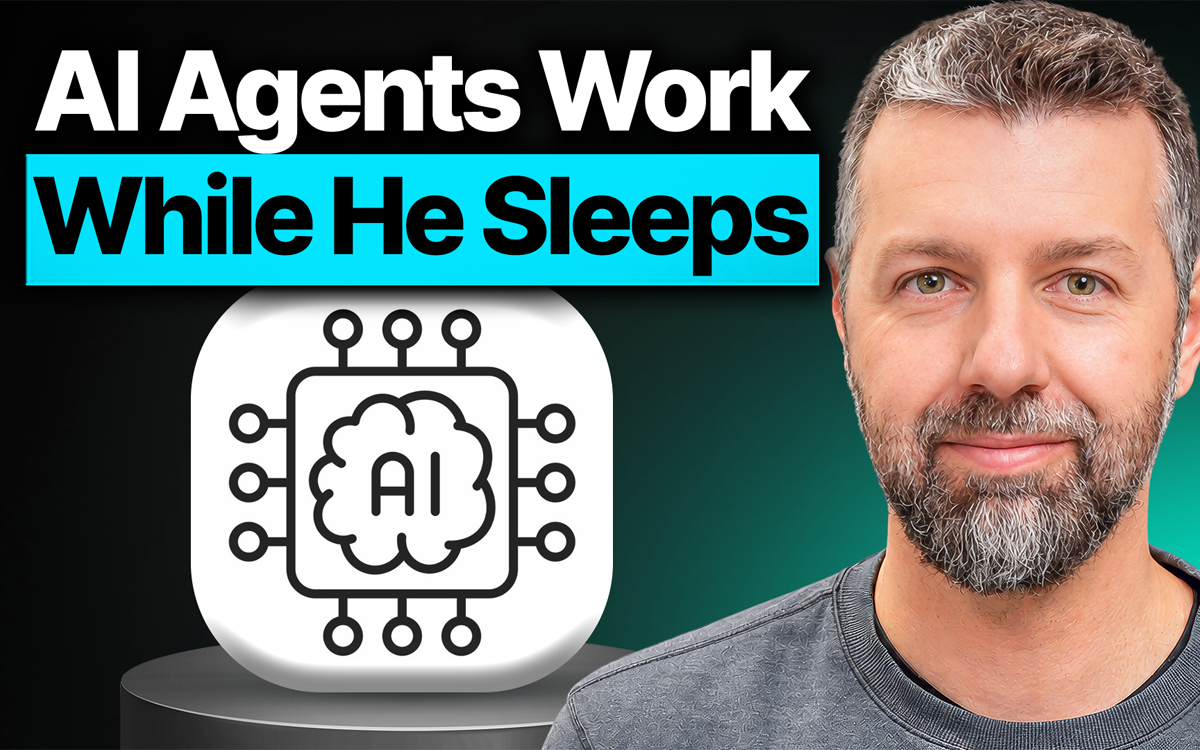
The channel’s performance spans a wide spectrum:
- Outlier Successes: Specific high-demand technical deep dives—such as a breakout OpenClaw video in March—have driven view counts toward the one-million mark. Meanwhile, specialized tutorials on Claude Code regularly capture between 50,000 and 60,000 views.
- The Long-Tail Value of Niche Views: While some introductory or highly specific videos generate a modest 1,000 to 3,000 views in their initial weeks, Casel notes that these smaller cohorts often yield higher-intent prospects. A viewer from a low-view video is frequently a dedicated builder who readily joins the email list or enrolls in the community.
The Conversion Funnel
Transitioning YouTube viewers into email subscribers required strategic testing. Initially, Casel promoted his newsletter within the first 30 seconds of nearly every video. He later adjusted this tactic, moving promotional mentions toward the middle or later segments of his videos to allow casual viewers time to absorb the content before making a commitment.
Once subscribers enter the email ecosystem, Casel keeps the architecture clean:
- A weekly newsletter delivering curated insights and free tools.
- An automated onboarding sequence designed to deliver immediate value.
- Strategic invitations to join Builder Methods Pro once subscribers demonstrate sustained engagement.
The Core Offer: Builder Methods Pro
The primary revenue driver for the business is an annual membership program featuring more than 100 instructional videos. Organized into structured courses, the curriculum guides members through building with AI, mastering Claude Code, creating tools without prior coding experience, and deploying automated workflows. The accompanying community hosts hundreds of active builders sharing operational notes and technical breakthroughs.
Official Perspectives and Insights: The Shift to "Agent-First" Thinking
During the podcast discussion, Casel emphasized a crucial paradigm shift regarding who can successfully build with AI. Initially, his messaging targeted professional software developers adjusting to AI coding assistants. However, his focus has intentionally expanded toward business owners, operators, and non-coders.
Redefining the "Technical" Founder
Casel argues that non-technical business owners often suffer from unnecessary intimidation when approaching AI agents. In reality, operators who have spent years writing standard operating procedures (SOPs), managing virtual assistants, and delegating recurring tasks already possess the exact mental models required to deploy AI successfully.
"AI agents are less about writing complex code from scratch and more about describing repeatable work with absolute clarity," Casel explained. "If you know how to break down a business process for a human employee, you already know how to brief an AI agent."
Practical Applications Across Industries
Casel separates his personal AI deployment into two distinct categories:
- Interactive Development: Direct, real-time working sessions using tools like Claude Code to build software and internal utilities.
- Scheduled Autonomous Agents: Background processes that run on hourly or daily schedules to handle recurring operational tasks—such as data aggregation, content drafting, customer routing, and pipeline management.
This methodology is not restricted to software companies. Casel highlighted a member of the Builder Methods Pro community—a California-based dental practice owner—who is successfully utilizing these techniques to build custom internal tools for case management and bookkeeping. The common denominator across all success stories is process repeatability.
Implications: The Future of Solopreneurship and SMB Automation
The rise of Builder Methods signals a broader, systemic shift in how small-to-medium-sized businesses (SMBs) and solopreneurs operate. As artificial intelligence transitions from exploratory chat interfaces to autonomous, agentic workflows, several key implications emerge for the digital economy:
- The Democratization of Internal Software: Small business owners no longer need to rely on expensive, rigid enterprise software or wait months for contract developers to build basic internal tools. By leveraging spec-driven development and AI agents, service providers, local businesses, and creators can custom-build utilities tailored precisely to their workflows.
- The Premium on Process Documentation: As technical barriers fall, the true competitive advantage shifts entirely to process design. Founders who excel at documenting workflows, defining clear operational parameters, and structuring repeatable business logic will scale their agentic workforces exponentially faster than those with disorganized operations.
- Sustainable Creator Business Models: Casel’s trajectory—moving from agency work to bootstrapped SaaS, and finally to an integrated media-and-membership ecosystem—highlights a resilient blueprint for modern entrepreneurs. By utilizing free, high-reach platforms (YouTube) to feed educational communities (paid memberships), creators can build durable, high-margin businesses independent of volatile ad networks or venture capital pressures.
Ultimately, Brian Casel’s work with Builder Methods proves that the most successful AI-first businesses are not built by chasing fleeting technological novelties. Instead, they are forged by combining timeless operational discipline with the leverage of modern automation—proving that the future belongs not just to coders, but to clear thinkers and systematic operators.