Introduction: The Evolution of Paid Search
After spending more than a decade in the trenches of digital marketing, I have witnessed paid search undergo a profound metamorphosis. In the nascent days of the discipline, success was measured by a laser-focused obsession with keywords. Exact match, broad match, and phrase match constituted the holy trinity of campaign management. As the ecosystem matured, audiences, remarketing lists, advanced demographics, and granular device targeting entered the fold, adding layers of complexity to daily operations.
Today, however, the industry is hurtling toward a fundamentally different paradigm: intent-driven search powered by artificial intelligence.
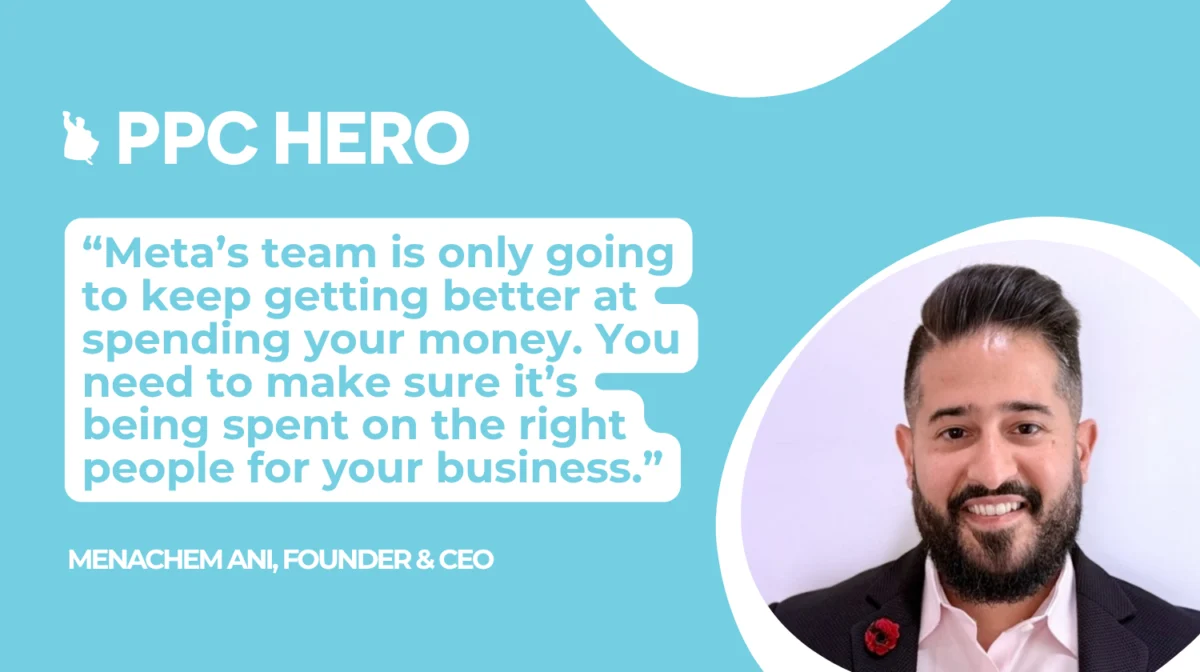
At the center of this shift is AI Max, a suite of automated, AI-driven capabilities integrated into modern Search campaigns. While some advertisers are reaping the benefits of incremental growth and accelerated revenue, others are discovering a harsh reality. Unchecked AI automation can quickly expand targeting into unprofitable, irrelevant traffic that was never intended for acquisition.
The divergence in performance rarely boils down to the technology itself. Instead, it hinges on how effectively an account is managed around it. AI Max and search automation do not replace strategy; they simply shift the need for strategy further up the funnel. To survive and thrive, advertisers must adapt.

What AI Max Actually Does
As defined by platforms like Google Ads, AI Max is an evolving collection of AI-powered capabilities designed to optimize Search campaigns beyond human limits. It dynamically expands query matching, customizes ad text on the fly, and determines optimal landing page destinations based on real-time user intent.
The core mechanics of AI Max pivot away from static keywords. Instead, the system evaluates weak and strong signals around user intent, creative assets, and landing page content to identify untapped opportunities. While this unlocks unprecedented potential for incremental growth, the flipside is an equally massive potential for wasted ad spend.
Think of AI Max as an amplifier—or a critical variable in a mathematical formula. When applied to a robust account with high-quality inputs, it supercharges performance and drives scaled revenue. Conversely, when unleashed on a weak account structure, it simply accelerates expensive mistakes.
The fundamental equation of modern search is remarkably straightforward:

$$textHigh-Quality Inputs times textAI Max Automation = textScaled Performance & Revenue$$
If an account suffers from poor conversion data, weak landing pages, or overly convoluted structures, performance automation cannot fix those foundational flaws. It will merely magnify them. This explains why two distinct advertisers utilizing identical AI Max features can experience diametrically opposed outcomes. Account A features clean conversion signals and focused campaigns, while Account B fails on all counts. Success requires building an operating environment that enhances AI Max’s strengths.
The Chronology of Paid Search: A 20-Year Evolution
To understand where we are, it is vital to trace how we arrived here:
- Phase 1: The Keyword Era (Early 2000s – 2010s): Campaigns were built on rigid keyword lists and manual match-type management. Success was a matter of keyword density and exact match optimization.
- Phase 2: The Audience Era (Mid 2010s – 2020): Targeting expanded beyond what users typed to who users were. Remarketing lists for search ads (RLSA), custom affinities, and demographic modifiers took center stage.
- Phase 3: The Smart Bidding & Automation Era (2020 – 2025): Machine learning began taking over manual bidding. Target CPA and Target ROAS algorithms replaced manual bid adjustments.
- Phase 4: The AI Max Era (Present Day): Fully integrated generative and predictive AI takes control of query matching, creative asset generation, and dynamic destination URLs, shifting the manager’s role from tactical execution to high-level system training.
The AI Max Operating Framework
Rather than blindly toggling on AI Max and stepping back, marketers must implement a disciplined, six-stage operating framework.

1. Onboard Deliberately
The primary mistake is treating every AI Max feature as mandatory. Advertisers must begin by selecting capabilities that align specifically with their industry and account maturity. Search Term Matching and Text Customization are generally safe bets for discovering new traffic and boosting ad relevance. Final URL Expansion, however, demands intense scrutiny regarding what the account can safely handle.
2. Set Strict Guardrails
AI Max thrives on freedom, but your marketing budget has strict limits. The system needs to navigate three distinct operational zones: discovery, refinement, and scaling. To prevent run-away budgets, advertisers must utilize exclusionary controls, budget caps, brand safety lists, and negative keyword frameworks. These guardrails represent your ultimate defense against wasted spend.
3. Honor the Learning Period (2–4 Weeks)
One of the fastest ways to sabotage AI Max is to prematurely optimize during its infancy. The learning process generally adheres to a strict timeline:
- Week 1 (Exploration): The system aggressively tests queries, traffic sources, and niche opportunities.
- Weeks 2–3 (Learning & Improvement): Behavioral patterns emerge, and performance metrics stabilize.
- Weeks 3–4 (Refinement & Scaling): Operators can make data-backed decisions regarding budget expansion.
Patience is mandatory. Separating genuine performance bottlenecks from normal algorithmic exploration prevents knee-jerk reactions to day-to-day fluctuations.

4. Train Through Feedback, Not Micromanagement
The daily routine of a paid search manager has fundamentally shifted. Instead of tweaking individual bids and negative match types, modern operators focus on managing advanced inputs:
- Refining first-party conversion data feeds.
- Feeding the system high-quality creative asset variations.
- Optimizing landing page UX and conversion rate optimization (CRO).
- Adjusting value-based bidding parameters.
By refining these inputs, you actively train the automation engine to achieve superior business outcomes.
5. Scale Winners, Not Spend
Identifying winning targeting segments and auto-created assets does not give you a blank check to inflate budgets indiscriminately. True optimization requires scaling selectively. High-margin product lines may easily support a Target ROAS approach, whereas low-margin SKUs require tighter efficiency constraints. True success prioritizes profit over mere click volume.
6. Build Continuous Feedback Loops
High-performing AI Max accounts rely on continuous, closed-loop data flows. When performance dips, managers must audit underlying inputs—such as signal quality and creative freshness—before blaming the algorithm. A healthy feedback loop ensures that better signals lead to better decisions, which yield superior traffic and stronger bottom-line results.

Official Recommendations and Industry Perspectives
Major platforms and industry thought leaders emphasize that AI automation is not a set-it-and-forget-it tool. Platform documentation continually highlights the necessity of pairing AI-driven campaigns with robust smart bidding strategies and hyper-accurate conversion tracking.
According to conference insights from leading digital marketing summits, accounts lacking proper measurement discipline or clean conversion data are ill-prepared for AI Max. Industry veterans stress that the future belongs to practitioners who master data hygiene, signal integrity, and strategic guardrails.
Implications for Digital Marketing Professionals
The rise of AI Max and advanced search automation carries profound implications for the digital marketing workforce.
The Shift Up-Funnel
The traditional tactical execution role—characterized by endless spreadsheet reviews, manual bid adjustments, and keyword pruning—is rapidly disappearing. In its place, the modern paid search strategist operates more like a data scientist and brand director. Success is defined by how well you architect the inputs that guide machine learning algorithms.

Strategic Imperatives for Agencies and In-House Teams
- Re-skilling Talent: Teams must transition from manual optimization tactics to understanding machine learning models, data pipelines, and conversion tracking architecture.
- Redefining Client Expectations: Stakeholders must be educated on the necessity of learning periods and the dangers of premature micro-optimizations.
- Holistic Business Alignment: Paid search can no longer operate in a silo. Aligning ad campaigns with real-time profit margins, inventory levels, and customer lifetime value (LTV) is now essential for survival.
Conclusion: Five Principles for AI Max Success
To summarize, running a modern search account in the age of AI Max requires adhering to five immutable principles:
- Signals Beat Keywords: The caliber of your inputs dictates the quality of your automated outputs.
- Control Beats Freedom: Give AI room to innovate, but draw clear boundaries around your budget.
- Structure Beats Automation: Clean, deliberate account architecture feeds algorithms the clarity they require to succeed.
- Training Beats Monitoring: Stop micromanaging auctions; instead, refine the foundational inputs that shape AI behavior.
- Profit Beats Volume: High traffic and conversion counts are meaningless unless they drive sustainable, profitable business growth.
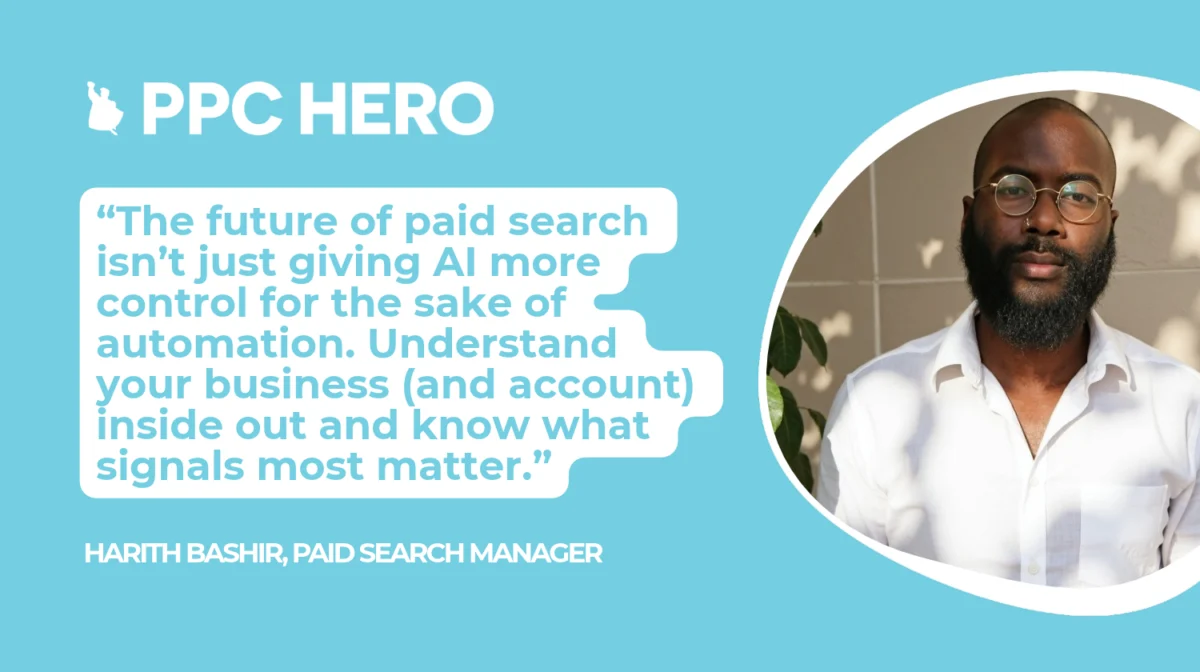
Ultimately, the future of paid search does not belong to those who hand over total control to blind automation. It belongs to the strategists who understand their business inside and out, master their core data signals, and provide AI Max with the optimal environment to thrive—all while maintaining absolute command over their enterprise bottom line.