
The global ecommerce technology landscape is undergoing a profound structural shift. This week’s product release cycle highlights a decisive pivot across the digital commerce ecosystem: raw analytics and passive reporting dashboards are rapidly being replaced by autonomous, agentic artificial intelligence capable of executing complex business operations.
From B2B site-search and multi-currency stablecoin integration to agentic marketing engines and automated tax nexus tracking, service providers are racing to build unified "operating systems" for modern merchants. This comprehensive briefing analyzes the wave of new tools, platforms, and infrastructural updates transforming digital trade.

Main Facts: The Core Shifts in Commerce Technology
This week’s updates span several distinct pillars of the modern merchant stack, with artificial intelligence and frictionless cross-border mechanics serving as the primary catalysts for change.
- The Rise of Agentic Operations: Artificial intelligence is no longer restricted to generating text descriptions or answering basic customer queries. Platforms like Lightspeed Commerce, Marklo, and Alibaba’s QwenWork have introduced "agentic" capabilities. These systems independently analyze catalogs, sales figures, and inventory levels to formulate marketing campaigns, recommend strategic next steps, and draft operational workflows for human review.
- Cross-Border and Multi-Currency Simplification: Friction in international trade continues to attract technological solutions. Fiserv rolled out its Commerce Hub for centralized orchestration, EasyShop launched a multi-category marketplace across 21 European nations without holding inventory, and a strategic partnership between Mastercard and BVNK introduced the Global Money Platform, marrying traditional banking rails with stablecoin infrastructure via a single API.
- Unified Infrastructure and B2B Personalization: Platforms are breaking down operational silos. Algolia introduced native B2B support for Shopify to handle account-specific pricing and catalogs, Appriss Retail consolidated fragmented omnichannel claims with Engage Insights, and TopDawg launched a free multichannel dropshipping distribution hub for U.S. suppliers.
Chronology of Releases: A Packed Week of Merchant Innovation
The past week saw a dense cluster of high-profile product unveilings across North America, Europe, and Asia.

- Algolia (Shopify B2B Integration): Algolia opened the week by launching native site-search support for Shopify B2B, allowing wholesalers to deliver personalized discovery based on individual buyer permissions and negotiated contract pricing.
- Fiserv (Commerce Hub): Released its cross-border orchestration platform, providing merchants with unified APIs, local payment options, and integrated fraud management across global markets.
- Google (Universal Cart Launch): Rolled out its intelligent shopping cart across Google Search and the Gemini app in the U.S., leveraging its 60-billion-item Shopping Graph to assist shoppers with price drops, card perks, and cross-platform checkouts.
- Lightspeed Commerce (Agentic POS Features): Debuted an opt-in beta for its new agentic retail capabilities, shifting its POS system from passive insights to active, reasoning-driven inventory and sales recommendations.
- Oracle NetSuite (QuickStart Platform): Announced a free, AI-first financial platform designed to help early-stage technology startups automate accounting, banking, and subscription management from inception.
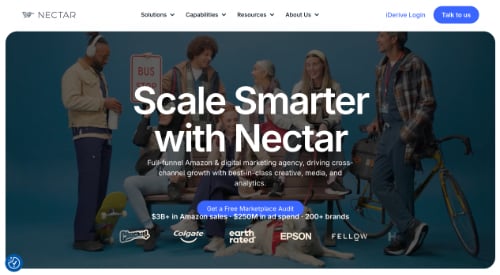
- Nectar (Customer Atlas): Launched an Amazon Marketing Cloud capability that targets individual shoppers rather than generic keywords across Amazon search advertising budgets.
- Appriss Retail (Engage Insights): Unveiled a unified dashboard consolidating cross-channel returns and claims data to combat retail fraud and shrinkage.
- TopDawg (Multichannel Distribution Hub): Released a centralized supplier portal allowing U.S. brands and manufacturers to sync inventory and manage wholesale dropshipping across multiple online channels for free.
- Square (Kiosk with Agentic Voice Layer): Introduced a restaurant self-service kiosk powered by a conversational voice layer capable of processing real-time menu adjustments and multi-location orders.
- EasyShop (European Marketplace): Launched a stock-free, multi-category marketplace operating across 21 European countries with automated VAT calculations, powered by OnCommerce.
- Miracly (AI Marketing & $2.42M Pre-Seed): Secured $2.42M led by Beenext Ventures and Lotus to expand its AI platform—featuring marketing agent Mira—into public relations and performance marketing.
- ShopBack (SparkHub): Rolled out an AI-assisted creator tool enabling brands to discover influencers, manage briefs, and track Gen Z-focused sales links directly.
- Marklo (Agentic Marketing & $5M Seed): Raised $5 million led by Forerunner to launch its public beta, offering Shopify brands an automated weekly marketing engine managed via Slack and email.
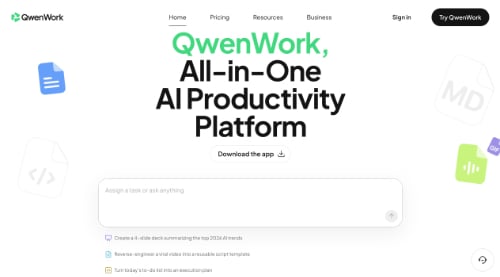
- Alibaba QwenWork (E-Commerce Mode): Unveiled an invite-only beta in China applying agentic AI across merchant workflows, spanning planning, content creation, and multi-platform advertising.
- Siteimprove (CMS Remediation Agent): Advanced its content compliance platform with tools to fix web accessibility and PDF formatting issues directly inside WordPress and Drupal.
- Loops ($3.5M Seed for Commerce AI OS): Secured $3.5M from investors including A16z Speedrun to scale its enterprise operating system designed to guide shopper discovery and brand decision-making.
- Mastercard & BVNK (Global Money Platform): Debuted an API-driven payments infrastructure merging global networks with stablecoin functionality for real-time foreign exchange and multi-currency accounts.
- FinStackk (SalesTaxx): Launched an end-to-end U.S. sales tax compliance platform featuring automated nexus monitoring, threshold alerts, and direct integrations with major accounting and ecommerce software.
Supporting Data and Funding Metrics
The financial backing behind this wave of software innovation demonstrates immense investor confidence in agentic workflows and infrastructure modernization:
- Venture Capital Inflows:
- Marklo secured $5 million in seed funding led by Forerunner.
- Loops closed a $3.5 million seed round featuring participants such as A16z Speedrun, NTT Docomo, and Monday Capital.
- Miracly gathered $2.42 million in pre-seed funding backed by Beenext Ventures and Lotus.
- Scale and Reach:
- Google’s new Universal Cart taps directly into an underlying Shopping Graph comprising 60 billion product listings.
- EasyShop immediately expands merchant access across 21 distinct European national markets through a single unified account structure.
- Nectar’s Customer Atlas indexes brand purchase histories against all 6,728 audience segments natively exposed by the Amazon Marketing Cloud.
Official Responses and Strategic Vision
Industry leaders have emphasized that the latest round of product releases marks a fundamental philosophical transition away from manual data entry and toward hyper-automated execution.
Executives at Algolia noted that the integration of native B2B search on Shopify addresses a long-standing pain point for wholesale distributors, who previously struggled to reconcile complex enterprise contract pricing with consumer-grade site interfaces. By ensuring buyers only view authorized SKUs upon login, merchants eliminate quoting errors and streamline wholesale purchasing loops.
In the realm of financial technology, representatives from Fiserv and Mastercard highlighted the growing demand for borderless, frictionless transactions. By unifying traditional merchant services and stablecoin networks through single-API frameworks like the Global Money Platform, businesses can bypass legacy banking bottlenecks and manage cross-border liquidity in real time.

Meanwhile, AI-focused disruptors like Marklo and Lightspeed stress that merchant fatigue is real. Business owners are inundated with analytics dashboards that tell them what is happening without lifting a finger to fix it. By shifting toward "agentic" loops—where AI reviews business health via Slack and prepares actionable marketing campaigns for a simple human "approve" click—software is finally reducing cognitive load rather than adding to it.
Implications for Merchants and the Future of Digital Commerce
The accumulation of these disparate tools points to several definitive conclusions for the immediate future of retail:
- The Death of the Static Dashboard: Software vendors can no longer win market share simply by visualizing data. Merchants demand systems that take autonomous action—whether that means automatically adjusting ad bids via Nectar, remediating website accessibility flaws inside WordPress via Siteimprove, or monitoring impending tax nexus limits via FinStackk’s SalesTaxx.
- Democratization of Enterprise Capabilities: Early-stage startups and mid-market brands now have access to enterprise-grade tools that were previously out of reach. Oracle NetSuite’s free QuickStart financial platform, combined with free dropshipping distribution via TopDawg and zero-inventory international reach via EasyShop, lowers the barrier to entry for global commerce.
- The Rise of Agentic Shopping and Commerce: As demonstrated by Google’s Universal Cart and Square’s voice-activated restaurant kiosks, artificial intelligence is reshaping not only how merchants manage their internal operations, but also how end consumers discover, evaluate, and purchase goods.
As these technologies exit beta phases and integrate deeper into core merchant workflows over the coming year, digital commerce will increasingly operate on automated, intelligent autopilot—freeing human founders to focus on product differentiation and creative brand storytelling.