As artificial intelligence continues to reshape the digital landscape, WordPress agencies face a critical juncture. While the industry is flooded with optimistic rhetoric about automated workflows and overnight efficiency gains, navigating this technological paradigm shift requires a calculated, risk-aware approach.
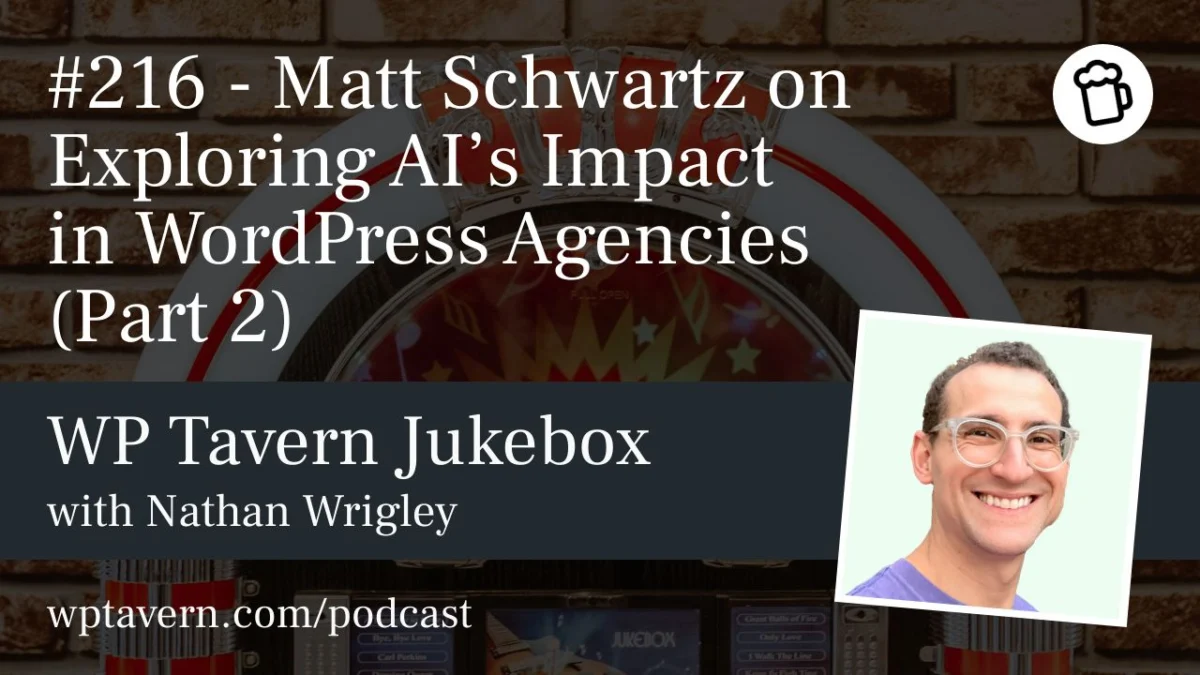
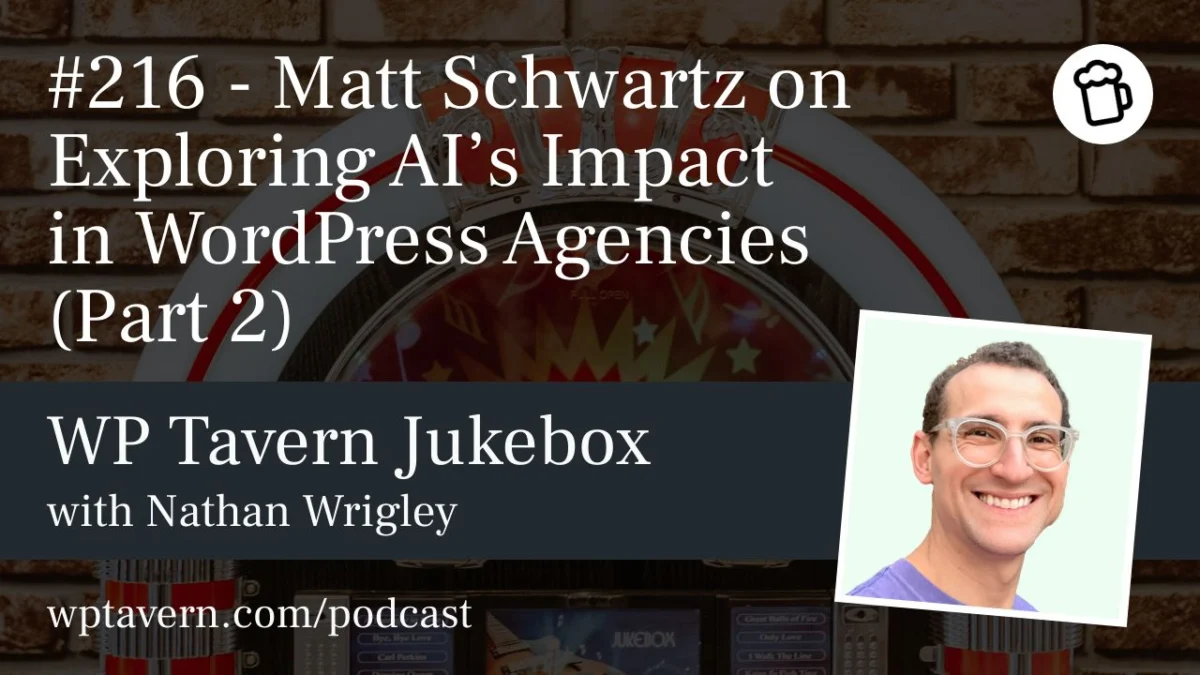
In the concluding installment of a comprehensive two-part series on the WP Tavern Jukebox podcast, host Nathan Wrigley sat down once again with Matt Schwartz, founder of an Atlanta-based WordPress agency established in 2011 and developer of the form and checkout QA tool CheckView. Picking up from their previous discussion on foundational AI integrations, Schwartz delivered an in-depth blueprint for agencies looking to deploy AI securely, optimize internal operations, and anticipate the long-term shifts rippling through the WordPress ecosystem.
Main Facts: The Evolution of AI in Agency Workflows
The conversation advanced past basic content generation and automated email drafting into advanced agency infrastructure. Schwartz and Wrigley examined how modern AI can be woven into everyday business logic, turning theoretical efficiency into tangible operational wins.
- Connecting to the "Agency Brain": Rather than relying purely on out-of-the-box chat models, agencies are increasingly linking their AI assistants directly to existing project management wikis, customer relationship management (CRM) tools, and platforms like ClickUp or Asana.
- Model Context Protocol (MCP): Emerging as a major game-changer, MCP allows agencies to establish secure, centralized bridges between AI agents and multiple internal systems without managing complex, vulnerable API configurations.
- Vibe-Coded Internal Tooling: Agencies are utilizing AI-generated code to spin up low-risk internal dashboards, reporting systems, and profitability trackers, bypassing expensive third-party SaaS subscriptions for hyper-specific needs.
- QA and Checklist Automation: By leveraging custom AI "skills," teams can automate repetitive, black-and-white testing checklists while keeping human reviewers focused on high-risk variables.
Chronology of the Discussion: Moving Beyond the Basics
Building directly upon the first eight points established in part one of the mini-series, the second half of the discussion systematically unpacked the remaining operational strategies, potential industry disruptions, and stark warnings for agency owners.
9. Giving AI Access to the "Agency Brain"
Schwartz highlighted a popular operational hack circulating within agency communities like The Admin Bar: teaching an AI chatbot to automatically reference internal project management software whenever a query about agency operations is posed. By instructing tools like Claude or ChatGPT to query a ClickUp or Asana repository in real-time, the AI stops guessing and retrieving outdated assumptions, drastically reducing the rate of factual inaccuracies (or "hallucinations").
"If you’ve got a plugin or internal SOPs, throw the AI at it," Wrigley noted, emphasizing how utilizing a centralized corpus of documentation allows teams—and clients—to instantly pull verified support answers.
10. Internal MCPs and Guardrails
Delving into technical infrastructure, Schwartz explained the Model Context Protocol (MCP)—an open-source standard designed to connect AI agents to external systems safely. Instead of forcing every employee to manage a sprawling web of direct API keys, an agency can build a single, secure internal MCP proxy.
However, Schwartz warned of the inherent dangers. Without strict guardrails preventing operations like database deletions or server-level commands, a single unvetted prompt could compromise an entire client hosting infrastructure.
11. Vibe-Coded Agency Tools
The conversation shifted to the rise of "vibe coding"—building applications purely through conversational AI prompts. Schwartz emphasized that while building internal tools (such as financial reporting dashboards or time-tracking analyzers) carries a low risk profile, attempting to replace mission-critical external SaaS products (like multi-site management dashboards) is a hazardous gamble.
"If you’re just replacing SaaS products to save $30 a month, you’re going to end up spending a lot more on maintenance," Schwartz cautioned.
12. Quality Assurance, Checklists, and Testing
While cautioning against building core QA tools with AI, Schwartz championed using conversational workflows to optimize testing protocols. By training AI on specific agency launch checklists via features like Claude "Skills," agencies can run automated pre-flight checks while explicitly designating high-risk items—such as ensuring a staging site’s noindex tag is disabled—for mandatory human review.
Supporting Data and Ecosystem Impacts: The WordPress Plugin Market
The integration of generative AI is not occurring in a vacuum; it is actively altering the commercial viability of traditional WordPress development.
- The Decline of Micro-Plugins: Plugin developers, particularly those offering smaller utility plugins that solve single problems, are experiencing noticeable drops in sales. Agencies and freelancers are increasingly opting to write custom, AI-generated code snippets rather than purchasing off-the-shelf solutions.
- Consolidation of Major Players: Larger plugin shops are quietly sunsetting secondary, niche extensions to focus heavily on defensible platforms—their core "moats"—that AI cannot easily replicate or support.
- Community Erosion: Both Wrigley and Schwartz raised concerns regarding the psychological and social health of the WordPress ecosystem. As developers and freelancers rely more heavily on AI to solve technical roadblocks rather than engaging in community forums, Slack channels, and local meetups, traditional forms of organic community engagement are beginning to wane.
Official Warnings: Risks, Cautions, and the Vendor Trap
The core of the discussion served as a necessary counterweight to the unbridled techno-optimism frequently found across professional social media networks. Schwartz outlined several severe risks that agency owners must account for:
- Data Security and Public Records: Many commercial AI providers reserve the right to process or log user input. Entering sensitive client data, proprietary source code, or confidential financial metrics into consumer-grade chat interfaces exposes agencies to catastrophic leaks.
- The Illusion of Error-Free Code: Because AI tools lower the barrier to entry by removing interactive friction, users frequently skip rigorous error-handling and logging implementation. When edge cases inevitably break the application, teams lack the underlying architectural understanding to debug it efficiently.
- Vendor Lock-In and Price Hikes: Agencies that build their entire operational scaffolding around a single AI vendor’s proprietary developer tools (such as advanced coding environments) face acute vulnerability. As venture capital subsidies dry up, dramatic price hikes—such as moving from $20 consumer tiers to hundreds of dollars per user—could severely disrupt agency margins.
Implications: The Future of Agency Business Models
Looking forward, Schwartz mapped out the likely outcomes for freelancers and agency directors over the coming years.
- Shifts in Hiring: The era of hiring junior staff strictly for repetitive execution tasks is slowing down. As AI absorbs baseline execution, the industry is seeing a higher premium placed on deep strategic thinking, quality assurance management, and high-level client consultation.
- Hyper-Productized Services: Agencies can leverage AI to scale niche service offerings. For instance, an agency specializing exclusively in digital marketing for plumbers can deploy hyper-specific, AI-assisted onboarding and operational processes that would have previously required prohibitive manual overhead.
- The Human-as-Manager Paradigm: The ultimate trajectory of the agency space involves humans shifting into managerial roles overseeing autonomous AI agents. However, this transition must be balanced with robust monitoring, financial buffers against rising tool costs, and a conscious effort to preserve the collaborative spirit that underpins the open-source community.
Conclusion
For WordPress professionals looking to get ahead thoughtfully and securely, Schwartz advises deliberate dabbling. Rather than rushing blindly into reckless automation, agencies must audit their internal processes, document their workflows, and maintain a healthy skepticism toward the black-box nature of generative AI.
To listen to the full two-part conversation and access the comprehensive show notes document compiled by Matt Schwartz, visit wptavern.com/podcast.