By Global Health & Culture Desk
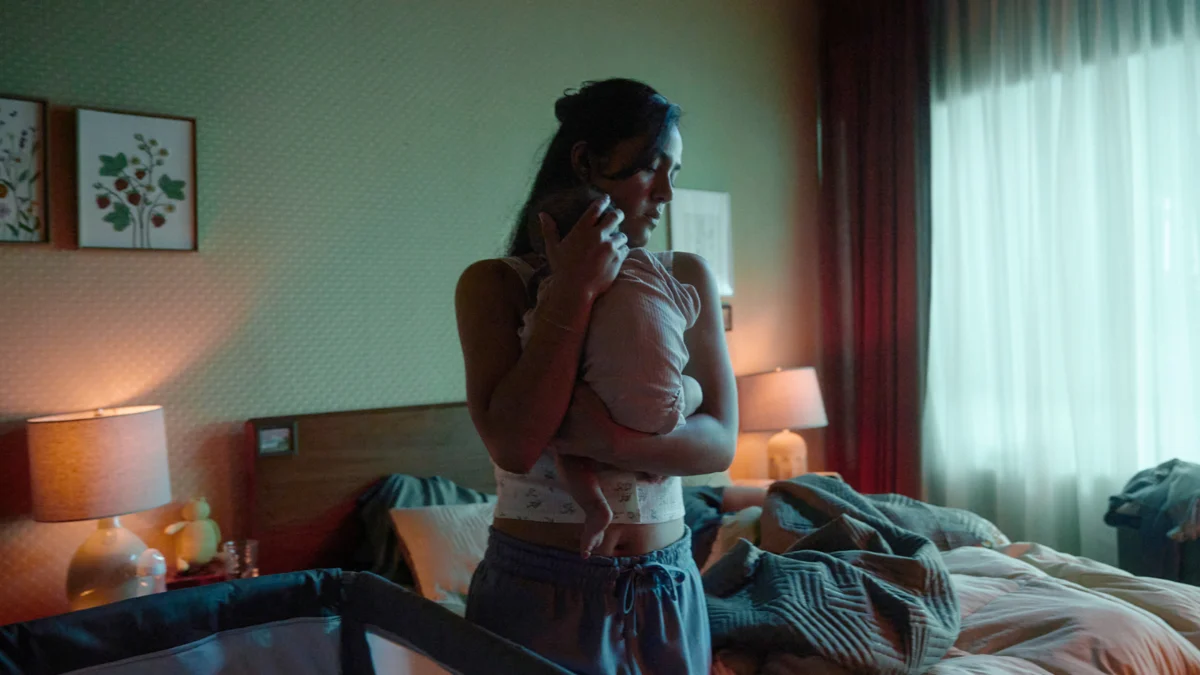
A screaming baby in the middle of the night. Painful stretch marks. Silent tears shed behind the closed door of a steamy shower. These raw, unfiltered realities of early motherhood are too frequently kept locked away in secrecy, hidden beneath a cultural veneer of effortless domestic bliss and maternal perfection. But a powerful new public service announcement (PSA) campaign launched today by the Ad Council aims to drag these unspoken burdens out of the shadows, offering a lifeline to millions of women navigating the tumultuous waters of postpartum life.
Timed strategically ahead of World Mental Health Day, the Ad Council has unveiled “What’s Her Secret?”, a striking suite of creative assets designed to encourage new and expectant mothers to prioritize their psychological well-being. This targeted maternal mental health initiative—housed under the broader moniker The Secret to Motherhood—forms a vital pillar of the Council’s overarching “Love, Your Mind” mental health awareness campaign. By dismantling the unrealistic expectations placed upon women during one of the most vulnerable transitions of their lives, the campaign hopes to normalize conversations around postpartum depression, anxiety, and the profound emotional complexity of raising a child.
Main Facts of the Campaign
The centerpiece of The Secret to Motherhood initiative is a poignant, pro-bono commercial crafted by the acclaimed creative agency Mischief USA. The narrative unfolds in a sunlit park, where a group of women has gathered to catch up on life. Turning their attention to one member of the group who recently gave birth, a friend asks the ubiquitous, deceptively loaded question: “How do you make it look so easy?”
The new mother pauses, weighing her words carefully. She offers a considered response, attributing her smooth transition to a consistent daily routine and a reliable support system. Yet, as she speaks polite platitudes aloud, a jarring, high-contrast montage plays on a loop inside her mind: scenes of relentless exhaustion, sleepless nights, overwhelming chaos, and the quiet despair of feeling entirely unequipped for the demands of parenthood.
As the psychological turbulence in her mind reaches a crescendo, the external dialogue fades away entirely. A poignant voice-over cuts through the quiet, delivering the campaign’s defining thesis:
“There is no secret to motherhood. There are only secrets we’re keeping about it.”
The campaign’s rollout is sweeping in its geographic and media scope. Running nationwide in both English and Spanish, the PSAs will saturate broadcast television, online video channels, out-of-home billboards, radio waves, and digital media platforms. To maximize reach, the initiative relies on the Ad Council’s signature collaborative model, wherein media outlets donate valuable ad space and airtime. This is bolstered by pro-bono contributions from creative powerhouses and media giants, including Mischief USA, WPP Media, Datonics, Amazon Ads, Fuse Media, iHeartMedia, Kargo, Pinterest, and Reddit.
At the core of the outreach is a direct call to action, driving women to a newly minted, expert-vetted digital hub at LoveYourMind.com/moms. This platform provides accessible resources, guidance, and community support tailored specifically to the unique psychological hurdles of early motherhood.
Chronology: How the Campaign Came to Life
The journey toward The Secret to Motherhood campaign reflects a growing, long-overdue cultural reckoning regarding maternal healthcare, intersecting public health data with deeply personal creative storytelling.
Phase One: Recognizing the Cultural Gap (Late 2023 – Early 2024)
For years, mental health advocates and maternal health organizations flagged a dangerous disconnect: while society increasingly acknowledged the importance of general mental health, the specific, acute psychological crises faced by postpartum mothers remained heavily stigmatized. Expectant and new mothers continued to feel immense social pressure to project joy, gratitude, and effortless competence, even as they wrestled with hormonal shifts, identity loss, and severe mood disorders. Recognizing this critical gap, the Ad Council began conceptualizing a dedicated sub-campaign under its established “Love, Your Mind” banner.
Phase Two: Creative Development and Pro-Bono Collaboration (Mid 2024)
Tasked with bringing the concept to life, independent creative agency Mischief USA took the helm. Rather than relying on clinical medical jargon or abstract concepts, the creative team decided to lean into the psychological dissonance experienced by millions of women: the jarring gap between the polished persona presented to the outside world and the internal chaos of postpartum survival.
Bianca Guimaraes, founding partner and executive creative director at Mischief USA, drew directly from her own harrowing personal experiences with postpartum depression to shape the narrative. Her raw, lived insights—such as hours spent pushing a stroller through a park while secretly envying the carefree freedom of childless passersby—became the emotional blueprint for the park scene in the commercial.
Phase Three: Coalition Building and Resource Integration (Late Summer 2024)
As the creative assets took final shape, the Ad Council forged strategic alliances across the media landscape. Collaborating with organizations like the Maternal Mental Health Leadership Alliance (MMHLA), the campaign team worked to curate an evidence-based digital resource hub. They ensured that every commercial, digital banner, and radio spot would seamlessly direct women to professional, vetted psychological tools rather than empty slogans.
Phase Four: The Nationwide Launch (October 2024)
Timed deliberately to coincide with the global focus on mental health leading into World Mental Health Day, the campaign officially broke silence across the United States. Utilizing a massive network of donated broadcast, digital, and print media slots, The Secret to Motherhood went live simultaneously in English and Spanish, initiating a national dialogue designed to shatter the conspiracy of silence surrounding maternal mental health.
Supporting Data: The Hidden Crisis of Maternal Mortality
While cultural narratives have long painted motherhood as an inherently blissful, instinctual state of grace, hard public health data tells a radically different—and far more alarming—story. Maternal mental health conditions are not rare anomalies; they are widespread, pervasive medical realities that affect a staggering number of families.
According to data compiled by the Maternal Mental Health Leadership Alliance (MMHLA), at least one in five mothers report experiencing clinically significant symptoms of depression or anxiety during the perinatal and postpartum periods. Despite the high prevalence of these conditions, three-quarters of these women—75%—receive zero professional treatment for their mental health.
The consequences of leaving postpartum mood disorders unaddressed are not merely uncomfortable; they are frequently fatal. According to the most recent report on maternal mortality prevention from the Centers for Disease Control and Prevention (CDC), suicide and substance overdoses stemming from untreated mental health conditions represent a leading cause of death for new mothers in the United States. Shockingly, mental health-related fatalities accounted for 27.7 percent of all pregnancy-related deaths analyzed in the CDC’s latest benchmark report.
These stark statistics underscore the reality that maternal mental health is an urgent public safety issue. When society pressures women to suppress their struggles in the name of "keeping up appearances," it actively contributes to a culture of isolation that can have fatal consequences.
Official Responses and Personal Testimonies
The launch of The Secret to Motherhood has drawn widespread praise from public health advocates, creative directors, and mothers alike, who view the campaign as a crucial step toward dismantling generations of harmful societal expectations.
At the heart of the campaign’s emotional resonance are the personal disclosures of its creators. Bianca Guimaraes of Mischief USA stepped forward during the press rollout to share the candid reality of her own battle with postpartum depression, hoping to strip away the shame that so often accompanies the condition.
"Those were thoughts I didn’t feel like I could say out loud," Guimaraes shared in an official press release accompanying the campaign launch. "That’s what this work is about: the thoughts we hide because they don’t sound like what a new mother is supposed to feel. I loved my children deeply. I was also struggling deeply. Both things can be true."
Guimaraes’ testimony captures the central paradox of maternal mental health: the capacity to feel an overwhelming, fierce love for a newborn while simultaneously experiencing crushing despair, anxiety, or resentment toward the lifestyle changes demanded by parenthood. By validating the coexistence of these conflicting emotions, the campaign provides a psychological exhale for women who have long suffered in silence, terrified that voicing their struggles would brand them as "bad mothers."
Public health officials have similarly lauded the campaign for its directness and clinical grounding. By partnering with organizations dedicated to maternal mortality prevention, the Ad Council has ensured that the creative messaging is backed by actionable, life-saving pathways to care.
Broader Implications: Redefining the Standard of Care for Mothers
The launch of The Secret to Motherhood arrives at a pivotal juncture in conversations surrounding healthcare, gender equity, and mental wellness in modern society. For decades, the systemic support structure for new mothers in the United States has been notoriously deficient, characterized by a glaring lack of paid parental leave, astronomical childcare costs, and a postpartum healthcare system that historically prioritizes the physical health of the newborn while virtually ignoring the psychological stabilization of the mother.
By bringing these hidden struggles into the mainstream media landscape via broadcast television, transit billboards, and digital feeds, the campaign forces a broader cultural reflection. It challenges the romanticized archetype of the "supermom"—an impossible standard weaponized against women to shame them into masking their vulnerability.
1. Cultural Shifts in Parenting Communities
On a grassroots level, the campaign fosters environments where honest conversations can take place without judgment. When public service announcements validate the normalcy of intrusive thoughts, exhaustion, and postpartum anxiety, they empower mothers to lean on their peer networks, partner openly with their spouses, and demand better care from their obstetricians and pediatricians.
2. Clinical and Institutional Transformations
From an institutional standpoint, the campaign highlights the urgent necessity for universal screening protocols. Mental health check-ins should not be an optional add-on during postpartum recovery; they must be treated as a mandatory, standard component of maternal healthcare. If nearly 28% of pregnancy-related deaths are driven by mental health crises, pediatricians, OB-GYNs, and primary care physicians must be equipped to proactively screen, identify, and intervene before despair transforms into tragedy.
3. Media and Corporate Responsibility
The unprecedented level of pro-bono collaboration between the Ad Council, Mischief USA, WPP Media, and major digital platforms like Amazon, Pinterest, and Reddit demonstrates a collective corporate recognition of the stakes involved. By donating millions of dollars in media real estate to normalize mental health transparency, these entities are signaling that public health advocacy is a shared responsibility that extends far beyond the walls of a doctor’s office.
Conclusion: Breaking the Silence Once and For All
The ultimate success of The Secret to Motherhood will not be measured merely by the number of views its commercials accumulate or the web traffic driven to LoveYourMind.com/moms. Its true legacy will be written in the quiet moments of relief experienced by a sleep-deprived mother sitting in a dimly lit nursery, realizing for the first time that she is neither broken nor alone.
By replacing toxic perfectionism with radical honesty, the Ad Council and Mischief USA have provided a vital cultural intervention. They remind society of a fundamental truth that has been obscured for far too long: that motherhood is complex, messy, and hard—and that asking for help is not a failure of maternal instinct, but an act of profound strength, courage, and survival.