Introduction: The Invisible Architecture of the Web
For most users, the internet is a seamless expanse of content, commerce, and communication. Behind this digital veneer lies a vast, complex infrastructure of domain name registries, registrars, cloud providers, and web hosting companies. When this architecture functions as intended, it goes entirely unnoticed. However, when a vulnerability is exploited or a major cyberattack is launched, the fragile interconnectedness of the digital ecosystem is laid bare.
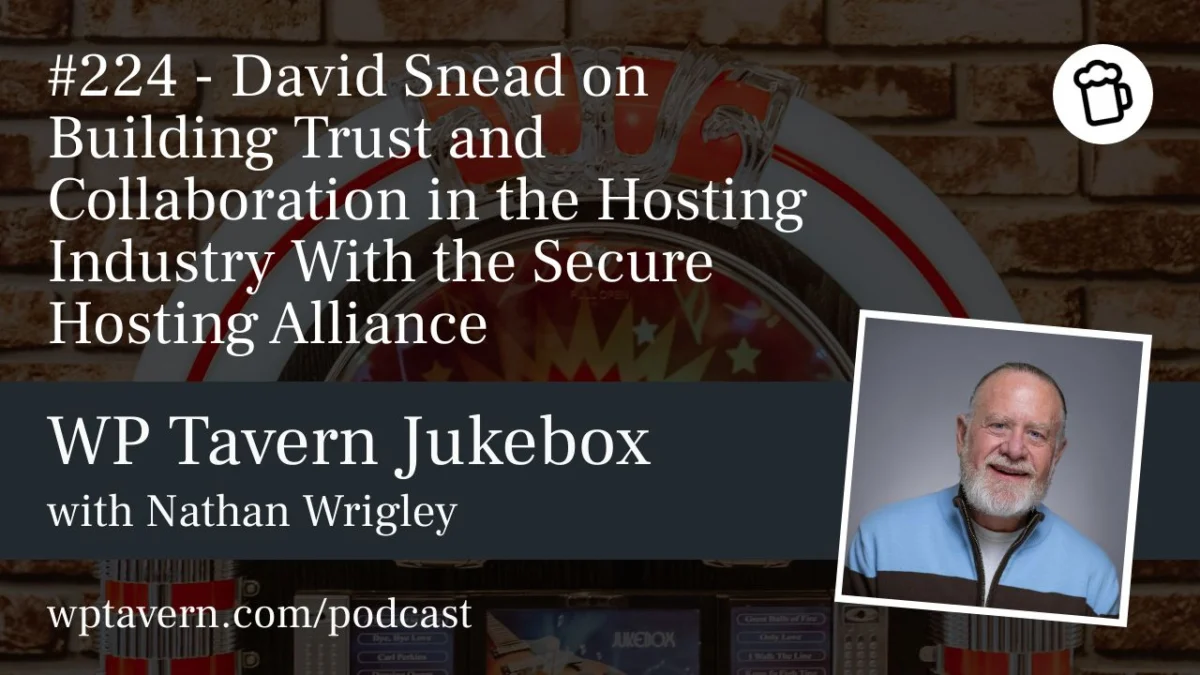
In a recent episode of the Jukebox Podcast from WP Tavern, host Nathan Wrigley sat down with David Snead, a veteran attorney and industry advocate with over two decades of experience in the web hosting sector. Snead, who currently leads the Secure Hosting Alliance (SHA) and has a storied history with cPanel, WebPros, and the i2Coalition, discussed a critical, behind-the-scenes movement: bridging the gap between isolated hosting providers to combat digital abuse through real-time intelligence sharing.
This article explores the initiatives spearheaded by Snead and the Internet Infrastructure Forum (IIF), detailing why the hosting industry is moving away from isolated competition and toward unprecedented cross-industry collaboration.
Main Facts: Unifying the Internet Infrastructure Stack
The core focus of Snead’s recent initiatives—spanning the Secure Hosting Alliance and the broader Internet Infrastructure Forum—is to establish a unified, actionable framework for addressing cyber threats before adversaries can adapt.
The primary components of this collaborative effort include:
- The Internet Infrastructure Forum (IIF): A voluntary, multi-stakeholder organisation facilitated by the Paris-based Internet and Jurisdiction Foundation. It unites registrars, registries, DNS providers, cloud services, and web hosts to streamline abuse reporting.
- Real-Time Intelligence Sharing: Moving away from static, delayed abuse reporting, the IIF prototype allows participants to submit non-proprietary data points (such as timestamps, IP addresses, and domain names) to a centralized secretariat. This data is then enriched and routed directly to the appropriate provider for remediation.
- The Secure Hosting Alliance (SHA): Operating as a working group within the i2Coalition, the SHA focuses on leveling up ethics, professionalism, and security across the hosting industry while offering a trusted certification seal for compliant providers.
- Platform Agnosticism: While heavily relevant to the WordPress ecosystem—which powers a significant portion of the web—these security and collaboration frameworks are entirely platform-agnostic, applying equally to Drupal, custom PHP applications, and broader web infrastructure.
Chronology: A Quarter-Century of Evolution in Web Hosting
To understand the necessity of today’s security alliances, one must look at the evolution of the hosting industry over the last 25 years.
The Early Days (Late 1990s – Early 2000s)
David Snead entered the hosting industry in 1999 as in-house legal counsel for one of the pioneering shared hosting companies. In those formative years, the industry was tight-knit. Operators frequently communicated, shared operational insights, and fostered a sense of camaraderie.
Industry Consolidation (2000s – 2010s)
As the web matured, massive consolidation swept through the hosting landscape. Large conglomerates acquired smaller providers, and the informal networks of communication that once defined the industry largely evaporated. During this period, Snead worked in private practice with over 50 hosting companies, drafted countless user agreements, and eventually co-founded the i2Coalition alongside Christian Dawson to protect infrastructure providers from detrimental U.S. legislation. He subsequently spent a decade as in-house counsel for cPanel and WebPros.
The Modern Era: The Secure Hosting Alliance (2023 – Present)
Recognizing that modern cyber threats outpaced the defensive capabilities of isolated operators, Snead launched the Secure Hosting Alliance. Over the past year, the SHA has grown rapidly from two or three charter members to 25 hosting providers, alongside security vendors and trust-sealed members. The alliance is now laying the groundwork for expanding its trust seals to security vendors by 2027.
Supporting Data: The Business Case for Collaboration
A central theme of Snead’s advocacy is that moral persuasion alone is insufficient to drive security adoption in a crowded, competitive market. Instead, the argument for collaboration must be rooted in economic realities and operational efficiency.
- Resource Disparity: While large hosting enterprises (such as GoDaddy and Newfold, both of which participate in these initiatives) maintain substantial budgets and dedicated abuse-handling teams, smaller hosts often operate on razor-thin margins with limited bandwidth.
- The "Fake Shop" Test Case: The IIF’s current prototyping phase centers on combating fraudulent e-commerce platforms ("fake shops") and credential harvesting schemes. These illicit operations generate a massive volume of abuse complaints.
- Mitigating Downstream Costs: For a small host receiving only a handful of abuse complaints monthly, a single fake shop campaign can overwhelm support staff, consume bandwidth, and drive up payment processing fees. By utilizing the IIF’s streamlined API and intelligence-sharing pipeline, operators can save hours of manual research time.
Official Responses and Structural Frameworks
Implementing cross-border, cross-industry collaboration is fraught with legal and technical hurdles. Snead addressed how these challenges are being systematically managed:
Legal and Jurisdictional Nuances
Information that can be shared freely in the United States may be heavily restricted under privacy frameworks like the European Union’s GDPR, or within India and Brazil. To navigate this, specialized legal working groups within the IIF analyze cross-border compliance.
Crucially, the data shared through the platform avoids proprietary or confidential business secrets. Instead, it relies on standardized, abstracted formats—such as the Abuse Reporting Format (XARF)—focusing strictly on non-personal technical indicators like IP addresses and domain records.
Membership and Governance
The Secure Hosting Alliance operates as a working group within the i2Coalition. Membership dues are scaled based on self-reported revenue, ensuring affordability for small-to-medium-sized hosts, registrars, and design agencies. Governance relies on the principle of "rough consensus," allowing startups and massive multinational infrastructure companies to collaborate effectively despite being direct commercial competitors.
Implications: What This Means for Agencies, Developers, and Hosts
The convergence of hosting providers, registrars, and security frameworks carries profound implications for the broader web development community:
- Elevated Standards for Agencies: Web design and marketing agencies heavily rely on the reliability and security of their chosen hosting partners. Initiatives like the SHA’s Trust Seal Certification introduce standardized vetting metrics—such as transparent, customer-friendly pre-signup contracts—giving agencies verifiable criteria when selecting infrastructure.
- Proactive Defense over Reactive Patching: By pooling intelligence across the entire infrastructure stack, the web ecosystem moves closer to real-time defense. Instead of each host independently discovering and reacting to zero-day campaigns or phishing operations, the network acts as a collective immune system.
- Preparing for Regulatory Pressures: As governments worldwide increasingly scrutinize digital content and online safety, the hosting industry faces mounting regulatory scrutiny. Voluntary alliances like the IIF and SHA demonstrate proactive self-regulation, proving that the infrastructure community is actively securing the web from within.
Conclusion
The web hosting industry has long operated under a paradox: while its companies compete fiercely for market share, they share identical adversaries in the realm of cyber threats and digital abuse. Through the tireless advocacy of figures like David Snead, and structural initiatives like the Internet Infrastructure Forum and the Secure Hosting Alliance, the hosting world is rediscovering the power of community.
For web agencies, freelancers, and hosting executives alike, these developments signal a maturing internet—one where collaboration triumphs over isolation, and the digital backbone of the web grows stronger through unity.
For more information on these initiatives, you can visit hostingsecurity.net or reach out to David Snead directly via email at [email protected].