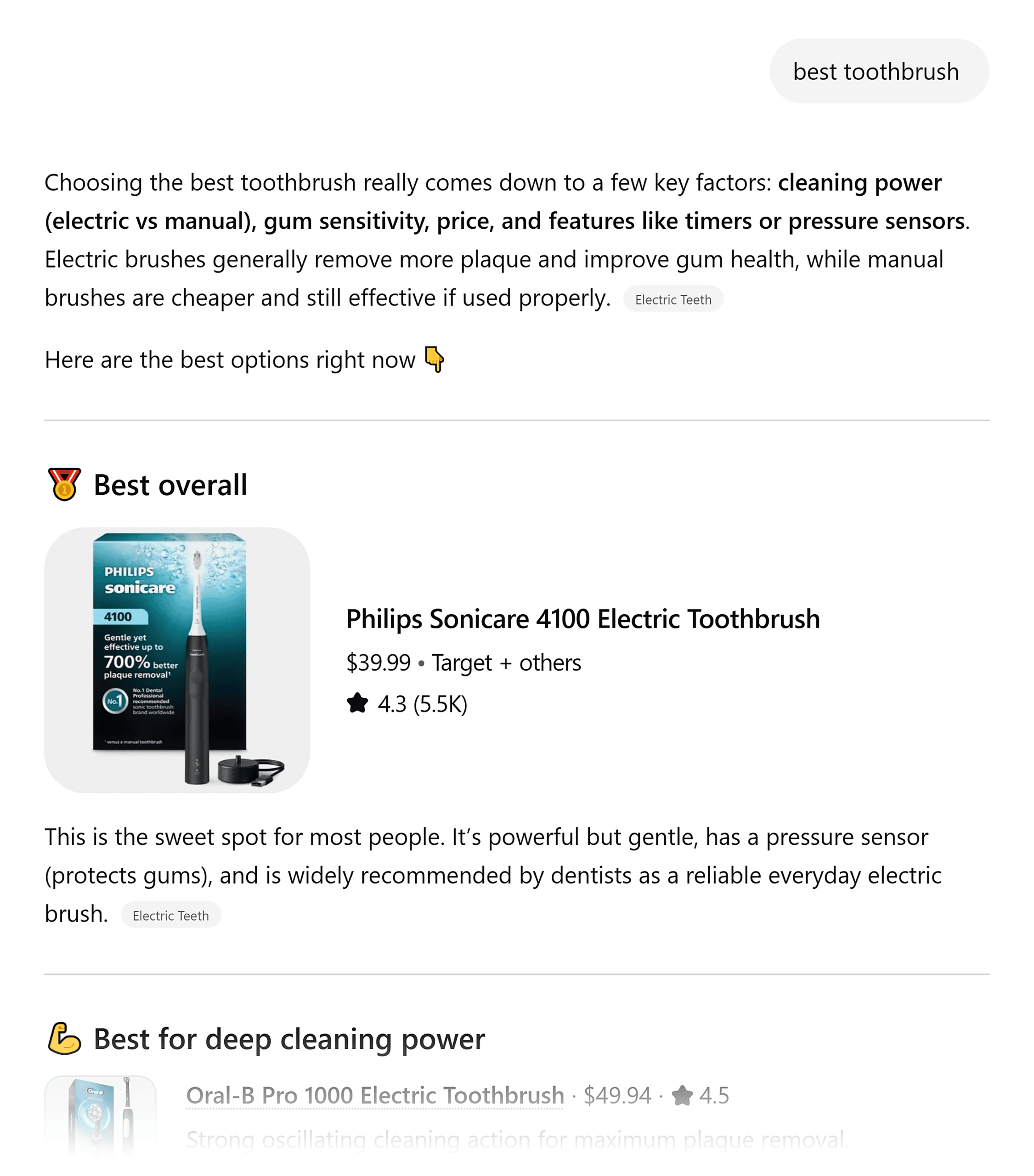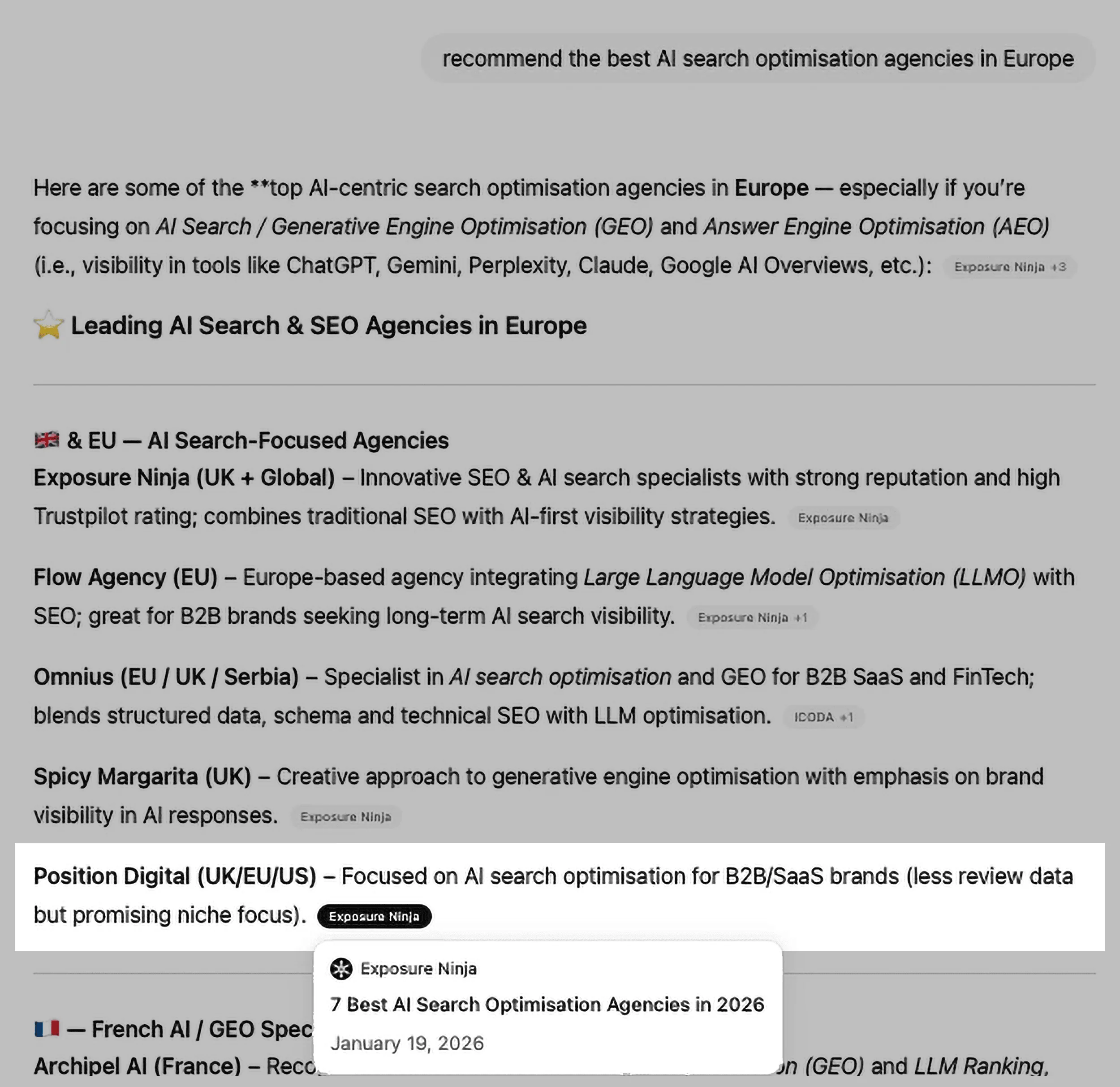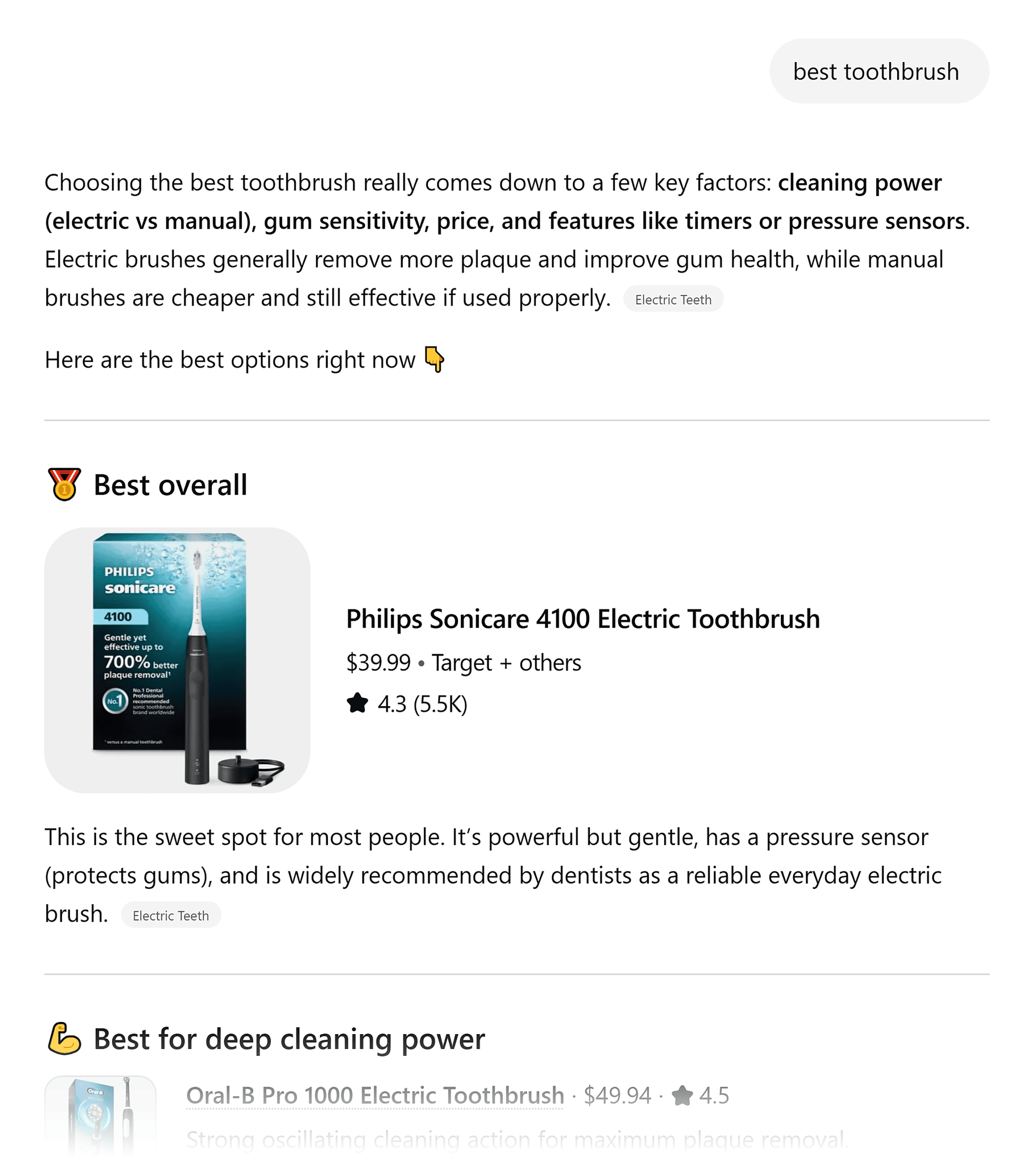
For decades, the golden rule of search engine optimization (SEO) was straightforward: secure a top-three ranking on Google, and the traffic will follow. However, the rise of Generative AI search engines—such as ChatGPT, Perplexity, Claude, and Google AI Overviews—has quietly dismantled that paradigm.

Today, a brand can hold a coveted position on the first page of traditional search engine results pages (SERPs) while remaining completely invisible to large language models (LLMs). This phenomenon has left digital marketers scrambling to understand why traditional authority metrics are failing in the age of conversational AI.
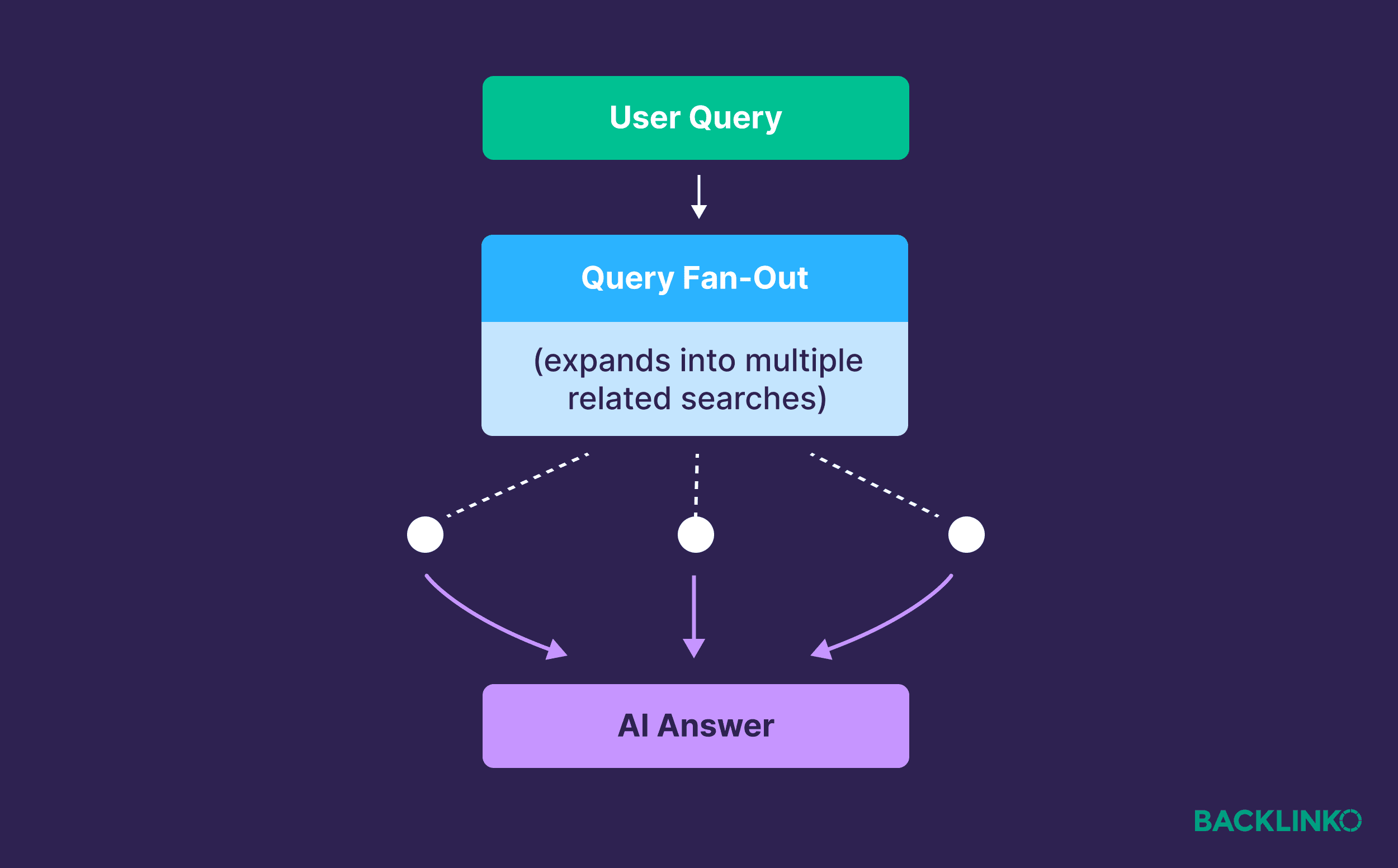
The answer lies in a background mechanism known as query fan-out. To capture visibility in AI-driven discovery, content strategists must look beyond individual keywords and master the complex architecture of how AI systems synthesize information.
Main Facts: The Death of the Linear Ranking Paradigm
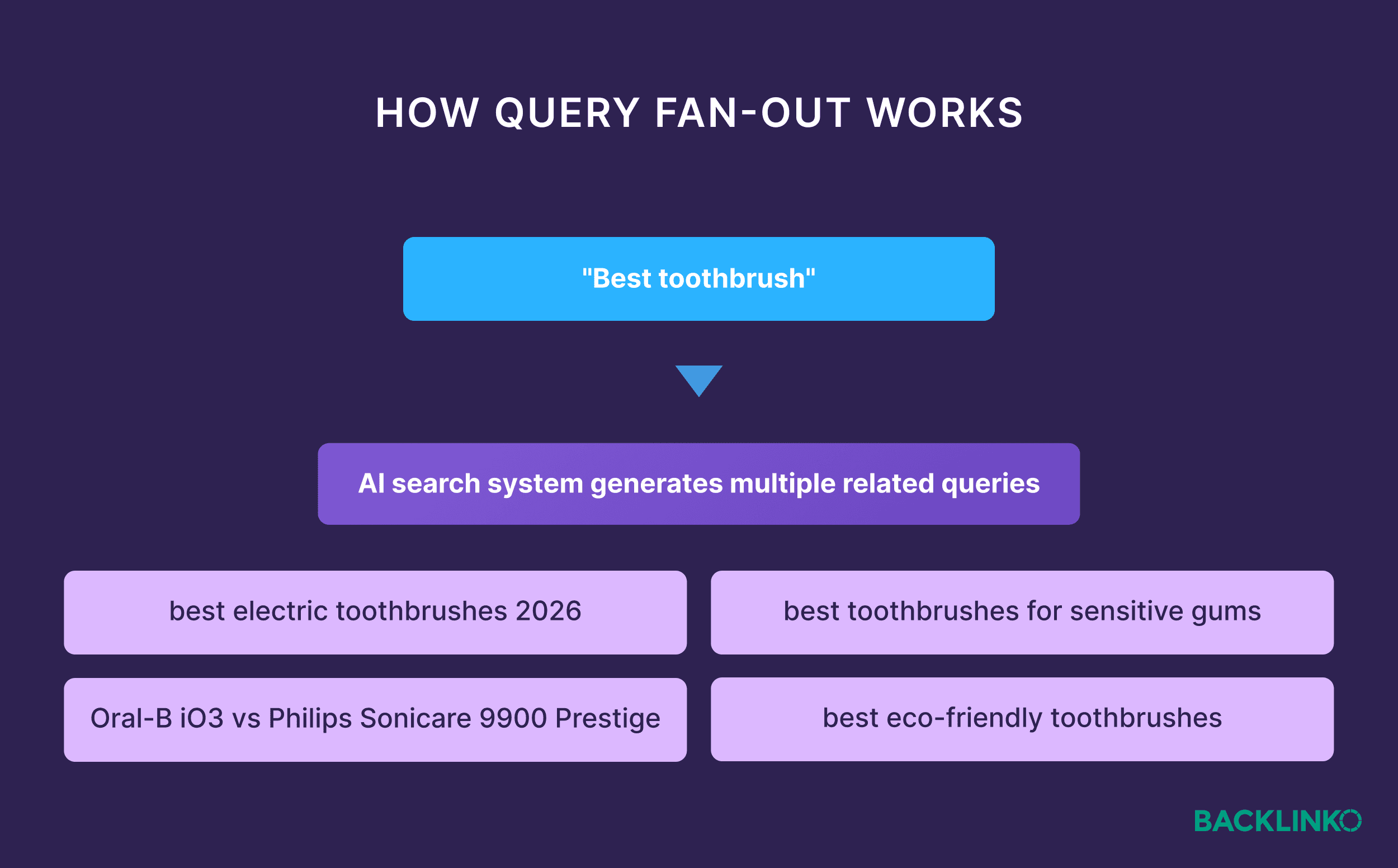
The core disconnect between traditional SEO and AI search stems from how answers are generated. When a user submits a broad or complex query to a conversational AI platform, the system does not simply retrieve the highest-ranking web page and summarize it.
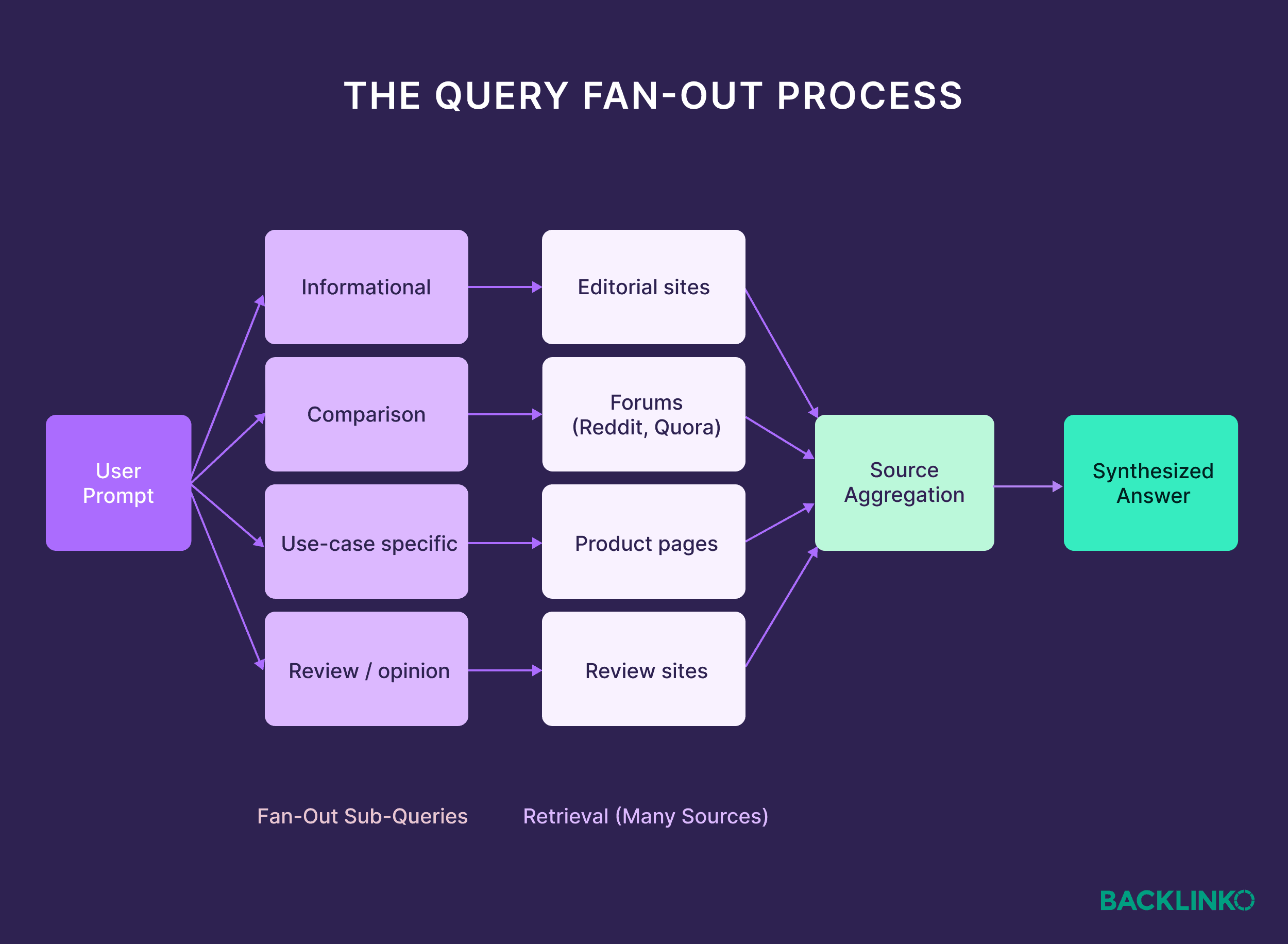
Instead, the AI initiates a multi-step background process:
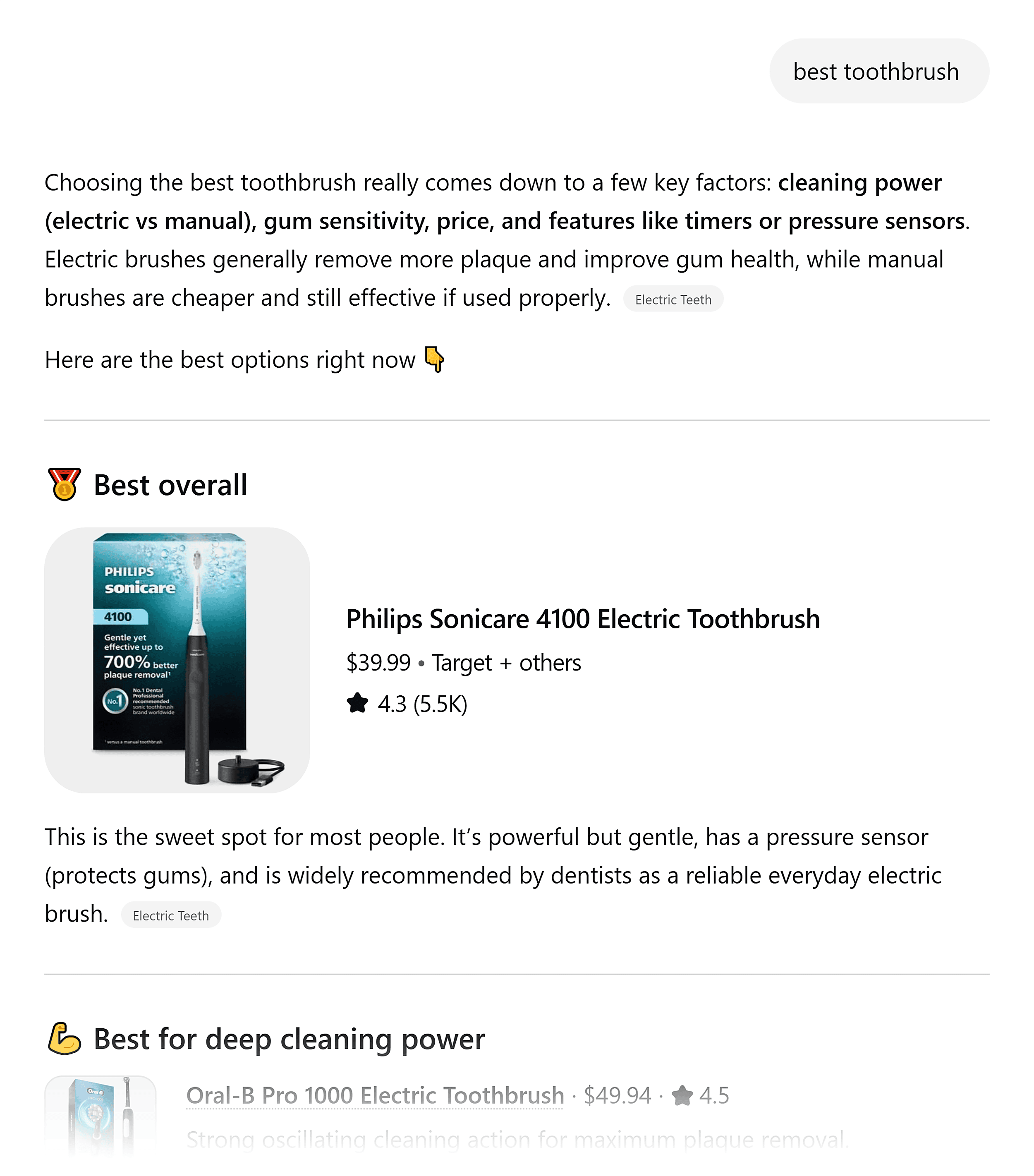
- Deconstruction: The original query is broken down into multiple sub-queries.
- Retrieval: The AI executes these sub-queries simultaneously across a vast array of sources, including editorial sites, niche blogs, social media threads (like Reddit), and technical documentation.
- Synthesis: The retrieved passages are evaluated for relevance and combined into a single, comprehensive response.
Consequently, visibility in AI search is no longer a matter of winning a single keyword war. It is a game of structural retrievability and topical coverage. If a brand’s content does not surface during the background retrieval phase of these sub-queries, it will be omitted from the final AI-generated response, regardless of its traditional SERP ranking.
Chronology: The Evolution from Keyword Matching to Query Fan-Out
The shift toward query fan-out represents a major evolutionary leap in information retrieval technology:
- The Early Era of Keyword Matching: Search engines relied heavily on exact-match or close-variant keyword matching. Content was judged by density, title tags, and backlink profiles pointing to specific pages.
- The Semantic Search Transition: Engines like Google integrated BERT and other machine learning algorithms to understand user intent rather than just literal strings. This allowed search engines to group synonyms and understand context.
- The Generative AI Disruption: With the mainstream adoption of LLMs, search transitioned from retrieval to generation. AI systems were tasked with answering open-ended, highly nuanced prompts that a single webpage could rarely satisfy alone.
- The Rise of Fan-Out Architectures: To deliver accurate, multi-faceted answers to complex prompts, developers engineered LLM search loops to automatically generate hidden sub-queries. This allowed platforms like Perplexity and ChatGPT to mimic a human researcher cross-referencing multiple specialized sources before drafting an answer.
Supporting Data: What the Metrics Reveal
Recent empirical studies highlight the stark reality of how LLMs select and cite sources, proving that traditional rankings are no longer the primary driver of AI visibility.
1. The Long Tail of Citations
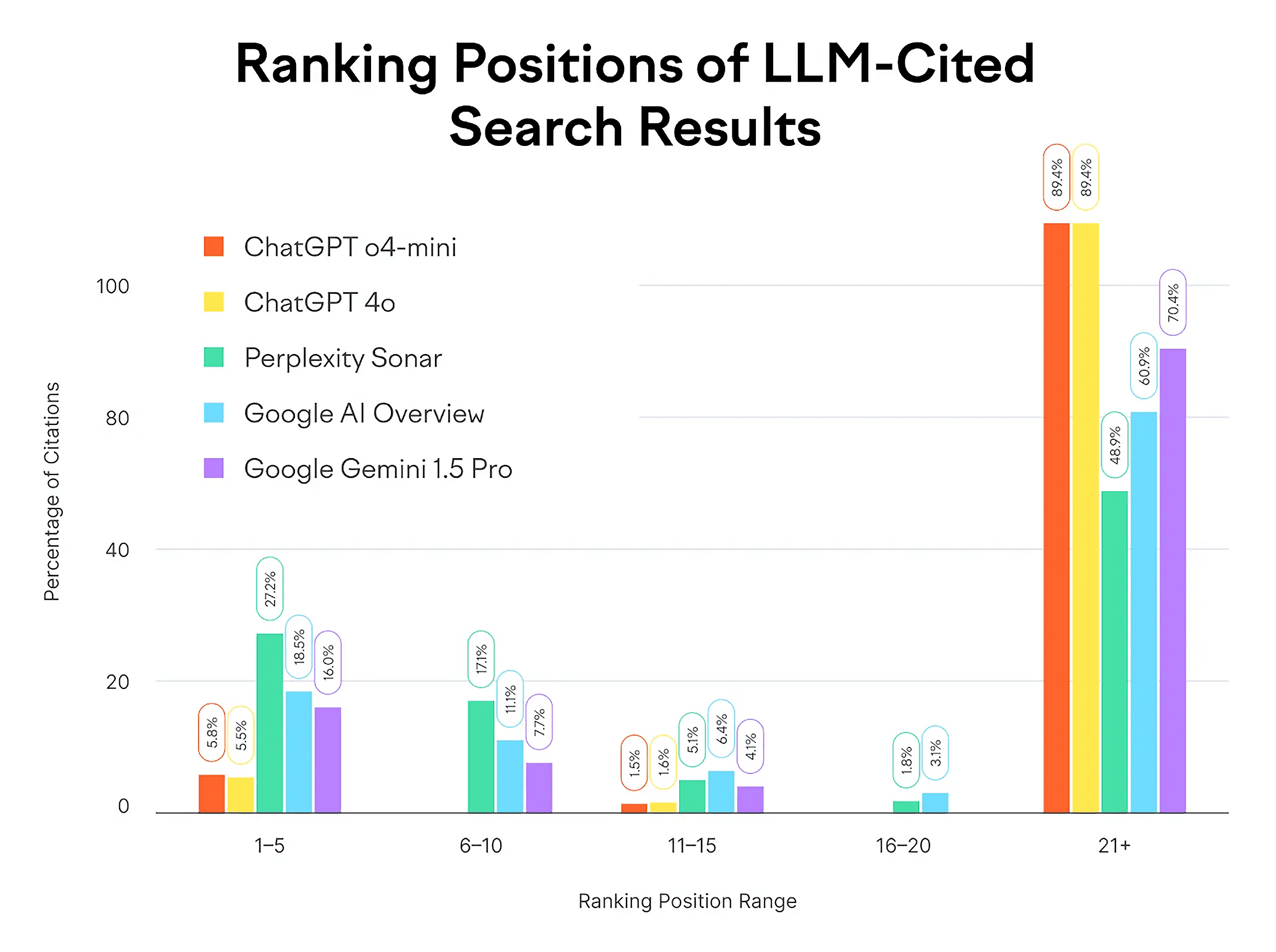
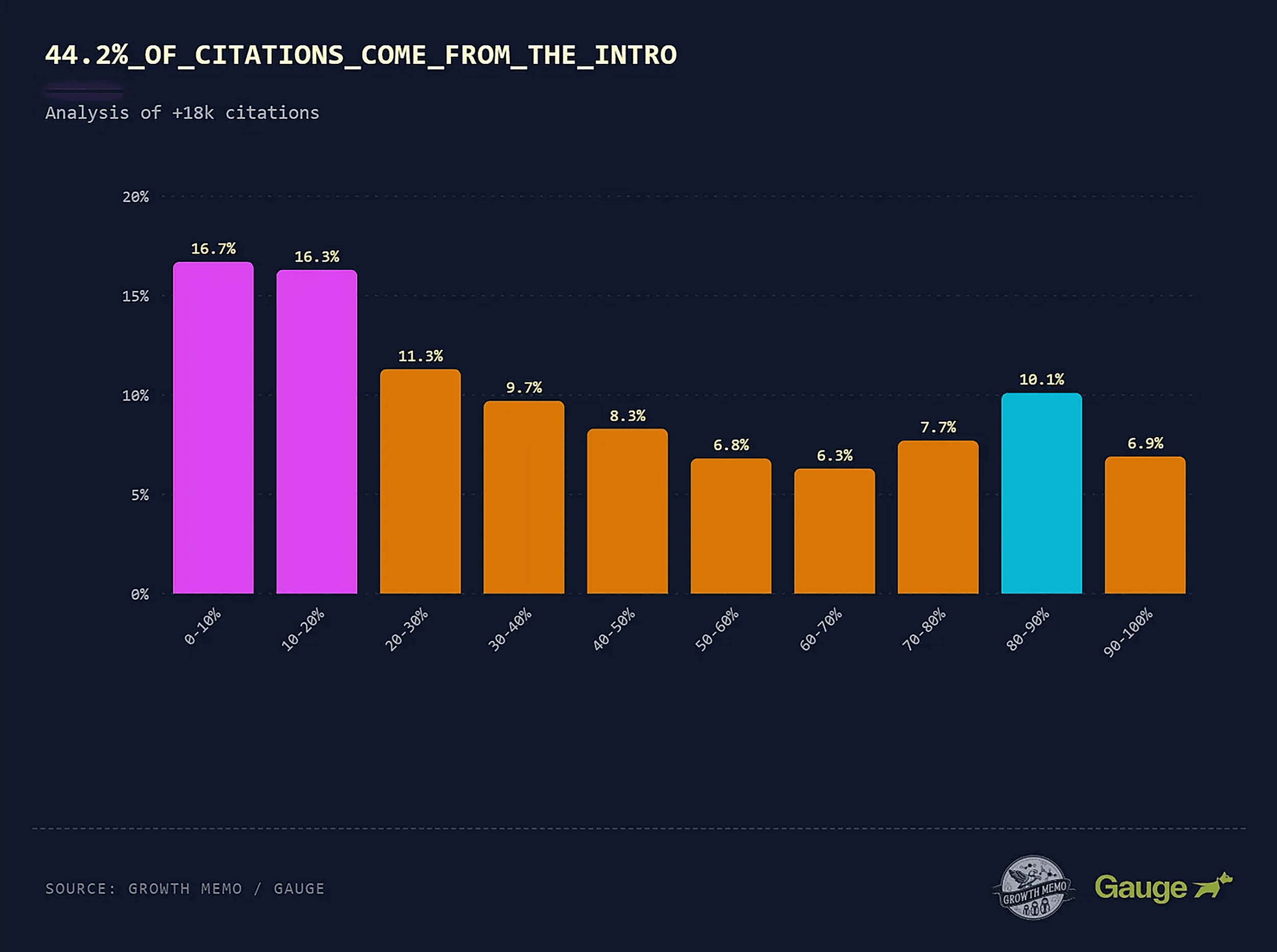
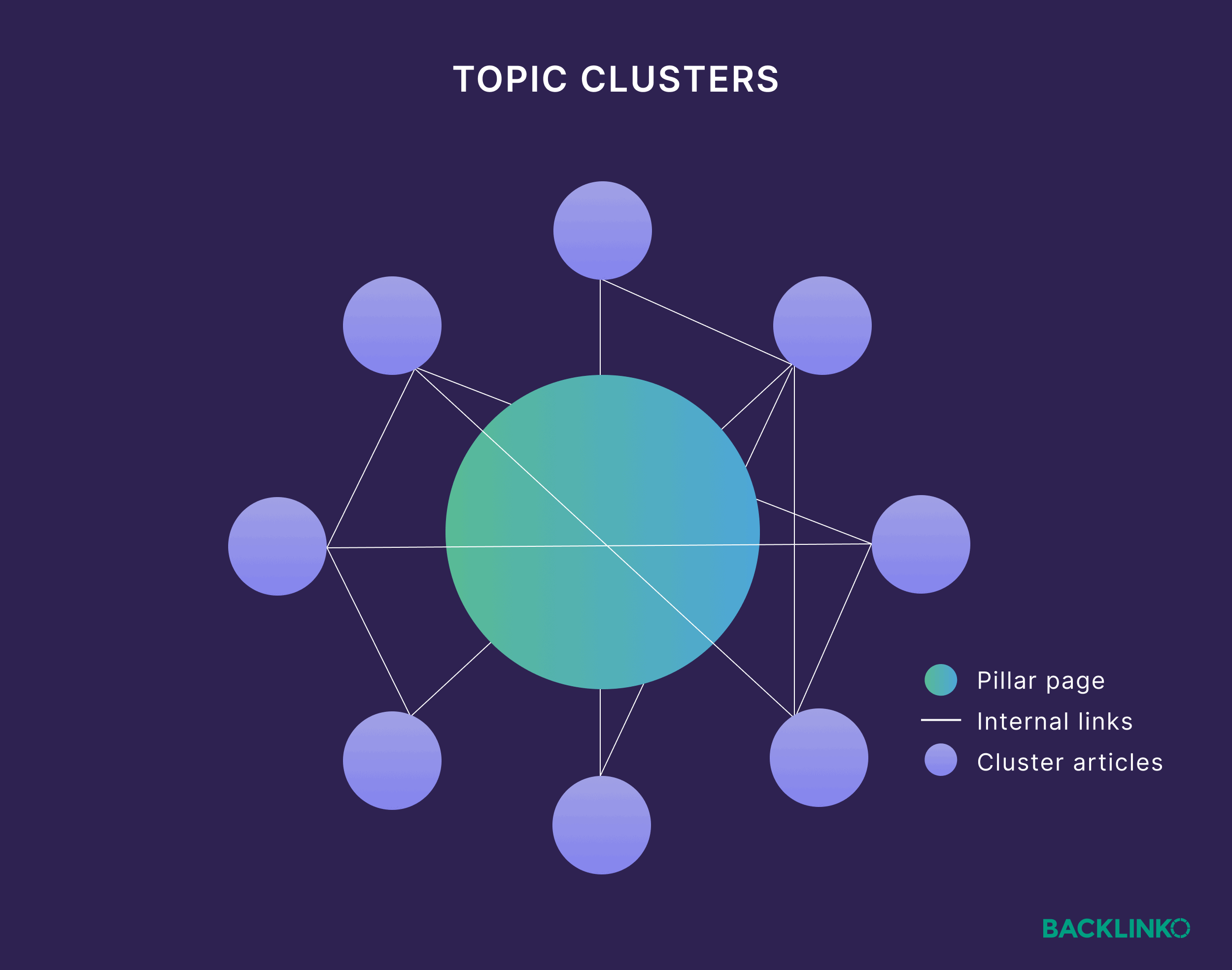
Data from Semrush indicates that LLMs frequently bypass top-ranking pages in favor of deeper, more granular resources. Remarkably, ChatGPT cites pages ranking in position 21 or lower nearly 90% of the time for certain query types. Because the AI evaluates text based on the specific utility of a passage rather than the domain authority of the root URL, niche sites often outrank monolithic legacy domains within AI answers.
2. The Anatomy of AI Attention
Where content is placed on a page dictates its likelihood of being extracted. An analysis of 1.2 million ChatGPT responses conducted by growth advisor Kevin Indig reveals a clear positional bias:
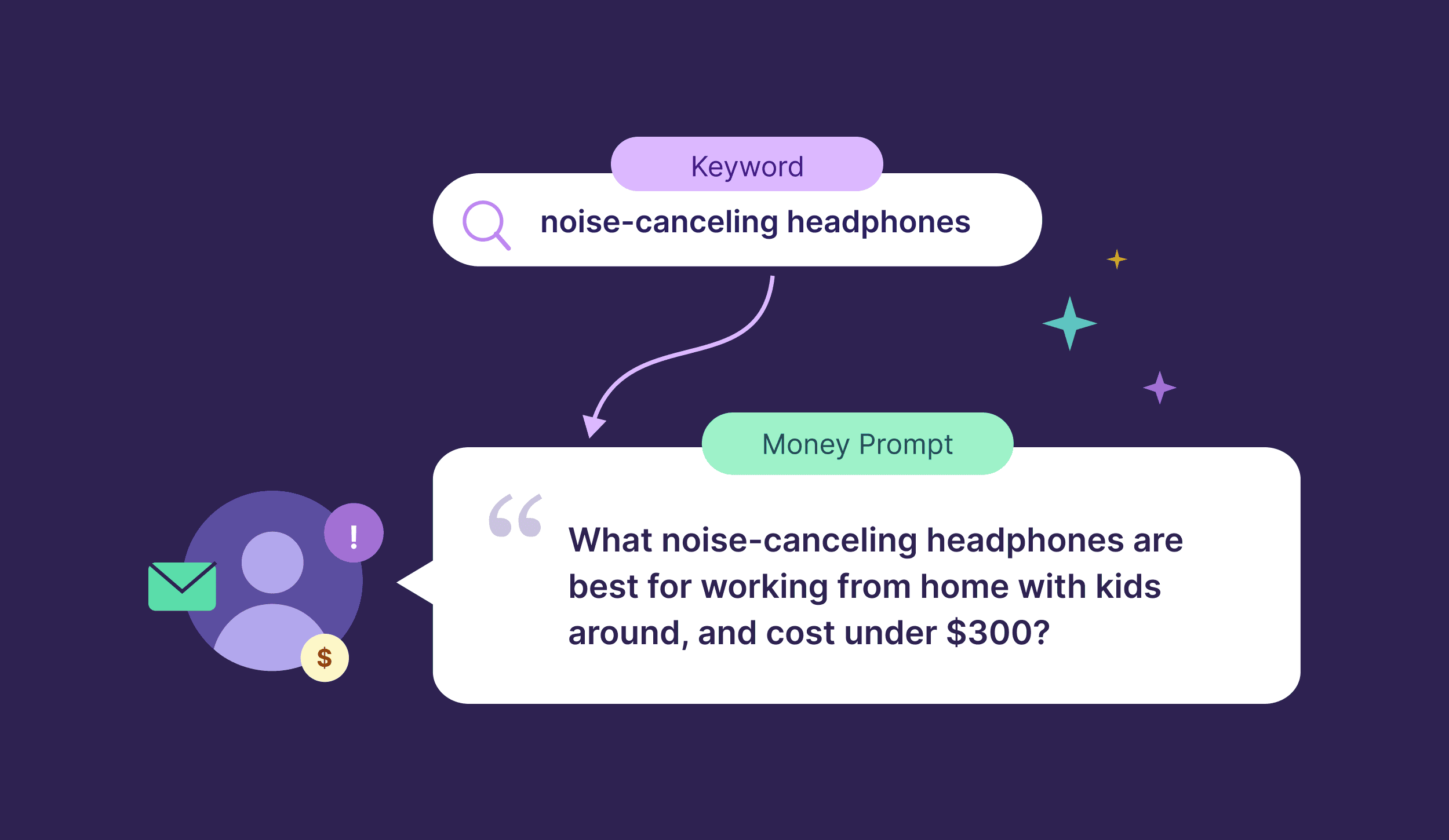
- 44.2% of citations originate from the first 30% of a webpage.
- 31.1% come from the middle section.
- 24.7% are drawn from the final third.
This demonstrates that AI parsers heavily weight introductory passages and front-loaded claims when scanning for direct answers to sub-queries.

Official Responses and Platform Mechanics
Different AI ecosystems approach query fan-out in distinct ways, directly impacting how content creators must structure their digital footprints.

- ChatGPT: Utilizes internal reasoning to determine whether a query requires live web data. When complex comparisons or fresh facts are needed, it triggers background searches. Developers can inspect these live sessions using browser developer tools to expose the exact strings the model evaluated.
- Perplexity: Combines conversational memory with real-time web searches. It evaluates user intent and contextual history before executing external sub-queries, meaning content must remain self-contained and clear of excessive ambiguity.
- Claude: Frequently employs a clarification phase, asking users to define their preferences before launching retrieval loops. This results in fewer, highly targeted sub-queries.
- Google AI Overviews and AI Mode: Google bridges traditional indexing with generative synthesis. While AI Overviews condense existing search results into featured summaries, dedicated AI Modes break complex prompts into multiple internal queries across the wider index.
Implications: A Six-Step Workflow to Win AI Citations
For content strategists, adapting to query fan-out requires a fundamental restructuring of SEO workflows. To secure citations across LLMs, organizations must implement a repeatable, six-step optimization framework:
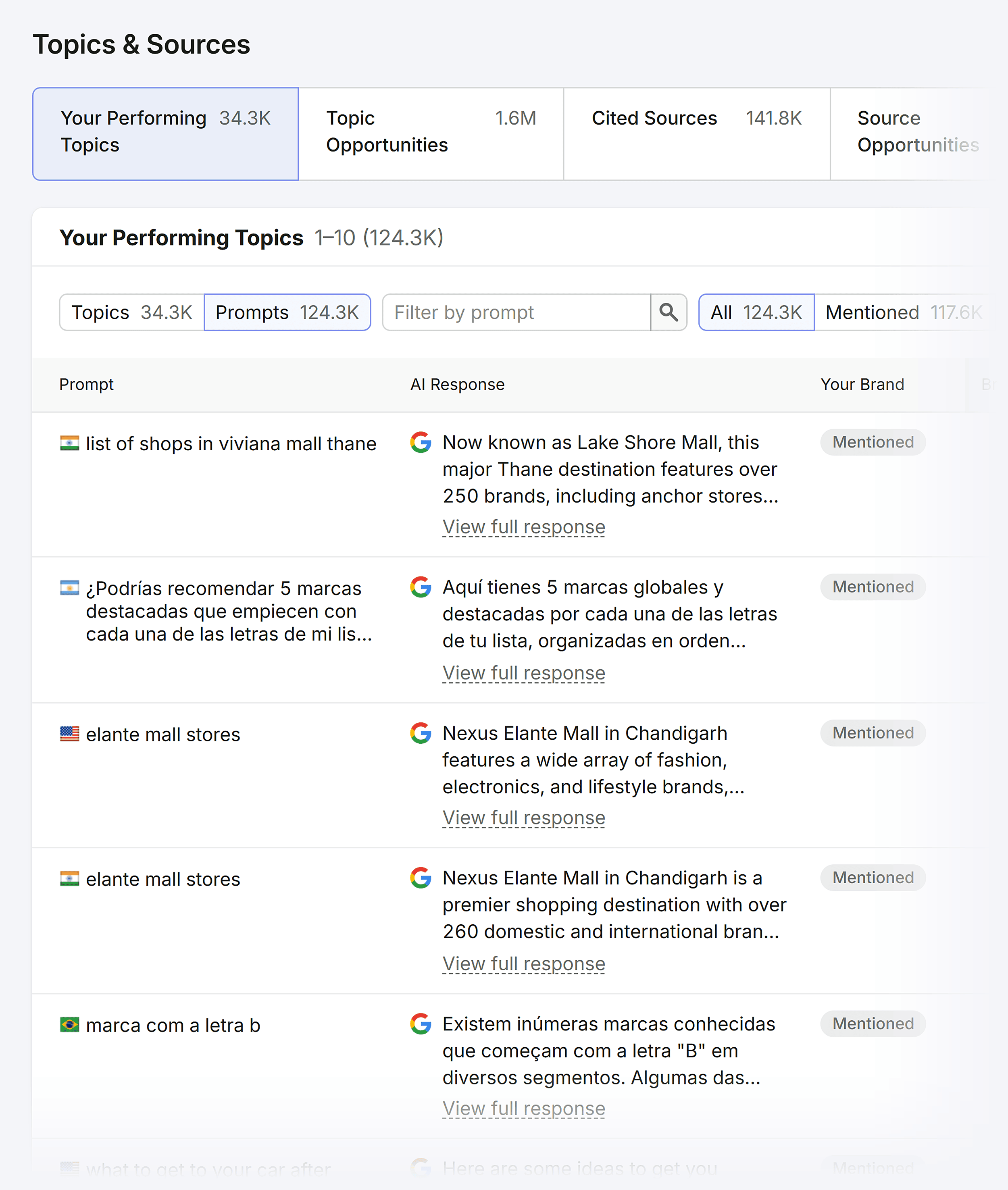
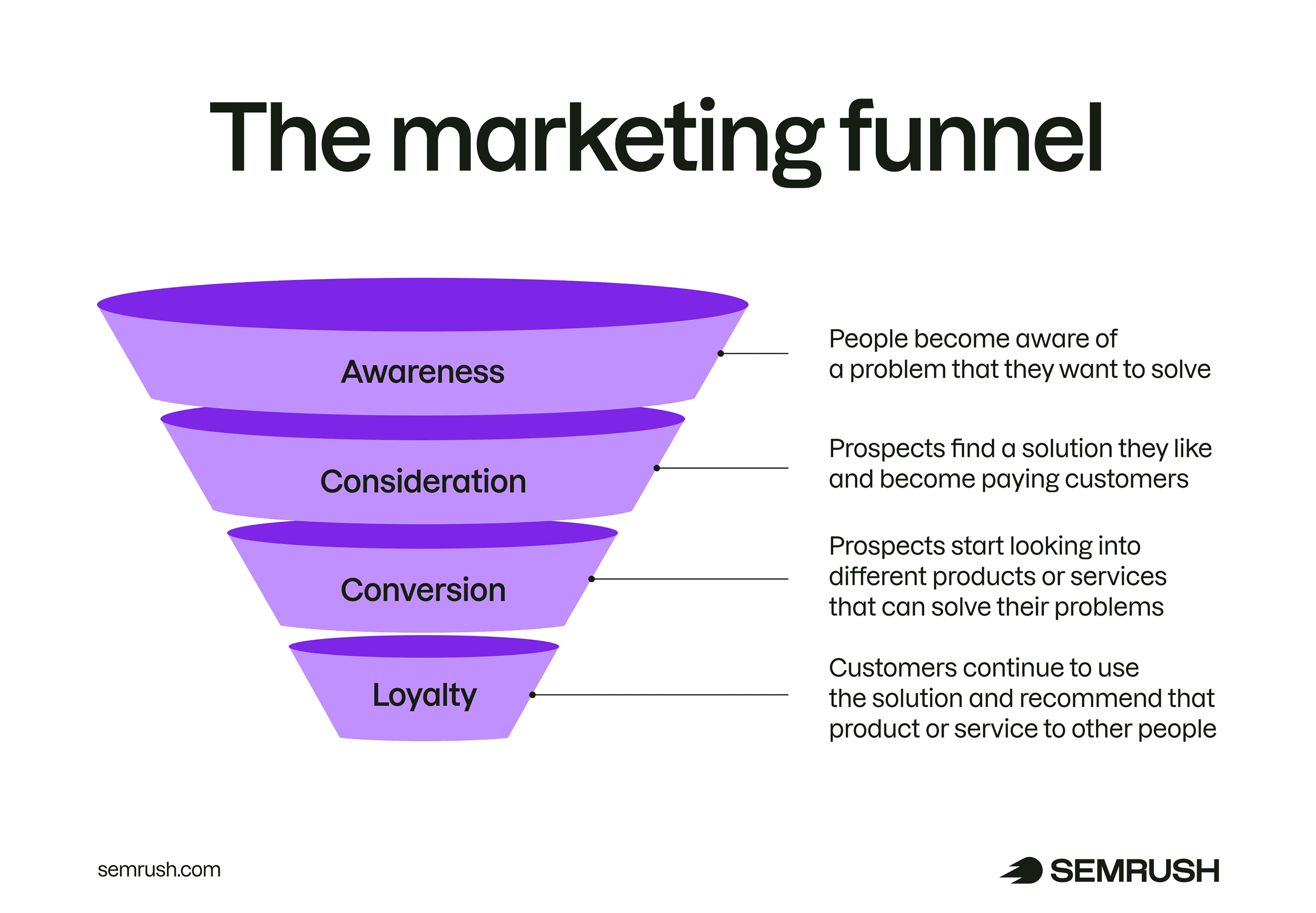
- Find Money Prompts: Move beyond short-tail keywords. Identify conversational, high-intent questions your target audience asks AI tools when seeking solutions.
- Generate Fan-Out Sets: Use manual prompting techniques or specialized browser extensions to discover the hidden sub-queries your target prompts trigger behind the scenes.
- Bucket by Intent: Categorize sub-queries into clear intent types—such as definitions, comparisons, troubleshooting, or pricing—and match them to appropriate content formats.
- Audit for Content Gaps: Run site-specific searches to evaluate whether your existing pages fully cover these sub-queries or leave critical blind spots for competitors to exploit.
- Structure for Extraction: Front-load direct answers, utilize clean HTML headings, incorporate structured data tables, and ensure key claims stand independently without relying on surrounding context.
- Measure and Monitor: Track your brand’s AI visibility scores, sentiment drivers, and prompt citation rates using dedicated analytics tools to ensure continuous adaptation against shifting competitor strategies.
By realigning content strategies with the mechanics of query fan-out, brands can future-proof their digital visibility and ensure they remain part of the conversation as conversational search reshapes the web.