In the hyper-competitive landscape of digital content, where millions of articles are published daily, the difference between a viral sensation and a forgotten archive entry often boils down to a single, critical element: the headline. A blog post title is not merely a label; it is the "destiny" of your content. It acts as the primary gatekeeper, determining whether your work captures the imagination of an audience or disappears into the digital ether.
For professional bloggers, content marketers, and digital journalists, the title is the most potent tool in the arsenal. It is the first—and often the only—point of contact with a potential reader. If that connection fails, the quality of the prose that follows becomes irrelevant.
The Anatomy of Influence: Why Titles Matter
The significance of a headline cannot be overstated. In the modern content ecosystem, titles serve as the primary identifier across a multitude of platforms:
- Search Engine Results Pages (SERPs): Your title is the primary factor in a user’s decision to click your link over a competitor’s.
- Social Media Feeds: On platforms like X (formerly Twitter) or LinkedIn, users scroll at high speeds. A title must arrest that motion within milliseconds.
- RSS and News Aggregators: In these environments, the title is often the only context a reader has before choosing to visit.
- Internal Site Navigation: Your titles guide readers through your site, shaping their perception of your authority and expertise.
A poorly constructed, overly complex, or confusing title effectively renders your writing invisible. As legendary advertising executive David Ogilvy famously noted, "The purpose of a title is to get potential readers to read the first line of your content." This principle remains the golden rule of copywriting.
The Chronology of Content Creation: Prioritizing the Pause
Writing a great headline is not a task to be rushed. In the professional editorial process, content creation is divided into key "pause points"—moments where a writer must stop and invest additional effort. The title is the most critical of these.

Chronologically, the process should move from identifying the core problem to crafting a solution, and finally to framing that solution in a headline. When writers rush this final step, they squander the hours spent on research and drafting. Investing even an extra 15 minutes to iterate on a title can yield exponential returns in traffic and engagement.
The Science of Engagement: 8 Pillars of Headline Crafting
To master the art of the headline, one must employ specific psychological triggers. While no single title can utilize every technique, the most successful content creators rotate these eight strategies based on their goals.
1. Communicate a Tangible Benefit
The most effective headlines promise a direct solution to a user’s pain point. Phrases like "How to" or "10 Ways to" are not just tropes; they are signals to the reader that their time will be rewarded with utility. By identifying a specific need, you create a "must-click" scenario for your target audience.
2. Leverage Controversy and Debate
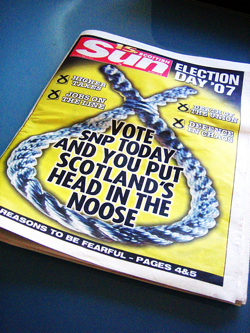
Controversy is a powerful driver of engagement, provided it is backed by substantive, well-reasoned content. A headline that challenges conventional wisdom or takes a firm, contrarian stance invites readers to verify your claims or offer their own perspectives, which in turn fosters a lively comment section.
3. The Power of the Question
Questions trigger an innate psychological response; the brain is naturally wired to seek answers. Using a question in your title—particularly one that uses the word "you"—directly involves the reader in the conversation, making them feel like a participant rather than a passive observer.

4. Personalization and "The You Factor"
Even when writing for a global audience, your tone should feel intimate. By incorporating "you" into your titles, you transform a generic article into a personalized consultation. This simple linguistic shift can significantly increase click-through rates by making the reader feel that the content is tailored specifically to their situation.
5. Strategic Keyword Optimization
Keywords remain essential for Search Engine Optimization (SEO). Including relevant search terms in your title serves two purposes: it signals to search engines what your content is about, and it helps readers instantly identify the subject matter. Crucially, placing your primary keywords at the beginning of the title enhances their impact, as search engines often truncate longer titles.
6. The Deployment of Power Words
Certain words carry emotional weight and trigger immediate psychological responses. Words such as "Essential," "Stunning," "Proven," or "Ultimate" can capture attention. However, this must be handled with caution. Overusing power words can lead to reader skepticism or, worse, accusations of clickbait if the article fails to deliver on the promised intensity.
7. Big Claims and Bold Promises
Bold headlines that make strong assertions tend to generate higher curiosity. By promising a result that seems transformative, you attract readers who may not have been looking for that specific information initially. The burden, of course, is on the writer to ensure the content is robust enough to validate the "big claim" made in the headline.
8. The Utility of Humor
Humor is a high-risk, high-reward strategy. When executed correctly, a witty or clever headline can differentiate you from the crowd and build a brand voice. However, humor is subjective; a joke that falls flat can alienate readers or render the post unsearchable. Use this technique only when it aligns with your brand identity.
Supporting Data and Best Practices
Data from various digital marketing studies consistently suggests that shorter, punchier titles outperform long-winded ones. For search engines, keeping titles under 65 characters ensures they appear in their entirety in results pages.
Furthermore, editorial tradition advises against the use of periods (full stops) at the end of headlines. A period acts as a visual "stop sign," creating a sense of finality that discourages the reader from clicking through. A headline should feel like an invitation, not a closed sentence.
Professional Implications: The Cost of Neglect
The implications of ignoring headline quality are severe. High bounce rates—where users click a link and immediately exit—often stem from a disconnect between the title and the content. If the title is a "clickbait" trap that promises value it doesn’t deliver, your site’s credibility suffers.
Conversely, a well-crafted title builds trust. When a reader learns that your headlines accurately represent the value within your posts, they become loyal, repeat visitors.
Conclusion
The title is the bridge between your expertise and your audience. By treating headline creation as a professional discipline—using keywords, addressing needs, and maintaining transparency—you ensure that your best work finds the audience it deserves. As you continue to refine your content strategy, remember that your title is the most powerful investment you can make in your professional presence. Stop, iterate, and craft titles that don’t just exist, but perform.