
In an era defined by seamless digital integration, the Quick Response (QR) code has evolved from a niche logistical tool into a cornerstone of modern customer experience design. While these pixelated squares are now ubiquitous—found on everything from restaurant e-menus and virtual business cards to airport boarding passes—their mere presence does not guarantee success. As Stanislav Khrustalev notes, while QR codes are a powerful bridge between physical and digital environments, their effectiveness is entirely dependent on the strategic nuances of their implementation.

For business owners and UX designers, the QR code represents a "micro-moment" in the customer journey. If executed poorly, it becomes an obstacle; if executed thoughtfully, it acts as a frictionless gateway to engagement. This article provides an extensive framework for deploying QR codes that prioritize user experience, accessibility, and conversion.

The Strategic Importance of QR Codes
The global surge in QR code adoption—accelerated by the COVID-19 pandemic and the native integration of scanners into smartphone cameras—has fundamentally changed consumer expectations. Customers no longer wish to manually type in long, complex URLs. They expect instant, one-tap access to information.

However, the technology must be deployed where it adds genuine value. For example, a shipping company that displays its app’s name on a delivery van without a QR code misses a prime opportunity to convert a passerby into an app user. Conversely, a retailer like Technopark demonstrates intelligence by placing a scannable code directly on its delivery fleet, enabling immediate app downloads while the customer is already engaging with the brand’s physical assets.

Phase 1: Physical Placement and Visibility
The physical environment dictates the success of a QR code. A code that is not positioned at eye level or that lacks sufficient visual hierarchy will likely be ignored.

Environmental Design and Spatial Awareness
- Visibility: Ensure codes are placed at natural eye level. If a code is tucked away in a corner, it effectively ceases to exist.
- The IKEA Model: Interestingly, accessibility plays a role in placement. IKEA has successfully placed feedback QR codes lower on terminal structures, which, while initially appearing counterintuitive, significantly simplifies the process for visitors in wheelchairs.
- Visual Noise: Avoid "sticking" codes to cluttered areas. A QR code requires "breathing room" to stand out from surrounding design elements. Minimizing visual noise ensures that the consumer’s focus remains directed toward the scanning action.
Phase 2: Decoding the User Experience
A QR code without context is a mystery that most consumers will choose not to solve. To maximize engagement, the code must be accompanied by a clear value proposition.
Call to Action (CTA) and Value Exchange
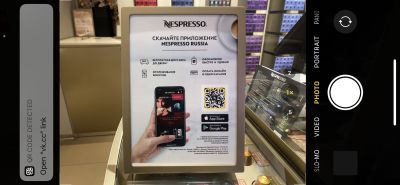
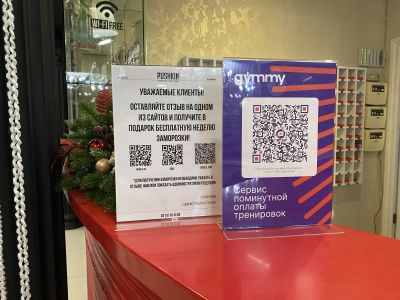
Never present a QR code in isolation. Always include a clear CTA, such as "Scan to view our menu" or "Scan to download our app." Beyond the CTA, explicitly explain why the user should scan it. If a user understands that scanning will lead to a discount, a time-saving feature, or exclusive content, the likelihood of interaction increases exponentially.
Branding and Professionalism
Modern QR code generators allow for extensive customization. By embedding a company logo in the center of the code and utilizing brand-specific color palettes, you reinforce brand identity. However, ensure that your brand colors provide enough contrast against the background to remain scannable. A dark code on a light background remains the industry gold standard for reliability.

Phase 3: Technical Integrity and Accessibility
Technical failure is the most common cause of poor customer experience. If a user spends more than five seconds trying to scan a code that results in an error, the brand has effectively communicated a lack of care.
The "No-Contact" Rule
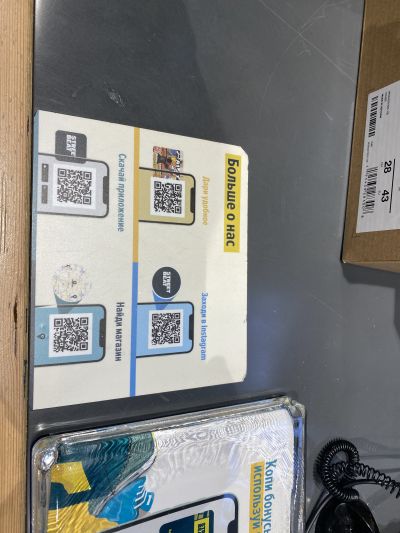
Physical wear and tear on stickers or printed materials can render a code unreadable. In retail environments, such as checkout counters, consider using durable, non-contact surfaces. A scratched or peeling sticker not only looks unprofessional but also degrades the scanning functionality over time.

Environmental Factors
Lighting and weather are critical for outdoor implementations. A poster that is poorly lit at night or a code on a delivery vehicle covered in dirt will fail. Furthermore, always check for network availability. A QR code is useless in a location with no mobile signal or Wi-Fi, such as a deep underground parking garage.

The Transparency Trap
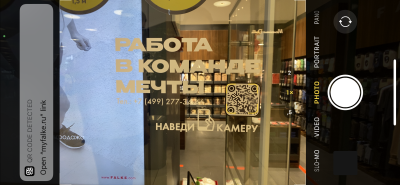
A recurring mistake is placing QR codes on transparent glass surfaces without a solid backing. This often renders the code impossible to scan because the background objects interfere with the camera’s ability to distinguish the code’s modules. Nespresso boutiques have struggled with this, occasionally forcing staff to hold up a sheet of white paper behind the glass—a makeshift solution that highlights a fundamental design flaw.

Phase 4: Navigational Logic and Mobile Optimization
The QR code is merely the start of the journey. Once the scan is complete, the destination page must provide a seamless continuation of that experience.

Mobile-First Landing Pages
Any link triggered by a QR code must be optimized for mobile. If the link directs the user to a desktop-only site or a non-responsive page, the effort to scan the code is wasted.

Smart Deep Linking
Rather than creating multiple codes for different app stores, use deep linking technology. A single, smart QR code can detect the user’s device (iOS or Android) and route them to the appropriate App Store or Google Play page. This reduces visual clutter and provides a professional, unified experience.

The "Website-to-Mobile" Paradox
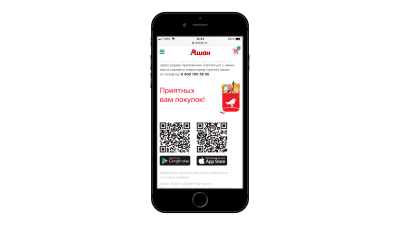
Think carefully before placing a QR code on a mobile website. If a user is already browsing on their smartphone, they cannot scan a code displayed on that same screen. In this context, a direct download button is far superior. The only exception is when the code is intended to be shared with a third party, such as a digital vaccination certificate.
Implications for Future Growth
As businesses continue to experiment with phygital (physical-digital) touchpoints, the standard for QR code implementation will continue to rise. Companies that treat these codes as an afterthought will find their engagement metrics dropping, while those that invest in the "invisible details"—proper resolution, high contrast, relevant landing pages, and UTM tracking for analytics—will reap the rewards of deeper customer insights.
Analytical Tracking
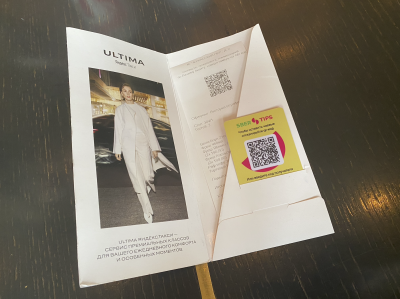
By utilizing UTM parameters within your QR code links, you can transform them into powerful tracking tools. By assigning a unique ID to a code on a specific billboard, you can measure exactly which physical locations are driving the most digital traffic. This data-driven approach allows for the constant refinement of your marketing strategy.
Final Thoughts
QR codes are a bridge, not a destination. They represent an opportunity to remove friction and provide value. As we move forward, the goal for any business should be to implement these technologies in a way that respects the customer’s time and intelligence.
This checklist remains a living document. As consumer habits evolve and new challenges emerge, we encourage you to share your experiences and insights to ensure these best practices remain as valuable as possible for the global business community.