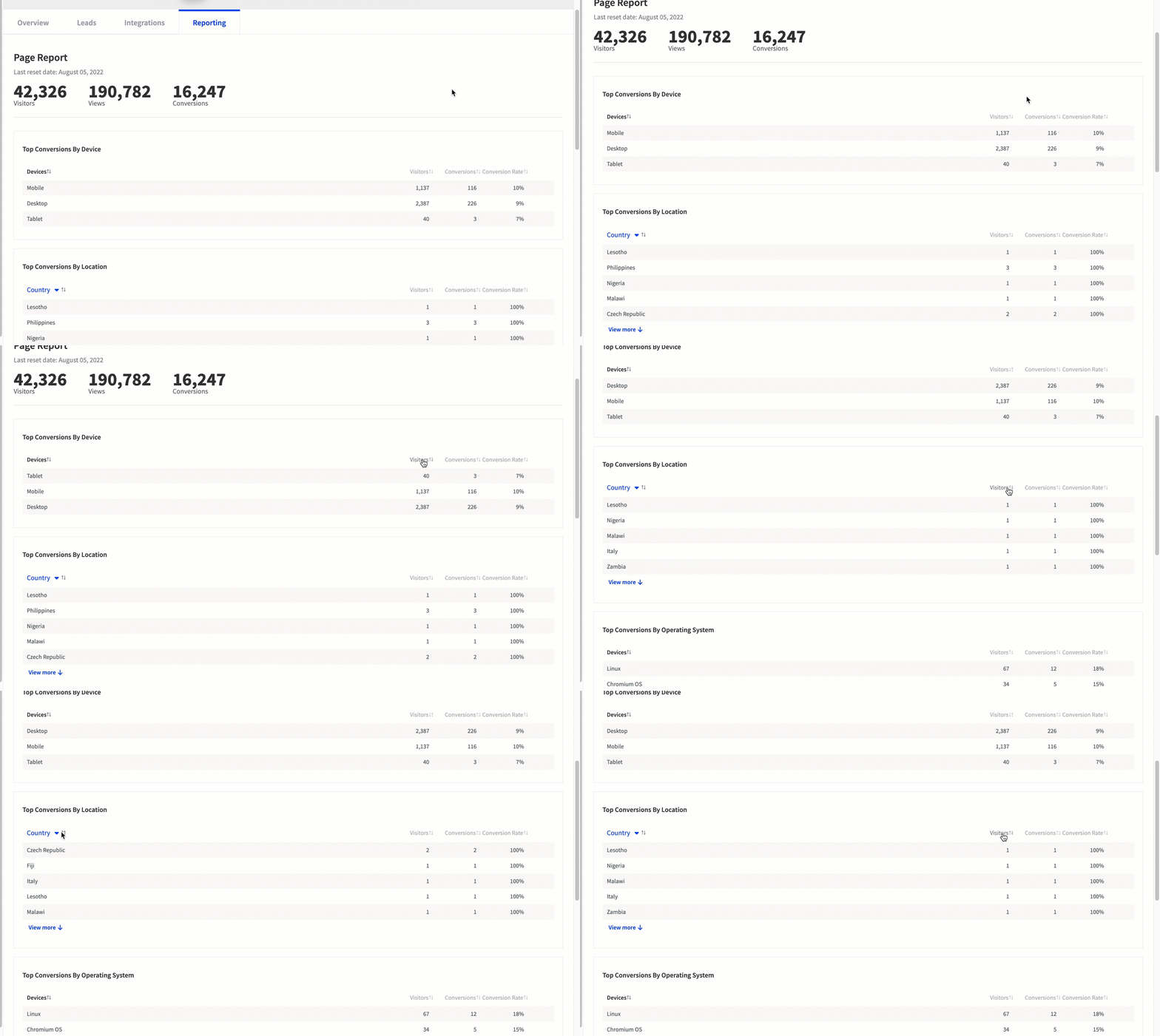
For years, the standard playbook for digital marketers has been linear and often fragile. A team spends weeks conceptualizing a landing page, pouring over copy, agonizing over design, and finally launching it with a mix of hope and anxiety. Then, they run an A/B test, celebrate a win or mourn a loss, and move on to the next project.
This "one-and-done" approach to marketing experimentation is rapidly becoming a relic of the past. As digital landscapes become more saturated and customer expectations more demanding, the margin for error has shrunk. Modern marketing requires a shift from singular, high-stakes gambles to a process of iterative testing—a continuous, evidence-based cycle of refinement that treats every campaign as a learning opportunity rather than a final product.
Understanding the Iterative Philosophy
Iterative testing is a methodology borrowed from the world of software development and agile product management. At its core, it is the practice of repeatedly testing, measuring, and refining marketing assets through incremental changes. Instead of seeking a "home run" through a massive, site-wide overhaul, marketers using this approach look for "base hits"—small, data-driven adjustments that cumulatively result in significant performance gains.
The primary goal is to plug the "slow leaks" in a marketing funnel. Many campaigns don’t fail spectacularly; they simply underperform due to friction points that drain budgets over time. By focusing on constant, granular improvements, marketers can adapt to shifting user behaviors in real-time, effectively reducing wasted spend and maximizing return on investment (ROI).
The Chronology of an Iterative Campaign
Implementing an iterative testing cycle is less about grand strategy and more about disciplined execution. To transition from traditional testing to an iterative model, marketing teams should follow this structured progression:
1. The Hypothesis Phase
Every test must begin with a focused hypothesis. Rather than testing a vague goal like "increasing conversions," a high-performing hypothesis identifies a specific variable. For example: "Changing the CTA button from blue to orange will increase click-through rates by 5% because it creates higher visual contrast." By isolating a single variable, teams ensure that the resulting data provides actionable insights rather than noise.

2. Prioritization and Effort Mapping
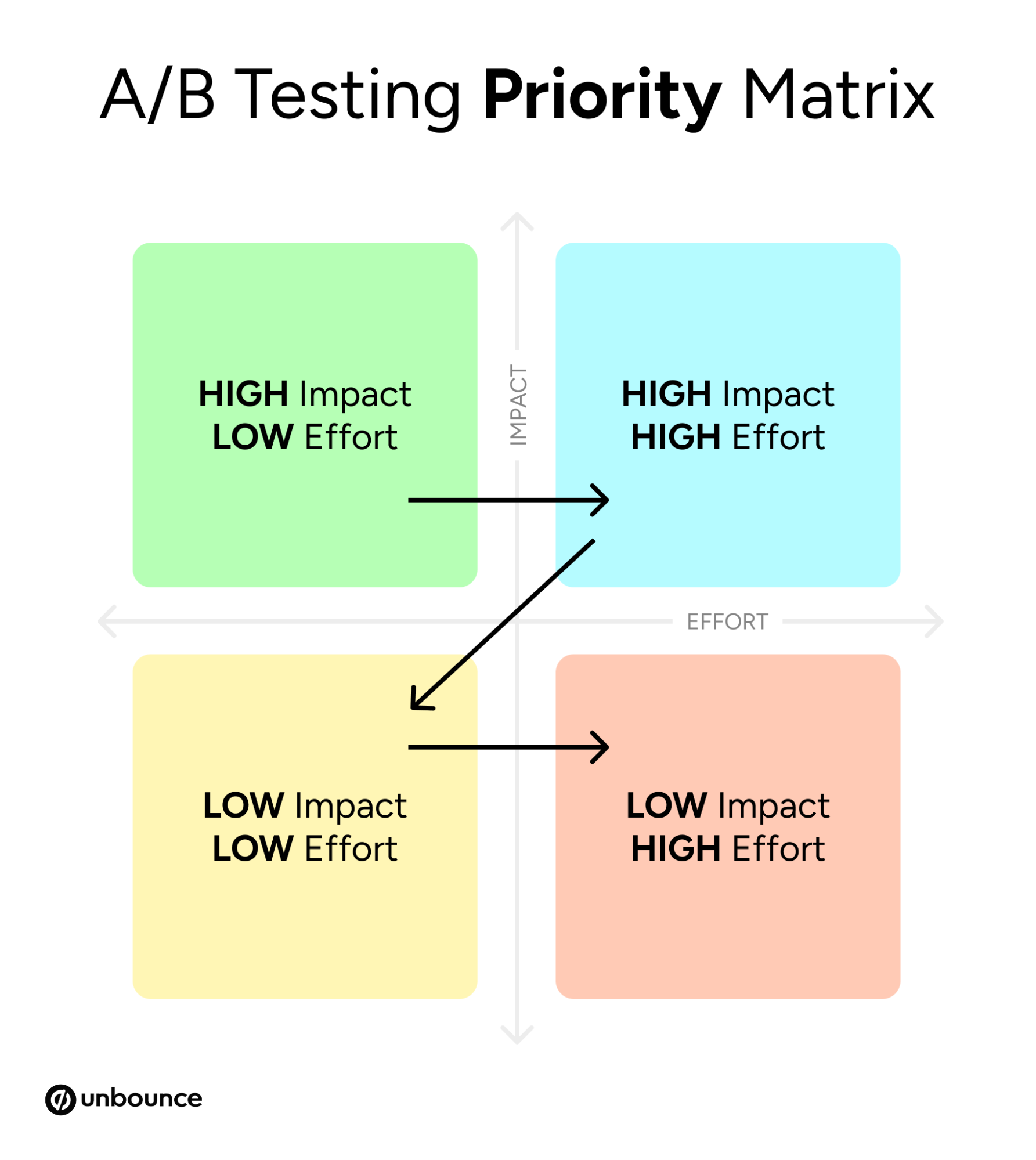
Not every test is worth the effort. Marketers must evaluate potential experiments using a 2×2 matrix that balances expected impact against implementation effort. Quick, high-impact wins should always be prioritized to build team momentum and secure stakeholder buy-in.
3. Execution and Data Collection
Once a test is launched, the most important element is patience. A common pitfall is stopping a test prematurely because of a perceived early trend. Effective iterative testing requires reaching statistical significance—the point where the data is reliable enough to justify a change. Utilizing modern testing tools allows teams to monitor this threshold automatically, ensuring that decisions are based on user behavior rather than chance.
4. Analysis and Institutional Learning
The "Iterative" part of the process happens here. Once a test concludes, the data must be interpreted. Did the headline change work? If so, why? If not, what does that tell us about the audience’s preferences? These insights should then be documented and applied to the next iteration. If a simplified headline succeeded, the next test might explore whether simplifying the body copy yields similar results.
Supporting Data: The Evidence for Incrementalism
The shift toward iterative testing is not just a trend; it is supported by hard data regarding how users interact with digital content.
According to recent industry benchmarks, including data from the 2024 Conversion Benchmark Report, the way information is presented has a profound impact on user behavior. For instance, landing pages written at a 5th-7th grade reading level demonstrate an 11.1% conversion rate, more than doubling the performance of professional-level, complex writing. Furthermore, the data reveals a -24.3% negative correlation between high word complexity and conversion rates.
These statistics provide the perfect "seed" for an iterative testing cycle. A marketer could take these insights and begin a series of tests: first, simplifying a hero headline; second, testing shorter paragraphs; and third, adjusting the tone of the call-to-action (CTA). By testing these elements in sequence, the team creates a compounding effect that a one-time overhaul would likely miss.

Another critical data point involves the mobile-desktop divide. While 83% of traffic occurs on mobile, desktop continues to convert at an 8% higher average. This suggests a massive opportunity for iterative testing: teams can specifically test mobile-first UX improvements to bridge that gap, iterating on mobile-specific navigation or form layouts until the conversion parity is improved.
Official Perspectives: The Role of Technology
Industry experts and platform developers, such as the team at Unbounce, emphasize that the barrier to entry for iterative testing has never been lower. In the past, testing required significant engineering resources and complex coding. Today, "Smart Traffic" and AI-driven optimization tools allow marketers to begin testing after as few as 50 visits.
"The best iterative testing happens when you can move quickly, learn constantly, and apply those insights immediately," says Josh Gallant, founder of Backstage SEO. Gallant notes that the most successful marketing teams are those that view "failed" tests as successes. "A rejected hypothesis is still valuable because it gives you context on what did not make an impact. Knowledge is power."
Implications for Modern Marketing Teams
The implications of adopting an iterative testing culture are far-reaching.
1. Cultural Shifts and Silo Breaking:
Iterative testing encourages collaboration. When marketing, sales, and customer support teams contribute to a backlog of testing ideas based on real-world customer interactions, the entire organization becomes more data-centric. This breaks down silos and ensures that the marketing team is solving actual customer pain points rather than operating on intuition.
2. Resilience Against Market Volatility:
User behavior is not static. It shifts with seasonal trends, economic changes, and competitor movements. A brand that relies on a static website or campaign strategy will eventually lose touch with its audience. An iterative team, however, is constantly "listening" to the data. If a particular value proposition stops resonating, the team will know within days—not months—allowing for a rapid pivot.
3. Budget Efficiency:
In an era where marketing budgets are under constant scrutiny, iterative testing is a safeguard. Instead of committing 100% of a budget to a single creative direction, teams can allocate a small percentage to testing various segments. Once a winning variation is identified, they can confidently scale the budget behind a proven asset. This "fail small, win big" mentality is the hallmark of a mature marketing organization.
Conclusion: Starting Your Iterative Journey
The transition to iterative testing is not about becoming a data scientist; it is about adopting a mindset of constant curiosity. It is the recognition that no marketing asset is ever truly "finished"—it is only as good as the next test.
By starting with small, focused hypotheses, prioritizing tasks based on effort and impact, and utilizing modern tools to gather statistically significant data, any marketing team can move away from the "swing-for-the-fences" approach. In the long run, it is not the massive, disruptive campaigns that build sustainable growth; it is the thousands of small, evidence-based improvements that compound over time, creating a superior user experience and a more predictable, scalable marketing engine.
As you look at your current campaigns, ask yourself: What is the smallest change I could test today that would provide the most learning? That question is the beginning of the iterative cycle, and it is the key to unlocking consistent, long-term performance in an increasingly competitive digital world.