The Invisible Brand: Why Your Google #1 Ranking Doesn’t Guarantee AI Search Visibility
Main Facts: The New Frontier of Digital Discovery
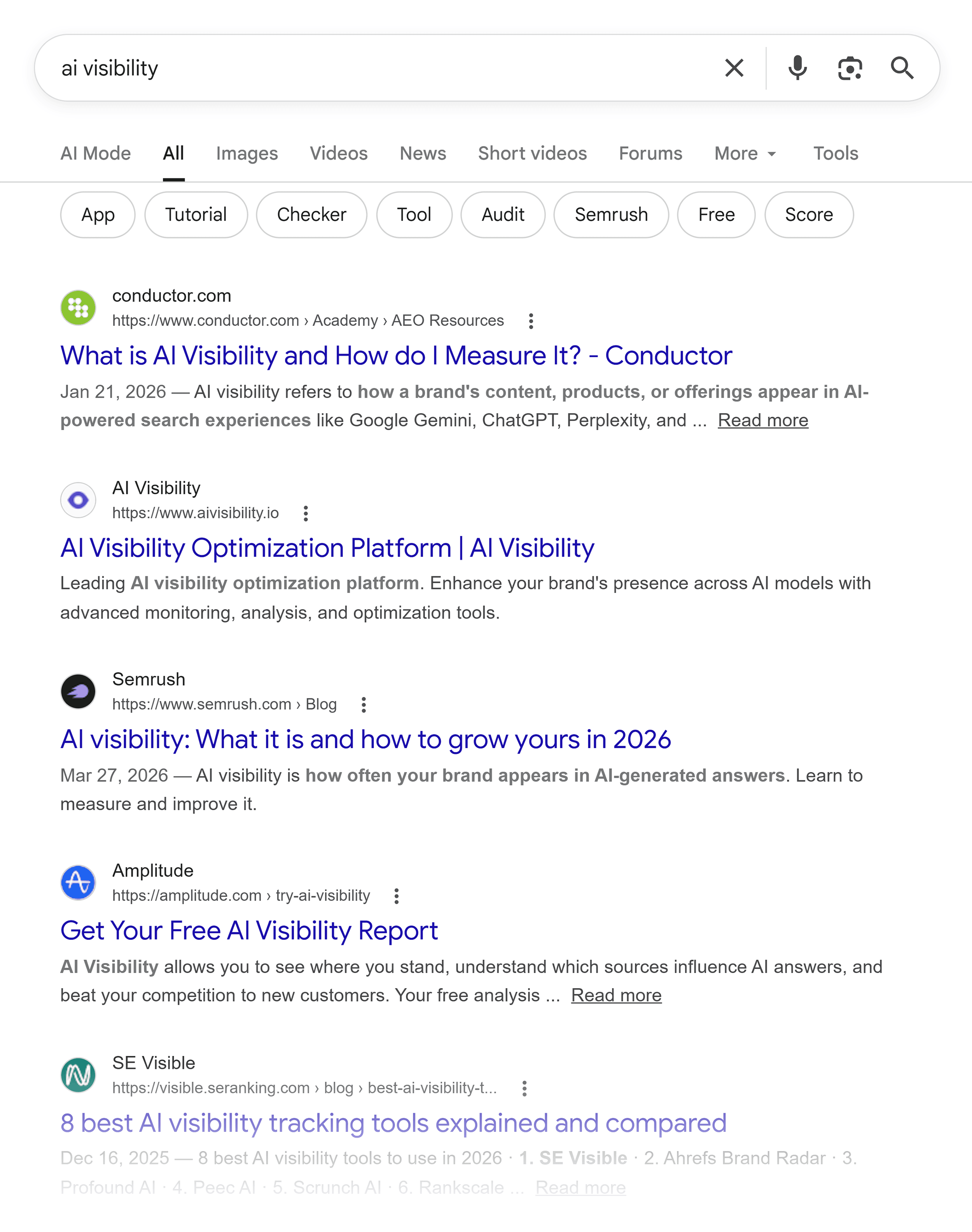
For over two decades, digital marketing departments operated under a singular, golden rule: secure the number-one spot on Google’s Search Engine Results Page (SERP), and the customers will follow. Search Engine Optimization (SEO) was a game of keywords, backlink profiles, and technical site performance mapped onto a predictable grid of ten blue links.
That era is coming to a rapid close.
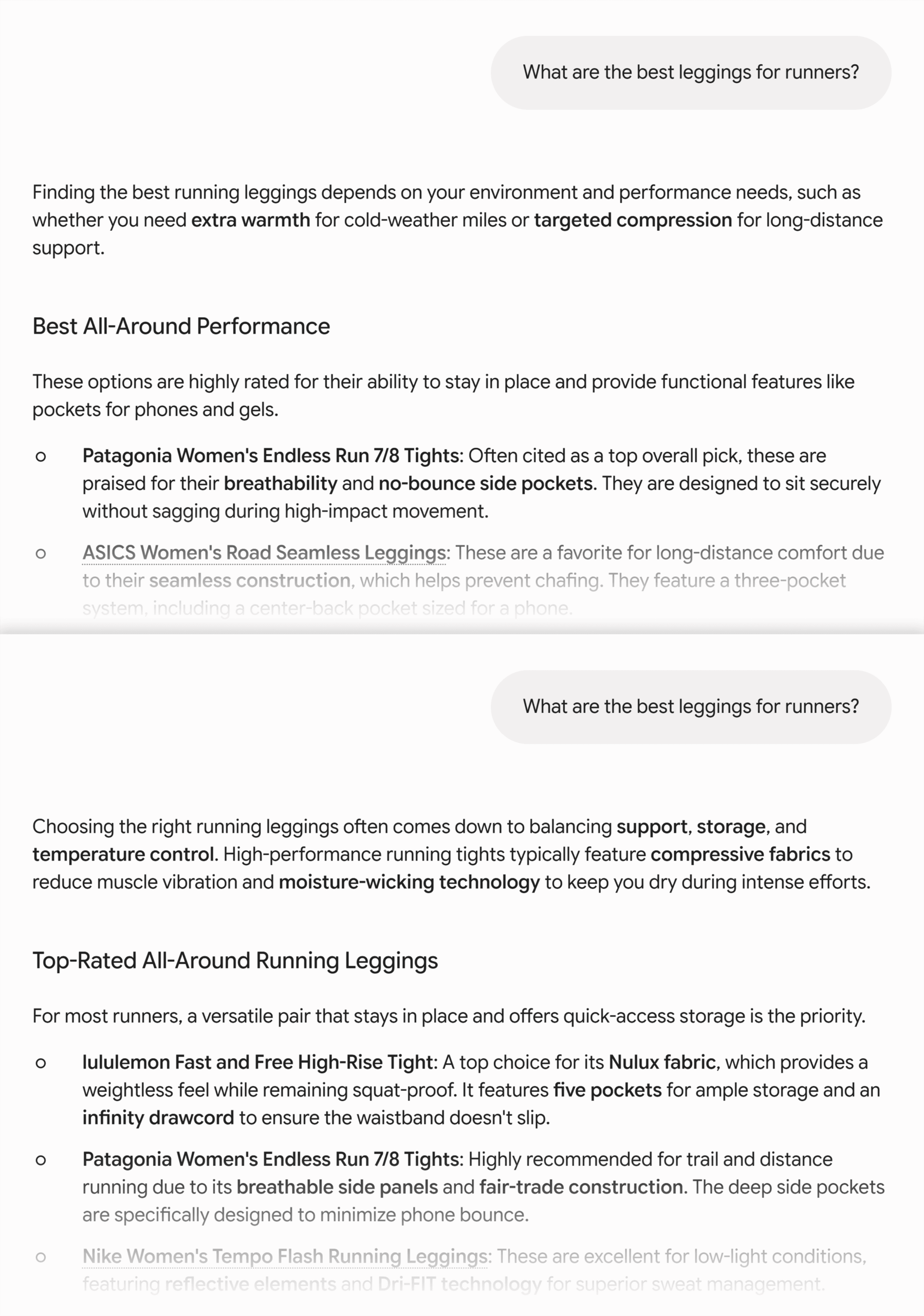
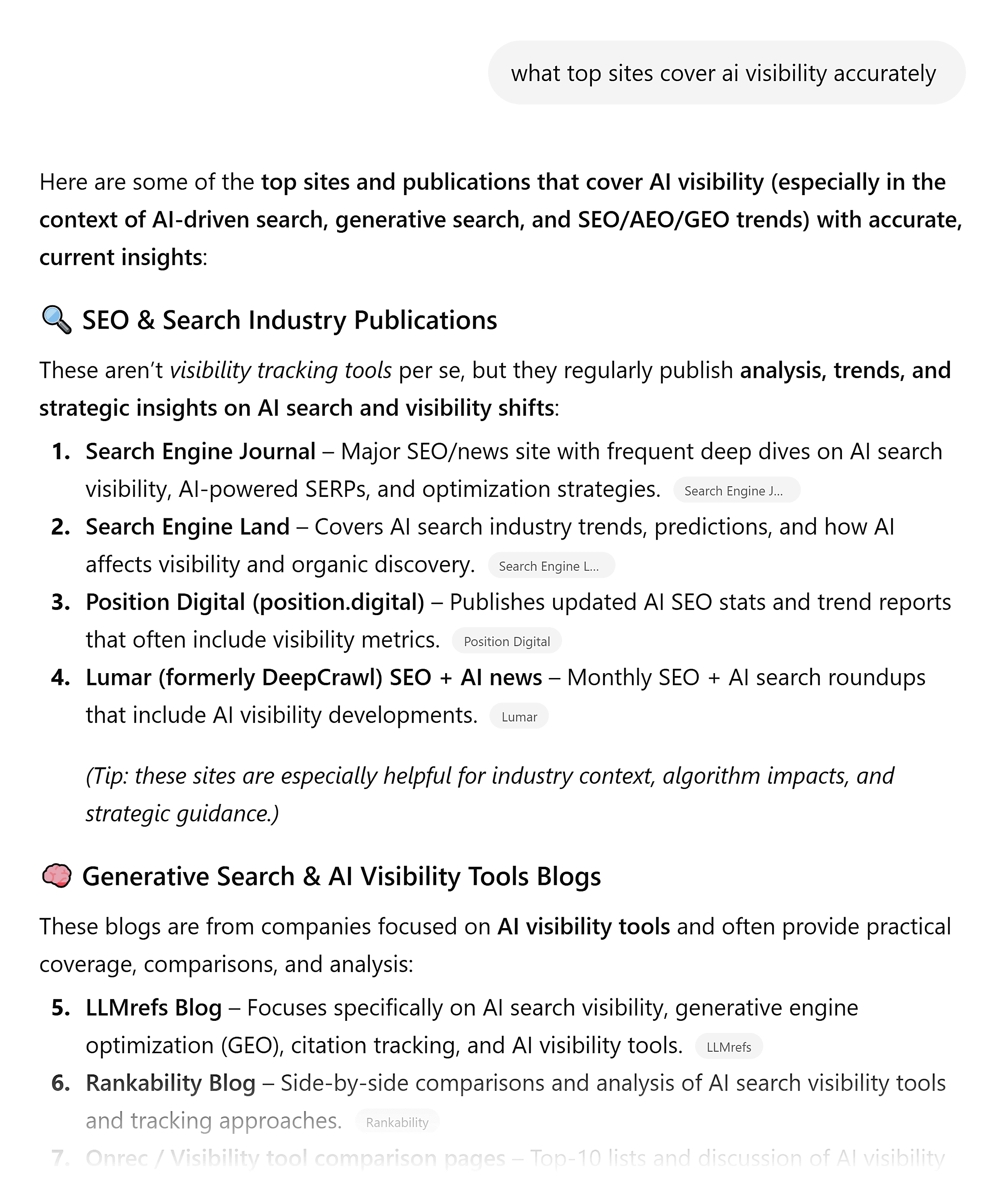
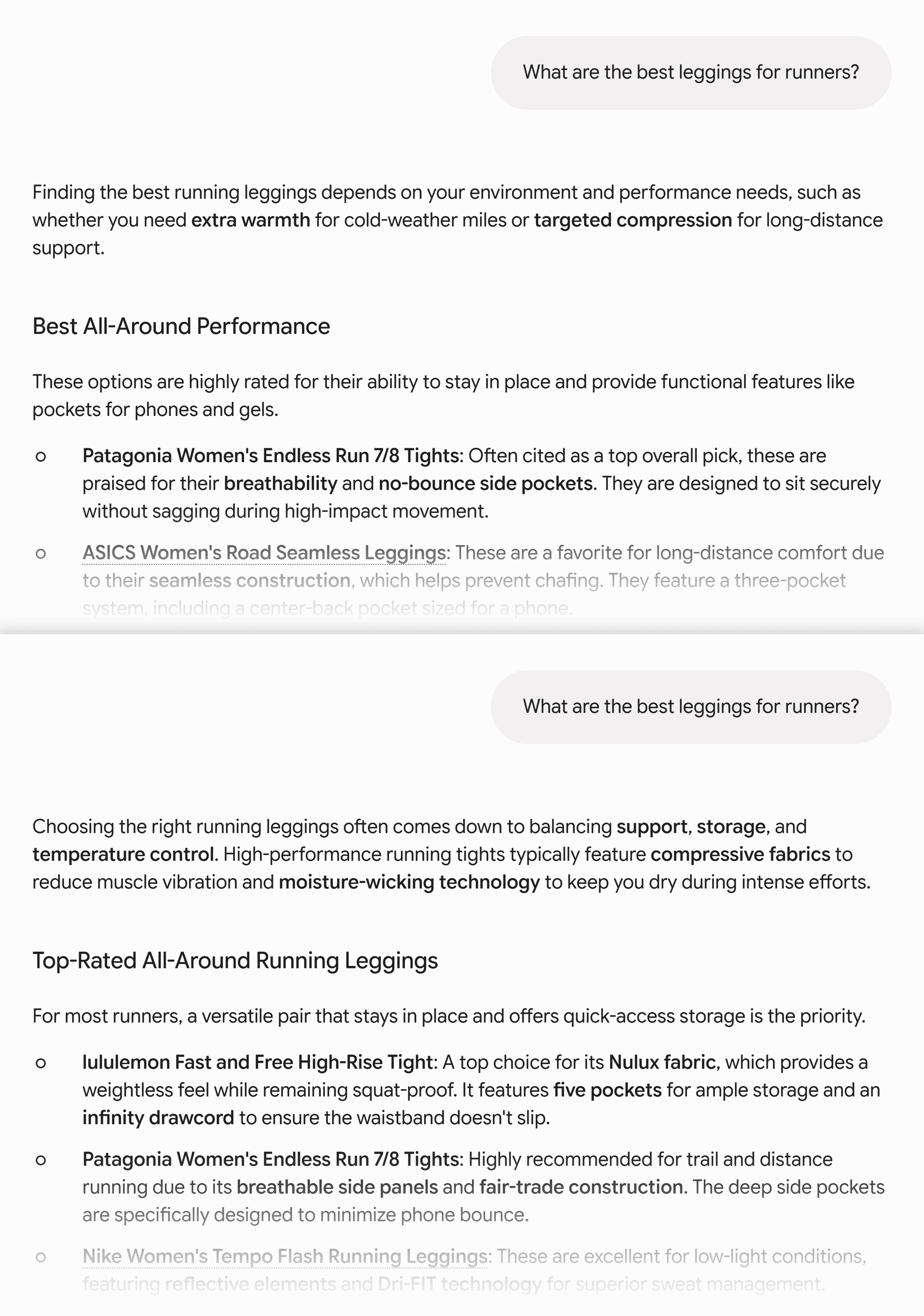
Today, a brand can hold the crown jewel position for a premier transactional keyword on Google while remaining entirely invisible to artificial intelligence. When potential buyers turn to Large Language Models (LLMs) like OpenAI’s ChatGPT, Google Gemini, and Anthropic’s Claude, or answer engines like Perplexity, they are no longer greeted by static lists of web pages. Instead, they receive synthesized, conversational answers generated on the fly.
If your brand is absent from these dynamic AI responses—or worse, if it appears with outdated, inaccurate, or damaging pricing and product information—your sales pipeline is leaking. Without a dedicated system for prompt tracking (also known as LLM visibility tracking), marketing teams are flying blind.
Chronology: The Shift from Keywords to Conversations
The transition from traditional search engine optimization to AI visibility tracking has unfolded in distinct waves over the past several years:
The Web 2.0 SEO Monopoly (Pre-2023): Brands invested heavily in traditional keyword tracking tools, measuring success entirely by URL positions on Google and Bing SERPs. The ultimate question was: “How close are we to position one?”
The Rise of Generative Engines (2023–2024): Conversational AI tools exploded into mainstream consumer habits. Users began bypassing search engines entirely to ask complex, multi-layered queries. Data from research firms like Orbit Media indicated that a majority of internet users quickly adopted AI as a primary research assistant, with over 30% utilizing it explicitly for product and software recommendations.
The "Answer Economy" Realization (2025–2026): According to recent market reports by G2, a staggering 71% of B2B software buyers now rely on AI chatbots for product research—up dramatically from 60% just a year prior. Brands realized that static URL rankings no longer correlated with conversational recommendations.
The Emergence of Prompt Tracking (Present): Forward-thinking marketing leaders began formalizing prompt tracking systems. Moving beyond simple vanity metrics, agencies and enterprise SEO leads started building structured "constraint maps" and utilizing automated intelligence tools (such as Semrush’s AI Visibility platform) to monitor how, where, and when their brands appear in non-deterministic AI outputs over time.
Supporting Data: Understanding the AI Visibility Landscape
The numbers underscore an urgent need for brands to adapt their measurement strategies. According to comprehensive industry surveys:
55% of US internet users rely on artificial intelligence as their primary or frequent research tool for information gathering.
32% of users explicitly use LLMs to generate purchasing decisions and product recommendations.
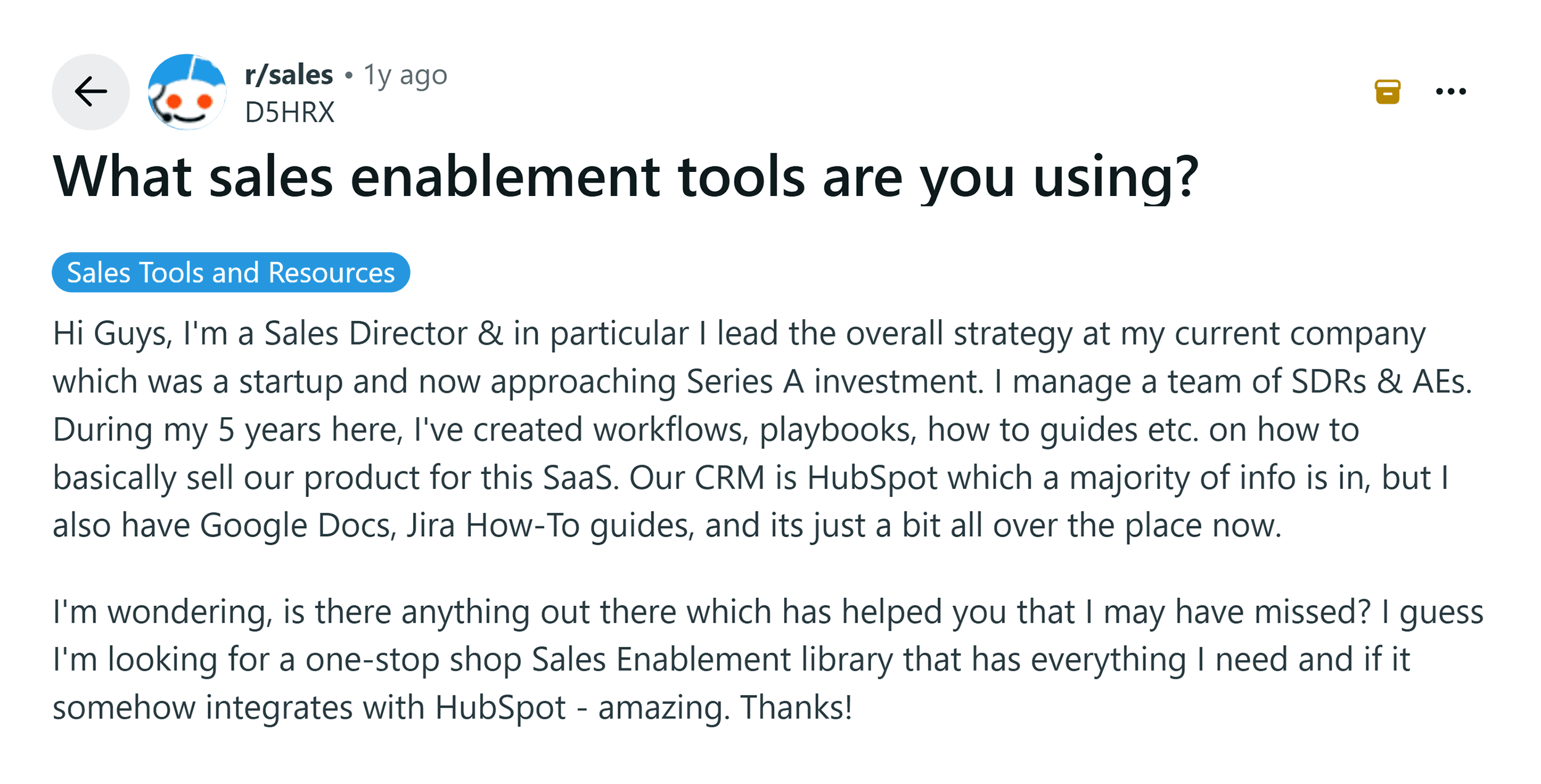
85% of brand citations within LLM answers originate from third-party authority sources—such as Reddit forums, software review aggregators (G2, Capterra), and independent media publications—rather than a brand’s own corporate website.
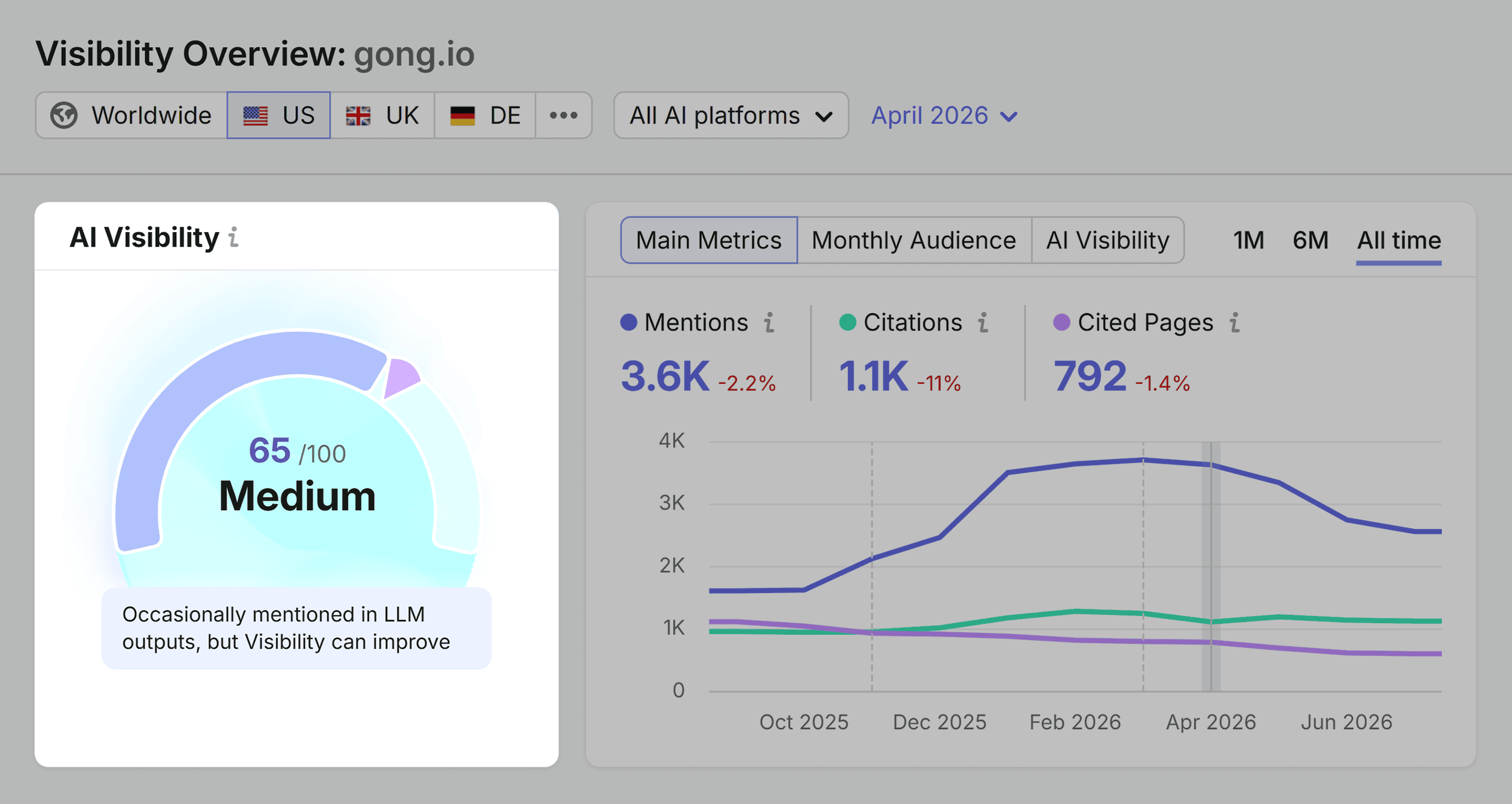
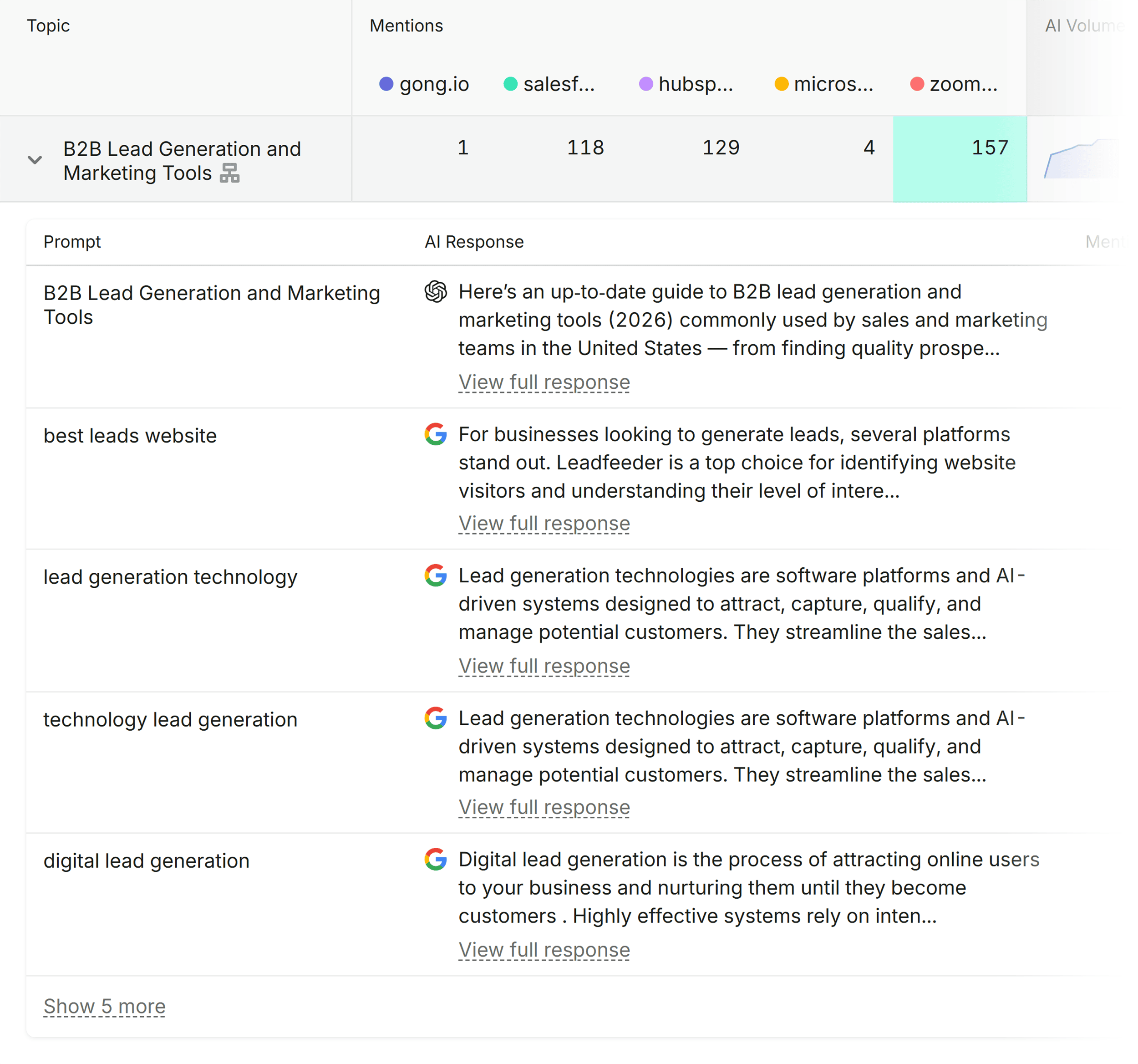
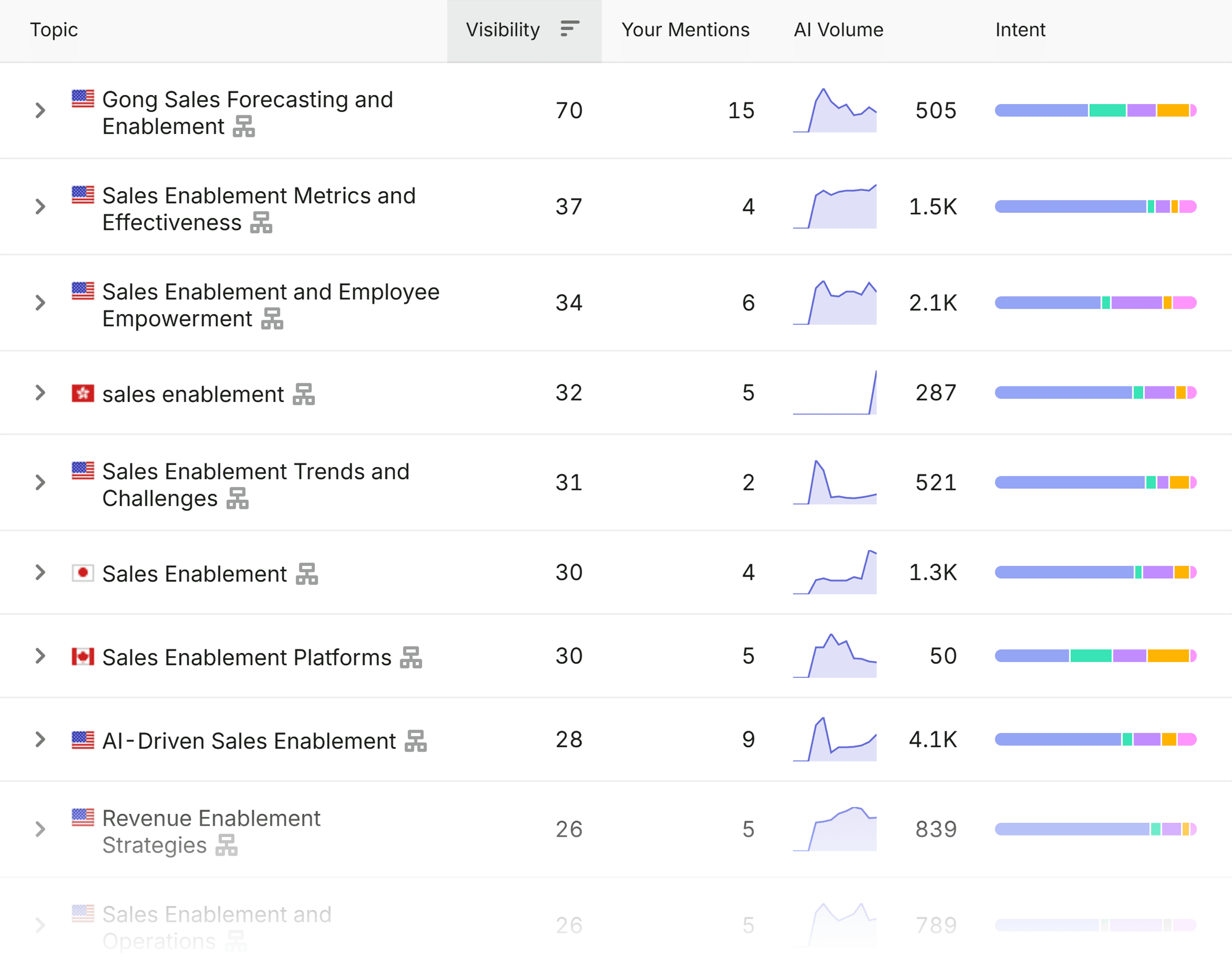
Consider the case of Gong, a prominent sales call intelligence platform. Despite maintaining a healthy AI visibility score of 65 and appearing across various funnel stages, competitive intelligence tracking reveals distinct blind spots. While Gong dominates certain conversational intelligence categories, competitors like Salesforce and Hubspot routinely capture lead-generation prompts for related products.
Without systematic prompt tracking, Gong—and thousands of companies like them—would have no structural visibility into these market gaps, missing opportunities to update their off-site strategies and third-party positioning.
Official Responses and Expert Insights: Strategies from Industry Leaders
As the digital marketing ecosystem grapples with these shifts, industry practitioners have formulated frameworks to make sense of non-deterministic AI outputs.
Margaret Kapitany, Offsite SEO Lead at Hootsuite, notes that the variable nature of LLM responses can be jarring for teams accustomed to the static predictability of traditional SEO rankings.
"In this search experience, it matters less whether your brand is mentioned first, and more that it says true positive things about you to the right people—consistently, across many runs of similar prompts," Kapitany explains.
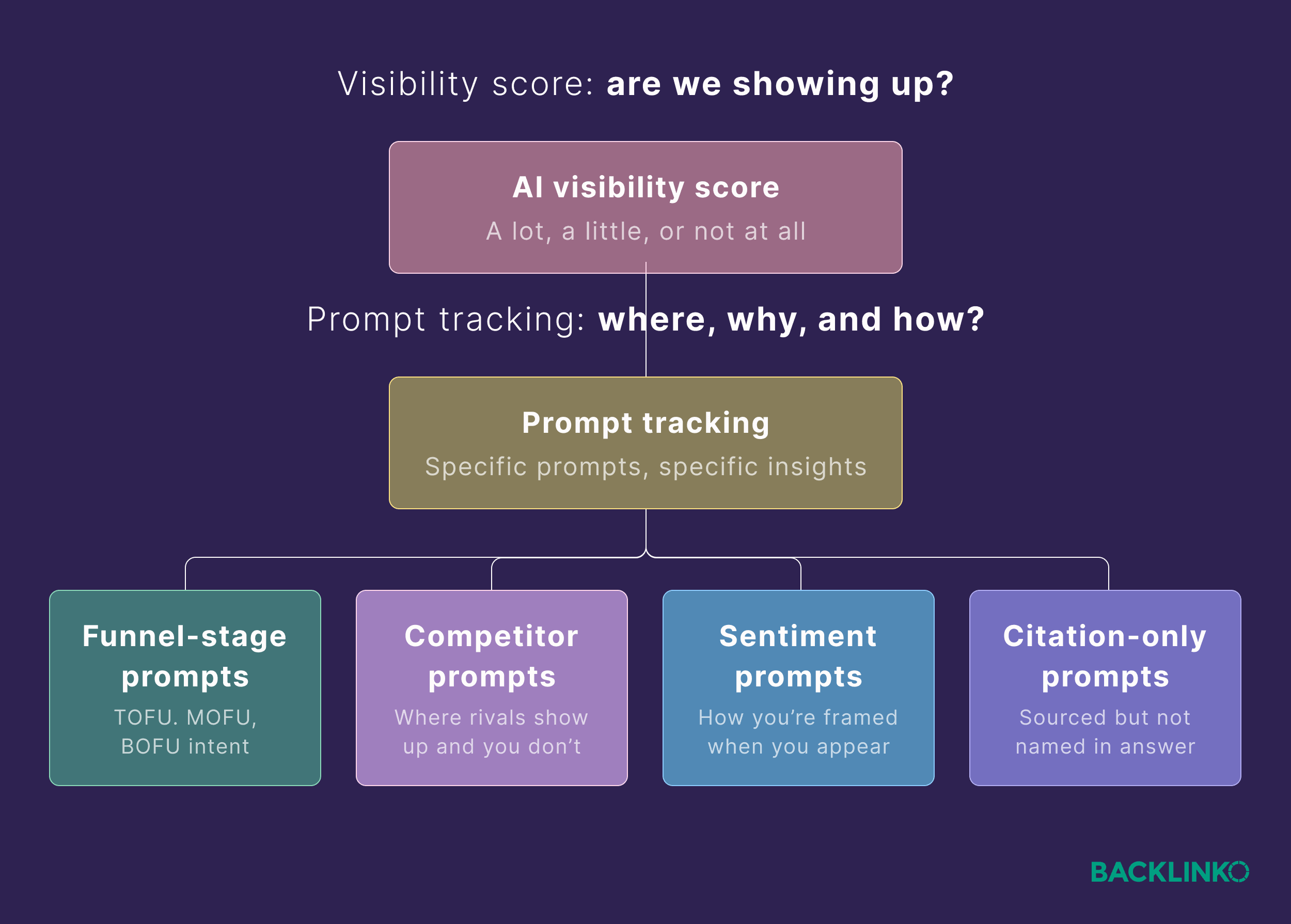
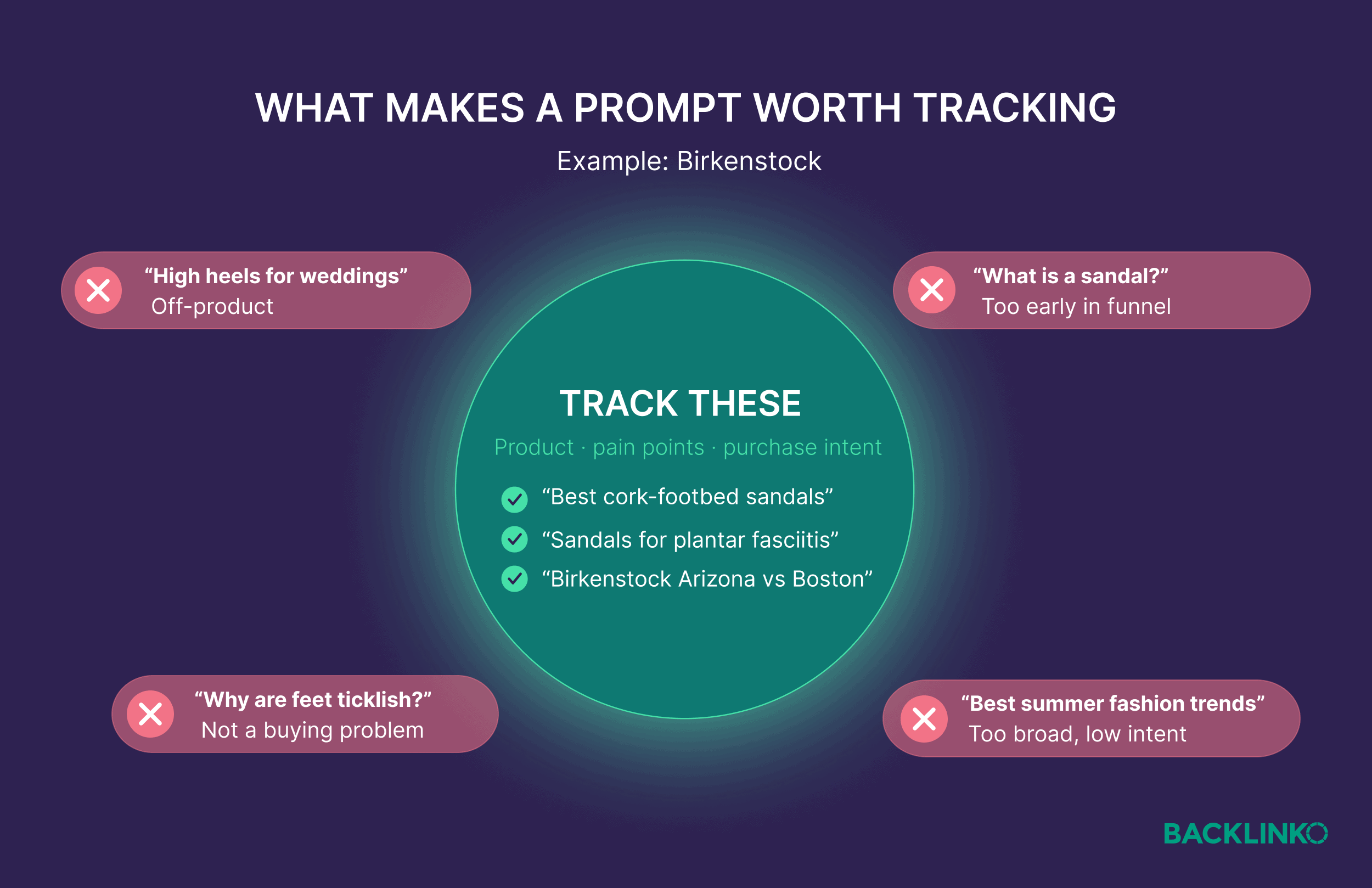
To manage this complexity, experts emphasize the importance of curating a focused prompt set. Rather than tracking every conceivable user query, high-performing brands segment their prompts into actionable clusters:
Evaluation Prompts: Queries exploring software or product choices for specific use cases (e.g., "Best project management software for marketing teams").
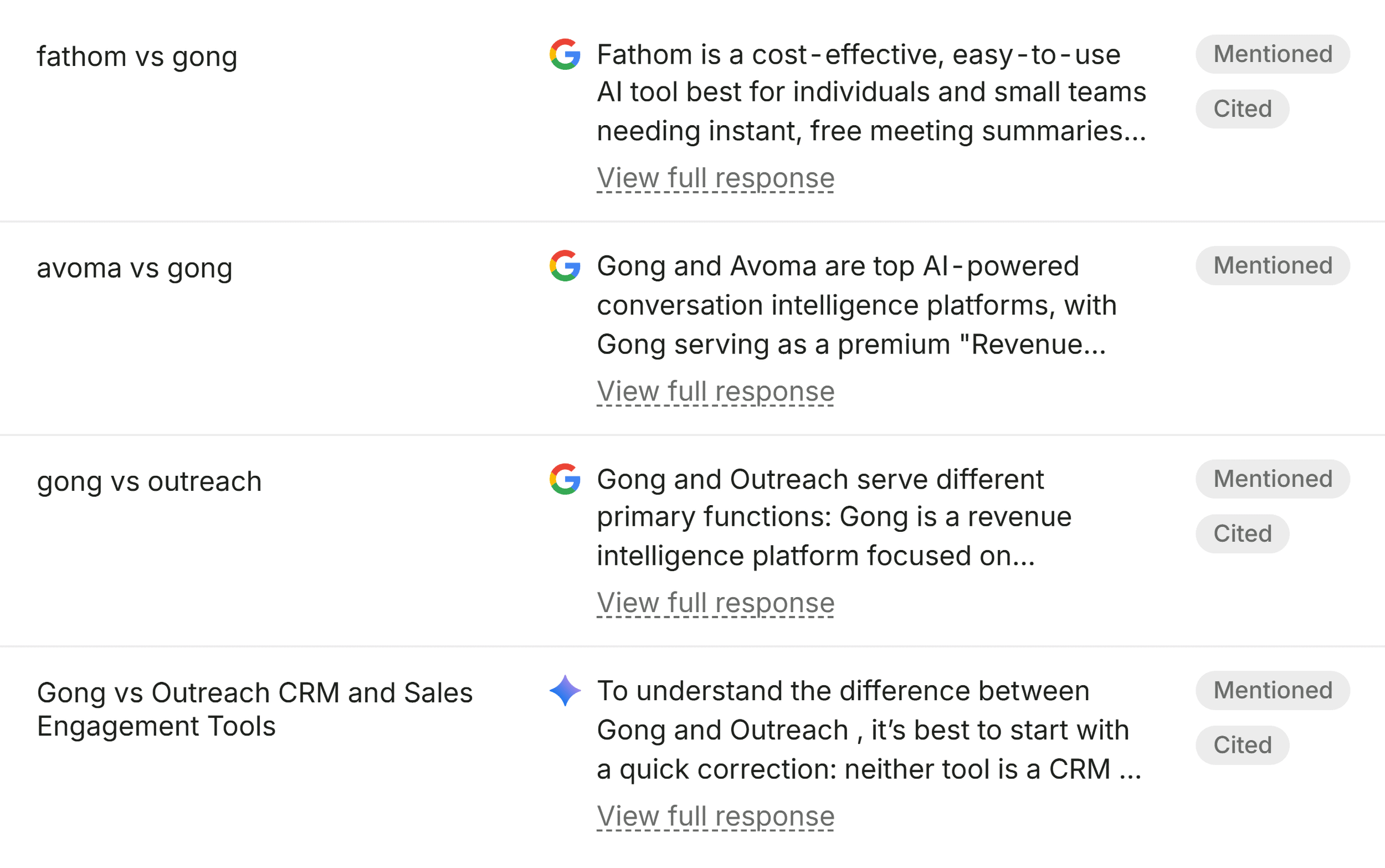
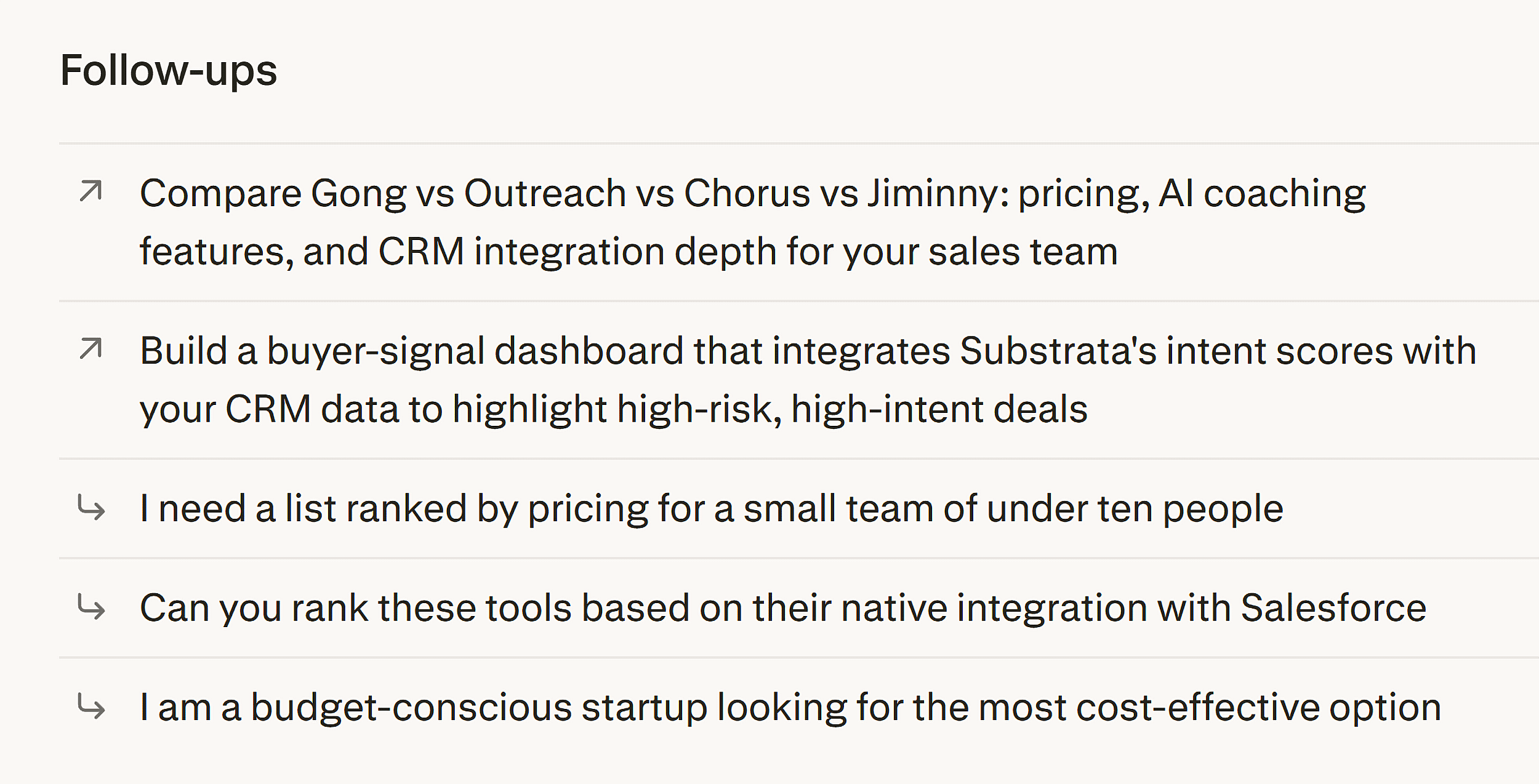
Comparison Prompts: Head-to-head analysis between competitors (e.g., "How does Hootsuite compare to [Competitor]?").
Reputation & Sentiment Prompts: Trust-building queries regarding value and performance (e.g., "Is [Brand] worth the price for enterprise teams?").
Gap Prompts: Unexplored queries where competitors currently hold exclusive mindshare.
Similarly, Jonny Nastor, Founder and Head of Strategy at Digital Commerce Partners, pioneered the "Constraint Map" methodology for e-commerce brands. By mapping a buyer’s "job to be done" against specific consumer constraints (such as "best video doorbell with no monthly subscription fees"), Nastor’s agency uses API automation across ChatGPT, Gemini, and Perplexity to log citation rates, sentiment, and content readiness gaps at scale.
Implications: How to Read, Act on, and Avoid Misreading Prompt Data
For marketing directors implementing prompt tracking for the first time, interpreting the data requires discipline. Because LLMs generate unique responses based on real-time context, user history, and silent model updates, single-data-point anomalies are common.
1. Avoid Common Misreads
The One-Week Dip Panic: A sudden drop in visibility for a single week is rarely a crisis; it is usually natural variability. Experts recommend establishing a baseline over four consecutive weeks before treating a decline as a trend requiring intervention.
The Vanity Query Trap: Tracking exclusively branded prompts (e.g., queries containing your exact company name) yields inflated, useless visibility scores. Keep branded queries strictly partitioned within reputation tracking clusters.
The "More Content" Fallacy: Low visibility scores do not always mean you need to publish more blog posts. Often, the solution lies in optimizing third-party review profiles, generating fresh customer feedback on peer sites, or updating product schema data.
2. Turn Insights into Action
When prompt data reveals persistent underperformance, marketers must execute a structured weekly workflow:
Audit Cited Sources: Identify which third-party websites (such as G2, TechRadar, or specialized Reddit communities) are routinely referenced by LLMs in your category. Pitch missing reviews, contribute expert commentary, or update existing profiles.
Combat "Ghost Ranking": If your brand appears in the underlying citation panel of an AI answer but the model ultimately recommends a competitor, you have fallen into "ghost ranking" territory. Rectify this by enriching your digital footprint on those specific citation sites with deeper product details and user testimonials.
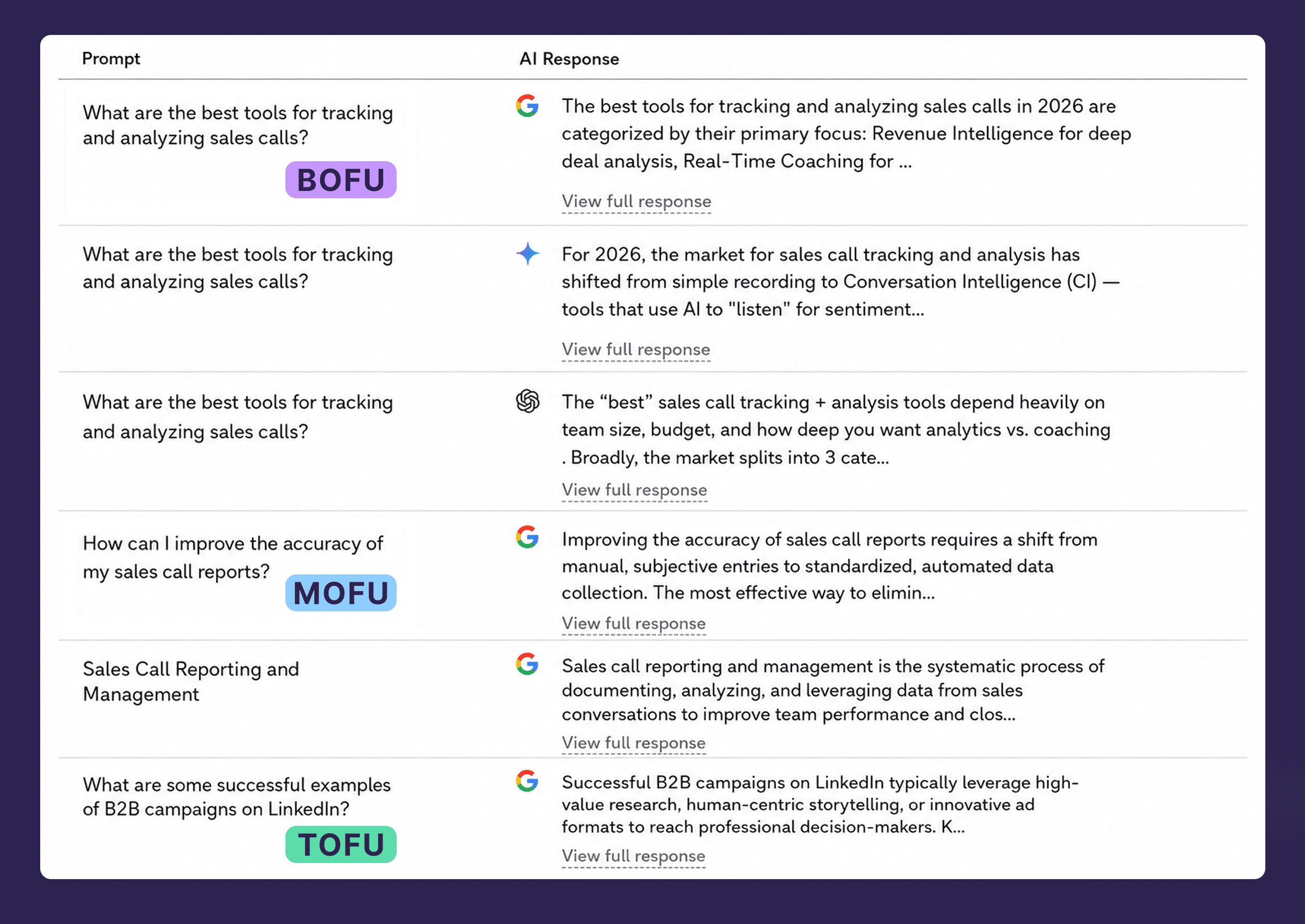
Prioritize Bottom-of-Funnel (BOFU) Impact: Direct content optimization budgets toward evaluation and comparison queries that drive actual revenue conversion rather than broad, top-of-funnel definitional prompts.
Conclusion
Prompt tracking is not a scoreboard meant to satisfy vanity metrics; it is a directional compass for the modern digital economy. Brands that succeed in the age of AI search will be those that stop chasing static blue links, monitor conversational trends with analytical rigor, and systematically secure their presence where modern buyers are actually looking: inside the mind of the machine.