The landscape of ecommerce is undergoing a structural metamorphosis. As we move deeper into 2026, the industry is no longer merely focused on "digital transformation" but has pivoted toward Agentic Commerce—a paradigm where autonomous AI systems do not just provide insights but execute complex, multi-step tasks. This week’s developments underscore a massive influx of venture capital, infrastructure integrations, and creative automation tools designed to remove friction from the merchant experience.
From Pinterest’s simplified affiliate linking to sophisticated AI orchestration frameworks from companies like Kyndryl, the message to merchants is clear: the era of manual oversight is closing, and the era of "automated execution" has arrived.
Main Facts: The New Tools of the Trade
The past week has seen a flurry of activity across the commerce ecosystem. The primary themes emerging from these product releases include the democratization of AI agents, advanced logistics support for mid-market players, and enhanced security for open-source storefronts.

The Rise of Agentic Commerce
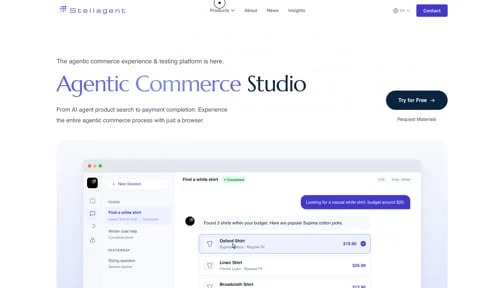
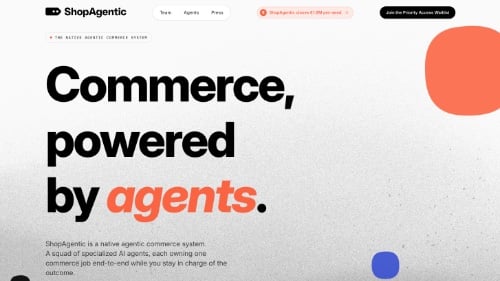
The most significant trend is the rise of the "AI Agent." Companies like ShopAgentic, Merchantee, and Subotiz have secured funding or launched suites that allow businesses to manage entire catalogs, pricing strategies, and subscription lifecycles via natural language commands. Visa and OpenAI’s partnership further signals that the financial plumbing of the internet is being reconfigured to handle agent-to-agent transactions, moving beyond human-click interfaces.
Logistics and Payments
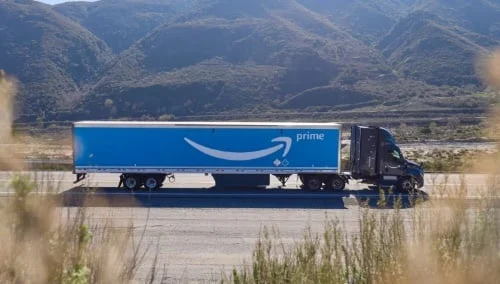
Amazon has expanded its Less-Than-Load (LTL) freight capabilities, providing small-to-medium businesses with the same logistical muscle previously reserved for enterprise retailers. Simultaneously, in the European market, ACI Worldwide is integrating the Wero wallet into its infrastructure, leveraging SEPA instant payment rails to address one of the most persistent conversion barriers in the E.U.: fragmented payment preferences.
Chronology of Developments (June 2026)
- Early Week: Pinterest launches Amazon storefront linking, allowing creators to monetize content without the technical burden of manual affiliate management.
- Mid-Week: ACI Worldwide enters the European payments fray with Wero wallet integration. Kinsta rolls out advanced bot protection for all WordPress plans, addressing the rising tide of automated traffic threats.
- Expansion Phase: Amazon Supply Chain Services opens its LTL offering to third-party warehouses and retail partners.
- AI Surge: Kyndryl releases its AI Orchestration framework; Subotiz and ShopAgentic unveil their respective agentic suites; Athos Commerce launches its Intelligent Discovery platform.
- Late Week: LinkedIn introduces Creator Marketplace and BrandWorks; Triple Whale launches Moby Automations; Pollo AI introduces Commerce Studio for visual content generation.
Supporting Data and Technical Shifts
The sheer velocity of adoption for "agentic" tools is supported by the technical convergence of several key frameworks.

Infrastructure Integration
The integration of Model Context Protocol (MCP) servers—seen in the Subotiz release—is a critical development. By providing a standard for how AI agents interact with external data (such as webhook logs, refund histories, and customer profiles), these platforms are solving the "silo problem" that has historically plagued AI adoption in ecommerce.
Security as a Baseline
With the democratization of AI, the threat landscape has grown. Kinsta’s decision to include four levels of bot protection (including a "Challenge Everyone" mode) for free indicates that security is no longer an optional "pro" feature. For ecommerce merchants, the ability to distinguish between a helpful search engine crawler, a price-scraping bot, and a malicious script is now a fundamental requirement for maintaining site performance.
Official Perspectives and Industry Response
The partnership between Visa and OpenAI is perhaps the most closely watched development of the quarter. In an official release, representatives noted that the goal is not just to "enable payments" but to build an entire identity and trust infrastructure. By embedding "trusted agent identity signals" into OpenAI’s Codex, the companies aim to ensure that AI-initiated transactions are as secure as those performed by human cardholders.
Regarding the ShopAgentic pre-seed funding round of €1.9 million, lead investors from May Ventures highlighted that the firm’s ability to coordinate a "swarm" of agents—managing dynamic pricing, fulfillment, and customer service simultaneously—was the deciding factor in their investment. The industry view is that specialized agents are better than general-purpose LLMs for specific commerce tasks, provided they can work in concert.
Implications: The Future of the Merchant Role
What do these changes mean for the average ecommerce business owner? The implications are three-fold:
1. The Death of Manual Merchandising
Tools like Fast Simon’s AI personalization and Pollo AI’s Commerce Studio suggest that visual merchandising and product layout will soon be managed by generative systems. Merchants will stop "placing" products and start "defining goals" (e.g., "increase the conversion rate for sustainable activewear"). The AI will handle the A/B testing, the imagery, and the inventory visibility to meet those goals.
2. The Shift to "Answer Engine Optimization" (AEO)
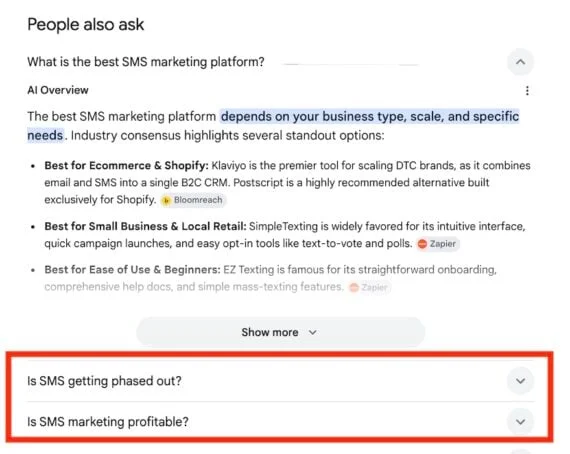
With DoorDash’s conversational search and Athos Commerce’s generative engine optimization, SEO is evolving. Brands that rely solely on keyword-based discovery will find their visibility slipping. Success in 2026 and beyond will depend on how well a product’s data is structured for AI to "understand" its utility in response to a complex consumer query, such as "Find me a dinner reservation that accommodates a gluten-free diet and has a quiet atmosphere."
3. Logistical Democratization
Amazon’s expansion of LTL freight means that a boutique brand no longer needs a massive logistics department to handle palletized shipments. By leveraging shared trailer space, smaller players can now optimize their supply chains to be more agile, competing directly with incumbents who were once the only ones capable of managing complex freight distribution.
4. Financial Friction Reduction
The collaboration between Shopware and PayPal to streamline payment acceptance, alongside the expansion of Wero in Europe, signals a move toward a "frictionless checkout" standard. Merchants who fail to adopt these integrated, multi-wallet payment solutions will likely see higher cart abandonment rates as consumers grow accustomed to one-click, platform-agnostic purchasing.

Conclusion: Preparing for the Agentic Shift
The current wave of innovation serves as a wake-up call. The ecommerce store of the future is not a static website; it is a dynamic, AI-driven entity capable of negotiating its own prices, managing its own supply chain, and communicating with customers through conversational interfaces.
For merchants, the path forward involves two distinct steps:
- Audit your current tech stack: Are your tools "agent-ready"? Do they offer APIs or MCP server support that allows them to talk to your other systems?
- Embrace the "Manager" Mindset: As execution is outsourced to agents, the merchant’s role shifts from "operator" to "strategist." Your success will depend on your ability to set the right constraints, define the right KPIs, and maintain the human brand voice that AI cannot replicate.
The tools are here. The infrastructure is being laid. The next phase of commerce is not coming—it is already live. Whether it is through the deployment of an AI agent suite or the optimization of product visibility for generative search, the merchants who thrive will be those who embrace these autonomous systems as partners, not just software.
Got an ecommerce product release? Our editorial team is currently tracking the next wave of innovations. Send your press releases and update requests to [email protected].