As the WordPress ecosystem continues to power over forty percent of the web, a growing, invisible crisis is threatening the foundations of open-source security. While developers and site owners have historically focused on direct malware injections and brute-force attacks, a more insidious vector has emerged: supply chain attacks.
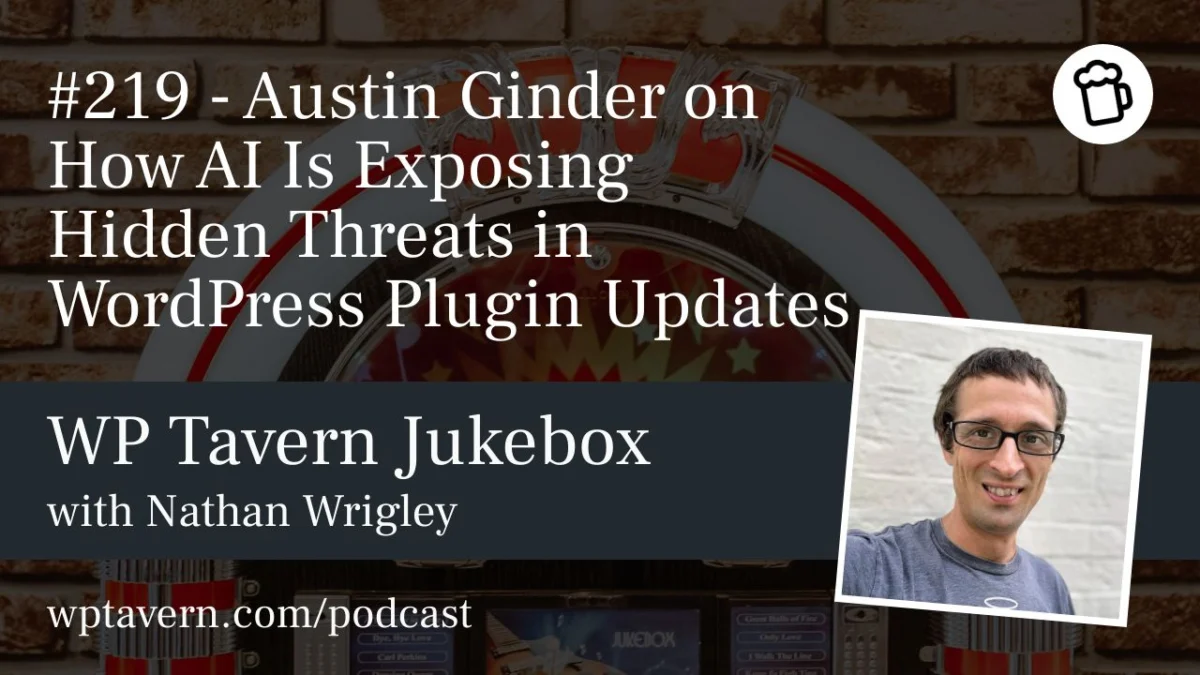
In a recent episode of the Jukebox podcast from WP Tavern, host Nathan Wrigley sat down with Austin Ginder, a long-time WordPress developer and the founder of Anchor Hosting. Ginder, who manages thousands of WordPress sites, found himself thrust to the forefront of a burgeoning security crisis. Armed with artificial intelligence tools, Ginder accidentally uncovered a systemic vulnerability in how plugins are bought, sold, and updated—revealing that bad actors are bypassing traditional defenses by weaponizing the very tools site owners trust the most.
Main Facts: The New Frontier of WordPress Exploits
At its core, a supply chain attack differs significantly from traditional hacking. Instead of breaking into an individual website through a weak password or an unpatched vulnerability, malicious actors target the upstream supply chain.
According to Ginder’s investigations, bad actors are employing two primary methods to compromise WordPress sites at scale:
- Repo Credential Breaches: Hackers compromise author credentials within the official WordPress.org repository, pushing malicious updates directly under the guise of legitimate developers.
- Plugin Acquisition and Weaponization: Attackers are spending substantial sums—sometimes six-figure amounts—to purchase established plugin companies. Once they control the plugin, they silently introduce malicious code or reroute update servers to rogue channels outside the purview of WordPress.org.
What makes these attacks particularly dangerous is their subtlety. The core functionality of the plugin usually remains intact, ensuring that site owners and automated scanners notice nothing amiss. Meanwhile, a backdoor is smuggled in, or the update channel is hijacked. Once a site accepts the update, the bad actors gain complete control, utilizing the compromised infrastructure for SEO spam, ad injection, search result poisoning, or laying dormant as a time-bomb payload.
Chronology: From Accidental Discovery to the WP Beacon Project
Ginder’s journey into security forensics began purely by accident in February. While performing routine malware cleanups for a client whose site had been secure for years, he utilized AI-driven tools—specifically Claude Code—to run deep, file-by-file forensic audits.
The First Domino: Essential Plugins
The investigation initially pointed upstream toward the WordPress.org repository. Ginder discovered that a package known as "Essential Plugins" (comprising over 30 plugins) had been compromised following a company acquisition. The WordPress Plugin Team acted swiftly, closing down the affected plugins and issuing security alerts. However, the scale of the operation stunned security researchers.
Expanding the Investigation
Spurred by this initial finding, Ginder began implementing custom security checks across his own client infrastructure to monitor JavaScript embeds and unexpected plugin variants. This proactive scanning led to the discovery of multiple additional compromised plugins, including:
- Widget Logic: Found to be secretly embedding malicious sports JavaScript code.
- Quick Redirection: Discovered that a variant version was active across multiple client sites, pushed via a hijacked update channel.
- Scroll To Top: A plugin active on roughly 20,000 sites that contained dormant, weaponized code waiting for an opportune moment to trigger.
Realizing that these were not isolated incidents but part of a broader pattern, Ginder launched WP Beacon (wpbeacon.io), a dedicated platform designed to track, document, and alert the community to WordPress supply chain attacks.
Supporting Data and the Power of AI
One of the most profound revelations of Ginder’s work is how artificial intelligence has transformed security forensics.
With over 60,000 plugins residing in the official WordPress.org repository, manual code auditing is an insurmountable task. Historically, security analysts could only investigate breaches after they occurred, piecing together fragments of data from raw SVN pipelines.
Ginder credits AI for leveling the playing field:
- Deep Code Auditing: By feeding extensive codebases into advanced language models, individuals can conduct comprehensive file-by-file analyses for a fraction of traditional enterprise security costs.
- Pattern Recognition: AI enables researchers to correlate disparate malware incidents across thousands of websites back to a single upstream source.
- Dormant Threat Detection: Automated scanning of code repositories helps identify variants and rogue update paths before bad actors execute their final payloads.
Ginder notes that while his own setup relies on readily available AI subscriptions, larger managed hosting providers sitting on millions of sites possess an untapped goldmine of malware telemetry. If hosts deploy AI-driven log analysis, industry-wide threat detection could become significantly more proactive.
Official Responses and Collaboration
In all of the cases uncovered by Ginder, the WordPress Plugin Team and repository moderators responded quickly by closing compromised repositories, issuing patches, and in rare instances, overriding vulnerable installations.
However, dealing with the infrastructure of bad actors requires cross-industry collaboration. Ginder highlighted the work of independent security researchers—such as former Kinsta engineer Sal—who utilize WP Beacon’s intelligence to take malicious command-and-control servers offline.
When a rogue update server is suspended, the bad actor’s ability to distribute malware is immediately crippled. This collaborative ecosystem between individual researchers, hosting providers, and repository moderators is proving to be vital in combating persistent attackers, some of whom have operated under various aliases for over a decade.
Implications for the Open-Source Community
The rise of supply chain attacks forces the WordPress community to grapple with uncomfortable questions regarding trust, openness, and architectural design.
The Openness Paradox
WordPress prides itself on its radical openness—anyone can build, submit, and update plugins without jumping through the rigorous, walled-garden approval processes seen in Apple’s App Store or Google Play. While this freedom fuels innovation and rapid development, it inherently expands the attack surface.
Implementing restrictive permissions systems (similar to mobile operating systems) is largely impractical given the maturity of the existing ecosystem and the desire for frictionless development. Consequently, the community must rely on better automated auditing, heightened vendor scrutiny, and aggressive upstream monitoring.
A Call to Action for Developers and Site Owners
The overarching takeaway from Ginder’s research is that complacency is no longer an option. Bad actors are playing the long game, planting dormant backdoors that can sit undetected for months or years.
For developers, site managers, and hosting providers, the mandate is clear: adopt continuous auditing practices, monitor plugin update paths, and support community-driven initiatives like WP Beacon. As Ginder emphasizes, while we may never completely eradicate cyber threats, making it exponentially harder for bad actors to weaponize the supply chain is an achievable—and essential—victory for the future of the open-web.