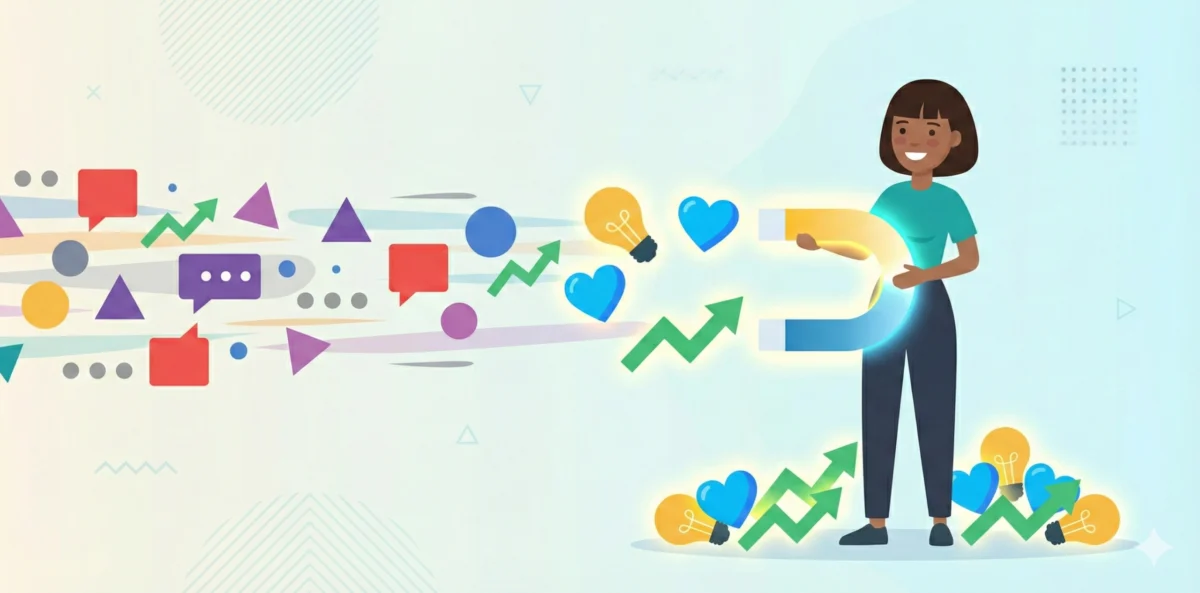
In the modern attention economy, the half-life of online culture is shrinking at an unprecedented rate. A random audio clip on TikTok or an esoteric reference on X (formerly Twitter) can transition from a niche, community-level ditty to a global meme in two days flat.
For marketing teams still bound to rigid quarterly calendars and archaic, multi-layered approval workflows, keeping pace is a compounding struggle. The brand that shows up two weeks late to a viral moment with a polished, high-budget campaign soundtrack featuring yesterday’s expired snippet inevitably looks like the awkward guest arriving just as the lights are coming up and the party is winding down.
For corporate communicators accustomed to agonizing over messaging frameworks, brand guidelines, and campaign architectures for weeks or months, this velocity is punishing. The operational challenge is twofold: brands must learn to implement faster, lighter approval cycles while simultaneously ensuring that their rapid-fire messaging meets stringent brand safety, legal, and compliance standards.
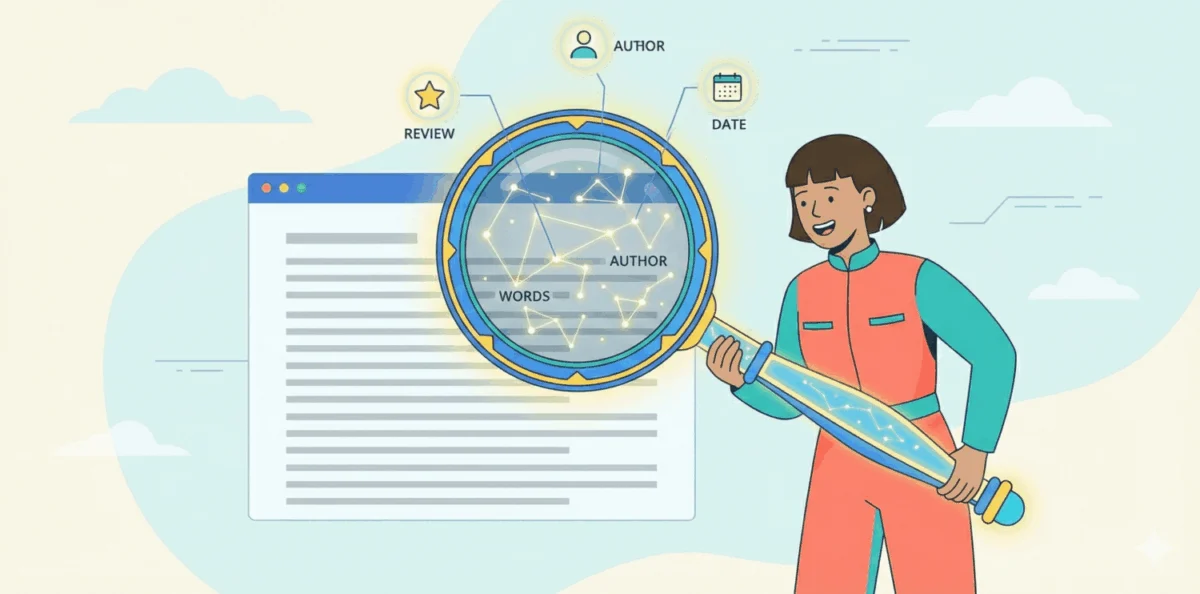
Fortunately, advanced social listening tools and forward-looking strategies can help modern enterprises hone their radar. By tapping into cultural momentum early, brands can participate authentically without turning into the corporate equivalent of Steve Buscemi’s infamous "How do you do, fellow kids?" meme.
Main Facts: The Compression of the Cultural Lifecycle
The fundamental reality facing modern marketing is that digital culture moves faster than traditional enterprise governance. Traditional marketing strategies were built for an era of scheduled media drops, print lead times, and predictable broadcast cycles. Today, consumer attention is hyper-fragmented, and cultural currency is earned through real-time relevance.
- The 48-Hour Window: When a cultural trend or micro-viral moment emerges, brands typically have a 48- to 72-hour window to respond before the conversation saturates, pivots, or dies.
- The Death of Volume Metrics: Standard analytics dashboards that prioritize aggregate volume over velocity miss the earliest, most valuable indicators of cultural shifts.
- The Governance Bottleneck: The primary friction point for enterprise brands is not a lack of creativity, but internal bureaucracy. Slow review chains guarantee missed opportunities.
- Micro-Virality: Trends no longer start on mainstream feeds; they ignite inside digital subcultures—such as specialized Discord servers, Reddit threads, and professional Slack communities—long before reaching the broader public.
Chronology: The Evolution of Social Listening from Sentiment to Strategy
To understand how enterprises are attempting to solve this velocity crisis, it is helpful to look at how social listening tools and strategies have evolved over the past decade.
Phase 1: Reactive Reputation Management (Early 2010s)
Initially, social listening was deployed almost exclusively as a defensive shield. Brands used keyword trackers to monitor for PR crises, track customer complaints, and gauge public sentiment after a product launch or scandal. Listening was isolated within customer service and PR departments, completely disconnected from content creation or strategic planning.
Phase 2: The Dashboards and Vanity Metrics Era (Mid-to-Late 2010s)
As social media matured, software-as-a-service (SaaS) platforms flooded the market with comprehensive dashboards. Brands tracked share of voice, positive-versus-negative sentiment ratios, and raw impression counts. While this provided useful reporting for quarterly executive decks, the data remained largely passive, rarely driving immediate operational or creative changes.
Phase 3: The Micro-Viral and Cultural Intelligence Era (Present Day)
Today, leading organizations are transforming social listening from a reporting mechanism into an active engine of cultural intelligence. Rather than merely asking “What do people think of us today?” modern content teams ask, “What emerging cultural currents can we safely, authentically ride tomorrow?”
This shift requires dismantling the wall between data analytics and creative execution, integrating real-time insights directly into editorial planning, tone optimization, and executive positioning.
Supporting Data: The High Stakes of Trendjacking
The financial and reputational stakes of getting this wrong—or right—are massive. When executed with precision, real-time cultural alignment builds profound brand affinity. When executed poorly, it invites public mockery.
For every successful trend-matching campaign, there are dozens of tone-deaf attempts that breed backlash. A classic cautionary tale occurred when the #GirlDinner trend exploded across TikTok.
[Trend Emerges on TikTok]
       │
       ▼
[Niche Communities Adopt & Define Tone]
       │
       ▼
[The 48-72 Hour Window for Authentic Engagement] ──► (Missed Window = Irrelevance)
       │
       ├─► [Strategic Approach: HelloFresh] ──► Analyzes cooking habits & recipe trends ──► Adapts product offerings in real time.
       │
       └─► [Rushed Approach: Popeyes] ──► Launches "Girl Dinner" side-dish menu ──► Panned as lazy & off-base by Gen Z.
Popeyes attempted to capitalize on the moment by launching a "Girl Dinner" menu composed entirely of its side dishes. Rather than delighting consumers, the move was widely panned by cultural critics and Gen Z users alike as lazy, corporate, and fundamentally misunderstanding the self-deprecating, humorous spirit of the trend. What could have been an opportunity to align with genuine consumer humor instead highlighted the severe risks of jumping onto a bandwagon without adding genuine value.
Conversely, brands like HelloFresh utilize continuous social listening not just for brand mentions, but to map the broader ecosystem of cooking habits, dietary shifts, and packaging feedback. By analyzing these signals, HelloFresh adapts its content strategy and product offerings in real time, staying ahead of consumer preferences rather than chasing them.
Official Responses and Industry Perspectives
Enterprise marketing leaders and compliance experts are increasingly vocal about the structural changes required to survive the compressed attention economy.
"The biggest mistake brands make when they start with social listening is treating it as a reporting function rather than an action driver," explains a leading digital strategist. "It’s remarkably easy to produce gleaming dashboards that look impressive in executive meetings but never actually inform a creative decision. The real value comes when insights directly change how you plan, create, and publish content."
Furthermore, enterprise compliance teams—historically the primary roadblock to rapid publishing—are adapting. Forward-thinking organizations are no longer saying "no" to real-time marketing; instead, they are collaborating with legal departments to establish pre-approved guardrails.
"You can balance speed with brand safety by building lightweight operational guardrails," notes a corporate communications director. "This includes establishing a pre-approved ‘do and don’t’ list for language, topics, and tone, instituting a compressed approval chain for rapid-response content, and setting clear escalation paths for sensitive issues. This way, you move quickly without exposing the brand to unnecessary risk."
Implications: Reshaping the Enterprise Content Machine
The operational implications of true cultural intelligence extend far across the modern enterprise, fundamentally altering four critical pillars of marketing and communications.
1. Editorial Calendar Evolution
Static, inflexible yearly or quarterly editorial calendars are rapidly becoming obsolete. Streaming giants like Netflix have long demonstrated how closely tracking audience chatter can dynamically shape promotional priorities. When collective social stress spikes, platforms instantly pivot to highlight "comfort viewing" genres. Brands must build modular content calendars that allow for spontaneous inserts based on real-time cultural signals.
2. Language and Tone Optimization
Tone is no longer dictated solely in brand style guides; it is co-created with the audience. Consider how budget airline Ryanair leverages social listening to inform its notoriously cheeky, self-deprecating voice ("Yes, our legroom is terrible, but our fares are cheap"). This voice is a direct reflection of what they observe people saying online. Posts mirroring the unfiltered humor of their audience consistently drive record-shattering engagement.
3. Executive Positioning and Thought Leadership
Enterprise B2B brands, such as Salesforce, lean heavily on real-time trend monitoring to inform executive positioning. By systematically tracking emerging business discourse surrounding artificial intelligence, data privacy, and workplace sustainability, these companies position their leadership teams to weigh in early, authoritatively, and credibly.
4. Continuous Message Testing
Modern technology companies regularly validate their core positioning and narrative arcs by tracking how potential messaging lands in the wild. Slack’s historic evolution from "be less busy" to "your digital HQ" reflects this exact kind of feedback loop, where conversational analysis helps refine product language long before a massive ad campaign scales.
Practical Takeaways for Modern Marketers
Transforming social listening from a passive monitoring exercise into an active, high-performance driver requires deep operational discipline. Marketing teams should adhere to three core best practices:
- Dismantle Silos Between Analytics and Creative: Data insights must flow directly into the hands of copywriters, designers, and video producers within hours, not weeks.
- Establish Pre-Approved Compliance Frameworks: Speed is impossible without trust. Work with legal and compliance teams ahead of time to establish clear boundaries and fast-track approval lanes for rapid-response content.
- Monitor Subcultures, Not Just Mainstream Feeds: Look beyond surface-level keyword trackers. Pay attention to specialized digital communities—such as focused subreddits, Discord channels, and professional networks—where tomorrow’s mainstream trends are born today.
The brands thriving in today’s compressed attention economy do not simply react to culture; they anticipate it, shape it, and build durable competitive advantages through rigorous cultural intelligence.
In a digital landscape where cultural moments flare and fade faster than you can say Barbenheimer, the ability to detect, interpret, and respond within hours is no longer a luxury—it is the ultimate differentiator. Don’t be the brand that shows up after the party is over. Master the art of social listening, arrive on time, and join the conversation in a way that feels genuinely welcome.