NEW YORK — For decades, the cultural taxonomy of fame followed a rigid, well-worn hierarchy. First came the traditional Hollywood royalty and household television personalities—visionaries and moguls like Paul Newman and Martha Stewart, who leveraged their silver-screen or culinary charisma into enduring consumer goods. Then arrived the era of the transcendent sports titan, best exemplified by Michael Jordan, whose athletic genius catalyzed a seismic shift in global marketing. Following them came the reality television boom, birthing a new class of celebrity famous simply for being themselves.
Yet, as the digital age mutated into the age of the omnipresent influencer, the very architecture of celebrity democratization shifted. Today, anyone can build a personal brand—including the romantic partners of professional athletes.
In recent years, a powerful, highly visible coterie of NFL wives and girlfriends has decisively shattered the archaic "arm candy" stereotype. Moving far beyond luxury stadium suites and post-game photo-ops, these women have emerged as standalone media moguls, designers, and entrepreneurs commanding massive audiences and launching lucrative, independent consumer brands. Off Season, the high-fashion label created by Kristin Juszczyk—wife of San Francisco 49ers Pro Bowl fullback Kyle Juszczyk—stands as a prime example of this paradigm shift.
A generation ago, such an entrepreneurial leap from the sidelines to the boardroom would have been virtually impossible. But as the definition of modern fame has fundamentally evolved, so too have the rules of engagement for women in the sports industry.
Main Facts: The Evolution of the NFL WAG Economy
The transformation of the modern NFL partner from a passive spectator to an active commercial powerhouse is one of the most compelling business trends of the 2020s. Historically relegated to the background of sports media coverage—often framed merely as supportive spouses in designer clothes—today’s NFL wives and girlfriends (frequently referred to shorthand as WAGs) are operating as independent business entities.
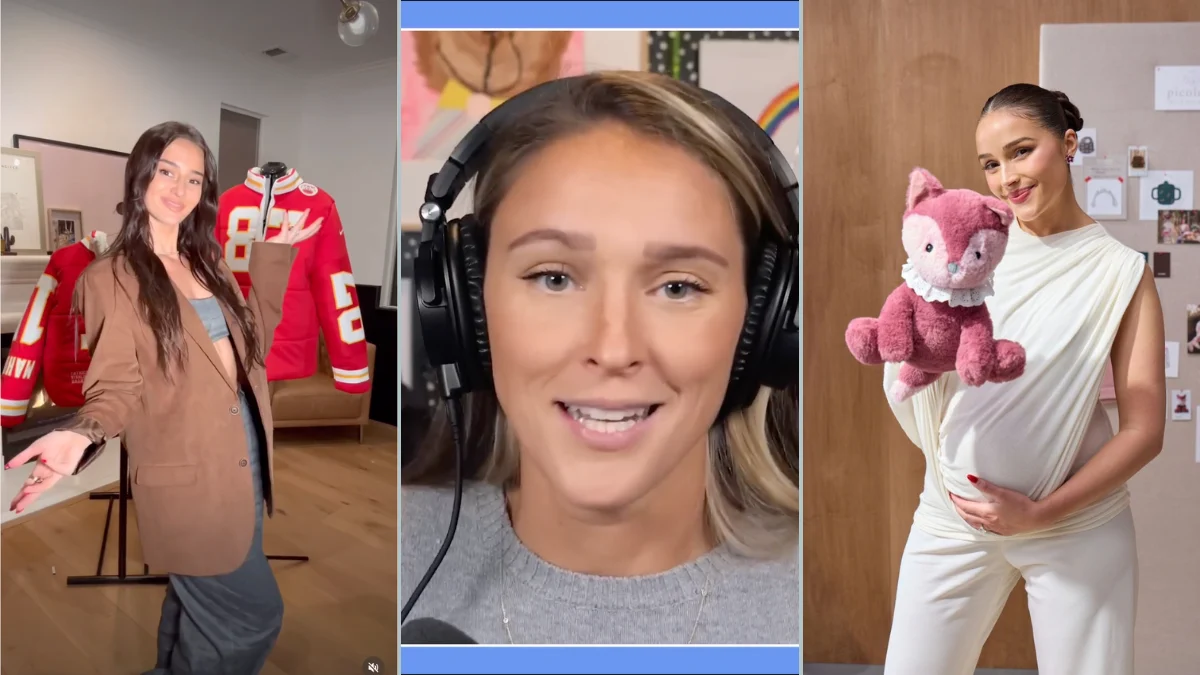
At the center of this movement is Kristin Juszczyk, whose bespoke NFL-licensed puffer jackets and corsets—reconstructed from official jerseys—captured the global zeitgeist during the 2023–2024 NFL postseason. Worn by pop superstar Taylor Swift (whose high-profile romance with Kansas City Chiefs tight end Travis Kelce has radically altered the NFL’s demographic reach), Olympic gold medalist Simone Biles, and actress Brittany Mahomes, Juszczyk’s designs vaulted her from an independent creator to a major licensing partner with the National Football League itself.
This is not an isolated phenomenon. Across the league, partners of professional football players are leveraging social media platforms—TikTok, Instagram, and YouTube—to bypass traditional gatekeepers. They are building personal brands with millions of dedicated followers, converting digital engagement into direct-to-consumer businesses, podcast networks, beauty lines, and high-fashion collaborations.
The core elements defining this new economic reality include:
- Direct-to-Consumer Autonomy: Utilizing social media to market products directly to fans without relying on traditional retail distribution models.
- Intellectual Property Partnerships: Evolving from unauthorized DIY creators into officially licensed partners of major sports leagues.
- Cross-Pollination of Audiences: Merging the massive, highly engaged demographics of sports culture, fashion, and lifestyle entertainment.
Chronology: From Stadium Suites to the Boardroom
To understand how contemporary NFL partners achieved this level of commercial independence, it is necessary to examine the historical timeline of fame, media, and sports culture over the past several decades.
The 1990s and Early 2000s: The Era of Traditional Seclusion
A generation ago, the partners of professional athletes maintained a deliberately low public profile. While high-profile exceptions existed—such as supermodels dating NFL or NBA stars—their public image was largely managed by traditional public relations teams. The media landscape treated athletes’ spouses as accessories to the main event. Opportunities for monetization were largely restricted to local charity work, cookbook contributions, or occasional cameo appearances in lifestyle magazines. Personal branding, as understood today, did not exist.
The Late 2000s to 2010s: The Reality TV Boom and Early Social Media
The advent of platforms like Instagram and the proliferation of sports-adjacent reality television began to crack the veneer of traditional athlete-spouse seclusion. Shows like WAGS on E! attempted to document the lives of athletes’ partners, though these early attempts often leaned heavily into sensationalized tropes rather than business acumen. Concurrently, early digital creators began using Instagram to share fitness routines, interior design tips, and game-day outfits. However, these efforts were largely viewed as hobbies rather than viable corporate enterprises.
2020–2022: The Pandemic Acceleration and Creator Economy
The COVID-19 pandemic catalyzed a massive migration of consumer attention toward digital platforms. Stuck at home, athletes and their partners leaned heavily into short-form video content on TikTok and Instagram Reels. This period democratized content creation. NFL partners began pulling back the curtain on the logistical realities of professional football life—moving cities, managing family life, and styling game-day outfits. Audiences responded enthusiastically to the authenticity and relatability of these behind-the-scenes glimpses.
2023–Present: The Swift Effect and Institutional Legitimacy
The cultural convergence of pop superstardom and professional football—epitomized by Taylor Swift’s relationship with Travis Kelce—permanently altered the NFL’s media ecosystem. The league aggressively leaned into female demographics, amplifying the visibility of women in the stands. Capitalizing on this unprecedented cultural spotlight, creators like Kristin Juszczyk secured official licensing deals with the NFL, transforming viral social media moments into legitimate, scalable fashion empires and proving that the modern sports partner could command economic influence rivalling the athletes themselves.
Supporting Data: The Numbers Behind the Movement
The shift in how sports audiences consume content and purchase merchandise is backed by substantial economic data. The commercial viability of NFL partners is not merely a cultural footnote; it represents a multi-million-dollar sector driven by shifting media consumption habits.
- The Demographics Shift: According to NFL media data, female viewership of regular-season games has climbed steadily, with women now comprising approximately 47% of the total NFL fanbase. This expanding demographic has created a lucrative market for sports merchandise tailored specifically to female aesthetics.
- Social Media Reach: Top-tier NFL partners regularly command digital footprints that rival or exceed those of mid-tier professional athletes. Figures like Brittany Mahomes and Kristin Juszczyk boast combined social media followings in the millions, generating billions of annual impressions across Instagram, TikTok, and YouTube.
- The Licensing Leap: Following her viral post-season designs, the NFL granted Kristin Juszczyk a formal licensing agreement, allowing her brand, Off Season, to utilize official team logos and merchandise. Industry analysts estimate that sports-adjacent fashion collaborations driven by independent female creators represent a rapidly expanding sector within the $15 billion licensed sports merchandise industry.
- The E-Commerce Conversion Rate: Direct-to-consumer brands launched by digital creators typically enjoy customer acquisition costs (CAC) significantly lower than traditional legacy retail brands, thanks to organic social media reach and high consumer trust.
Official Responses and Industry Perspectives
The rapid professionalization of NFL partners has elicited varied responses from traditional sports leagues, fashion houses, and sports marketing executives, most of whom are racing to adapt to a changing landscape.
League executives have recognized that modernizing merchandise and expanding cultural touchpoints is essential to capturing younger, digitally native demographics. In statements regarding recent licensing expansions, NFL representatives have emphasized the importance of supporting innovative, independent designers who breathe new creativity into traditional sports apparel.
"The intersection of sports, fashion, and culture has never been more dynamic," noted a senior sports marketing consultant based in New York. "For decades, leagues treated female fans and partners as an afterthought, offering them shrink-and-pink merchandise. What we are seeing now is a reclamation of narrative. These women are proving that they understand contemporary style and consumer desire better than legacy corporate merchandising departments."
Fashion industry insiders have similarly praised the entrepreneurial hustle of creators like Juszczyk. Rather than waiting for major luxury houses to offer design partnerships, these women utilized modern manufacturing networks, direct-to-consumer logistics, and viral marketing to build demand from the ground up.
However, challenges remain. Some old-guard sports traditionalists have occasionally pushed back against the blurring lines between athletic competition and lifestyle entertainment, arguing that media coverage should remain strictly focused on the action on the field. Yet, financial realities continue to favor expansion, as partnership metrics consistently prove that lifestyle content drives broader fan acquisition and engagement.
Implications: What This Means for the Future of Sports and Media
The rise of the independent NFL partner brand carries profound implications for the future of sports marketing, the creator economy, and gender representation in professional athletics.
1. The Redefinition of Athlete Marketing
Historically, sports agencies focused exclusively on the male athlete, treating his family as a private domestic matter. Moving forward, modern sports agency models are expanding to encompass holistic family branding. Managing the collective intellectual property of an athlete and their entrepreneurial partner represents a new frontier in sports talent management.
2. The Death of the "Arm Candy" Trope
Culturally, this movement delivers a decisive blow to outdated patriarchal stereotypes. By displaying acute business acumen, technical design skills, and media savvy, these women are establishing a blueprint for modern female entrepreneurship. Future generations of sports partners will enter the public eye with an expectation of professional independence and brand autonomy.
3. The Democratization of Sports Merchandise
The success of brands like Off Season signals to legacy sports leagues that fans—particularly women—desire high-fashion, customized, and culturally relevant merchandise rather than mass-produced, generic jerseys. This will likely force major sports leagues to fundamentally rethink their licensing strategies, opening doors for more independent designers and creator-led collaborations.
Conclusion
The evolution from silent spectator to self-made mogul marks a watershed moment in sports culture. As the boundaries between athletics, fashion, and digital influence continue to dissolve, the modern NFL partner has proven that the real game isn’t just happening on the gridiron—it’s being designed, marketed, and scaled from the suites above. In the age of the influencer, the narrative belongs to those who write it themselves, ensuring that the legacy of these entrepreneurial women will long outlive the final whistle of any given Sunday.