By Sharon Atefi
Published by Foundr
Main Facts
In the contemporary landscape of digital commerce, customer acquisition costs (CAC) across major paid social and search platforms continue to surge, squeezing profit margins for founders and enterprises alike. Yet, sitting quietly within the database of almost every scaling brand is an underutilized, highly lucrative asset: an existing email list populated by buyers who already love the product.
Recent industry analysis highlights a critical disconnect in modern marketing strategies: while most businesses acknowledge the supreme value of word-of-mouth recommendations, very few have built the automated infrastructure required to capture and scale them. Traditional referral setups typically fail because they are treated as static web pages hidden away in a site footer rather than dynamic, data-driven email workflows.
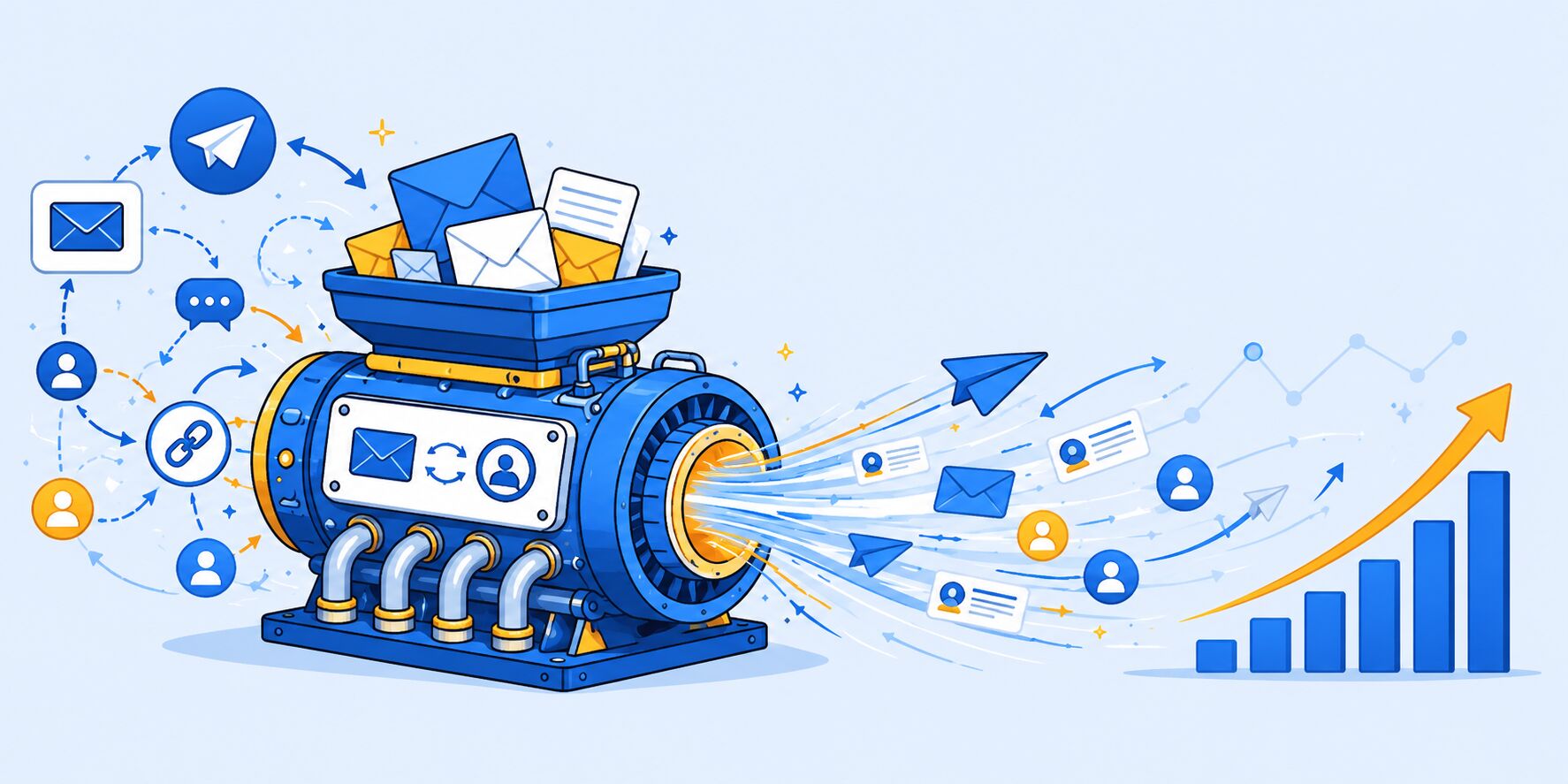
To overcome stagnant referral metrics, high-growth brands are shifting toward automated referral engines. By leveraging advanced customer segmentation tools—such as Omnisend—coupled with loyalty platforms like Smile and Yotpo, these companies are moving away from untargeted email blasts. Instead, they are deploying automated, double-sided referral incentives precisely at the "moment of delight," converting satisfied buyers into active brand advocates without inflating marketing overhead.
Chronology and Evolution of Referral Marketing
To understand why traditional referral programs struggle today, one must trace the evolution of word-of-mouth marketing from organic social currency to structured digital infrastructure.
Phase 1: The Era of Organic Advocacy (Pre-Digital)
Historically, referrals were entirely organic. A customer tried a product, loved it, and told a friend over dinner or across a backyard fence. Brands had zero visibility into these interactions and zero ability to accelerate them. Trust was high, but the velocity and scale were limited strictly to immediate physical social circles.
Phase 2: The Static Web Page Era (Early E-Commerce)
As e-commerce matured in the 2000s and 2010s, brands recognized the power of peer recommendations and attempted to digitize them. The standard playbook involved building a static "Refer-a-Friend" landing page and burying a link in the website footer or sending a single, standalone announcement email upon customer account creation.
- The Result: Engagement plummeted. Once the initial novelty wore off, these pages faded into obscurity, generating negligible traffic because they lacked contextual relevance and ongoing reminders.
Phase 3: The Automated Engine Era (Present Day)
Today, forward-thinking direct-to-consumer (DTC) and B2B brands view referrals not as a passive feature, but as a core automated email strategy. By integrating sophisticated customer relationship management (CRM) and email marketing platforms, brands can now track user behavior in real-time. Referral requests are no longer random; they are dynamically triggered by specific milestones—such as a second purchase, a glowing product review, or a resolved customer support ticket—transforming word-of-mouth into a predictable, compounding acquisition channel.
Supporting Data and Economic Realities
The economic rationale for shifting focus from paid acquisition to referral engines is backed by overwhelming industry data regarding consumer trust, conversion efficiency, and lifetime value (LTV).
- The Trust Factor: According to global consumer trust indices, over 80% of individuals completely or somewhat trust recommendations from friends and family, making peer endorsements significantly more influential than any targeted digital ad campaign or influencer partnership.
- Conversion and Retention Metrics: Referred customers consistently demonstrate higher initial conversion rates, shorter sales cycles, and superior retention metrics compared to traffic acquired through traditional paid channels. Because advocates naturally filter their recommendations based on the preferences of their network, the leads entering the funnel are pre-qualified.
- The Cost-Efficiency Gap: While customer acquisition costs on major ad networks have experienced double-digit percentage increases year-over-year due to privacy regulations and saturated auction bidding, referral programs operate on a variable cost model. Brands only pay out incentives (such as credits or discounts) after a successful transaction has been secured.
- The Danger of the "Full-List Blast": Data on email engagement reveals that broad, untargeted referral campaigns sent to an entire database yield diminishing returns. Open and click-through rates decline sharply when messages are broadcast to inactive subscribers who haven’t interacted with the brand in months. Conversely, hyper-segmented requests sent exclusively to repeat buyers and verified brand advocates boast engagement rates up to three times higher.
Official Perspectives and Industry Insights
Founders and marketing architects emphasize that the failure of most referral initiatives stems from a fundamental misunderstanding of friction and timing.
Industry experts point out that asking a customer to refer a friend during an arbitrary moment—such as a routine Tuesday newsletter or an unprompted marketing blast—feels transactional and intrusive. However, framing that same request immediately following a moment of verified satisfaction fundamentally alters the psychology of the interaction. When a buyer leaves a five-star review or shares positive feedback with a support agent, they are experiencing peak emotional alignment with the brand. At that juncture, an invitation to share the experience with a peer feels helpful rather than extractive.
Furthermore, marketing technologists stress the necessity of double-sided incentives. Programs that reward only the referrer often fail because they place the customer in the awkward position of monetizing their personal relationships. Programs that reward only the incoming friend leave the advocate with zero motivation to initiate the conversation. A balanced "Give $X, Get $X" model aligns the incentives of all three parties—the advocate feels generous, the friend receives a welcome discount, and the brand acquires a high-value customer.
Technological integration is cited as the final hurdle. Modern platforms have largely automated the "plumbing" of these campaigns. Automated workflows ensure that unique tracking links, pre-written shareable messages optimized for mobile messaging apps (like WhatsApp and SMS), and reward fulfillment happen seamlessly in the background, minimizing the cognitive load on both the sender and the recipient.
Implications for Founders and Marketers
The transition toward automated, segmented referral engines carries profound strategic implications for businesses operating in competitive digital markets.
1. Reallocating Marketing Budgets
As paid advertising yields lower return on ad spend (ROAS) due to signal loss and rising CPMs, brands must diversify their acquisition mix. Capital saved by tightening poorly optimized ad spend can be redirected toward enhancing customer experience, loyalty rewards, and automated email infrastructure.
2. Operationalizing Word-of-Mouth
Word-of-mouth can no longer be treated as a happy accident. Founders must treat advocacy as a measurable, improvable marketing channel. This requires auditing existing email flows, setting up behavioral triggers based on purchase frequency and sentiment, and continuously testing reward structures.
3. Emphasizing Frictionless Mobile Experiences
With an overwhelming majority of consumers opening emails and clicking referral links on mobile devices, user experience is paramount. If sharing a recommendation requires navigating a clunky desktop portal, typing out a custom message, or waiting days for points to credit, the program will leak potential volume. Winning brands ensure that sharing takes no more than a few taps directly within messaging apps.
4. Leveraging Advanced Stack Integrations
Tools like Omnisend, paired with loyalty ecosystems such as Smile and Yotpo, democratize advanced marketing automation. Smaller brands can now execute sophisticated segmentation strategies that were once reserved for enterprise-level retail giants. By isolating repeat buyers, enthusiastic reviewers, and highly engaged subscribers, brands can protect their overall list health while maximizing the yield of their referral campaigns.
Conclusion
Word-of-mouth momentum is already occurring around every viable brand, whether its leadership has built a formal program or not. Customers naturally discuss products they love with friends, colleagues, and family members.
The ultimate challenge—and opportunity—for modern founders is to build the infrastructure that allows those natural conversations to travel further, convert faster, and reward the advocates driving them. By combining precise timing, double-sided incentives, frictionless mobile sharing, and intelligent segmentation, businesses can transform their existing email lists from static contact databases into unstoppable referral engines.