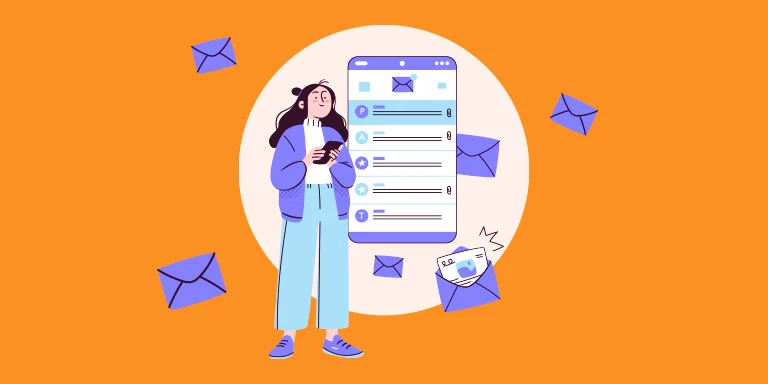
WASHINGTON — In the modern digital economy, the inbox has become one of the most fiercely contested battlegrounds for consumer attention. For modern entrepreneurs, startup founders, and veteran marketers alike, the ritual remains intimately familiar: hours are spent meticulously drafting an announcement or newsletter. The subject line is polished to a razor-sharp edge, the copy is edited for flow and punchiness, and the campaign is dispatched with absolute confidence that it will drive serious conversions.
Then, it lands in the digital inbox—and absolute silence follows.
There is no sudden spike in web traffic, no influx of sales notifications, and no meaningful customer engagement. Instead, the message simply becomes another piece of digital shrapnel that the audience scrolls past without a second thought.
If this scenario feels painfully familiar, you are far from alone. Across industries, even the most astute marketers and business leaders struggle to bridge the notoriously wide gap between opening an email and actually clicking its internal links. While it is easy to default to fatalistic excuses like "email fatigue," decreasing attention spans, or oversaturated digital channels, industry analysts and email deliverability experts point to a much simpler reality: low click-through rates (CTR) usually stem from a handful of distinct, highly fixable tactical errors.
The encouraging news for brands battling flat metrics is that small, highly strategic adjustments can dramatically reverse performance. By aligning email campaigns with proven consumer psychology and foundational best practices, businesses can transform passive readers into active, loyal customers.
The Anatomy of a Dead Campaign: Why Emails Fail to Convert
Before an organization can effectively repair its low click-through rates, it must first diagnose the root causes of customer inaction. Email performance metrics do not plummet by accident; they are the direct byproduct of specific friction points in the reader’s journey.
1. The Subject Line Burden
The subject line serves as the front door to your digital content. In an era where corporate and consumer inboxes are flooded with hundreds of messages daily, brands are given a split second to earn attention.
When a subject line is vague, overly predictable, or transparently aggressive with its sales pitch, recipients develop immediate defense mechanisms and skip past it. Strong subject lines succeed by sparking genuine curiosity, promising tangible value, or tapping into a specific psychological desire. Weak subject lines simply blend into the white noise of the daily digest. If a brand fails to make an audience want to open the message, the internal copy never even gets a chance to perform.
2. The Empathy Gap
A staggering number of marketing emails fail because they talk at the consumer rather than speaking to the reader’s current emotional or mental state.
Modern audiences click when a message satisfies three core criteria:
- Relevance: The content directly addresses a current pain point or aspiration.
- Empathy: The reader feels fundamentally understood by the sender.
- Alignment: The narrative matches thoughts or projects already occupying the reader’s mind.
When an email blasts out a hard pitch immediately upon opening without providing contextual empathy or meeting the reader where they are, that immediate disconnect destroys engagement long before the reader ever reaches the call-to-action (CTA).
3. The Pitfall of Mass-Produced Generic Messaging
The era of the one-size-fits-all, blanket broadcast email has effectively drawn to a close. Consumers have grown accustomed to hyper-personalized recommendations, curated digital feeds, and brand experiences that feel intentionally crafted for their unique preferences.
When an email feels mass-produced, readers treat it with equal indifference. If the content fails to reflect their specific interests, their current stage in the buyer’s journey, or their historical engagement patterns, they will simply refuse to interact.
4. High-Friction Formatting and Cognitive Load
Readers do not read emails; they skim them. This behavior is exponentially magnified on mobile devices, where screen real estate is at a premium.
Massive text blocks, cluttered visual layouts, poor typographic hierarchy, and buried CTAs all introduce severe cognitive friction. If a subscriber cannot glance at a message and instantly comprehend its core premise and personal value proposition, they will abandon the text entirely. The modern marketer’s job extends far beyond eloquent writing—it requires making the core message entirely effortless to digest.
5. Ignoring Psychological Triggers
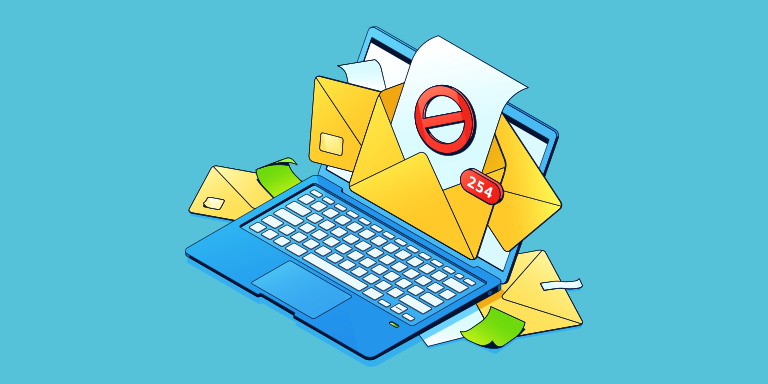
Clicks are rarely the result of random impulse; they are a calculated response to emotional and behavioral cues. Levers such as urgency, genuine curiosity, peer validation (social proof), reciprocity, the fear of missing out (FOMO), and absolute clarity of benefit are what transform passive attention into active participation. Without these psychological underpinnings, an email may be politely received, but it remains entirely forgettable.
The Step-by-Step Blueprint for Rebuilding Your Email Strategy
Repairing a declining click-through rate does not require scrapping an entire digital marketing strategy. Rather, it demands tightening specific operational elements to ensure messages are clear, relevant, and compelling.
[Subject Line: Spark Curiosity/Value]
       │
       ▼
[Segmentation: Tailored by Behavior]
       │
       ▼
[Formatting: Skimmable & Mobile-Optimized]
       │
       ▼
[Psychology-Backed CTA: Clear Next Step]
       │
       ▼
[Continuous A/B Testing & Iteration]
Step 1: Crafting High-Impact Subject Lines
A high-performing subject line achieves one of two things: it triggers an irresistible wave of curiosity, or it presents a benefit that is too valuable to ignore.
Marketers should aggressively prune clichés, keep character counts lean, and frame the text around what the recipient gains rather than what the company is broadcasting. Shifting the focus from corporate objectives to consumer value is the fastest way to earn that crucial initial open.
Step 2: Implementing Advanced Audience Segmentation
Relevance is the single most powerful driver of digital action. Segmentation allows businesses to dispatch targeted campaigns determined by actual consumer behavior, skill level, expressed interests, or lifecycle stage within the buying pipeline.
By dividing broad subscriber lists into distinct buckets—such as recent purchasers versus dormant subscribers, or beginner-level consumers versus advanced power-users—brands can scale relevance. Even basic segmentation practices have been repeatedly shown to double or triple standard click-through rates.
Step 3: Elevating Personalization Beyond First Names
True personalization extends far beyond dynamic insertion tokens like [First Name]. It relies on contextual awareness, historical activity, and behavioral tracking.
For instance, tailoring a follow-up email based on a specific product page a user browsed, referencing a webinar they attended, or acknowledging their anniversary as a subscriber transforms the medium. When readers genuinely believe an email was composed specifically for them, their propensity to click increases exponentially.
Step 4: Weaponizing Psychology for Optimized CTAs
A truly successful call-to-action is much more than clever phrasing; it is strategically positioned, emotionally primed, and visually distinct. To maximize CTR, marketers should ensure CTAs focus on ownership and value rather than demands (e.g., swapping "Submit" for "Get My Free Toolkit"). The CTA should always feel like the natural, frictionless continuation of the narrative rather than an abrupt sales roadblock.
Step 5: Optimizing for Readability and Layout Hierarchy
Improving visual readability inherently drives up click rates. Brands can eliminate friction by enforcing simple design principles:
- Utilizing short, punchy paragraphs (one to three sentences maximum).
- Employing ample white space to let the eye breathe.
- Highlighting key takeaways with bold text, bullet points, or callout boxes.
- Designing clear visual hierarchies where the primary link is impossible to miss—particularly on mobile viewports.
Step 6: Rigorous Testing and Iteration
The most successful modern email marketers treat every single broadcast as an active data-gathering experiment. Routine A/B testing should be applied to subject line variations, send times, imagery styles, copy lengths, and CTA placements. Because audience demographics and behaviors shift continuously, letting hard data dictate optimization decisions is essential for long-term growth.
Immediate Quick Wins for Immediate Impact
For brands seeking an immediate lift in performance without committing to an exhaustive structural overhaul, several targeted tactical adjustments can be deployed today:
- Upgrade Your CTA Copy: Purge vague prompts like "Click Here" or "Learn More," which leave the reader guessing. Replace them with explicit, value-driven micro-copy that details the reward of the action.
- Shift CTAs Higher: Because modern readers skim, relying solely on a footer-anchored CTA ensures a large portion of your audience will miss it entirely. Introduce a primary CTA early in the body copy, and repeat it for deeper scrollers.
- Trim the Fat: Ruthlessly cut roughly 20% of the copy from your standard templates. Shortening the text reduces cognitive friction, fast-tracks the reader to the core thesis, and naturally highlights the desired action.
- Prioritize Mobile Previewing: With over half of all global digital consumption occurring on smartphones, failing to test email responsiveness across mobile devices is a recipe for high abandonment rates.
Implications for the Modern Digital Marketer
The fundamental truth of email marketing remains unchanged: the campaigns that command the highest engagement are not the loudest, flashiest, or most aggressive. They are the ones architected around human psychology and behavioral science—respecting the reader’s time, acknowledging their context, and delivering undeniable utility.
As digital channels continue to saturate, brands that fail to adapt their email frameworks will see diminishing returns, rising unsubscribe rates, and stagnating revenue. Conversely, organizations that lean into behavioral automation, precise segmentation, and psychological clarity will transform their email lists into resilient, high-converting assets capable of driving sustainable business growth well into the future.