The modern web is an interconnected ecosystem built on a fragile foundation. While end-users experience seamless navigation and high-speed page loads, the infrastructure supporting this digital landscape—ranging from domain registrars and DNS providers to massive cloud infrastructures and boutique hosting companies—has historically operated in isolation. This siloed approach has long been a primary vulnerability, leaving web operators ill-equipped to combat rapidly evolving digital threats.
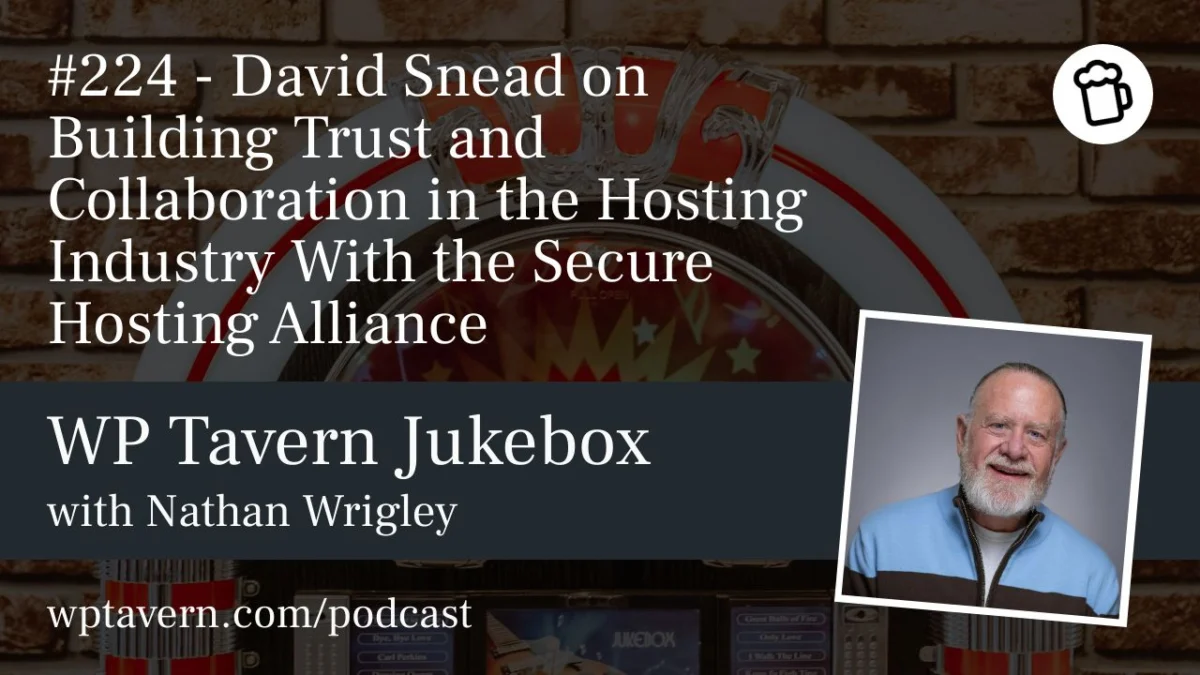
To bridge these gaps, industry veterans and infrastructural leaders are rallying around a new paradigm of real-time collaboration. At the forefront of this movement is David Snead, a veteran legal and operational counsel in the hosting space who now leads the Secure Hosting Alliance and works closely with the Internet Infrastructure Forum (IIF).
In a recent comprehensive interview on the WP Tavern Jukebox Podcast with Nathan Wrigley, Snead unpacked the mechanics of cross-industry collaboration, the business realities of fighting digital abuse, and the ongoing mission to elevate ethics, security, and professionalism across the hosting landscape.
Main Facts: The Blueprint for Ecosystem-Wide Defense
The core initiative driving Snead’s recent work focuses on solving a fundamental systemic flaw: fragmented abuse reporting and threat intelligence.
- The Problem: When malicious actors launch attacks—such as deploying coordinated "fake shops" for credential harvesting—they exploit multiple touchpoints across the internet infrastructure stack (registrars, DNS services, and hosting providers). Because these entities traditionally operate in silos, threat data remains trapped within individual organizations.
- The Solution: The Internet Infrastructure Forum (IIF), secretariat-led by the Paris-based Internet and Jurisdiction Foundation, serves as a voluntary, multi-stakeholder body. It creates a standardized, real-time framework for stakeholders across the stack to share actionable, non-proprietary intelligence regarding cyber threats.
- The Scope: Although prominently discussed within the WordPress ecosystem—owing to WordPress powering a massive chunk of the global web and its heavy presence at community events like WordCamp—the initiative is entirely platform-agnostic, applying equally to Drupal, custom PHP applications, and broader web infrastructure.
- The Leadership: David Snead brings over 25 years of institutional memory to the project. Having started as in-house counsel for early shared hosting pioneers in 1999, co-founding the i2Coalition alongside Christian Dawson, and spending a decade at cPanel and WebPros, Snead offers a rare, bird’s-eye perspective on the evolution of web hosting.
Chronology: From the Wild West of Hosting to the Secure Hosting Alliance
To understand why real-time intelligence sharing is so urgently needed today, one must examine the trajectory of the web hosting industry over the last quarter-century.
1999–2010s: The Era of Decentralized Growth and Silos
When Snead entered the legal side of the hosting industry in 1999, shared hosting was experiencing a massive boom. It was an era characterized by a tight-knit community of operators who regularly communicated and collaborated. However, as the internet scaled and massive corporate consolidation swept through the sector, that early camaraderie largely dissolved. Hosting companies turned inward, erecting operational and technical silos to protect market share.
The Birth of Advocacy: The i2Coalition
As the regulatory landscape shifted, the need for collective defense became apparent outside of pure technical operations. Snead and Christian Dawson founded the i2Coalition as a direct response to aggressive U.S. legislation that threatened to destabilize internet service providers. This advocacy group proved that infrastructure providers could effectively band together to influence public policy, laying the groundwork for deeper cooperative frameworks.
2023–Present: The Secure Hosting Alliance and the IIF Prototype
Recognizing that policy advocacy alone was insufficient to protect operators from modern digital threats, the Secure Hosting Alliance was launched just over a year ago. Operating as a specialized working group under the i2Coalition, it has rapidly grown from a handful of charter members to 25 hosting providers, multiple security vendors, and a rapidly expanding roster of Trust Seal certified members. Simultaneously, the IIF entered its prototype phase, testing automated, real-time intelligence-sharing mechanisms centered around high-priority threats like phishing and fraudulent e-commerce storefronts.
Supporting Data and Operational Mechanics
Building a cross-industry alliance requires navigating complex technical pipelines, legal jurisdictions, and financial structures.
How Real-Time Intelligence Sharing Works
The IIF framework relies on an abstraction of abuse data using standardized protocols like XARF (Abuse Reporting Format). When an entity—such as a domain registrar—detects a fraudulent domain or a phishing site, it compiles non-proprietary, non-confidential data points:
- Timestamps of the event.
- The specific domain names involved.
- IP addresses associated with the abuse submission.
This data is fed into the IIF secretariat. The secretariat automatically enriches the submission with aggregated data from other infrastructure layers (such as Cloudflare or the relevant DNS provider) and directs an actionable, pre-vetted report to the specific hosting provider servicing the site.
Overcoming the Resource Imbalance
A persistent challenge in the hosting industry is the vast resource disparity between enterprise-level providers and small-to-medium-sized hosts (SMBs):
- Enterprise Hosts: Companies like GoDaddy or Newfold Digital possess large, dedicated security operations centers capable of handling immense firehoses of abuse complaints.
- SMB Hosts: A smaller host managing a few thousand customers might only receive a handful of abuse complaints monthly. However, a single sophisticated attack—like a high-traffic "fake shop" operation—can overwhelm their limited abuse-handling bandwidth, consume excessive server resources, drive up payment-processing risk, and pull crucial capital away from business growth.
By leveraging the IIF’s automated API file downloads, a smaller host can receive fully enriched, actionable threat intel instantly. What might have required hours of exhaustive manual research can now be resolved with a few automated data points, leveling the playing field for boutique and regional operators.
Official Responses and Strategic Perspectives
When approaching hosting CEOs and industry executives with proposals for collaborative defense, Snead emphasizes that moral persuasion is rarely an effective sales pitch. Instead, the alliance wins buy-in through hard economic realities and proactive regulatory readiness.
The Business Case for Collaboration
"I find that the business argument around abuse is a much more compelling discussion than kind of moral persuasion. I don’t think moral persuasion works in the context of a community that is trying very hard just to keep their heads above water," Snead explains.
By demonstrating that bad actors directly damage a host’s bottom line—through elevated credit card processing fees, wasted bandwidth, and strained support resources—the alliance successfully motivates companies to participate.
Legal and Jurisdictional Complexities
Sharing data globally is fraught with legislative landmines. Data that can be shared freely in the United States may run afoul of stringent privacy frameworks in the European Union (such as GDPR), Brazil, or India. To mitigate this risk, specialized working groups within the alliance continuously analyze cross-border legal frameworks, ensuring that all shared intelligence strictly excludes personal data and focuses exclusively on infrastructure-level indicators of abuse.
Membership Structure and Governance
Membership in the Secure Hosting Alliance is tied to the broader i2Coalition and is scaled according to self-reported revenue, keeping dues accessible for smaller providers. Governance operates on a principle of rough consensus, allowing startups, mid-tier providers, and direct competitors to hash out operational differences without centralized corporate dictation.
Implications for the Future of the Web
The implications of the Secure Hosting Alliance and the IIF extend far beyond backend server administration. They touch upon consumer trust, agency operations, and impending regulatory pressures.
1. The Rise of Trust Seals and Consumer Differentiation
For web agencies, freelancers, and end clients, choosing a hosting provider is often a high-stakes guessing game. Initiatives like the Secure Hosting Alliance’s Trust Seal Certification introduce a much-needed vetting metric.
- Certified hosts must adhere to rigorous consumer-friendly guidelines, such as presenting clear, accessible contracts to customers before signup rather than burying terms in hidden email hyperlinks.
- As these seals gain visibility, they provide agencies and developers with a reliable benchmark to distinguish reputable, security-focused hosts from opportunistic budget providers.
2. Proactive Defense Against "Regulatory Panic"
The web infrastructure industry has historically operated with minimal direct regulation. However, global lawmakers are increasingly scrutinizing online content, platform liability, and digital safety. Snead points out that proactive industry-led collaboration is the best defense against heavy-handed legislative overreach:
"Regulation is actually a very real thing for the hosting industry, who has not ever been regulated. This is the time where you can say, hey, this is what we’re doing… taking steps to make the internet a better place."
3. A Culture of Long-Term Resilience
The web hosting industry operates under a unique psychological phenomenon—often likened by Snead to the Hotel California ("you can check out any time you like, but you can never leave"). Founders build, scale, and sell companies, only to find themselves starting over years later with a new server stack.
By fostering a culture where fierce commercial competitors can temporarily set aside rivalries to tackle systemic abuse, the Secure Hosting Alliance and the IIF are building a more resilient, transparent, and professionalized digital backbone. For hosting executives, agency owners, and infrastructure providers looking to participate, the message is clear: the future of web security is not a solo endeavor, but a synchronized collective defense.
For those interested in exploring these initiatives further, additional resources and technical documentation can be found via the Secure Hosting Alliance at hostingsecurity.net, or by reviewing the full podcast archives at WP Tavern.