As the WordPress ecosystem matures, powering over 40% of the web, the project finds itself at a critical crossroads. For two decades, the platform was fueled primarily by the altruistic passion of volunteers—a "philanthropic" model that transformed a niche blogging tool into the bedrock of the modern internet. However, as the scale and reliance on WordPress have grown, so too has the need for a more sustainable, professional approach to funding the very people who maintain its infrastructure.
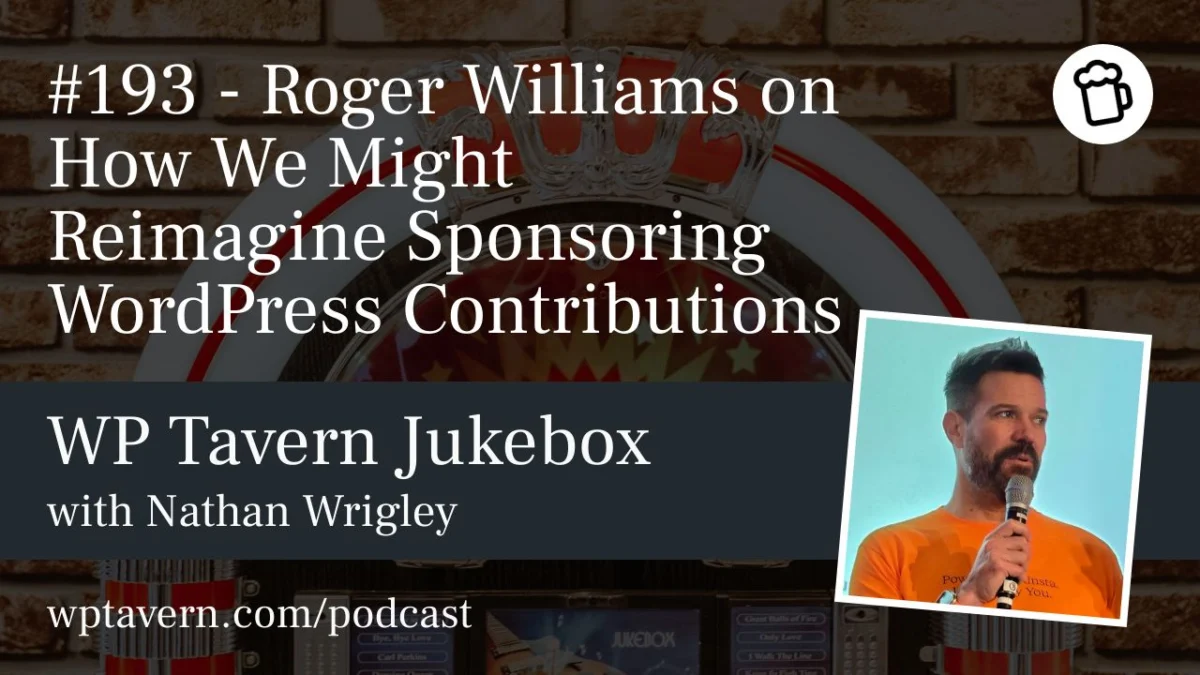
In a recent episode of the Jukebox podcast, Nathan Wrigley sat down with Roger Williams, the Community and Partner Engagement Manager for North America at Kinsta, to discuss a paradigm shift in how companies can, and should, support the open-source projects that underpin their commercial success.
The Evolution of Open Source Sustainability
The core of the issue is a lingering tension between two distinct philosophies. On one side, there is the traditional, grassroots spirit of open-source, where contributors donate time and labor purely for the sake of the project. On the other, there is the reality of the business world, where companies like Kinsta provide managed hosting and rely on the stability, security, and performance of the WordPress software to serve their clients.
"Open source software runs on passion, but passion doesn’t pay the bills," Williams noted. "We have to learn to start talking business and thinking business, thinking about return on investment (ROI)."
This shift is not intended to replace the volunteer ethos but to expand the tent. By framing contributions as a business necessity rather than just a philanthropic endeavor, organizations can secure the internal buy-in required to dedicate significant resources to the project.
Chronology: From Concept to Implementation
The journey toward a formal sponsorship program at Kinsta did not happen overnight. It was the result of a deliberate, multi-year internal process.
- Late 2023: The initial seeds of the conversation were planted within Kinsta. Williams began advocating for a shift in how the company viewed its role in the ecosystem, emphasizing the long-term benefits of active participation.
- January 2025: Following a period of advocacy and strategic planning, the company officially implemented its sponsored contributions program.
- Post-Implementation: Williams, alongside colleagues Marcel Bootsman (Europe) and Alex Michaelson (APAC), began the "boots-on-the-ground" work of identifying key contributors and projects to support.
- September 2025 (WordCamp US): Williams presented his findings and frameworks in a session titled Figuring Out Sponsored Contribution, outlining the practicalities of building such programs for companies of all sizes.
The transition from a vague intent to a concrete program required patience. As Williams noted, "I started this conversation in late 2023, and about a year later, out of the blue, the budget was approved." The key, he argues, is for companies to be "ready"—having a plan in place so that when the financial green light is given, they can immediately begin identifying contributors and projects.
Supporting Data: Why Businesses Must Invest
To convince stakeholders, the argument must move beyond "giving back." Williams categorizes the benefits of sponsorship into three distinct buckets:
1. Strategic Benefits
For a hosting provider, the health of the WordPress core is directly tied to the health of the business. If WordPress is secure, fast, and stable, Kinsta’s own product becomes more reliable, lowering operational costs and increasing customer satisfaction.
2. Operational Benefits (Managing Technical Debt)
CTOs often view open-source contribution as a way to manage technical debt. By funding contributors who work on the core project, companies help ensure that the software they rely on is maintained by a larger, more robust group of developers. This offloads the maintenance burden from internal teams to the broader community.
3. Second-Order Benefits
This category encompasses the "nebulous" but highly valuable aspects of community engagement. These include networking, talent acquisition, and the indirect branding that comes from being a visible, active supporter of the ecosystem. It also includes the benefit of having sponsored contributors act as mentors, helping new members join the project and increasing the overall pool of talent.
Official Perspectives on Engagement
The approach to sponsorship must be gentle, particularly when dealing with a community that has historically been wary of corporate influence. Williams emphasizes that companies should "step lightly" when it comes to marketing.
"The primary focus is contributing to the open-source project, not getting all this marketing benefit out of it," Williams explained. While he acknowledges the need for ROI, he suggests that companies can achieve this through indirect methods. For example, rather than demanding a logo on a contributor’s shirt, a company might invite a sponsored contributor onto a company podcast to discuss their work, providing a platform for their expertise while signaling to the community that the company is a patron of their efforts.
Defining the Scope
When asked about what falls under the "sponsorship" umbrella, Williams noted that the scope is intentionally broad. While WordPress Core is the most obvious target, the ecosystem relies on a diverse array of supporting pillars:
- Polyglots: Translation teams are vital for global accessibility.
- Documentation: Clear, accessible resources for users are essential for product adoption.
- Event Planning: The logistics of WordCamps and Contributor Days are the "glue" that holds the human side of the project together.
Implications for the Future
The biggest challenge facing the ecosystem today is whether it will bifurcate into two tiers: the "philanthropists" and the "commercial entities." The risk is that if the financial side becomes too aggressive or corporate-centric, the original contributors might feel alienated and drift away.
Williams argues that the solution is not to avoid the money conversation, but to normalize it. "By bringing in more people into the project and maybe starting to talk in these practical ROI business terms, we’re now at least having a conversation that before wasn’t even happening."
For the individual contributor, the "begging bowl" approach—going from company to company asking for support—is unsustainable and demoralizing. The industry needs to move toward a more "a la carte" system where companies have clear intake processes and publicly declared interest in specific areas of the project.
The Path Forward
The takeaway for organizations is clear: Don’t wait for a perfect system. Start by setting aside a budget, creating a simple intake process, and engaging in open conversations with community members. Whether through direct sponsorship or supporting initiatives like the WP Community Collective (WPCC), the goal is to build a bridge between commercial reality and open-source sustainability.
As WordPress continues to underpin a massive portion of the internet, the collaboration between businesses and community contributors will become the single most important factor in the project’s long-term viability. As Williams concludes, the goal is not to turn open-source into a cold, commercial enterprise, but to ensure that the people who make the web possible are fairly supported, allowing the project to remain vibrant, secure, and truly, fundamentally, open.