In an era where artificial intelligence can generate thousands of words in seconds and search engine optimization (SEO) has become a hyper-competitive science, many bloggers find themselves at a puzzling crossroads. They meticulously structure their posts, audit their technical performance, and master the backend of their content management systems, yet their traffic remains stagnant and their engagement flat.
The missing variable in this equation is often the most human one: personality.
In the crowded digital marketplace, readers do not merely consume information; they seek connection. A blog that lacks a distinct voice is easily forgotten, while one that embraces its creator’s unique identity creates a lasting impact. By analyzing ten of the most successful bloggers in the industry, we can deconstruct the specific strategies they employ to transform their sites from static information hubs into thriving, personality-driven communities.
1. Visual Authenticity: The YTravel Approach
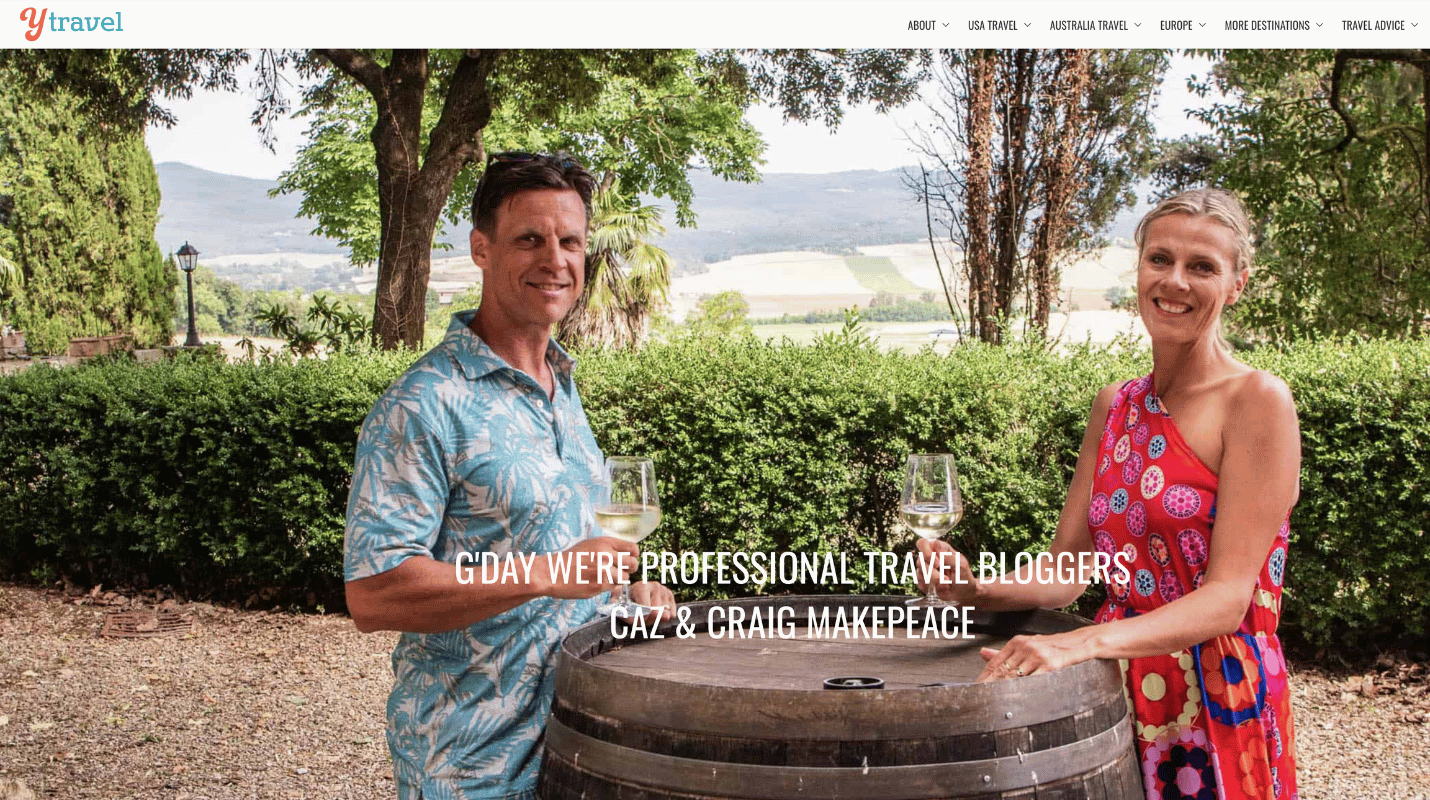
For many niches—specifically travel, culinary arts, fashion, and lifestyle—the visual experience is the product. Caz and Craig of YTravel have mastered the art of "relatable aspiration" through their photography.
Rather than relying on sterile stock imagery, they prioritize candid, high-quality shots of their family. Whether it is a chaotic, heartwarming moment while traveling with children or a posed, professional portrait documenting a life transition, their photos serve a dual purpose: they prove the authenticity of their experiences and invite the reader into their personal journey.
The Lesson: Visuals should not just illustrate the text; they should convey the "vibe" of the author’s life. When a reader sees the human face behind the words, trust is established, and the barrier between content creator and consumer begins to dissolve.
2. The Power of Identity: Pat Flynn’s "Smart Passive Income"
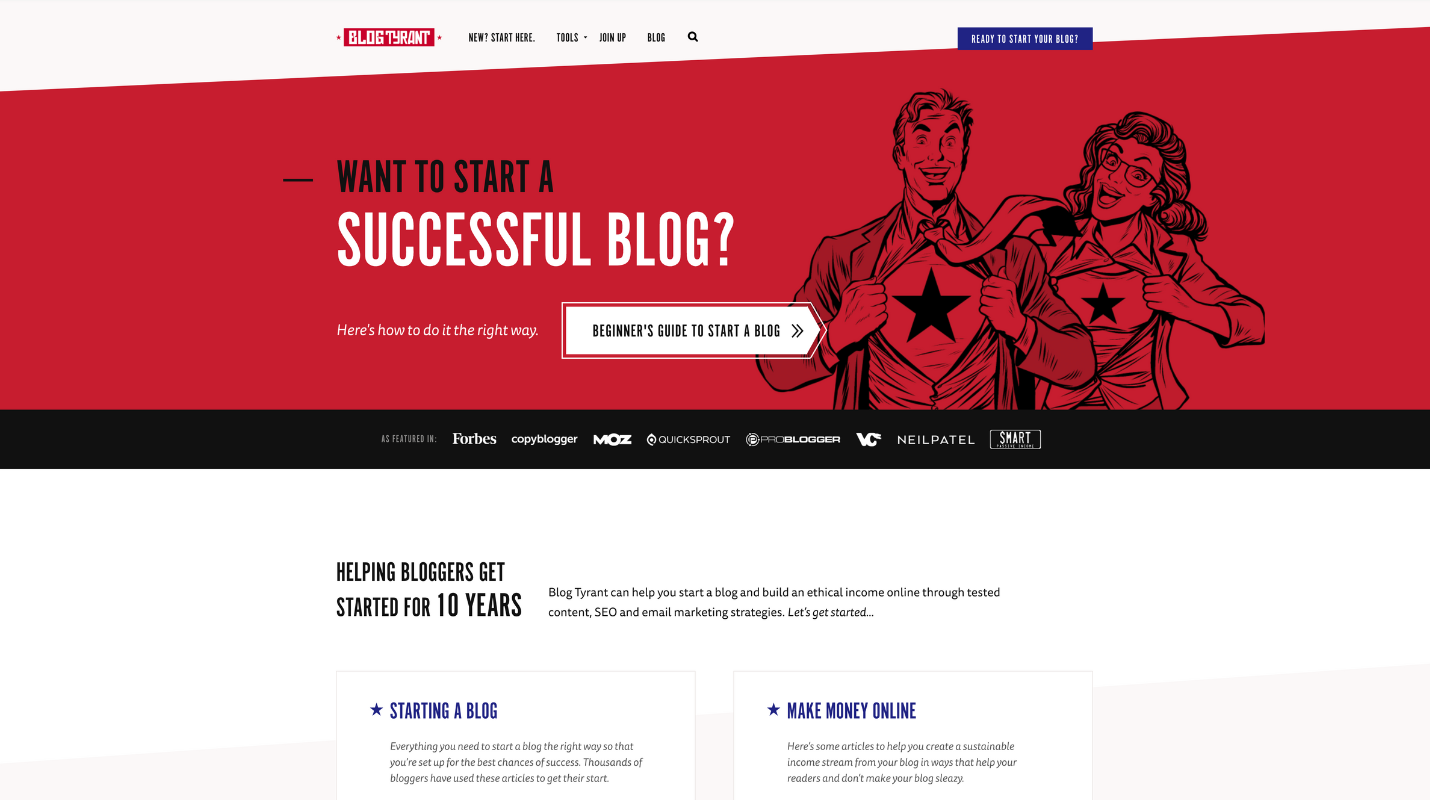
Pat Flynn’s Smart Passive Income serves as a masterclass in professional branding that refuses to take itself too seriously. Upon landing on his homepage, a visitor is not met with a vague mission statement, but with a clear, multifaceted identity: "Father, husband, serial entrepreneur."
Flynn adds a layer of endearing quirkiness by including titles like "Protector of Baby Yoda." This strategy serves a specific psychological function: it humanizes a high-level authority figure. By balancing professional expertise with personal interests, Flynn allows his audience to relate to him as a person before they respect him as an expert.
3. Radical Transparency: The Voice of Shannon Kelly White
The decision to embrace a specific tone—even if that tone is polarizing—is a bold move that separates the "generalists" from the "influencers." Shannon Kelly White utilizes a distinct, often colorful, and unfiltered vocabulary.
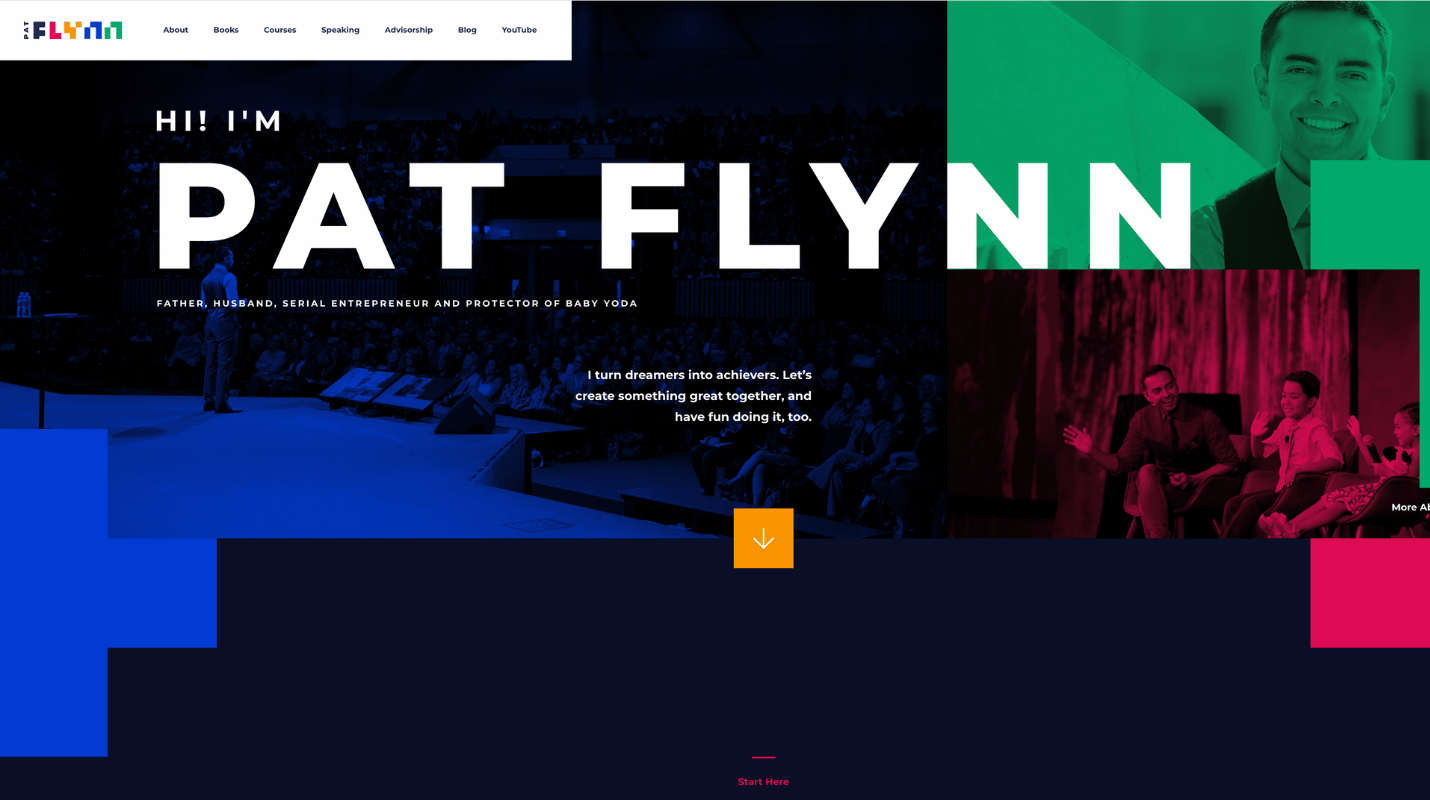
While some may find her language off-putting, those who resonate with it become die-hard, loyal followers. This is the core of "niche-down" marketing: by being unapologetically yourself, you naturally repel those who aren’t your ideal reader while deepening your bond with those who are.
4. Visual Branding: Ramsey and the "Blog Tyrant" Avatar
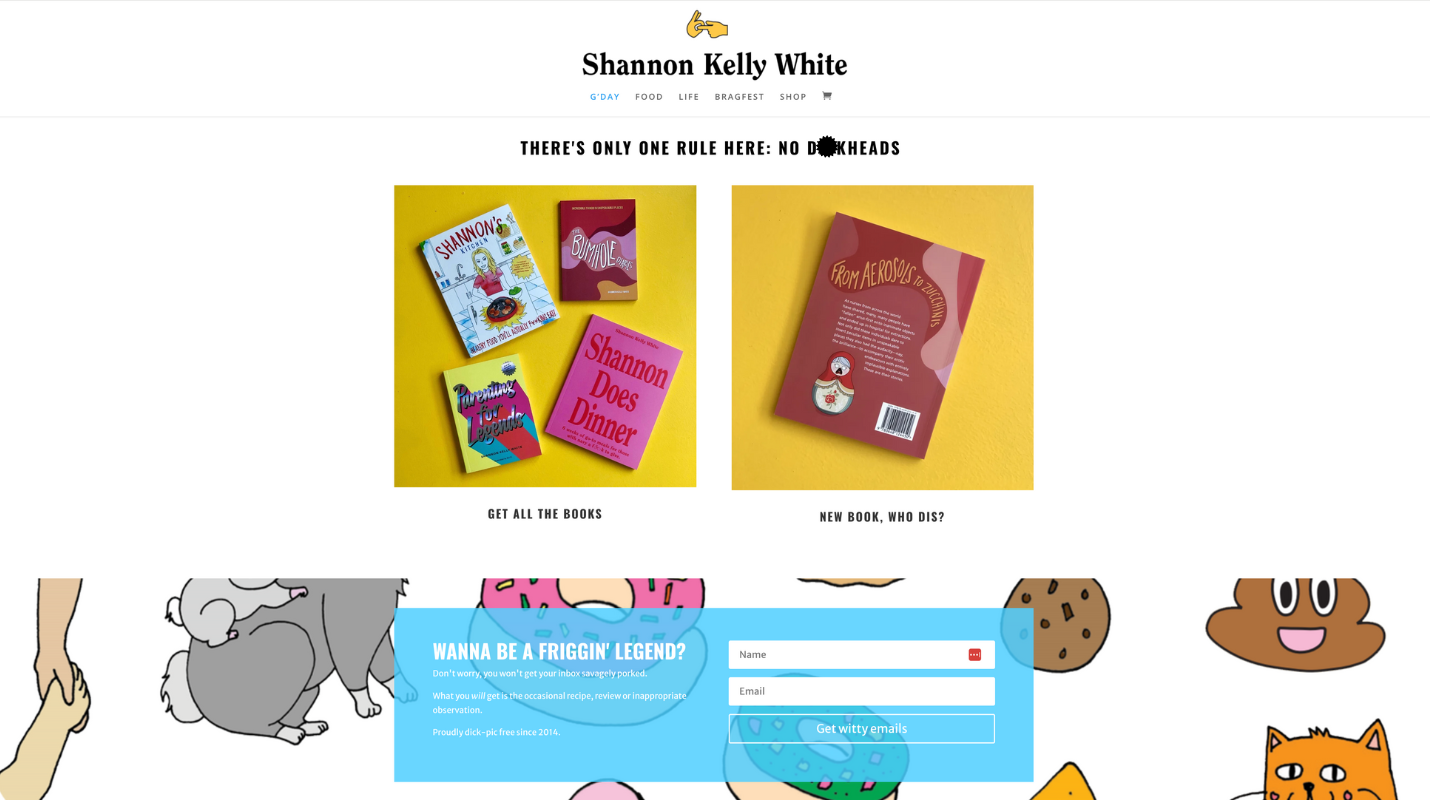
Custom illustrations are an underutilized tool in the blogger’s toolkit. Ramsey, the force behind Blog Tyrant, utilizes a signature, red-shirted superhero avatar across his site, marketing materials, and digital products.
This creates a consistent visual shorthand. Even before a reader processes the headline, they recognize the brand. This level of intentionality signals professionalism and creates a cohesive user experience that feels like a polished, high-end publication rather than a scattered personal diary.
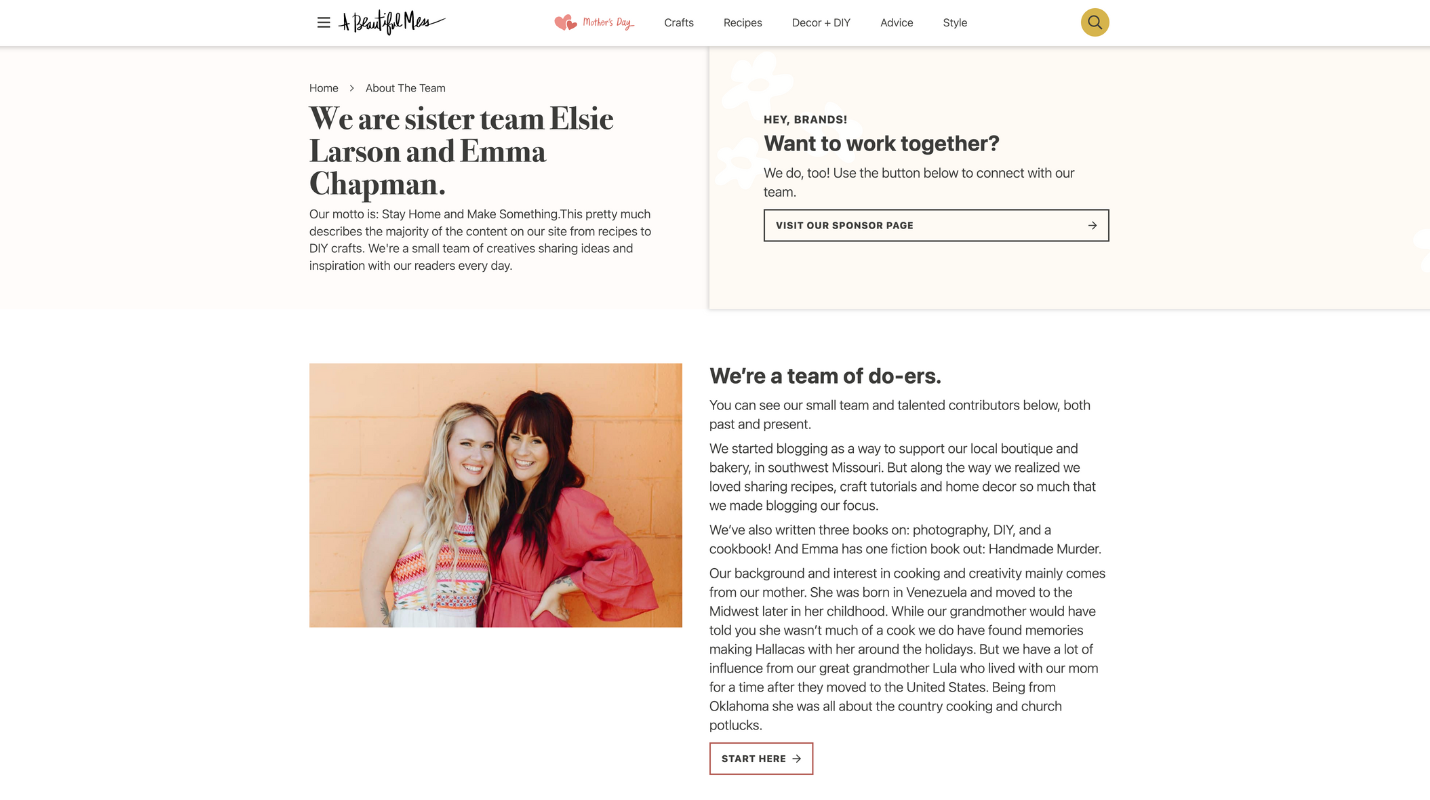
5. The Humanized "About" Page: A Beautiful Mess
Elsie and Emma of A Beautiful Mess understand that the "About" page is often the second most visited page on a site. It is the place where a reader decides whether they want to invest their time in your journey.
Rather than a dry, resume-style biography, they use high-energy, stylish photography and punchy, conversational copy. This page acts as a bridge, transforming the reader from a passive visitor into a member of the community. They don’t just tell the reader what they do; they show the reader who they are.
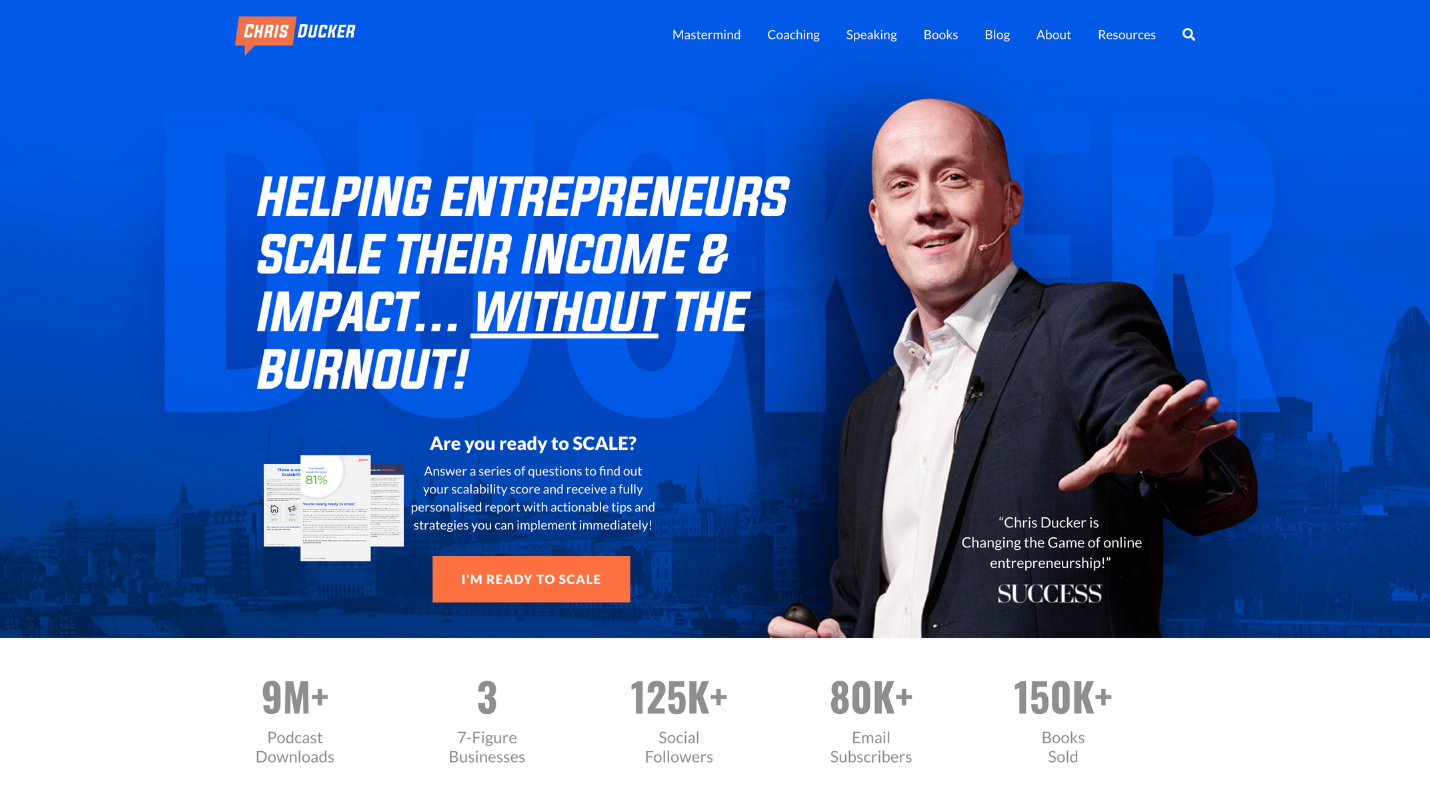
6. Omni-Platform Consistency: The Chris Ducker Strategy
Brand recognition is built through repetition. Chris Ducker maintains strict consistency across his blog, LinkedIn, Twitter, and Facebook. By using the same professional, approachable headshot and voice across all touchpoints, he creates a seamless experience.
When a reader moves from a blog post to a social media feed, there is no cognitive dissonance. The brand feels stable, trustworthy, and established. This consistency is vital for long-term growth and audience retention.
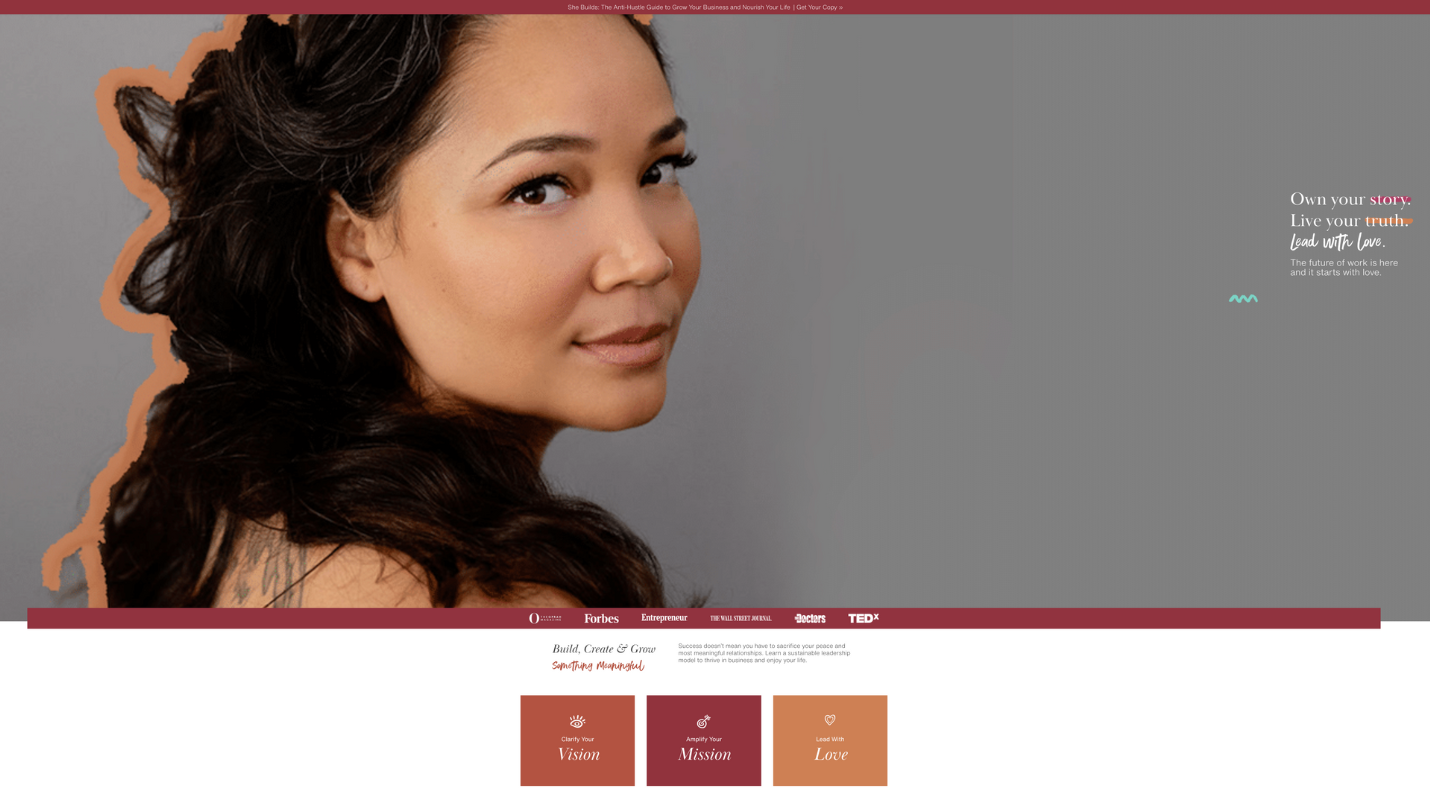
7. Color Psychology: The Palette of Jadah Sellner
Design is often treated as an afterthought by writers, but Jadah Sellner demonstrates how color can act as a silent communicator. Her site uses a sophisticated, earthy color palette that extends even to the clothing she wears in her site imagery.
This creates a sense of "cohesion." When a reader visits, the site feels like a curated space. This intentionality in design communicates that the author cares about the reader’s experience, increasing the likelihood that they will stay on the site longer.
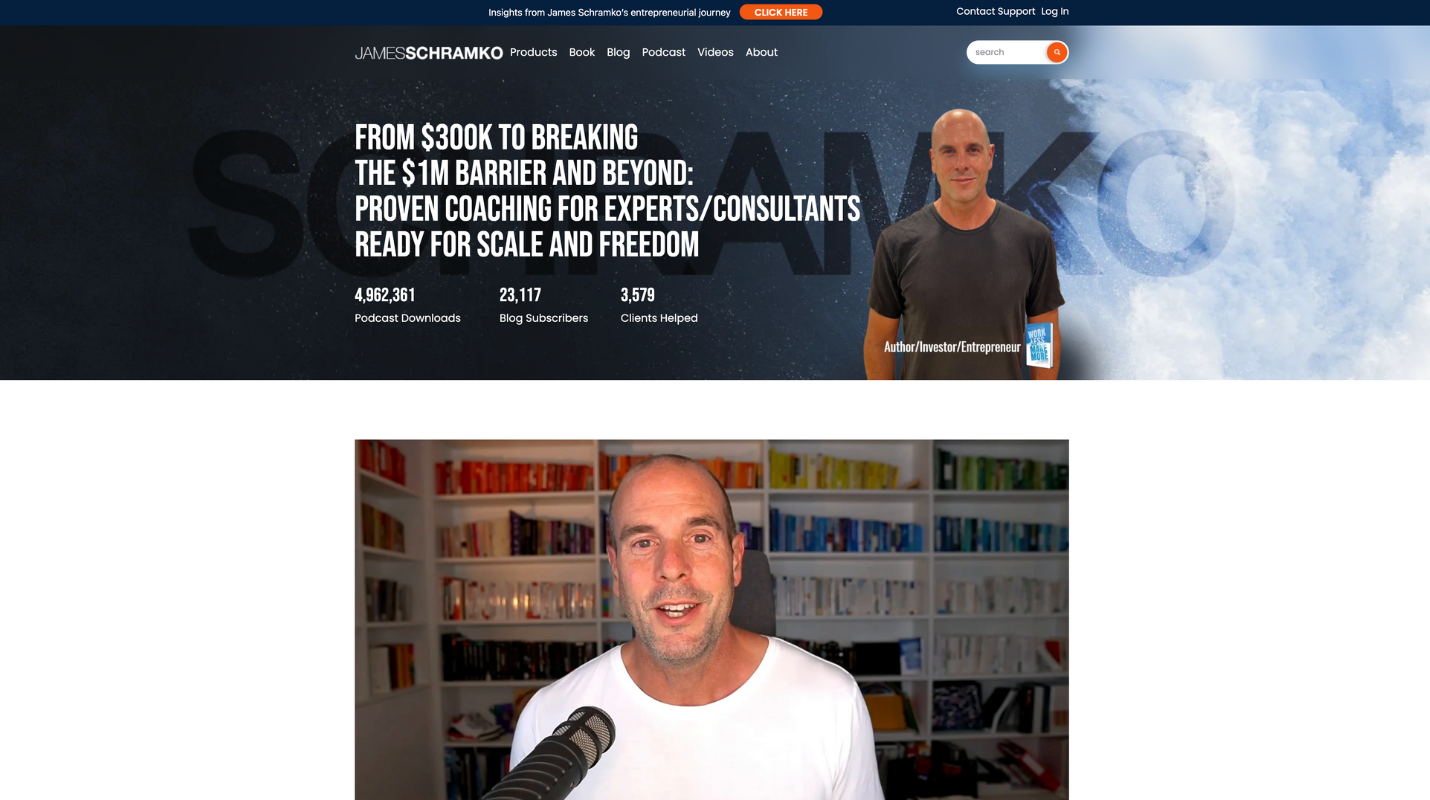
8. Defining the Mission: James Schramko’s Value Proposition
James Schramko of SuperFastBusiness avoids the common mistake of "trying to appeal to everyone." Instead, he uses a clear, front-and-center brand statement.
By explicitly calling out his coaching services and the exact type of client he works with, he filters his audience immediately. This prevents the "dilution" of the brand. It is better to have 1,000 readers who are highly engaged and perfectly aligned with your mission than 10,000 who are confused about what you offer.
9. The High-Conversion CTA: Kelly Exeter’s Directness
Kelly Exeter’s approach to calls to action (CTAs) is refreshing in its simplicity. Instead of forcing readers through convoluted, multi-step marketing funnels, she uses a "find out here" approach that respects the reader’s time.
By clearly defining who she is and who she helps in her tagline, she removes the guesswork for the visitor. A clear, human-focused CTA that promises immediate value is often more effective than an aggressive sales pitch.
10. Audience Identification: The "Puttylike" Quiz
Emily at Puttylike employs a brilliant psychological strategy: she helps her readers define themselves. By identifying her audience as "Multipotentialites" and offering a quiz to confirm that identity, she turns a random visitor into an active participant.
This creates a sense of belonging. People are far more likely to return to a blog where they feel understood and part of a specific tribe.
Implications for the Modern Blogger
The transition from a "content farm" style of blogging to a "personality-driven" model has profound implications for long-term sustainability.
The Shift in Audience Dynamics
Data suggests that audiences are increasingly moving away from mass-media style content toward "Creator Economy" models. In this environment, the "Know, Like, and Trust" factor is the primary driver of revenue. When you inject personality into your site, you are no longer competing with the infinite expanse of the internet; you are competing on the basis of your unique perspective, which is something no algorithm can replicate.
Technical vs. Human SEO
While technical SEO remains necessary for discovery, the "human SEO"—the signals that keep a reader on the page, encourage them to sign up for a newsletter, and drive them to share the content—is purely personality-based. Google’s recent focus on "Experience" as part of its E-E-A-T (Experience, Expertise, Authoritativeness, and Trustworthiness) guidelines makes it clear: the future of search favors the individual.
Building Resilience Against Change
Algorithms change. Platforms rise and fall. However, an audience that connects with a human personality is resilient. If you build a brand based on your unique, authentic voice, your readers will follow you across platforms, regardless of how the technical landscape shifts.
Conclusion: The Path Forward
The lesson shared by these ten bloggers is consistent: personality is not an "add-on" to your content; it is the foundation. Whether through the choice of color, the tone of your language, or the way you define your community, every element of your site should serve as an extension of your own character.
As you look at your own blog, ask yourself: If my content were stripped of its branding, would a reader know it was mine? If the answer is no, it is time to stop trying to be "correct" and start being yourself. Your readers are waiting for the human behind the screen.