The landscape of artificial intelligence is undergoing a profound shift. For the past two years, the industry has been defined by the "chatbot era"—an age of interactive prompts where users play the role of a conductor, manually orchestrating every note of the AI’s performance. But as the novelty of generative chat interfaces fades, a new paradigm is emerging: Agentic AI.
Leading this transition is Manus, a platform designed not to converse, but to execute. Unlike standard LLMs that wait for human input at every juncture, Manus is built to handle multi-step, complex sequences autonomously. This article explores how to move beyond basic prompting and build sophisticated, agentic workflows that delegate heavy lifting to AI with minimal human intervention.
Main Facts: What Sets Manus Apart
The distinction between a standard chatbot like ChatGPT or Claude and an agentic platform like Manus is fundamentally functional. Traditional chatbots operate on a reactive loop: User prompt → AI response → Human refinement → Repeat.
Manus shifts the architecture of engagement. Instead of asking, "How can I help you?", Manus operates on a mission-oriented logic. It is designed to interpret a high-level goal, navigate the web, utilize external tools, and iterate through multi-stage processes until the task is complete.
Key differentiators include:
- Autonomous Execution: Manus doesn’t just draft text; it logs into accounts, manages data, and navigates complex interfaces.
- Zero-Code Requirement: Despite its technical prowess, Manus is built for natural language input, making it accessible to marketers, business owners, and creative professionals who lack software engineering backgrounds.
- Contextual Persistence: Through the "Cloud Computer" mode, Manus maintains a persistent memory, allowing it to act as a 24/7 digital employee rather than a disposable chat session.
Chronology: The Evolution of AI Workflows
The adoption of Manus follows a specific, repeatable trajectory for professionals.
Phase 1: Strategic Briefing
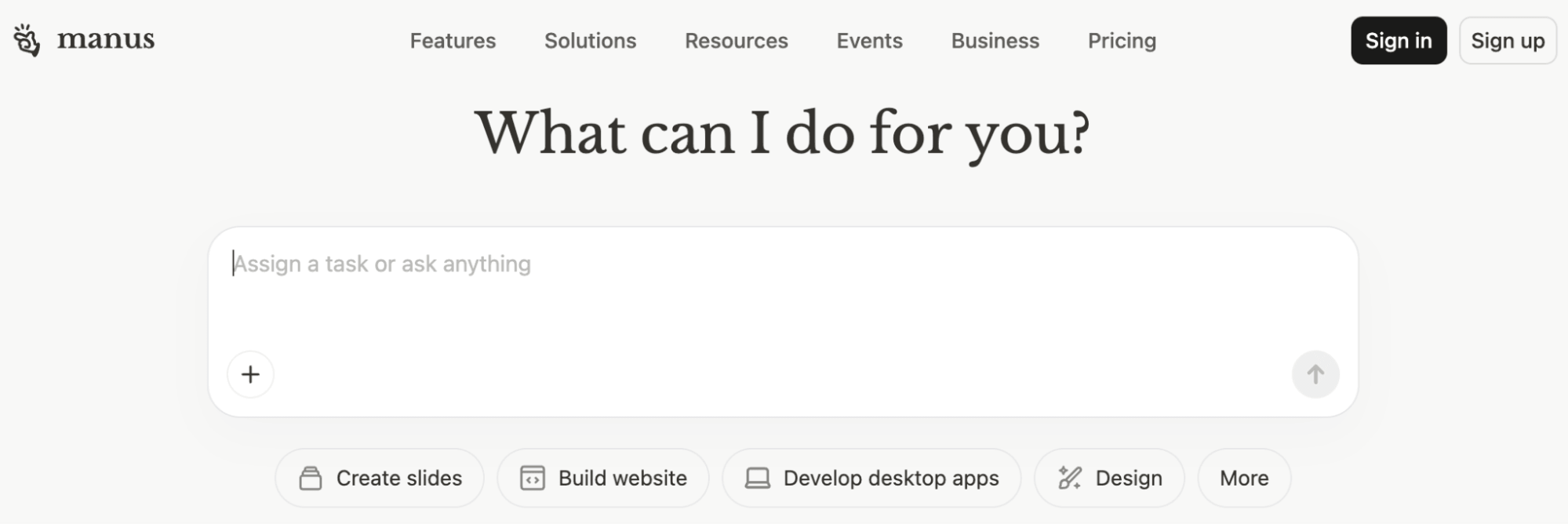
Unlike casual chatting, Manus requires the "Consultant Mindset." Users do not brainstorm with the agent; they arrive with a fully formed brief. Experienced users, such as consultant Kate vanderVoort, recommend using an intermediate LLM (like Perplexity or Claude) to act as an architect. By providing a brain dump to this secondary tool, users can generate a highly optimized, structured prompt specifically for the Manus agent.
Phase 2: Execution and Iteration
Once the prompt is deployed, Manus enters its execution phase. In this stage, the agent identifies the necessary steps, accesses required software, and monitors its own progress. If a task requires 40+ steps—such as generating a massive training manual—the agent works autonomously, often running for nearly an hour without requiring a single human nudge.
Phase 3: The "Skill" Consolidation
Once a workflow is proven successful, the user saves it as a "Skill." This creates a reusable asset—a library of logic, brand voice, and procedural knowledge that can be triggered on demand in the future, effectively turning a one-time project into a permanent company asset.
Supporting Data: Efficiency and ROI
The economic argument for agentic workflows is stark. Consider the case study of a large food and beverage manufacturer. Their internal learning and development team had spent two years attempting to develop a complex training program, having only reached the fourth step of their internal roadmap.
When tasked with the same project, Manus:
- Executed a 42-step workflow over 50 minutes.
- Identified that the project required seven modules instead of the six originally requested.
- Produced a 150-page training manual, complete with experiential exercises and a modular grading system.
The cost to the company for this output was a fraction of the $150,000 they had previously quoted to an external agency. Similarly, in a marketing context, automating a client proposal process that once took four hours of manual data migration and drafting can now be reduced to a single upload of a call transcript, costing roughly $5 in platform credits.
Official Guidelines: Accessing and Funding Manus
Manus utilizes a credit-based economic model, reflecting the compute power required for agentic tasks.
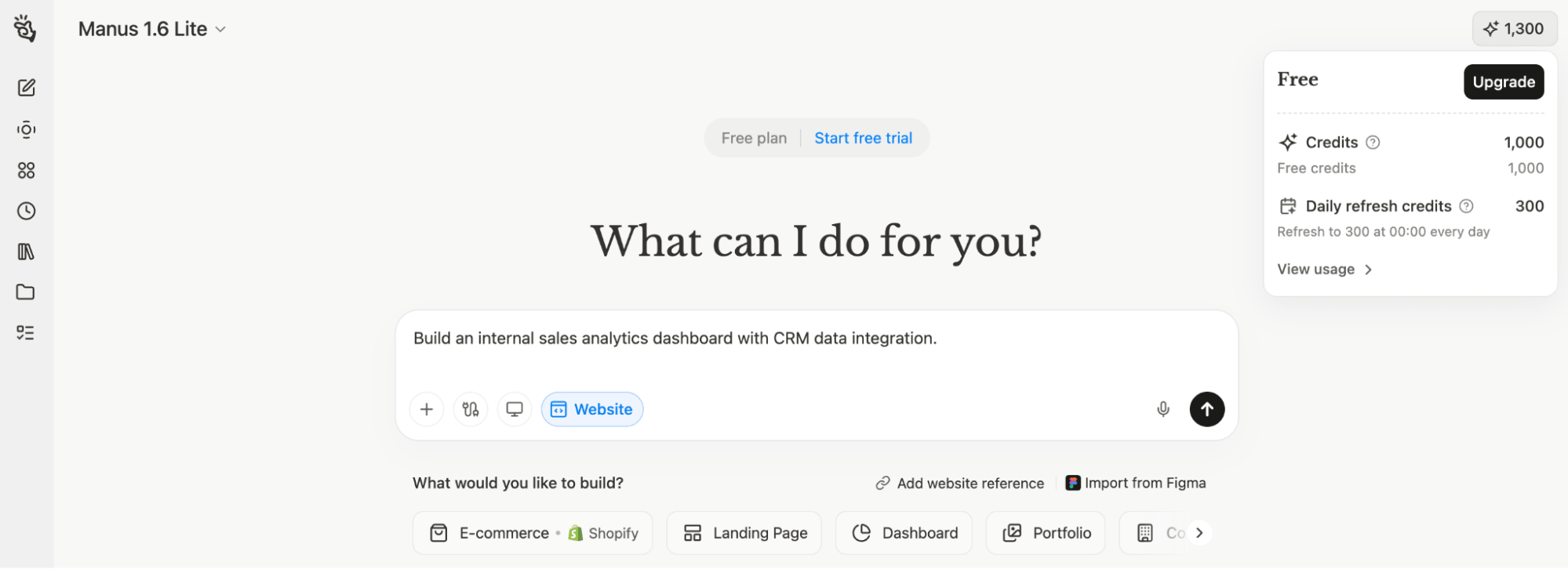
- Pricing Tiers: Plans scale from $20/month (4,000 credits) to $200/month (40,000 credits).
- Operational Costs: A simple query may cost 5–10 credits, while complex, autonomous multi-step research workflows can consume 900+ credits.
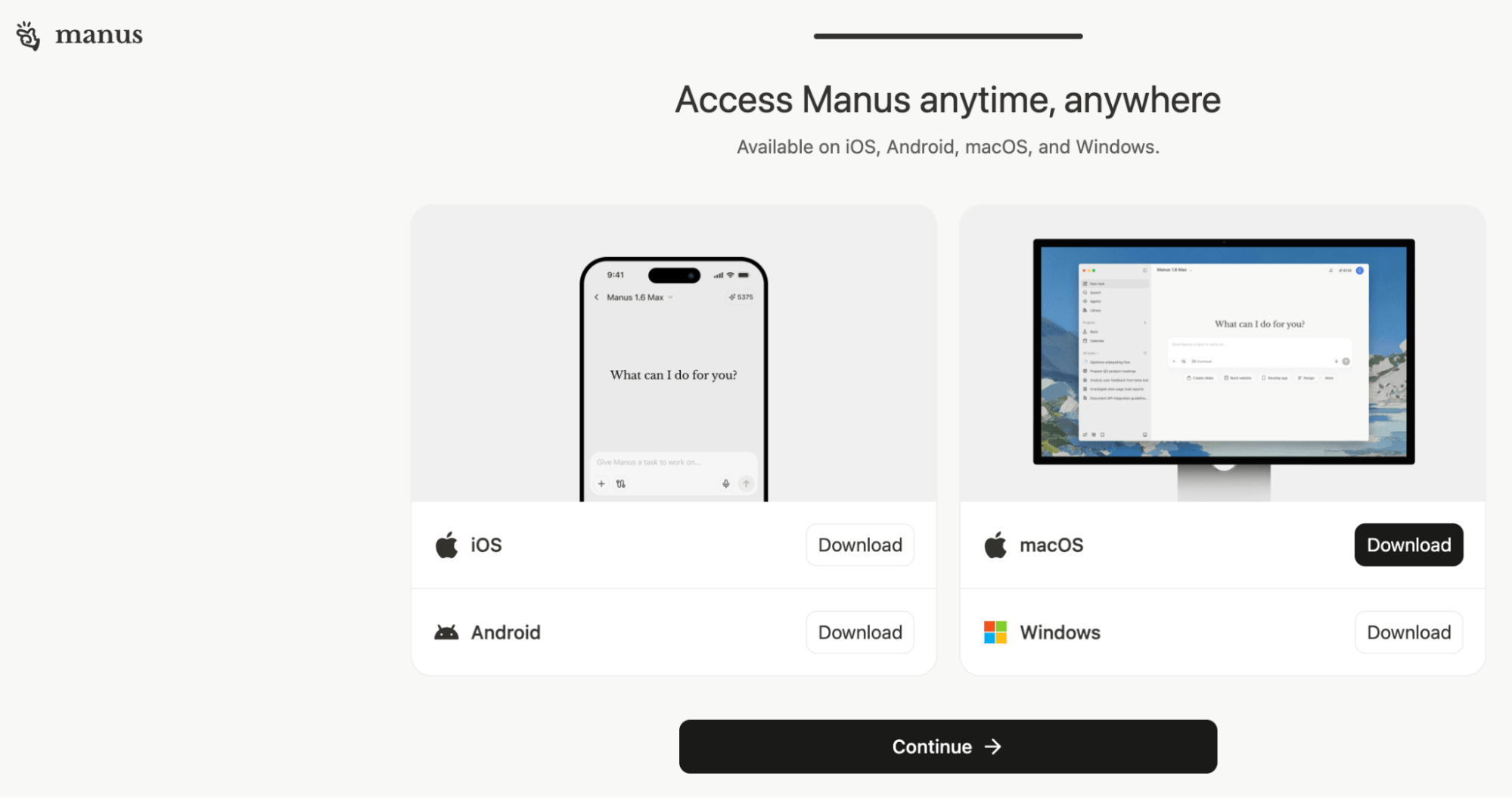
- Access Modes:
- Browser-Based: Ideal for web-based research and platform integration.
- Desktop Application: Enables the AI to interact with files stored locally on your machine.
- Telegram Integration: Provides a mobile-first "command center" for monitoring long-running tasks while away from the office.
- Cloud Computer: The enterprise-grade, "always-on" environment that persists data and manages persistent databases.
Implications: The Future of Business Intelligence
The rise of agentic tools like Manus signals a fundamental shift in how businesses manage Standard Operating Procedures (SOPs).
The SOP Foundation
The true power of Manus lies in its ability to transform static SOPs into dynamic, executable code. By documenting the "why" behind every business decision—the logic, the audience considerations, and the desired tone—users create a foundation that prevents AI from producing generic, surface-level output.

The Professional "Brain Dump"
To effectively leverage these agents, professionals must master the art of the "SOP Brain Dump." By using voice-to-text tools to narrate business processes, users can feed structured, high-context information into Manus. This bridges the gap between human expertise and machine speed.
Risks and Considerations
While the efficiency gains are transformative, users must exercise caution.
- Security: Never download "Skills" from unverified or public sources, as they may contain malicious instructions or insecure data handling practices.
- Credit Management: Because unused credits do not roll over, users must be disciplined in their consumption, avoiding the "chatbot mindset" where tasks are run haphazardly without clear objectives.
- The "Human-in-the-Loop" Necessity: While Manus is autonomous, it is not omniscient. High-stakes tasks, such as finalizing client contracts or sensitive strategic communications, still require human oversight at the point of delivery.
Conclusion: Preparing for the Agentic Shift
We are moving rapidly away from the era of "I’ll do it, but the AI will help" toward a future of "The AI will do it, and I will supervise."

Manus represents the first wave of tools that allow individuals to act as the CEO of their own personal AI workforce. By shifting from reactive prompting to proactive workflow design, professionals can reclaim thousands of hours of manual labor. As these systems become more integrated with our local files, cloud databases, and professional communication channels, the definition of "work" will inevitably be rewritten.
The question for today’s leaders is no longer whether they should use AI, but whether they are prepared to transition from being a manual worker to an architect of agentic systems. Those who master the art of building and refining these skills now will possess a significant competitive advantage in the years to come.