By [Author/Journalist Name]
Published: May 2026
Main Facts: The Illusion of Instant AI Mastery
The modern professional digital landscape is saturated with a specific breed of digital snake oil. Scroll through LinkedIn or X (formerly Twitter) on any given day, and you are bound to encounter polished carousels and urgent video hooks promising immediate professional salvation:
“You can save 20 hours a week by downloading my 10,000 prompts that will save you time doing this. Comment ‘save time’ and I’ll send it in DMs.”
These comment-bait posts have become ubiquitous, preying on a very real, pervasive psychological phenomenon in the modern workforce: AI anxiety. They tap into the creeping dread that everyone else has somehow quietly assembled an army of autonomous AI agents—systems that log in every morning, make autonomous business decisions, restructure advertising budgets, and gracefully hand back dozens of working hours to their human masters.
The central, uncomfortable truth that these viral purveyors omit is stark: It is largely a myth.
While artificial intelligence possesses unprecedented capabilities to transform productivity, it does not do so out-of-the-box through a single downloaded text file. True implementation requires an intensive, often frustrating investment of time, human oversight, error-checking, and foundational technical literacy. Behind every successful automated workflow or custom agent lies a messy trial-and-error process involving API errors, broken credentials, and failed logic loops.
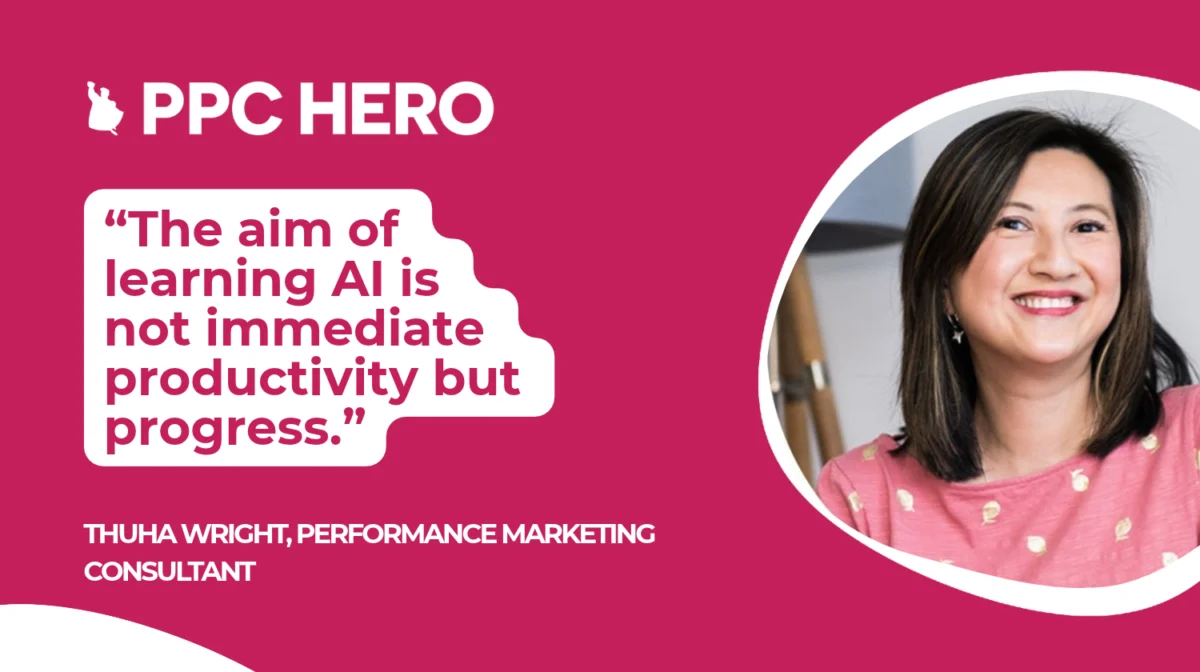
Understanding this reality is vital for professionals across all sectors. The goal of integrating AI into daily workflows is not instant, effortless productivity; it is sustainable, cumulative progress.
Chronology: A Personal Evolution from Confusion to Competency
To truly understand how AI integration works in practice, one must look past the polished marketing materials and examine the actual timeline of adoption. For many working professionals, the journey from AI novice to competent practitioner follows a distinct, winding path of trial, error, and eventual realization.
Phase 1: The Initial Wall of Confusion (2025)
The journey for many began in earnest around 2025. Early experiments with advanced developer tools like Claude Code embedded within environments such as Cursor often left non-technical professionals entirely baffled. The feeling was akin to being thrust back into the late 1990s or early 2000s, trying to decipher a radically updated spreadsheet architecture with no manual. The terminology—APIs, tokens, system prompts, embeddings—felt like a foreign language.
Phase 2: The Breakthrough and the First Build
The turning point often arrives through structured, hands-on learning rather than passive reading. For instance, investing time in build-along workshops—such as those hosted by digital education platforms like Anicca Digital—demonstrates how visual automation tools like n8n can bridge the gap. More advanced than traditional automation connectors like Zapier, n8n provides a visual map for creating automated tasks, such as scheduling social media content.
Inspired by this newfound capability, professionals often attempt ambitious weekend projects. One common use case: building an automated workflow to scrape email attachments (such as invoices), parse the data, and match them directly to bank line items in accounting software like Freeagent.
However, reality rarely aligns with weekend ambitions.
Phase 3: The Reality Check and the Fix
Upon testing the freshly minted workflow the following Monday morning, reality sets in. The automated system might work brilliantly for standard domestic invoices, but catastrophically fail the moment it encounters a non-Sterling currency or an unconventional PDF format.
This is where the true friction of AI adoption lives. Yet, through peer collaboration—such as utilizing an n8n-as-code extension within a development environment like Cursor—solutions often emerge rapidly. What took hours of frustrating manual troubleshooting on a Sunday afternoon can sometimes be refactored and corrected by an AI assistant in under ten minutes. The paradox is that the frustrating hands-on failure of the previous day is precisely what equips the user with the contextual understanding needed to write the correct prompt to fix it.
Phase 4: Reaching Operational Fluency
Fast forward a few months of consistent experimentation, and the trajectory shifts entirely. Professionals who once stared blankly at a terminal window find themselves comfortably connecting to APIs, utilizing command-line interfaces like Claude Code within Terminal, and building customized skills tailored strictly to their own unique professional habits and operational workflows.
Supporting Data and Technical Realities: The Hidden Risks of Shortcuts
While viral creators peddle the narrative of plug-and-play efficiency, industry data and technical realities paint a vastly different picture of enterprise and freelance AI adoption.

The Hidden Cost of "Free" Prompts
When a user downloads a pre-packaged bundle of 10,000 prompts or an unvetted script from a social media post, they are inheriting a cascade of invisible risks:
- Permission Blind Spots: What precise system permissions has the underlying code or script been granted? Does it have read-write access to sensitive client data, email inboxes, or financial records?
- Diagnostic Blindness: If—or more accurately, when—the system breaks down, does the end-user possess the technical diagnostic skills to identify where the failure occurred?
- Silent Failures: Would the user even know if the automation silently corrupted data or failed to execute a critical business function overnight?
The Pillar of Inputs
As computing pioneers long understood, the output of any system is entirely dependent on its input (Garbage In, Garbage Out). Great AI outputs require:
- Rigorously defined processes: You cannot automate a chaotic, poorly understood human workflow.
- Contextual richness: Supplying the AI with the precise constraints, domain knowledge, and operational boundaries it needs to act responsibly.
- Iterative testing: Spotting systemic failures and refining prompts until the system behaves with the reliability of a seasoned subject-matter expert.
Official Perspectives and Expert Insights
The conversation surrounding AI implementation is rapidly maturing. Industry leaders are moving away from wild hype and toward realistic assessments of skill acquisition.
Speaking at an AI for Non-Techies industry webinar, prominent digital marketing and analytics expert Richard Van der Blom highlighted the shifting sentiment across professional networks. According to insights shared during the June event, the era of unmitigated, over-promising AI "silver bullets" is giving way to a much healthier focus on practical integration, foundational digital literacy, and data governance.
Furthermore, community leaders and ambassadors within professional tech circles emphasize that the true value of AI education lies in human connection and shared problem-solving rather than isolated software consumption.
As highlighted by educators at the Thursday AI Club—a bi-weekly collaborative learning space for digital practitioners—diversity of thought and shared troubleshooting are critical components for sustainable tech adoption. Communities like AdstoAI and PPC Mastery further validate that business owners and marketers achieve the best results when they build solutions collectively, sharing the cognitive load of navigating the future of work.
Implications: Changing the Way We View Professional Development
The widespread adoption of artificial intelligence carries profound implications for the future of work, continuing education, and mental wellbeing in high-pressure industries.
1. Re-evaluating the "Mental Load" of Freelancers and Small Teams
For freelancers, consultants, and small business owners, administrative tasks like bookkeeping, client onboarding, and content scheduling represent a heavy cognitive tax. While automation can lift this weight, the path to achieving it often introduces its own temporary stress—the "parent guilt" of spending precious weekend hours debugging code instead of resting or attending to family. Acknowledging this emotional friction is essential to preventing burnout.
2. Redefining Productive Learning
The ultimate implication of the AI shift is a cultural redefinition of what it means to be "productive."
- The Old Paradigm: Productivity means immediate output, speed, and eliminating friction at all costs.
- The New Paradigm: Productivity in the age of AI means progress through iteration.
Every broken workflow, every failed API call, and every incomprehensible error message is not a waste of time; it is an educational deposit. The terminology learned, the debugging intuition developed, and the structural understanding of data permissions compound over time. The second workflow is built faster than the first; the third is more robust than the second.
3. The Myth of Permanent Shortcuts
Relying entirely on someone else’s pre-packaged prompts or rigid AI skills creates a dangerous vulnerability. Tools and interfaces update, APIs deprecate, and business models shift. A prompt that yields miraculous results today may become completely obsolete or fail entirely within a matter of weeks. True resilience comes from understanding the underlying mechanics—APIs, OAuth credentials, error-flagging, and logic flows.
Conclusion: The Long, Rewarding Road Ahead
Learning to integrate artificial intelligence into your professional life can feel like an intimidating, seemingly endless marathon. And that is entirely acceptable.
To borrow the enduring spirit of Winston Churchill’s famous sentiment regarding long and hard roads—though born from a vastly different and graver historical context—the journey of mastering transformative technology requires endurance.
To the professionals staying up into the wee hours of the morning, testing, refining, debugging, and quizzing peers about their tech stacks: You are not behind. You are engaging in the exact rigorous learning process that sustainable technological adoption demands.
AI is an permanent fixture of our modern operational reality. By investing the time to lay down solid foundations, learning the fundamental architecture rather than chasing viral shortcuts, and leaning into supportive collaborative communities, professionals can secure genuine, long-term efficiency.
Are you navigating your own AI learning journey? Connect with industry peers, share your milestones, and explore collaborative learning environments through platforms like the Thursday AI Club, AdstoAI, and PPC Mastery.