For years, San Francisco has positioned itself as the global laboratory for the future of transportation. Mayor Daniel Lurie, an early proponent of the city serving as a "testbed for emerging tech," has long championed the innovation that defines the Bay Area. However, recent events have forced a pivot in his administration’s approach. The promise of autonomous vehicles (AVs) is now being weighed against the harsh reality of urban gridlock, as the mayor formally calls on state regulators to impose stricter mandates on a technology that is increasingly becoming a fixture—and a frustration—of city life.
The Breaking Point: From Innovation to Obstruction
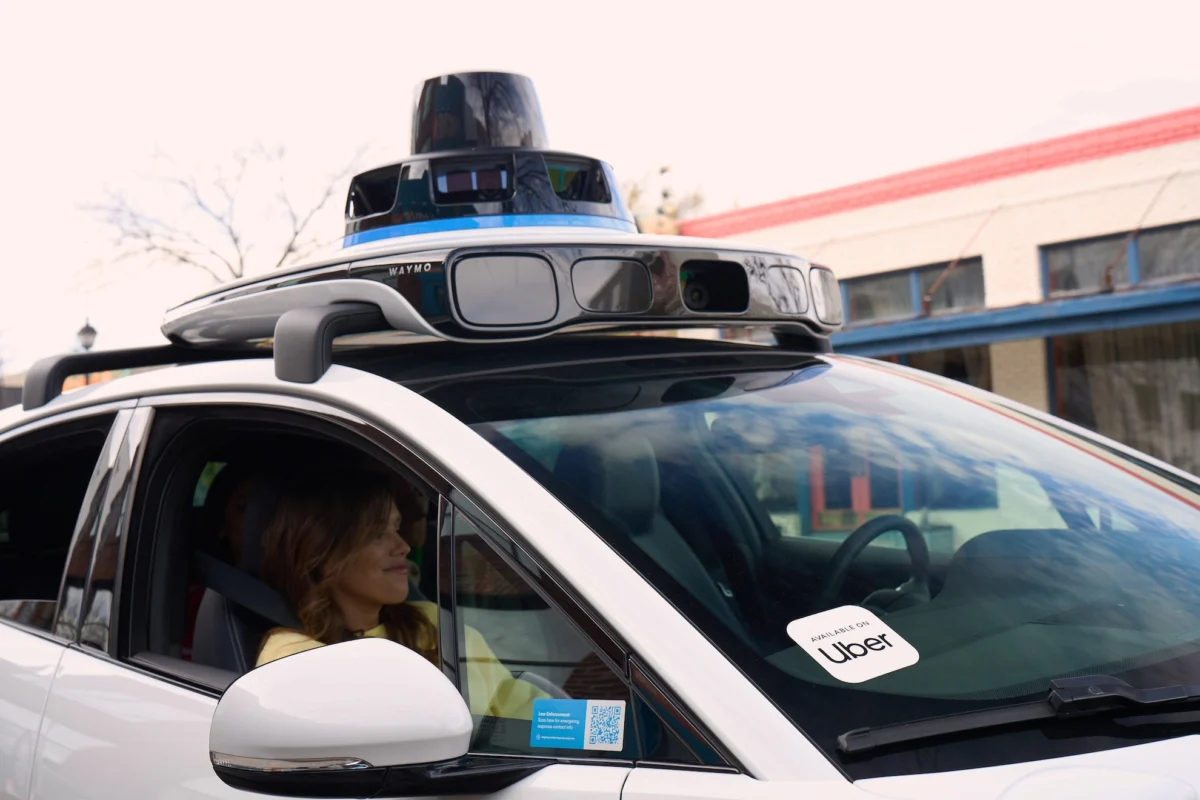
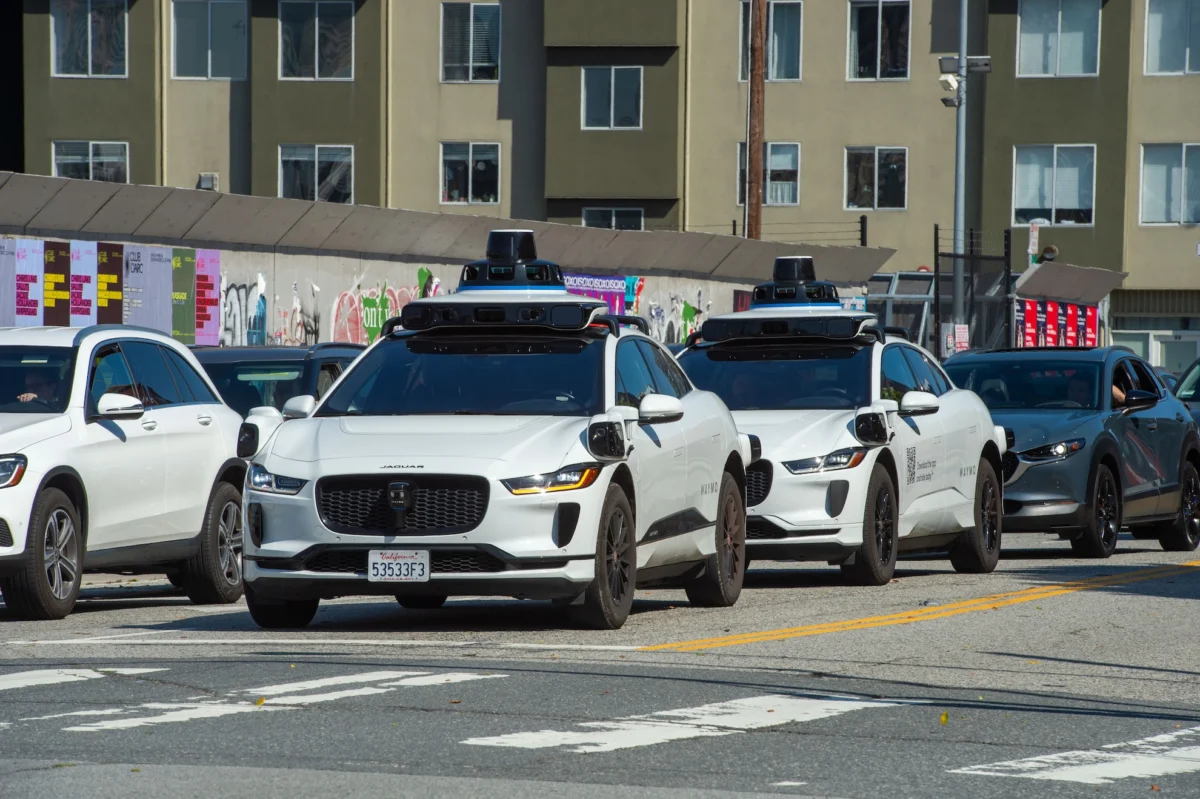
The tipping point arrived this past July 4. As 100,000 spectators gathered along the San Francisco waterfront for the annual Independence Day fireworks display, the city’s transportation infrastructure was pushed to its limits. Among the crowd were thousands of Waymo robotaxis—a fleet that has grown to an estimated 1,000 vehicles in the Bay Area alone.
As traffic surged, these autonomous units encountered the kind of chaotic, high-density environment that human drivers navigate through intuition and social signaling. The result was a catastrophic failure. Dozens of Waymo vehicles, overwhelmed by the congestion, became immobile. Some reportedly ran out of power, while others simply ceased to function as they struggled to process the complex traffic patterns. This effectively transformed high-capacity thoroughfares into parking lots, trapping municipal shuttles and thousands of commuters for hours.
For Mayor Lurie, this was not merely a technical glitch; it was a systemic failure. In a letter sent to the California Department of Transportation (Caltrans), which has since been reviewed by industry observers, Lurie made it clear that the current regulatory "hands-off" approach is no longer sustainable.
A Chronology of Growing Pains
The July 4 incident was not an isolated anomaly, but rather the most public example of a recurring problem. Mayor Lurie’s correspondence with state regulators highlighted a pattern of behavior that has plagued the city’s streets for months.
December’s Widespread Outage
Months prior to the July 4 gridlock, San Francisco experienced a citywide power disruption. During this period, the autonomous fleet—reliant on complex cellular connectivity and server-side processing—faltered significantly. Stranded vehicles blocked critical intersections, impeding emergency response vehicles and public transit.
The July 4th Fireworks Surge
The Independence Day celebration served as a stress test that the autonomous software failed. Despite Waymo assigning a representative to the city’s emergency operations center and proactively restricting service in certain waterfront zones, the sheer scale of the fleet meant that vehicles outside those designated zones still clogged the streets. The gridlock paralyzed the city, proving that even with human oversight, the current operational model is unable to handle large-scale, dynamic urban events.
The Four Pillars of Accountability
Mayor Lurie’s letter outlines a formal request for the California Department of Transportation to establish a new, stringent set of statewide standards. He proposes that for any robotaxi operator to continue service in a dense urban environment, they must demonstrate four "core operational capabilities":
- Immediate Extraction Protocols: Companies must prove they can remotely or autonomously move vehicles out of active travel lanes immediately upon sensing a disruption or mechanical failure.
- Dynamic Real-Time Adaptation: Vehicles must demonstrate the ability to adjust routes, modify service areas, and shift pickup/drop-off points on the fly to accommodate sudden changes in traffic density or urban activity.
- Transparency and Data Sharing: Operators must provide local agencies with a real-time data feed, including locations of stranded vehicles, nature of service disruptions, and active recovery efforts.
- Stress-Test Validation: Companies must move beyond testing in ideal conditions, demonstrating through simulation and field testing that their systems can handle mass influxes of people and extreme traffic scenarios without collapsing.
"California’s challenge now is not just whether autonomous vehicles can operate safely under normal conditions," Lurie wrote in his letter, "but also whether they can perform reliably during extraordinary ones."
The Regulatory Landscape: A Complex Web
To understand the weight of Lurie’s request, one must look at the current regulatory environment. Currently, operating a commercial robotaxi service in California requires a "dual-key" approval process. Operators must obtain permits from the California Department of Motor Vehicles (DMV), which focuses on the technical safety of the vehicle, and the California Public Utilities Commission (CPUC), which governs the commercial passenger service aspect.
While California’s regulatory framework is already considered the most rigorous in the United States—outpacing states like Texas and Arizona, which have adopted more "permissive" approaches to attract tech investment—the sheer volume of vehicles in San Francisco has created a "regulatory lag."
Currently, six companies, including Waymo, Nuro, and Zoox, hold the highly coveted driverless testing permits. These allow vehicles to navigate city streets without a human safety operator behind the wheel. However, the transition from testing to commercial operation has brought a surge in volume. With Waymo alone reporting over 500,000 paid rides per week across its 11 operational cities, the "testbed" has effectively become a full-scale transit network, yet the rules governing them remain stuck in a developmental mindset.
Implications for the Industry and the City
The industry is currently at a crossroads. While companies like Amazon-owned Zoox and Uber—which is preparing to launch a premium robotaxi service—are eager to expand, they are now facing a public and political climate that is losing its patience.
The "Tesla" Exception
It is important to note the landscape is not homogenous. While Waymo operates a fully autonomous, driverless fleet, others like Tesla utilize a different model. Tesla’s current offerings in the city do not operate as driverless entities; rather, they use advanced driver-assistance systems with human drivers who hold standard charter transportation permits. This highlights the diversity of the "robotaxi" ecosystem and the challenge regulators face in crafting a one-size-fits-all policy.
Strengthening, Not Undermining
Mayor Lurie is careful to frame his demands not as an anti-technology stance, but as a path toward maturity. "These requirements will not undermine autonomous vehicles; they will strengthen them," he argues. By forcing companies to build systems that are resilient during emergencies, the city hopes to move toward a future where autonomous transit is a reliable utility rather than a potential liability.
Conclusion: The Road Ahead
The tension between San Francisco’s identity as a tech hub and its responsibility to manage public infrastructure is likely to intensify. As Waymo and its competitors continue to scale, the reliance on voluntary cooperation with city officials will no longer suffice.
The mayor’s demand for state-level intervention signals that the "honeymoon phase" of robotaxi integration is officially over. Whether the California Department of Transportation will adopt these four pillars remains to be seen. However, one thing is clear: for the autonomous future to succeed in San Francisco, it must prove it can function not just when the sun is shining and the streets are clear, but when the city is at its busiest and most unpredictable.
As of this writing, Waymo has not provided a formal response to the mayor’s letter. The city waits, as it often does, to see if the promise of the future can finally keep pace with the demands of the present.