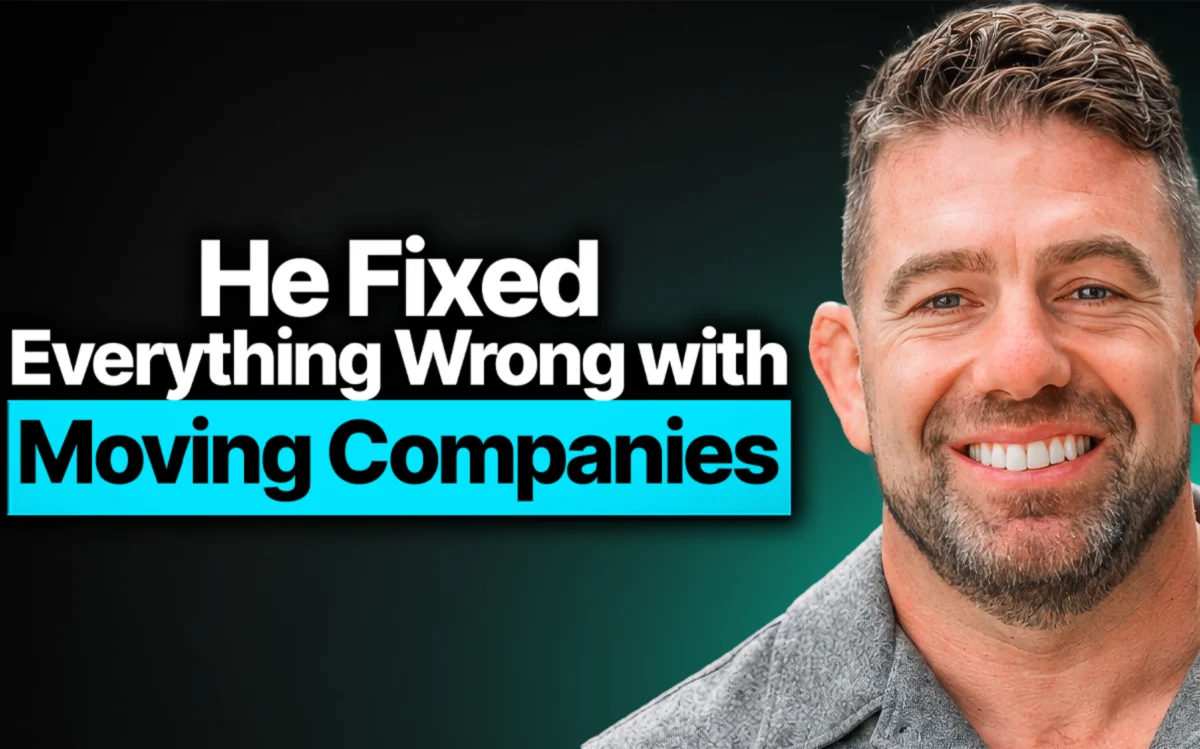
CHARLOTTE, N.C. — In an era dominated by high-tech startups, venture capital burn rates, and software-as-a-service (SaaS) scalability models, the most explosive entrepreneurial success stories are sometimes found in the unlikeliest of places. Consider the portable sanitation industry: traditionally viewed as low-margin, highly localized, and utterly unglamorous. Yet, for former Procter & Gamble (P&G) corporate manager Chad Howard, stepping into the world of blue-collar logistics has yielded extraordinary results.
Launched in mid-2024, Charlotte-based Halftime Rentals is currently on an annualized revenue trajectory of $4.5 million. Boasting nearly 1,900 active units under lease, a fleet of nine full-time service trucks, 15 dedicated employees, and an average EBITDA (Earnings Before Interest, Taxes, Depreciation, and Amortization) margin of roughly 30% over the past six months, Howard’s company is rewriting the playbook on modern local service businesses.
His journey from managing consumer goods in the corporate sector to navigating emergency disaster relief zones highlights a fundamental entrepreneurial truth: execution, speed, and reliability will always trump glamour.
Main Facts: The Halftime Rentals Blueprint
The rapid ascent of Halftime Rentals is anchored by clear metrics and deliberate operational mechanics:
- Rapid Scale: Founded in the summer of 2024, the company projects $4.5 million in annual revenue within its first two years of operation.
- Asset Base: The firm manages approximately 1,900 portable sanitation units supported by a fleet of nine dedicated, full-time service vehicles.
- Human Capital: Halftime Rentals employs 15 full-time staff members, ranging from dispatchers to front-line route drivers.
- Strong Margins: The business has maintained a robust average EBITDA margin of approximately 30% over the trailing six months.
- Disaster-Tested Resilience: A high-stakes logistical pivot during Hurricane Helene catalyzed the company’s regional footprint, securing high-value enterprise accounts.
Chronology: From Procter & Gamble to the Front Lines
The Corporate Exit
For a decade, Chad Howard lived the quintessential corporate life. Rising through the ranks at Procter & Gamble, he worked across various operational roles, relocated across eight different states, and absorbed the rigorous corporate structures of a Fortune 500 company.
The spark for Halftime Rentals came via his now-business partner, Austin. Having deep exposure to blue-collar search funds, Austin had extensively studied the economics of portable sanitation operations. He repeatedly pitched the concept to Howard. Initially, Howard resisted. He was earning a comfortable salary and steadily climbing the corporate ladder; walking away from security to manage human waste infrastructure felt like an insurmountable leap.
However, compounding advice from seasoned mentors—particularly individuals over 50 who universally expressed regret for not betting on themselves sooner—gradually shifted Howard’s perspective. By early 2024, Howard had secured friends-and-family capital, left P&G, relocated to Charlotte, and committed fully to launching Halftime Rentals.
The Six-Month Foundation
Rather than testing the waters part-time while maintaining corporate employment, Howard burned the ships. He recognized that a physical, asset-heavy service business required localized, daylight attention. You cannot service a septic tank or manage a fleet route from a laptop in another state.
Before opening the doors, Howard spent six months meticulously planning: securing capital lines, establishing supply chains, mapping software, and preparing regulatory frameworks. When the trigger was finally pulled, he was able to place equipment orders and operationalize the company within a single week.
The Turning Point: Hurricane Helene
Just months after launch, Halftime Rentals was operating leanly with a single truck and roughly 100 rented units. Then, Hurricane Helene devastated western North Carolina.
On a Sunday morning in September 2024, while picking up units from a Carolina Panthers tailgate event, Howard received an urgent inquiry from Home Depot’s corporate logistics office. The retail giant required emergency portable sanitation infrastructure across greater Asheville to open stores and support community disaster relief efforts.

Initially, Howard balked. Asheville was a two-hour drive away, the logistics were punishing, and his young company possessed neither the excess inventory nor the fleet capacity. But after a brief pause, he recalculated, quoted a premium emergency rate, and accepted the contract.
Over the next 24 hours, Howard entered crisis management mode. He financed multiple service trucks in a single day, acquired 500 new units, secured a staging area in a local community college parking lot, rented an RV for shelter, and slept on a friend’s goat farm while fielding calls for 20 hours a day. That single operational sprint permanently altered the trajectory of the enterprise.
Supporting Data and Operational Infrastructure
The financial windfall from the Hurricane Helene response allowed Halftime Rentals to cash-flow its rapidly expanding asset base nearly overnight. More importantly, it forged lasting relationships with national corporate brokers servicing retail giants like Lowe’s, Walmart, and Home Depot.
Howard credits three core pillars for sustaining this momentum:
- Aggressive Commercial Sales: A persistent outbound sales strategy ensures the company remains top-of-mind for construction contractors, event coordinators, and industrial developers.
- 24/7 Google Maps Availability: By explicitly listing the business as open around the clock—a stark contrast to legacy competitors who closed on weekends—Halftime Rentals routinely captures high-margin emergency calls.
- Memorable Branding: Leaning into authentic, slightly irreverent branding (such as company merchandise featuring the phrase "Get Shit Done"), the firm has successfully built organic recognition on busy construction sites.
Furthermore, the company has weaponized local customer service through employee incentives. Recognizing that drivers serve as the true face of the brand, Howard instituted a program where drivers earn a $25 Amazon gift card for every Google review mentioning them by name. Top-performing drivers have accrued thousands of dollars in rewards, driving accountability, customer satisfaction, and a high volume of online reviews.
Official Perspectives and Industry Insights
Reflecting on the realities of running a "boring" business, Howard notes that the day-to-day operations are anything but monotonous.
"You can probably count on one hand the number of truly boring days you have running a service company," Howard shared during a recent industry appearance. "There are trucks breaking down, dispatch challenges, customer complaints, and scheduling fires. But the underlying strength of the model is that demand already exists. You aren’t convincing people they need portable toilets; you are simply proving that you can deliver them better, faster, and more reliably than anyone else."
Howard’s transition from a hands-on technician—spending roughly 80% of his early days physically pumping and delivering units—to a strategic executive has reclaimed hours of his daily schedule. Today, his focus is divided between high-level sales, team culture development, and financial oversight.
Implications for Corporate Defectors and Local Service Economies
The success of Halftime Rentals serves as a case study for a broader economic trend: the massive opportunity waiting within fragmented, unsexy service sectors.
As aging business owners in blue-collar industries retire without succession plans, and as corporate professionals increasingly seek autonomy outside traditional career tracks, tech-enabled execution in traditional trades is proving to be a lucrative frontier. By applying corporate-level rigor, data tracking (such as Local Falcon search optimization), and employee-centric reward structures to an overlooked utility service, Howard has proven that scale does not require software code.
Looking forward, Howard’s immediate objective is regional market dominance across the greater Charlotte metropolitan area, with potential sights set on regional expansion down the road. For corporate professionals contemplating the leap into entrepreneurship, his message is simple: preparation matters, speed wins, and sometimes the greatest business opportunities are hidden right in plain sight.