Main Facts: Stripping the Anxiety from Modern Marketing
In the fast-paced ecosystem of digital commerce and app development, the "Fear of Missing Out" (FOMO) has long been wielded as a heavy-handed psychological weapon. From aggressive countdown timers ticking down the final seconds of a "flash sale" to deceptive low-stock alerts, digital designers have frequently exploited human anxiety to drive short-term conversions. However, a growing movement within the UX and web design communities argues that weaponized urgency does more long-term harm than good.
Authored by digital design expert Suzanna Scacca, recent industry analyses suggest that it is entirely possible to strip the "fear" out of FOMO, transforming a manipulative marketing trick into an empathetic, value-driven design strategy. By prioritizing user well-being over high-pressure tactics, brands can foster genuine customer loyalty without triggering decision fatigue, choice overload, or psychological distress.
Chronology: From Academic Discovery to Regulatory Crackdown
The evolution of FOMO from a colloquial slang term into a recognized psychological phenomenon—and subsequently a regulatory battleground—follows a distinct timeline:
- 2013 (The Psychological Baseline): Academic researchers published a seminal study titled "Motivational, emotional, and behavioral correlates of fear of missing out." The report formally defined FOMO as a pervasive apprehension that others might be having rewarding experiences from which one is absent, linking it directly to lower mood, reduced life satisfaction, and diminished psychological need satisfaction.
- Late 2010s (The E-Commerce Backlash): As digital marketplaces saturated the internet, online retailers increasingly adopted aggressive FOMO techniques. Flash sales, fake scarcity counters, and high-pressure pop-ups became ubiquitous across retail and travel websites, sparking widespread consumer fatigue.
- February 2019 (Regulatory Intervention): The UK’s Competition and Markets Authority (CMA) officially launched a major crackdown on hotel and travel booking sites. Regulators targeted deceptive discount messaging and false urgency tactics designed to manipulate consumers into rushed, impulsive purchases.
- Present Day (The Ethical Design Movement): Designers, consumer behavior analysts, and user experience (UX) professionals are shifting toward transparent, human-centric approaches. Rather than artificially manufacturing panic, brands are learning to highlight genuine availability limits, organic community engagement, and tangible user rewards respectfully.
Supporting Data: The Psychological Toll of Pressure Tactics
Research into consumer behavior reveals that aggressive marketing tactics often backfire. When users are bombarded with excessive choices or high-pressure environments, they frequently experience analysis paralysis.
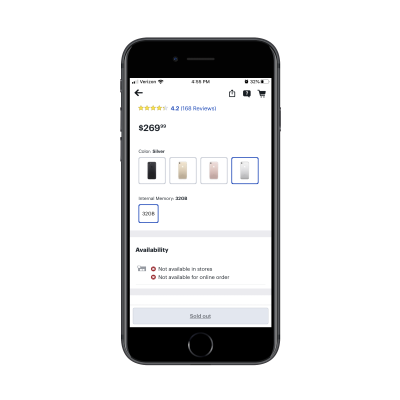
According to Dr. Paul Messinger, a professor of business and researcher at the University of Alberta, scarcity can sometimes work in a brand’s favor—if applied honestly. Messinger notes that transparently displaying sold-out product variations creates an "information cascade," wherein consumers infer that a popular, sold-out item is desirable, leading them to explore similar available options. However, when scarcity is faked or weaponized via aggressive pop-ups, it triggers acute stress, leading to high cart abandonment rates and post-purchase buyer’s remorse.
Furthermore, consumer behavior analyst Lucie Greene highlights the compounding mental health crisis linked to digital culture. "We’re seeing a rising awareness of how social media use and influencer culture affects mental health, from FOMO to driving compulsive, addictive consumption, to feelings of isolation," Greene notes. Because consumers are increasingly weary of artificially enhanced scenarios and deceptive marketing, brands must pivot toward grounded, transparent representations of their products and services.
Official Responses and Industry Standards
Regulatory bodies and major watchdogs have made it clear that deceptive design patterns—often referred to as "dark patterns"—will face increasing legal scrutiny. The action taken by the UK’s Competition and Markets Authority against misleading hotel booking platforms serves as a warning shot to the broader digital economy.
Industry leaders are responding by establishing internal design ethics frameworks. Rather than relying on artificial scarcity, forward-thinking brands are turning to organic, user-driven validation models. For instance, companies like Airbnb, Sephora, and Hulu have shifted their interface strategies to rely on community-driven inspiration, transparent inventory trackers, and clear reward expirations. These responses demonstrate that compliance with consumer protection standards does not require sacrificing conversion rates; rather, it builds the foundation for sustainable, long-term brand equity.
Implications: Four Pillars of Ethical (F)OMO Design
To implement FOMO responsibly within web, mobile, and Progressive Web App (PWA) designs, digital creators can adopt four practical strategies that respect consumer autonomy while maintaining high engagement.
1. Gently Remind Visitors About Limited Availability
Instead of deploying blaring red banners and aggressive countdown clocks that induce stress, designers should integrate subtle, context-aware availability cues.
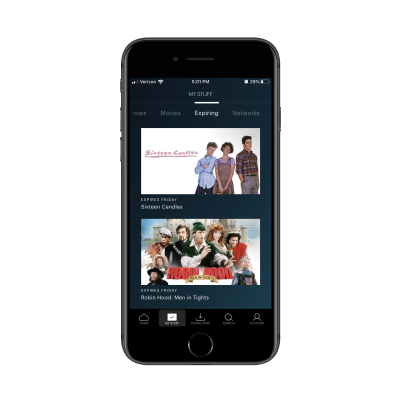
- Example: Best Buy dedicates specific UI sections to clear, in-store and online product availability without injecting artificial panic. Similarly, the Hulu app features a dedicated "Expiring" tab for streaming content. This helps users navigate choice overload by organizing a curated list, prompting them to consume their queue without making them feel rushed or manipulated.
2. Call Attention to Earned Rewards
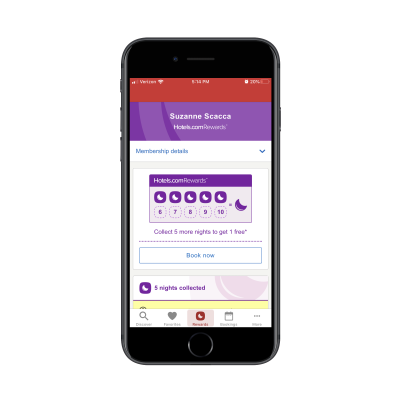
FOMO is not always about missing out on what others are doing; frequently, it is the fear of forfeiting a hard-earned benefit. Encouraging account registration allows platforms to securely track and display unspent rewards or cash-back balances.
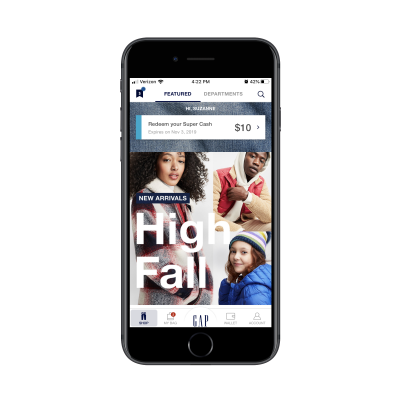
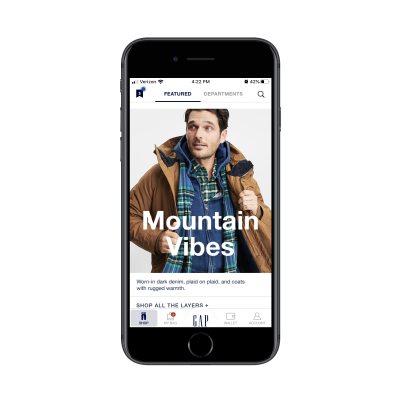
- Example: Gap utilizes a subtle, pulsing blue ticker in the corner of its mobile app interface to remind logged-in users of expiring "Super Cash." This approach targets loyal customers gently, motivating them to redeem perks they have already earned rather than pushing generic, high-pressure sales pitches to cold traffic.
3. Encourage Authentic Peer-to-Peer Sharing
Brand-generated urgency often suffers from a lack of trust. Consumers are naturally skeptical of claims like "Top Seller" when stated directly by a company. A more effective and ethical approach is to empower existing customers to generate organic interest.
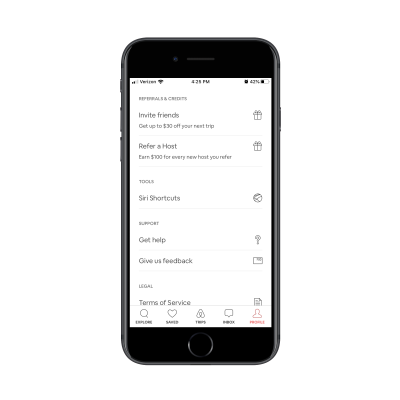
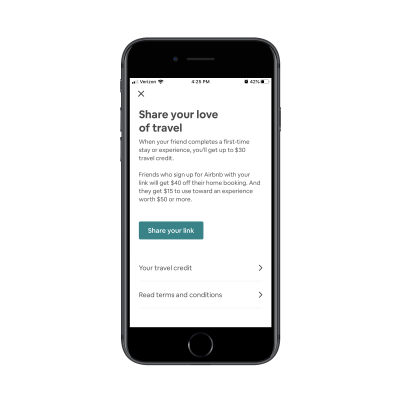
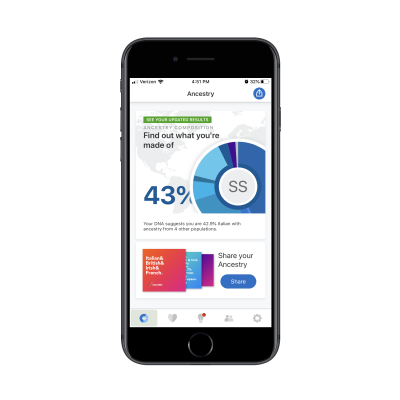
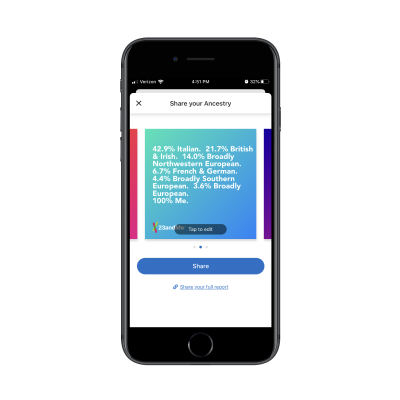
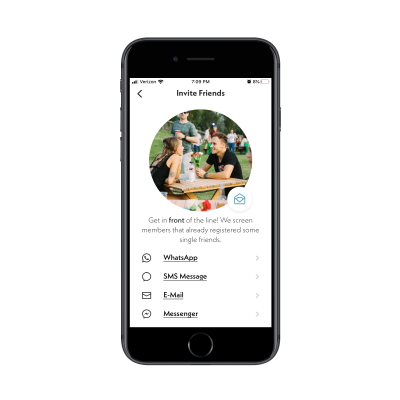
- Example: Airbnb’s "Invite friends" referral program allows users to share authentic travel experiences with their personal networks, backed by mutual travel credits. Likewise, 23andMe auto-generates shareable ancestry breakdown graphics tailored for social media. When recommendations and insights come from trusted friends and family, the resulting FOMO is authentic, organic, and far more persuasive than corporate advertising.
4. Utilize Grounded, Realistic Visuals
The era of hyper-filtered, unattainable influencer lifestyles is facing a significant backlash. Consumers are increasingly fatigued by polished deceptions that drive compulsive consumption and feelings of inadequacy.
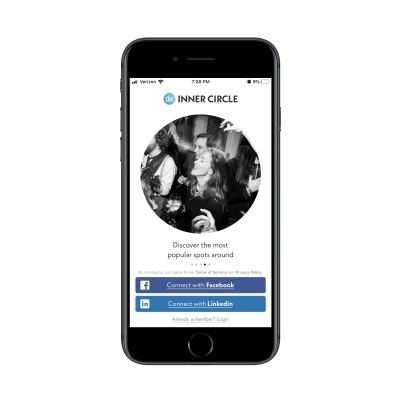
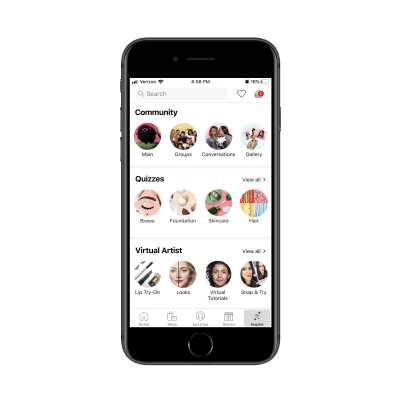
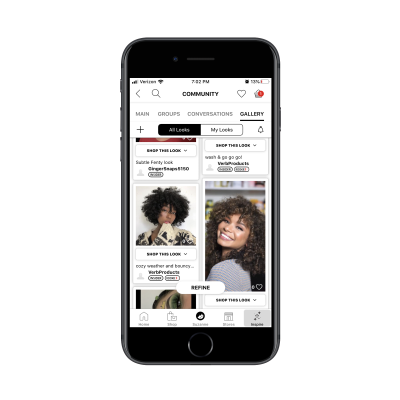
- Example: Sephora features a dedicated "Inspire" community gallery populated with real product photos submitted by everyday consumers rather than relying solely on exotic, highly-stylized model shoots. Similarly, the luxury dating app The Inner Circle uses black-and-white photography depicting casual, relatable dates—such as sitting in a park or hanging out at a local bar—rather than over-the-top displays of extreme wealth. These grounded visuals prove that even exclusive brands can connect deeply with audiences by maintaining authenticity.
Conclusion: Building Long-Term Brand Loyalty
Deceptive FOMO tactics may provide a temporary spike in short-term conversions, but they invariably backfire as modern consumers grow wiser to inflated metrics, exaggerated scenarios, and artificial urgency.
The primary objective of web and mobile product design is not merely to trap a user into a single transaction, but to cultivate long-term trust, satisfaction, and brand loyalty. By stripping away the fear and anxiety from the "Fear of Missing Out," digital designers can construct ethical, transparent experiences that respect consumer autonomy, protect user mental health, and drive sustainable business growth for years to come.