By Global Media Insight Desk
Published in partnership with digital marketing intelligence reports
Executive Summary & Main Facts
For years, small-to-medium-sized business (SMB) owners and novice marketers have looked at TikTok’s native Ads Manager with a mixture of intrigue and intimidation. The platform’s rapid cultural cadence, complex interface, and steep learning curve historically reserved high-impact advertising for enterprises with dedicated media-buying teams.
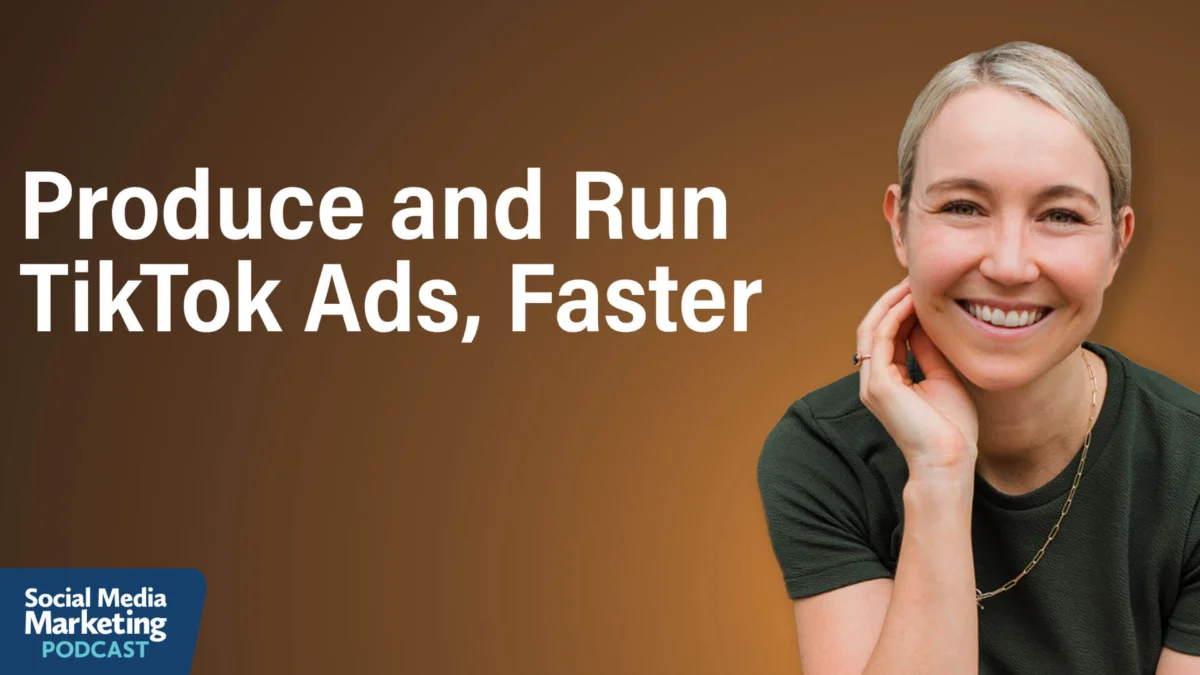
That dynamic is undergoing a seismic shift. TikTok has systematically rolled out a suite of powerful artificial intelligence tools designed to flatten the technical barriers of digital advertising. Spearheaded by innovations like the Agentic Hub, Symphony Creative Studio, and the Content Suite, the short-form video giant is making it possible for virtually anyone to ideate, build, optimize, and scale ad campaigns using plain, conversational language.
However, industry experts caution that while AI drastically lowers the barrier to entry, it does not replace the human element entirely. Navigating the new landscape requires a delicate balance of automated efficiency, prompt engineering savvy, and traditional creative intuition.
Chronology of the TikTok AI Rollout
The democratization of TikTok advertising did not happen overnight; it is the culmination of a strategic push toward conversational and agentic workflows:
- The Rise of Short-Form Dominance: TikTok established itself as a cultural powerhouse, forcing other platforms to adopt its vertical video format. Yet, campaign setup remained a friction point for casual advertisers.
- Introduction of Symphony Creative Studio: TikTok introduced its generative video hub to help brands bridge the creative gap, allowing businesses to turn text briefs into dynamic video assets using foundational AI models and trend data.
- Integration of the Model Context Protocol (MCP): Recognizing that marketers prefer working inside familiar tools like ChatGPT or Claude, TikTok launched the Agentic Hub via MCP. This allows two-way communication between third-party AI interfaces and TikTok Ads Manager without requiring complex API keys or code.
- Expansion of Official AI Skills & Content Suite: TikTok released downloadable AI instruction sets (skills) alongside advanced search capabilities in Content Suite, enabling hyper-targeted competitive research and automated campaign diagnostics.
The Technology Explained: How MCP and AI Skills Work
At the heart of TikTok’s latest accessibility push is the Model Context Protocol (MCP). To understand its mechanics, industry experts often use an analogy: TikTok Ads Manager is a busy restaurant, the AI model (such as ChatGPT or Claude) is the menu, and the MCP functions as the attentive waiter taking orders and delivering updates between the two.
Eliminating Technical Barriers
Prior to MCP, connecting external AI tools to enterprise advertising backends required custom software development, expensive API integrations, and developer oversight. MCP establishes a secure, standardized bridge for two-way communication. Marketers can now interact with their ad accounts using plain-language queries.
A business owner who has never run a paid campaign can log into Claude or ChatGPT and ask:
- "How did my campaigns perform over the last seven days?"
- "What is the best way to structure a $3,000 budget for a new product launch?"
- "Can you pull a report on my ad group’s current click-through rates?"
Depending on the permission level set, these connections are either read-only (ideal for data retrieval and reporting) or read-and-write (allowing the AI to draft campaigns and adjust settings natively).
Official AI Skills as Prebuilt Expertise
TikTok has also deployed a library of official AI skills—downloadable instruction sets that operate seamlessly within tools like Claude or ChatGPT. These skills act like pre-packaged digital consultants.
Prominent examples include:
- Viral Video Creator: Analyzes millions of platform data points to model top-performing hooks, pacing, and calls to action.
- Ad Group Optimizer: Continuously monitors targeting parameters and budget allocations.
- Account Diagnosis Co-pilots: Pinpoints performance dips and suggests actionable remedies.
Crucially, these skills are built on open file structures, allowing advanced marketers to layer custom instructions on top of TikTok’s baseline templates or cross-pollinate strategies across rival platforms like Meta.
Symphony Creative Studio and Content Suite: Production at Scale
While Agentic Hub handles the administrative and analytical heavy lifting, TikTok’s creative engines tackle the notoriously difficult task of video production.
Symphony Creative Studio
Symphony Creative Studio transforms text-based prompts and brand guidelines into polished video assets. By leveraging real-time platform trends and top-performing ad signals, the system generates scripts, storyboards, product briefs, and finished visuals.
Product-based businesses stand to benefit the most. For instance, e-commerce brands—particularly in home goods and beauty—can upload product images and let the AI generate dozens of variations per week. This enables a volume of content production that would bankrupt traditional production houses.
Content Suite and AI-Powered Research
Finding inspiration for short-form video has long challenged marketers. TikTok’s Content Suite addresses this by offering an expansive searchable library of user-generated content (UGC) and live ads. Enhanced with AI search capabilities, marketers can filter content by:
- Industry categories (e.g., travel, skincare, finance)
- Timeframes (such as the past 30 days)
- Campaign objectives (sales, lead generation, brand awareness)
- Geographic markets
By reviewing what competitors are successfully running before spending a single dollar of ad spend, new advertisers can de-risk their creative strategy.
Official Responses and Expert Insights
While the technology offers unprecedented capabilities, industry leaders emphasize that human oversight remains the non-negotiable differentiator between failing campaigns and viral success.
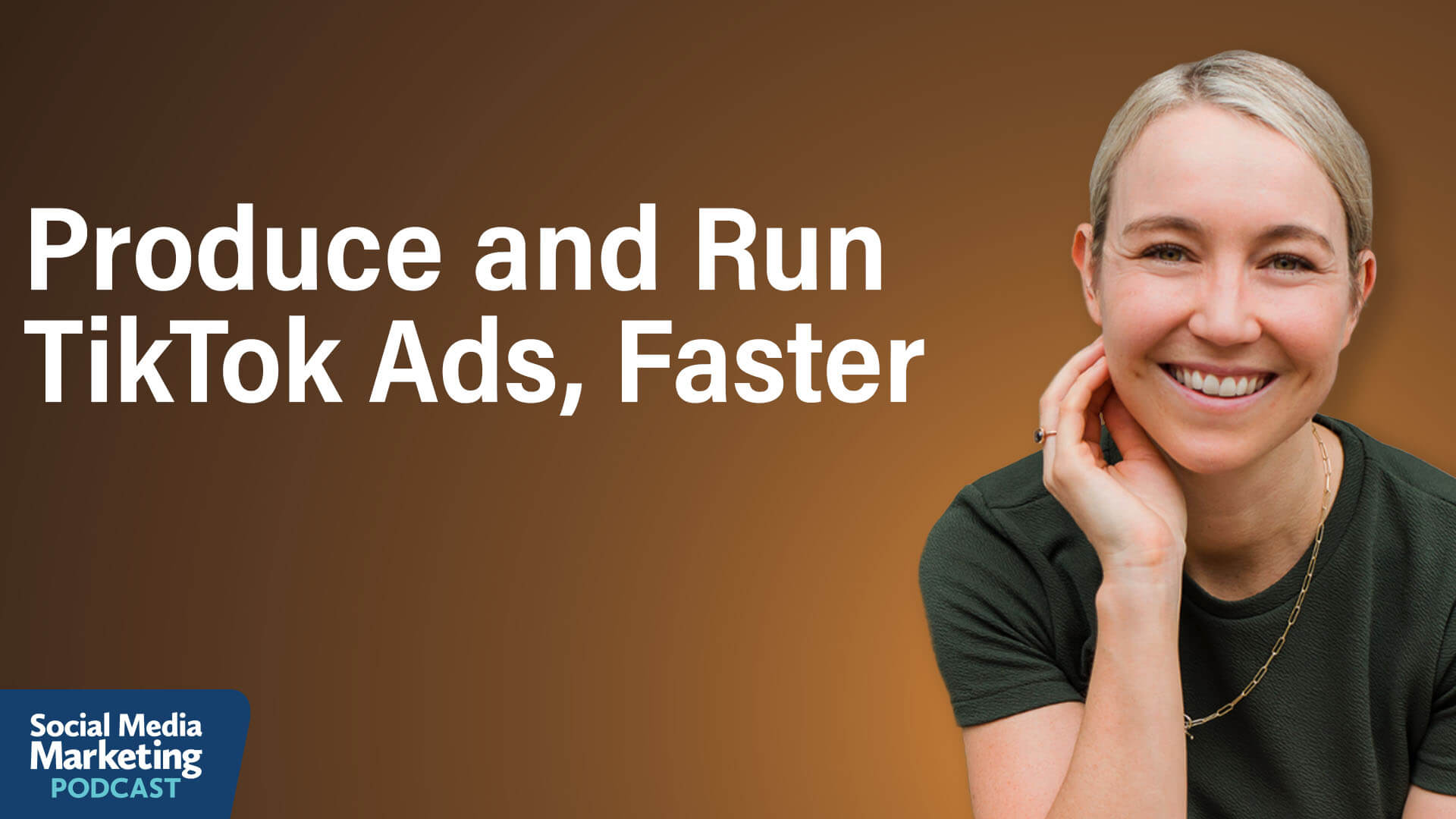
"AI recommendations should never be taken as gospel," notes short-form video expert and agency founder Melissa Laurie. "If a new creative has only been running for a few days, TikTok’s AI might suggest pausing it because older assets have historical data advantage. Marketers need their own judgment to push back, asking the AI, ‘What’s another way to approach this?’ or ‘Could I be doing this better?’ When challenged, AI frequently recalibrates with superior advice."
Furthermore, industry consensus on AI-generated humans remains cautious. Brands attempting to use purely synthetic avatars to deliver testimonial-style lines ("All my friends are talking about this product") frequently face consumer skepticism and trust deficits.
Instead, top brands are adopting a hybrid model:
- Creator-Plus-AI Enhancement: Real humans film the core demonstration, while AI adds dynamic visual overlays (such as animated effects or stylized graphics) to dramatize product benefits.
- Product-Only Showcases: Utilizing AI to render textures, lighting, and transformations for physical items without placing a synthetic face on camera.
Strategic Implications: The Anatomy of a High-Performing Video
As AI tools lower the baseline quality threshold across TikTok, standing out requires adherence to proven structural frameworks. According to leading video strategists, the traditional concept of the "first three seconds" is evolving into the first frame rule. Because users scroll rapidly through feeds filled with creator content and enterprise ads, every micro-moment counts.
The Blueprint for Winning Short-Form Content
- The First Frame: The absolute opening visual that stops the user mid-scroll.
- Billboard Text: High-contrast text overlays that communicate value instantly to a user reading without audio.
- The Glue: The connective tissue linking the hook to the main body of the video, preventing early drop-offs.
- The Rule of Three: Structuring tips or core value propositions into tight sets of three to maintain pacing.
- The Sharp Ending: Cutting the video abruptly rather than trailing off in tone or speed. Trailing off signals to the algorithm that the viewer lost interest, whereas a crisp exit signals strong watch-through completion rates.
- Authenticity Over Polish: Videos that look like native recommendations from a friend drastically outperform over-produced, corporate-style commercials. Creators should remain physically active while speaking—such as applying makeup, organizing a space, or walking—rather than standing rigidly in front of a static lens.
Future Outlook: What This Means for Marketers and Agencies
The proliferation of AI on TikTok signals a democratization of digital marketing, but it also redefines the nature of expertise. Marketers are no longer spending the majority of their time executing manual data entry or configuring pixel-level ad sets; instead, their value has shifted toward prompt engineering, strategic direction, and creative refinement.
For small business owners, the option to manage campaigns independently via AI assistance is finally viable. For full-service marketing agencies, the role is evolving from tactical execution to high-level advisory and complex omnichannel strategy.
As TikTok continues to refine its Agentic Hub and expand its ecosystem of AI skills, the competitive advantage will no longer belong to those with the largest media budgets or the biggest development teams—it will belong to those who best know how to collaborate with artificial intelligence.