WASHINGTON — In an era where digital publishers are increasingly battered by algorithm changes, fluctuating ad rates, and programmatic market volatility, Political Wire stands out as a masterclass in audience monetization. Founded more than 18 years ago by veteran political analyst Taegan Goddard, the digital publication has quietly built a thriving, sustainable business model by aligning a high-frequency, habit-forming free offering with a robust, highly valued paid membership ecosystem.
In a recent appearance on the Niche Pursuits podcast, Goddard sat down to dissect the inner workings of Political Wire. He revealed how a simple editorial concept—inspired by legacy print journalism—morphed into a multi-million-reader platform that relies on predictable subscription revenue rather than the unpredictable tides of display advertising.
Main Facts: The Blueprint of Political Wire
At its core, Political Wire is built on a foundation of relentless consistency, editorial discipline, and community integration.
- Traffic Scale: The site routinely attracts between 4 and 5 million monthly visitors during quiet periods, a figure that can easily double during high-stakes election cycles.
- Publishing Cadence: Goddard publishes between 30 and 50 posts a day, maintaining this rigorous schedule 365 days a year—including weekdays, weekends, and holidays.
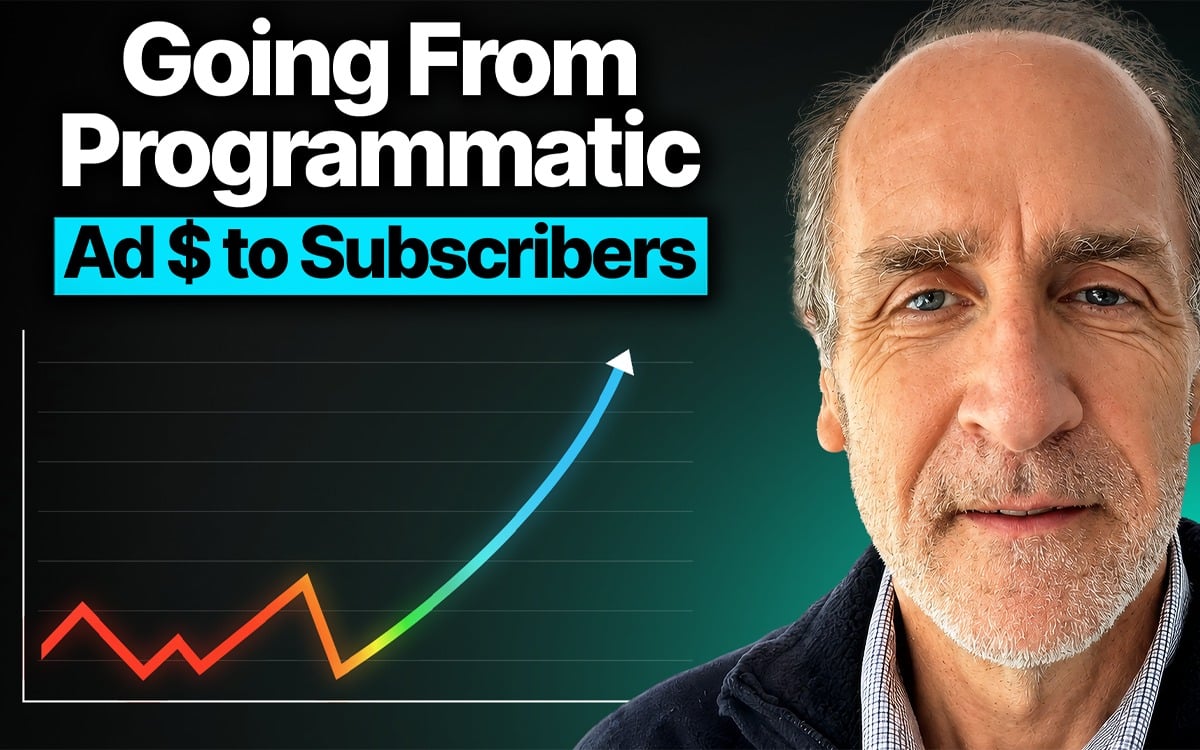
- Dual Revenue Architecture: While the site still leverages programmatic advertising via partners like Mediavine for its free traffic, its economic engine is driven by a diversified subscription bundle.
- Pricing Strategy: Standard annual memberships are priced at $80, while monthly options sit at $8 ($96 annually), creating a built-in incentive for long-term retention.
Rather than chasing fleeting social media virality, Political Wire targets political junkies who demand up-to-the-minute briefings and sharp, curated analysis.
Chronology: From a Washington Briefing Idea to a Multi-Tiered Enterprise
Understanding how Political Wire reached its current scale requires looking at its historical trajectory, which spans nearly two decades of continuous digital media transformation.
Phase 1: The Genesis (The Print-to-Web Translation)
The publication’s origins trace back to a straightforward editorial concept. Goddard sought to replicate the success of the Wall Street Journal’s legendary "Washington Wire" column—a curated collection of insider political notes from the paper’s bureau. Adapting this format for the nascent web, Goddard began aggregating and curating sharp, timely political items from various sources.
Unlike traditional news sites attempting to cover everything, Goddard applied strict editorial judgment: he published only what he found compelling, useful, and timely for hyper-engaged political consumers.
Phase 2: Habit Formation and the Traffic Wheel
As the site matured, Goddard established a relentless publishing rhythm. By pushing 30 to 50 updates daily, Political Wire trained its audience to check the site multiple times a day—often five, six, or seven times. This habit-driven model transformed casual readers into daily return visitors.
Phase 3: The Introduction of the Paywall and Bundling
Recognizing the limitations of relying purely on ad revenue, Goddard introduced a paid membership model over a decade ago. Initially centered around his exclusive political analysis (previously featured in publications like The Week and The Daily Beast), the offering gradually expanded. Over the years, Goddard layered in ad-free browsing, a private weekly podcast (Trial Balloon), interactive games, and community features, transforming a single-product paywall into a sticky membership bundle.
Supporting Data and Audience Dynamics
The success of Political Wire’s subscription model is underpinned by clear behavioral data and cyclical traffic patterns tied directly to the American political calendar.
The Election Cycle Funnel
Traffic to Political Wire follows a predictable macroeconomic rhythm. Interest begins to climb organically around June and July of an election year, culminating in massive traffic spikes in September and October.
This creates a natural top-of-funnel discovery engine:
- The Discovery Wave: Millions of new readers flood the free site during the election frenzy.
- The Sampling Period: New visitors sample the editorial product without friction.
- The Conversion: Prominent, non-intrusive site banners and targeted messaging introduce readers to the paid membership tier, converting high-intent users into long-term subscribers.
The Power of Bundling and Low Churn
Goddard notes that the secret to keeping churn remarkably low lies in strategic product bundling. By packaging multiple distinct benefits into a single subscription, he reduced the likelihood of cancellations.
- Ad-Free Browsing: Appeals to power users seeking speed and a clean interface.
- Exclusive Analysis: Satisfies readers looking for Goddard’s personal perspective.
- The Private Podcast & Weekly Quiz: Builds weekly routines that keep subscribers engaged between major news cycles.
Furthermore, Goddard introduced a "Friends and Family" sharing plan. When a subscriber shares their account with a spouse, family member, or colleague, canceling becomes a shared, friction-heavy decision rather than an individual choice, driving retention even higher.
Pricing Insights: The Fear of Charging Too Little
Perhaps the most striking data point shared by Goddard involves pricing psychology. Across thousands of active members and multiple price increases over the years, Goddard has received only one complaint regarding higher costs. This rare feedback loop suggests that loyal audiences often value specialized journalistic work far more than publishers assume, and that many niche sites are severely underpricing their most valuable assets.
Official Perspectives and Operational Insights
Running a high-frequency, subscription-backed political site requires a hands-on approach. Goddard emphasizes that subscriptions are not passive "free money"—they demand an elevated level of customer service and editorial accountability.
"When someone pays for your work, they expect a higher level of service and connection," Goddard noted during the interview.
Leveraging Modern Tools
In optimizing his conversion funnel, Goddard has turned to unconventional advisors. He routinely uploads screenshots of Political Wire’s conversion pages into AI models like ChatGPT and Claude, treating the large language models as low-cost design consultants. While not every suggestion is implemented, this iterative testing helps him maintain a fresh perspective on user experience and site architecture.
Managing Churn and Human Behavior
Goddard also accounts for the emotional realities of his readership. In modern politics, hyper-partisanship and distressing news cycles can occasionally cause audiences to experience "news fatigue." When political moods sour, some readers temporarily disengage. By analyzing cancellation surveys and tracking why members leave—whether due to pricing, technical hurdles, or personal life changes—Goddard continuously refines his product offerings to cushion against cyclical dips.
Implications for the Broader Digital Publishing Industry
The success of Political Wire offers a vital roadmap for independent creators, niche site owners, and traditional publishers navigating an increasingly hostile ad-driven landscape.
- Ads and Subscriptions Can Coexist: Publishers do not need to choose strictly between programmatic advertising and paywalls. As Political Wire demonstrates, a free, ad-supported tier serves as an exceptional discovery engine, while a paid bundle captures high-intent, loyal readers for predictable recurring revenue.
- The Value of the Personal Brand: In an age dominated by AI-generated content and mass-market aggregation, human judgment, trusted voice, and personal connection remain powerful economic moats. Readers are willing to pay for curation they trust.
- Rethinking Pricing Thresholds: Many digital publishers leave money on the table by undercharging. If an audience finds genuine daily utility in a product, incremental price increases rarely trigger significant churn.
Conclusion
Taegan Goddard’s nearly two-decade journey with Political Wire underscores a fundamental truth of modern digital publishing: sustainability does not require chasing billions of pageviews. By focusing intensely on a dedicated audience, delivering consistent, habit-forming value, and structuring a multi-tiered subscription bundle, publishers can insulate themselves from the volatility of programmatic advertising and build resilient, long-lasting media businesses.