Building an AI Creative Director: Transforming Voice Journals into Multi-Platform Content with Claude
In the modern digital landscape, the pressure to maintain a consistent, multi-platform content presence can quickly overwhelm individual creators and lean teams. The traditional choices often feel binary: reject artificial intelligence entirely and burn out trying to manually produce everything, or hand over total creative control to a machine and watch your brand drown in generic "AI slop."
However, a middle ground is emerging. AI strategist Nicky Saunders, in a recent collaboration with Michael Stelzner on the AI Explored podcast, detailed a framework for building an "AI Creative Director" using Claude. By integrating AI as a 24/7 collaborative partner rather than a replacement for human thought, creators can transform unstructured voice journals into polished, multi-platform content that faithfully captures their unique voice and visual identity.
Main Facts: The AI Creative Director Framework
At its core, building an AI Creative Director is about moving away from isolated, one-off prompts and toward a systemic workflow. Rather than treating AI like a vending machine—where you insert a quick prompt and hope for a good result—Saunders treats Claude like a high-level digital team member.
The system relies on three foundational pillars:
Clear Creative Vision and Style: Establishing the emotional goals, visual references, and brand rules before asking the AI to generate content.
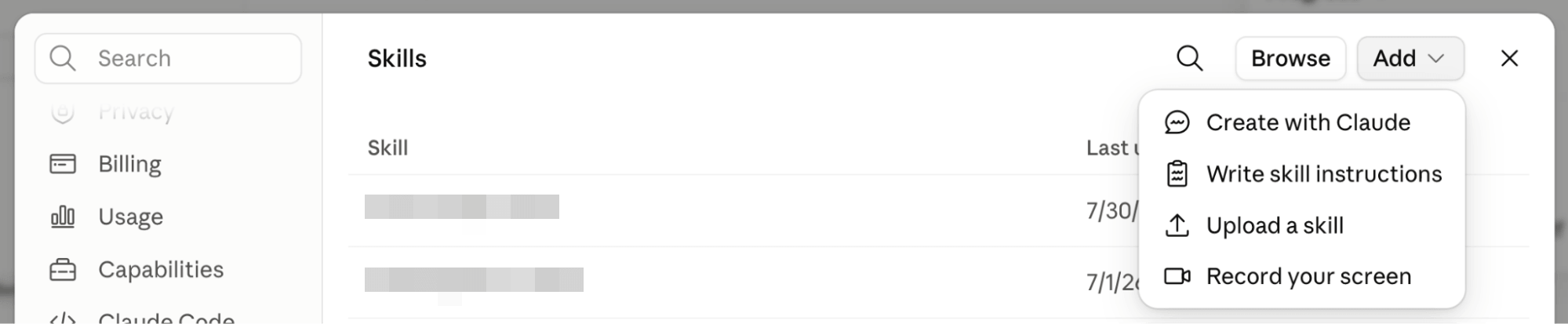
Persistent Skills and Memory: Building reusable instruction sets for brand voice and platform-specific formats so that Claude remembers stylistic nuances across different chat sessions.
The "DraftLoop" Workflow: An automated, human-in-the-loop pipeline that converts daily voice journals into social threads, newsletters, video scripts, and carousels without sacrificing authenticity.
Crucially, the framework operates on a strict "propose-and-decide" model. The AI handles ideation, drafting, and asset storyboarding, but human judgment always controls the final execution and publishing phases.
Chronology: How the Content Pipeline Operates
To understand how this system functions in practice, it helps to look at the chronological flow of a standard day within the "DraftLoop" architecture, which connects Claude, Notion, Apify, Higgsfield, and HeyGen.
Step 1: Establishing the Foundation
Before any automation runs, the creator must build the underlying infrastructure. This involves gathering raw voice and text data—such as past newsletter issues, YouTube transcripts, and social threads—to train Claude on the creator’s natural cadence and vocabulary. Visual references (Pinterest boards, website screenshots, and past product photography) are also uploaded to a dedicated Claude project to serve as an aesthetic baseline.
Step 2: The Daily Voice Journal (8:00 AM)
Content creation begins away from the keyboard. During a morning walk, the creator records a free-form voice journal using Notion’s AI meeting notes. Eschewing rigid outlines, the creator talks candidly about what is on their mind, current frustrations, recent inspirations, and everyday observations.
Step 3: Automated Processing and Extraction
Inside Claude Cowork, a scheduled daily task runs at 8:00 AM, checking the Notion workspace for new journal entries. Once detected, Claude parses the spoken thoughts, extracting underlying business insights and turning them into content ideas, draft tweets, newsletter frameworks, and carousel quote concepts.
Step 4: Human Review and Iteration (11:00 AM)
The system pauses its workflow, waiting for human intervention. Late in the morning, the creator reviews the generated batch. They select the strongest concepts and continue the conversation interactively: "I like these two ideas. Let’s turn this one into a full video script and develop a carousel for the other."
Step 5: Production and Storyboarding
Once approved, integrated tools step in. Higgsfield (connected via MCP) generates customized imagery and animated videos directly in the chat window. Meanwhile, HeyGen can produce an AI avatar test-run of the video script, allowing the creator to hear how the words sound aloud before recording the final version themselves. The creator edits the deliverables, schedules them manually, and prepares for the next cycle.
Supporting Data and Industry Context
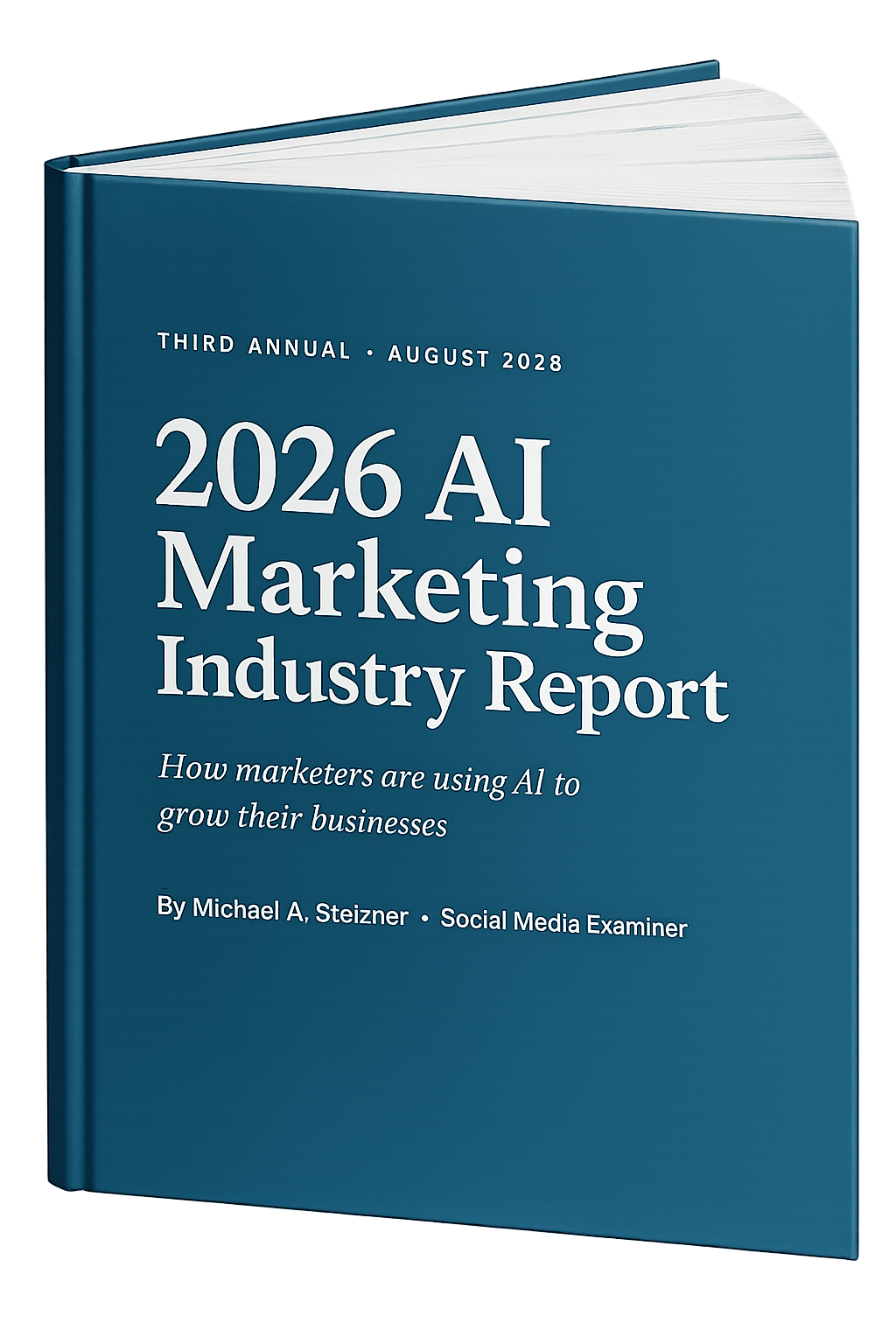
The need for structured, sustainable AI workflows is underscored by broader industry trends. According to recent data from Social Media Examiner’s third annual AI Marketing Industry Report—which surveyed 681 marketers—the vast majority of professionals are navigating the AI revolution entirely on their own:
85% of marketers learn AI through independent experimentation.
Only 7% receive formal corporate training on AI tools.
More than 50% pay for AI software out of their own pockets.
This do-it-yourself landscape has left many business owners and creators overwhelmed by an endless cycle of new tools and shifting strategies. Frameworks like Saunders’ DraftLoop offer a structured roadmap through the noise, cutting down the guesswork of how to integrate generative tools into a genuine creative business.
Furthermore, technical execution relies on targeted model selection. For instance, Saunders highlights that advanced models like Claude Fable 5 Low outperform newer variants when it comes to tight, punchy writing tasks—such as crafting high-converting social media hooks, email subject lines, and carousel headlines—despite being more resource-intensive to run.
Official Perspectives and Expert Insights
Saunders emphasizes that the single biggest pitfall creators fall into is viewing AI through an all-or-nothing lens.
"AI works best as an integration layer within existing creative workflows," Saunders notes. "The creators and business owners who learn to weave new tools into their process, rather than choosing sides, end up more consistent, more productive, and less stressed about content droughts."
She describes Claude as a "twenty-four-seven brain-warming buddy." When inspiration strikes at 2:00 AM, or when a creator feels trapped in a content drought, the AI acts as an immediate sounding board. By applying the "two-year-old technique"—asking "why?" three times to drill down past surface-level writer’s block—the AI helps unearth genuine business insights and authentic story angles.
Moreover, the AI serves as a data-driven anchor against creative restlessness. Creators often grow bored of discussing their core topics and chase novelty, but Claude can reference past engagement data to gently steer them back toward what actually resonates with their audience.
Implications for Creators and Marketers
The integration of an AI Creative Director model carries profound implications for the future of digital content creation:
1. Shift from Creation to Curation and Direction
As AI handles the heavy lifting of drafting, formatting, and initial prototyping, the role of the creator shifts from a tactical laborer to an executive producer. Success will depend less on how fast someone can type or design, and more on the clarity of their vision, the richness of their source material (such as voice journals), and their ability to edit with a discerning eye.
2. Preservation of Authentic Voice
By training AI on deep archives of a creator’s actual speech and writing—rather than relying on generic prompts—the output bypasses the sterile uniformity of standard AI copy. The content remains deeply human because its genesis is a genuine, unfiltered human thought.
3. Heightened Security and Ethical Boundaries
Saunders draws a hard line at automated publishing, noting that direct API publishing access should be avoided to protect account security and maintain editorial oversight. The system assists with ideation, drafting, and production, but the final decision to publish remains firmly in human hands.
As tools like Claude, Apify, and Higgsfield continue to evolve, building a personalized AI creative department is no longer reserved for major media conglomerates. For individual creators and small business owners willing to establish clear foundational systems, the path from a fleeting morning thought to a polished, multi-platform content ecosystem has never been more accessible.