The Invisible Brand: Why Ranking #1 on Google No Longer Guarantees AI Visibility
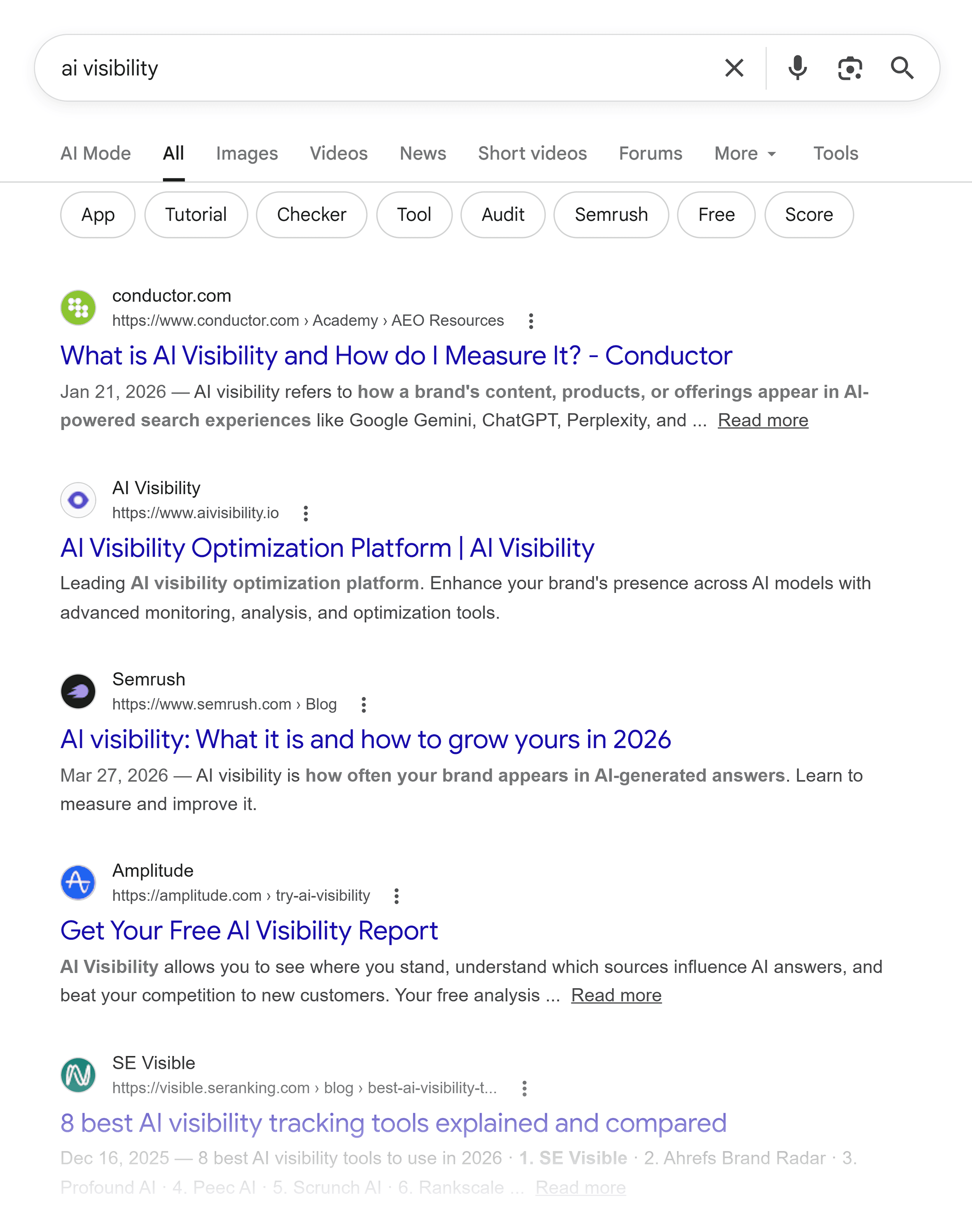
For over two decades, digital marketing strategies have revolved around a singular North Star: dominating Google’s Search Engine Results Pages (SERPs). Securing the coveted number-one spot meant organic traffic, high click-through rates, and guaranteed revenue. Today, however, a brand can sit firmly at the pinnacle of Google search and still remain entirely invisible.
As millions of consumers pivot away from traditional keyword queries in favor of conversational interactions with Large Language Models (LLMs)—such as OpenAI’s ChatGPT, Google Gemini, and Perplexity—the rules of digital discovery have fundamentally shifted. If your brand is absent from these generative conversations, or worse, if it is represented with outdated or inaccurate data, your bottom line will take a direct hit.
Without a deliberate strategy known as prompt tracking, most marketing teams remain completely in the dark about how—or if—their company is being surfaced by artificial intelligence.
Understanding the Evolution: From SERPs to LLMs
To grasp the urgency of prompt tracking, one must first understand the structural difference between traditional SEO rank tracking and LLM visibility.
Traditional rank tracking is deterministic. It answers a straightforward question: “How close are our URLs to position one on the SERP for a specific keyword?” The output is predictable: a static list of blue links directing users to external websites.
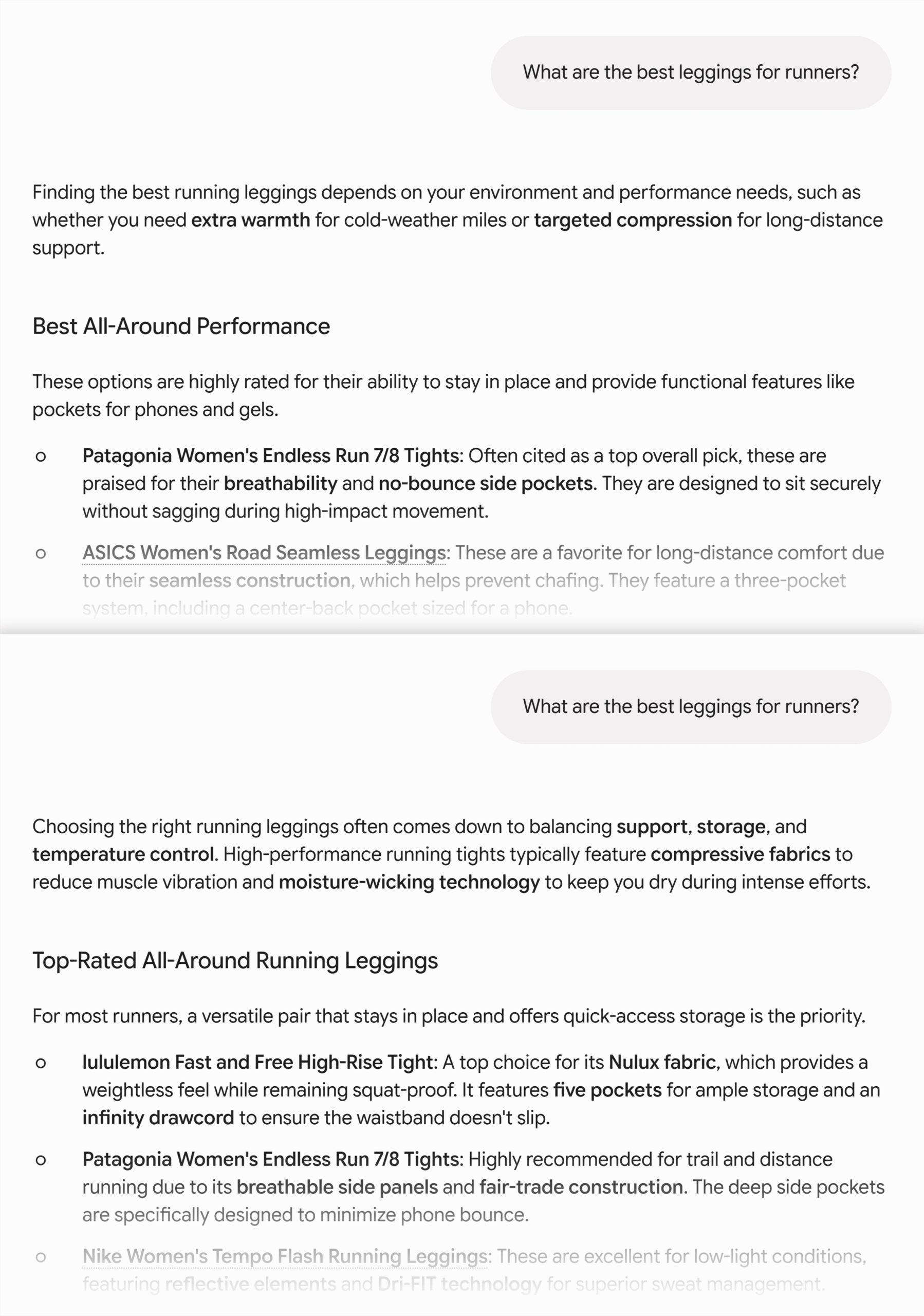
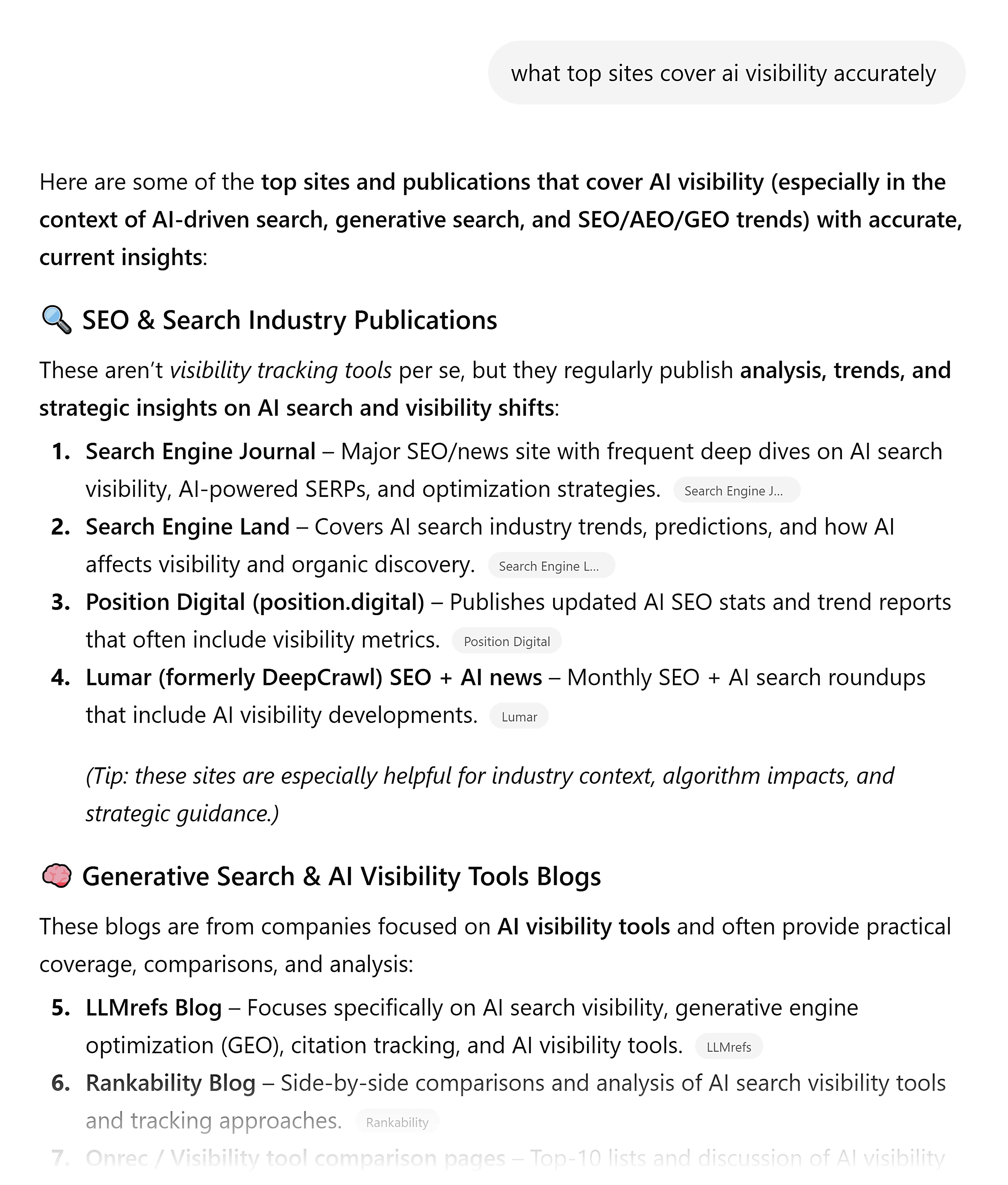
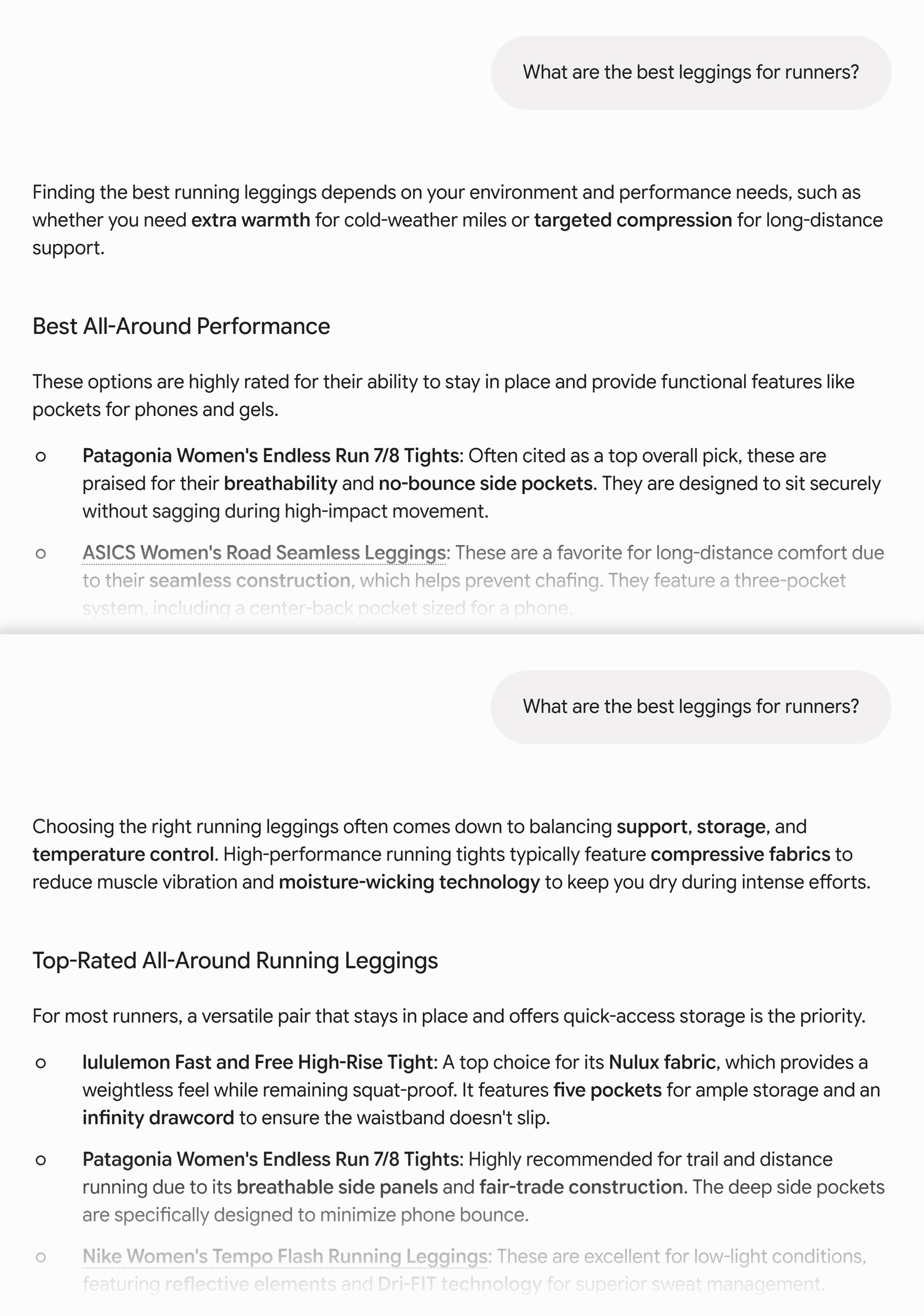
LLMs operate entirely differently. They do not serve pre-packaged lists of links. Instead, they synthesize vast reams of multi-source information to generate a dynamic, unique response tailored specifically to the user’s immediate prompt and conversational context. A user can input the exact same prompt twice and receive entirely distinct answers.
Consequently, the primary objective of modern search optimization is no longer securing the first position in a static hierarchy. Rather, it is ensuring that an AI engine consistently delivers accurate, positive portrayals of your brand to the right audiences across multiple, non-deterministic query runs. Without a monitoring system, brands are navigating this new landscape blindfolded.
Chronology of a Paradigm Shift: The Rise of AI-Driven Research
The modern shift toward conversational search has accelerated rapidly over the last several years, fundamentally transforming consumer behavior and B2B software evaluation.
2024–2025 (The Early Adoption Wave): Industry studies began registering a seismic shift in how everyday users conduct research. Early data indicated that over half of active internet users had begun relying on AI assistants as their primary or secondary research tools, specifically for product and service recommendations.
Late 2025 (The B2B Tipping Point): Enterprise and business-to-business (B2B) buyers fully embraced generative platforms. Research reports from industry authorities like G2 highlighted that upwards of 60% of B2B software buyers utilized AI chatbots for vendor research.
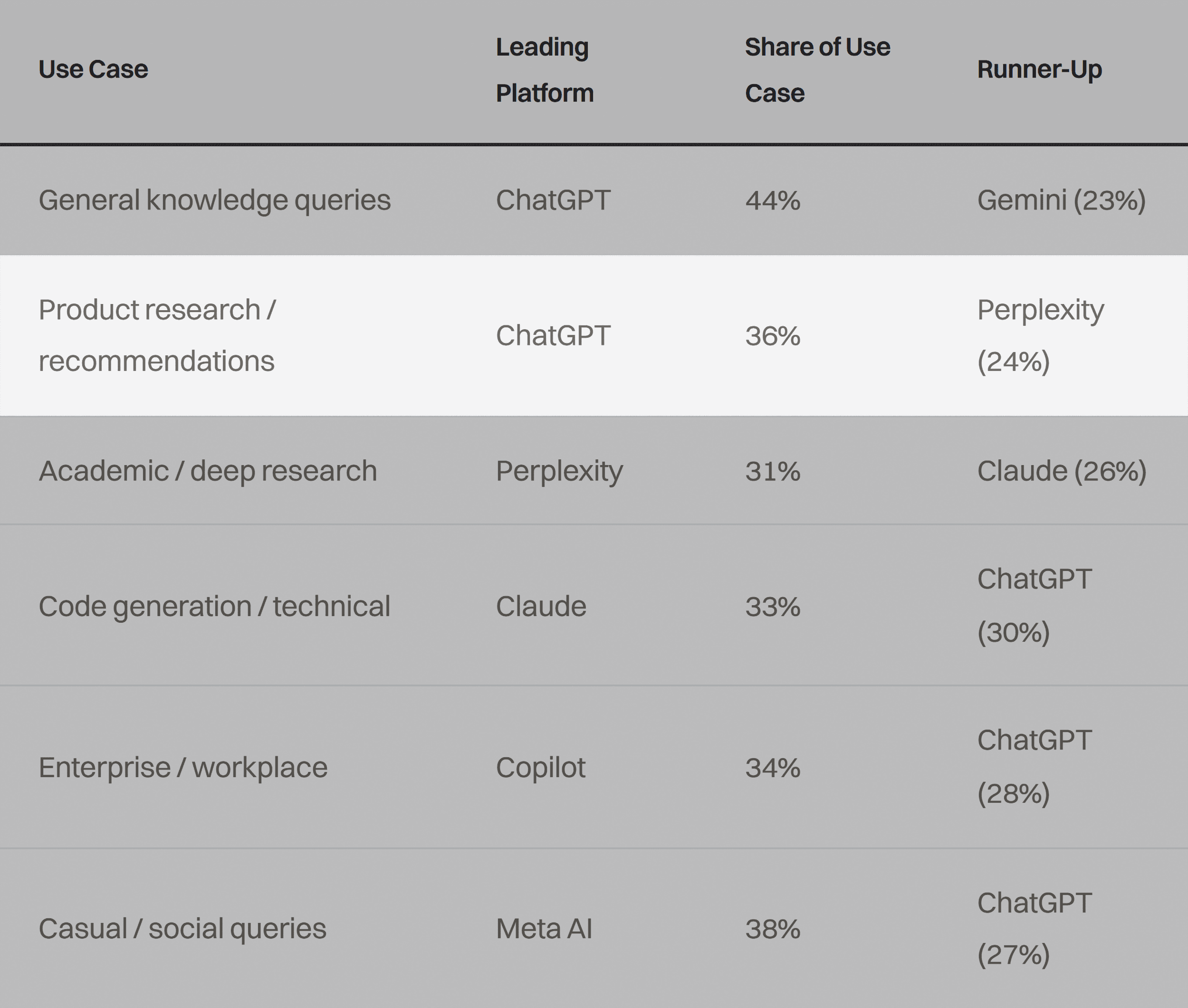
2026 (The Mainstream Standard): Recent data underscores that over 55% of US internet users now lean on AI as a primary research instrument, with roughly 32% utilizing these tools specifically to source product recommendations. Furthermore, B2B reliance on AI search has surged past 71%.
Present Day: Brands that fail to integrate prompt tracking into their analytics workflows find themselves systematically edited out of modern buyer journeys, often losing high-intent prospects before those users ever visit an official corporate website.
Supporting Data and Market Dynamics
The financial and operational implications of ignoring AI visibility are underscored by stark industry metrics.
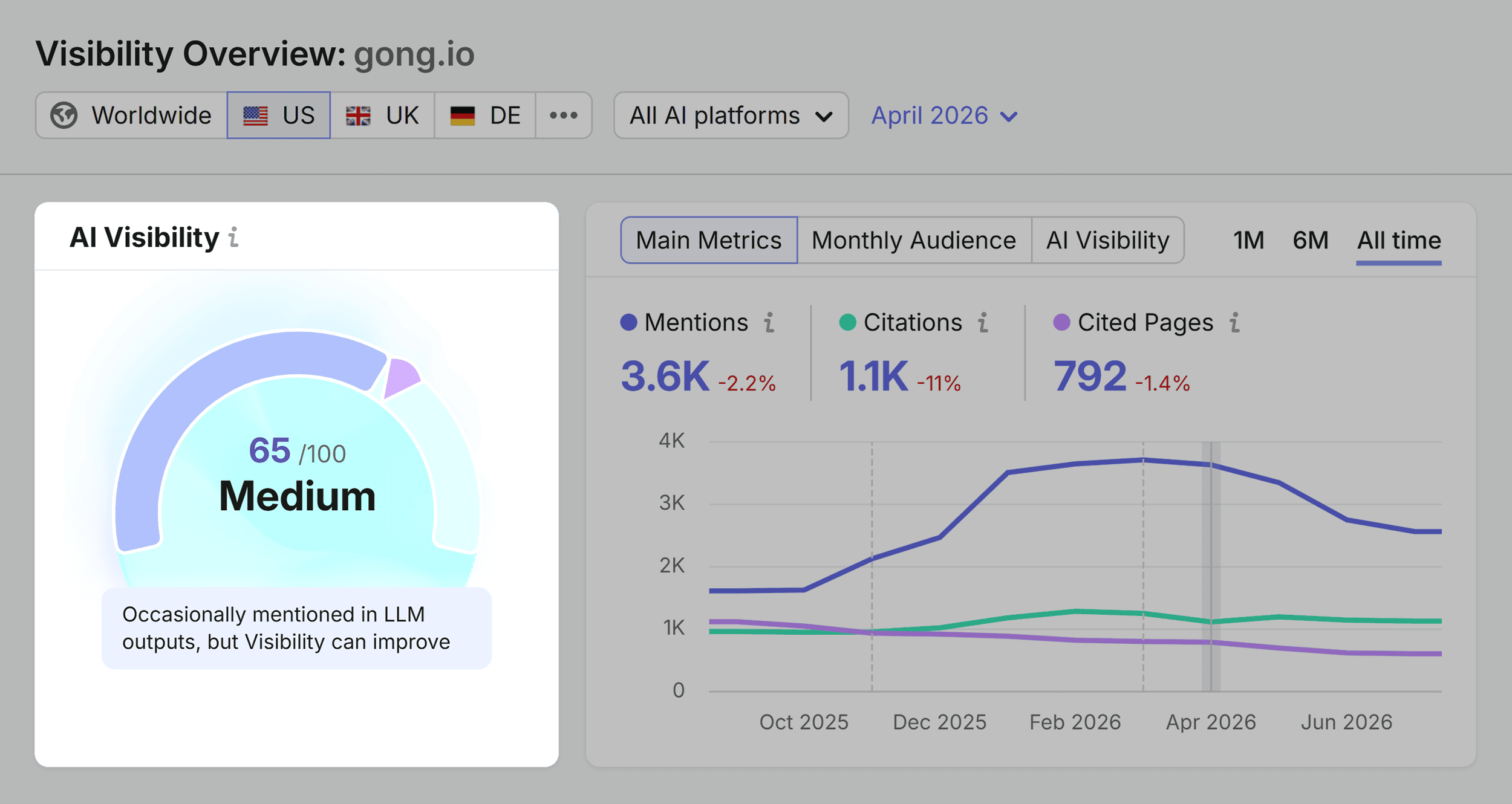
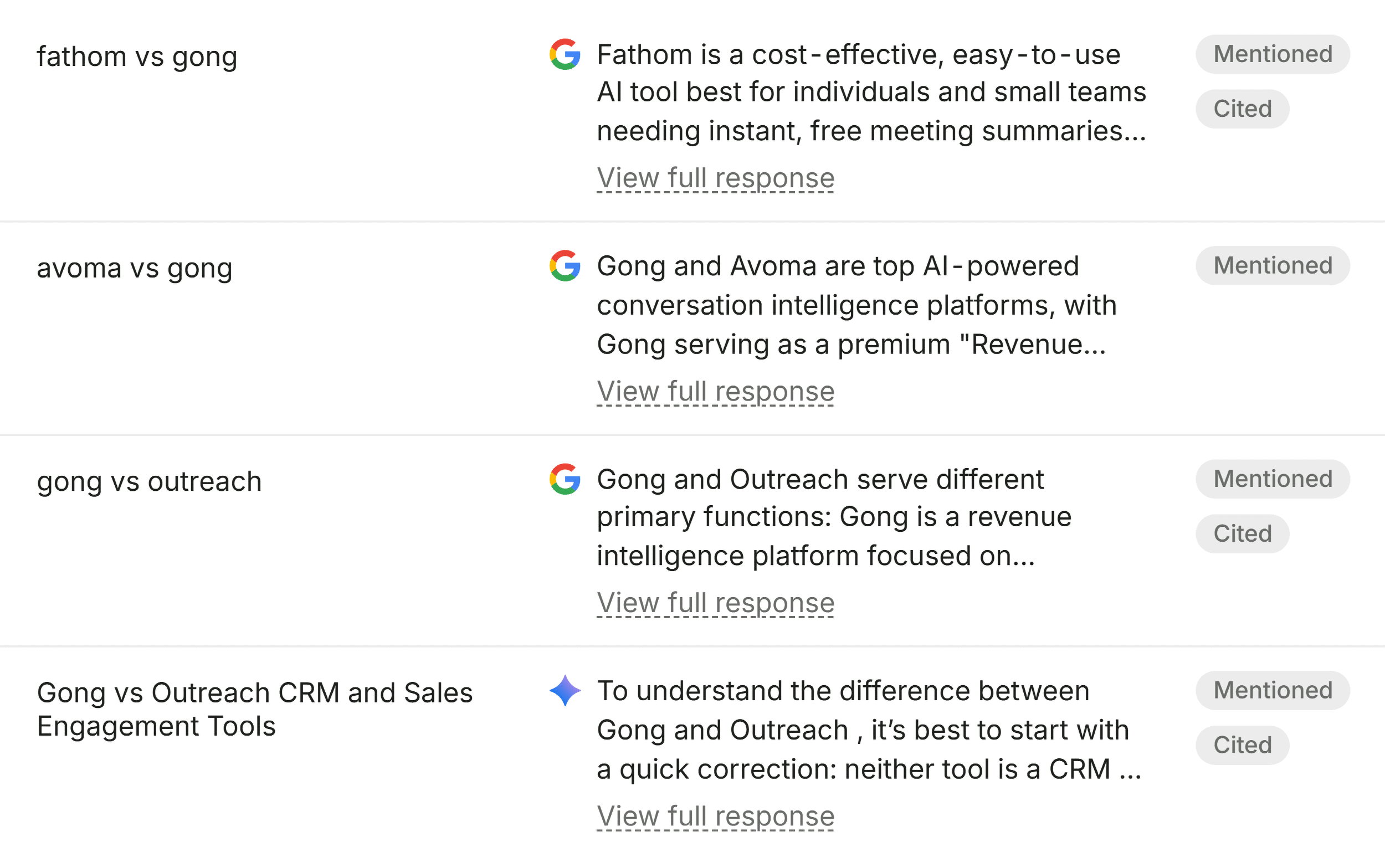
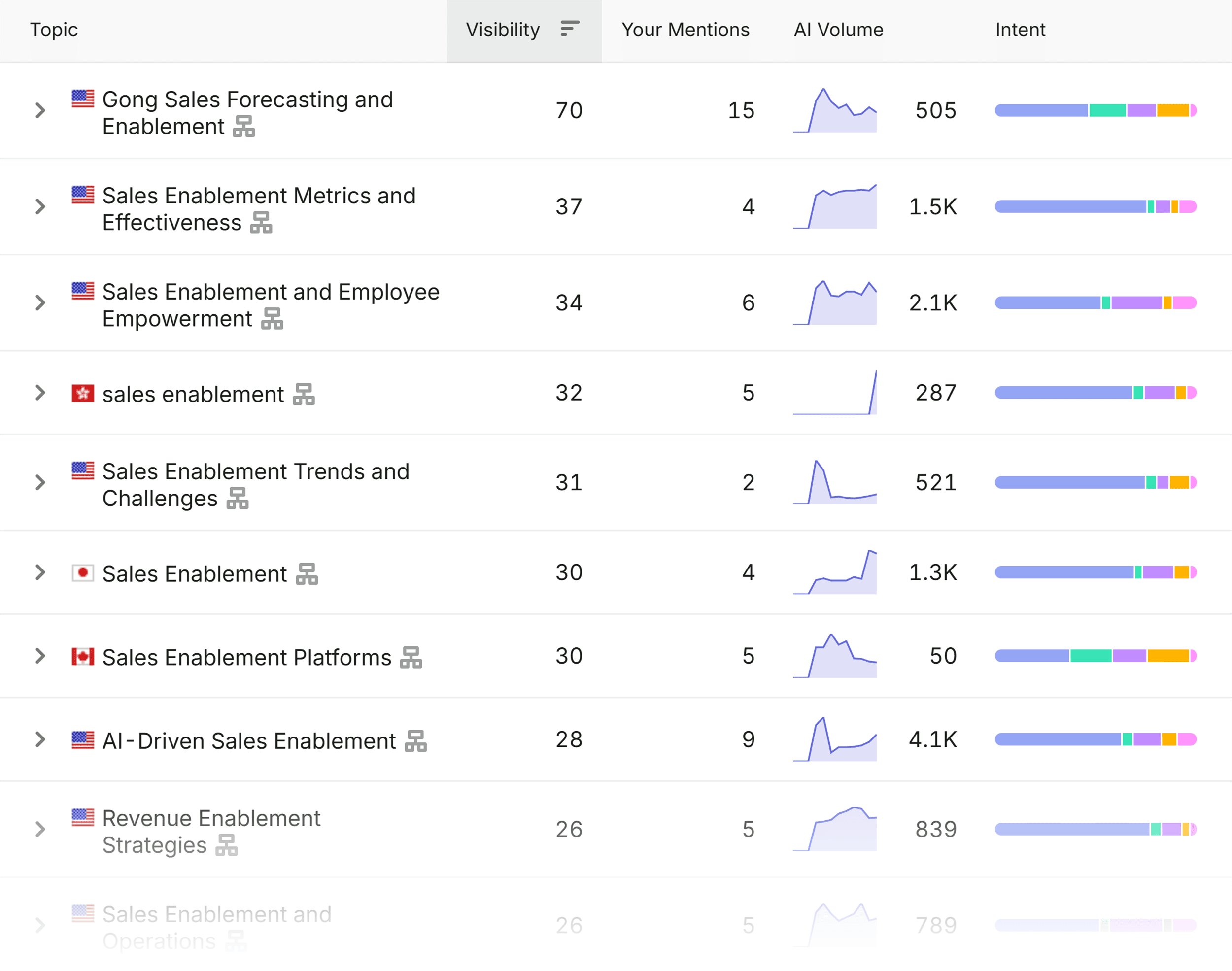
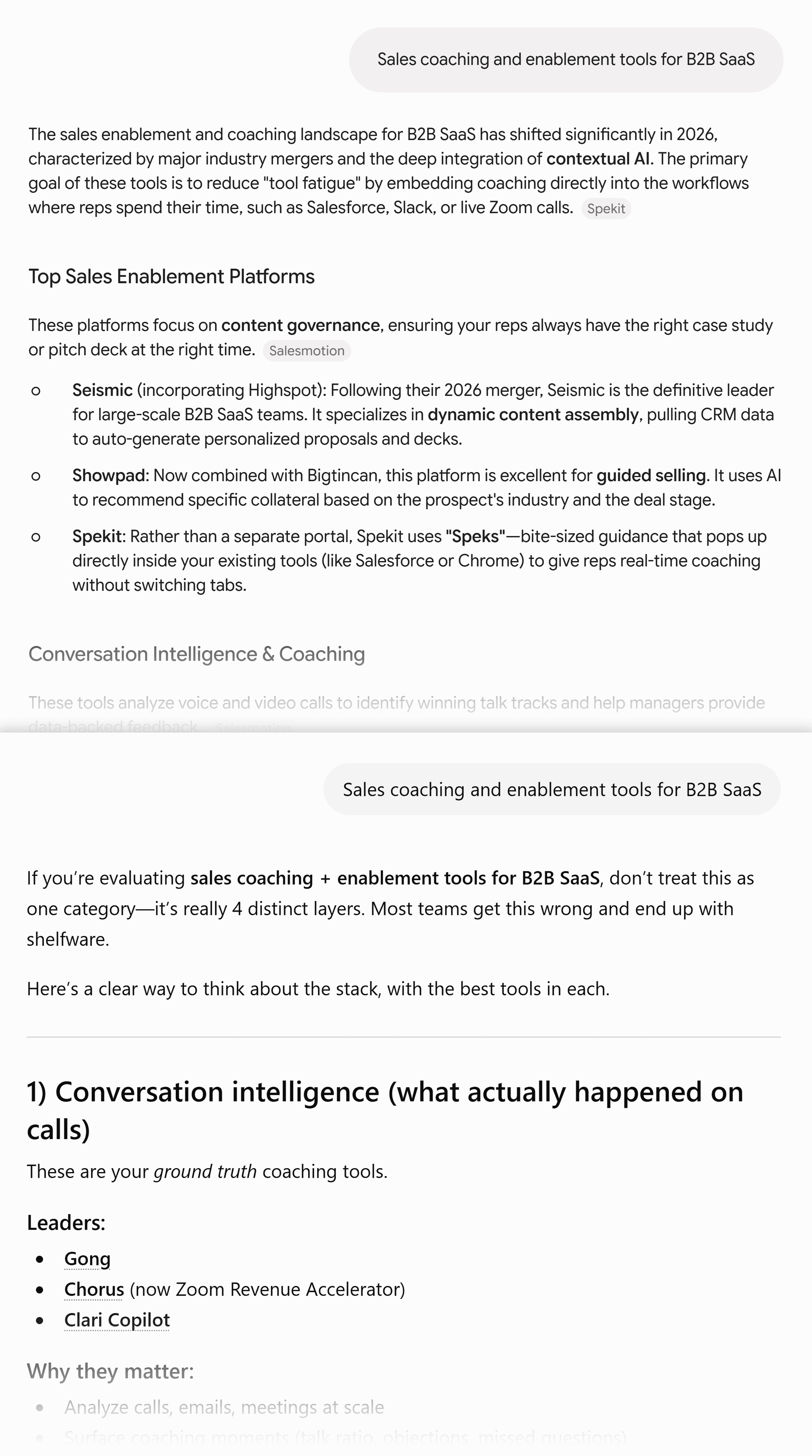
Consider the modern software category as an example. When enterprise sales intelligence platforms like Gong are analyzed through AI visibility frameworks, their overall scores fluctuate based on the depth of their multi-channel digital footprint. Gong maintains a healthy visibility score because it publishes across diverse content ecosystems—including blogs, proprietary industry reports, video channels, audio assets, and earned media.
However, many brands in equally competitive sectors lack this holistic distribution model. According to aggregated search analytics:
85% of brand mentions within LLM outputs originate from third-party authority pages rather than a brand’s native domain (as noted by research from AirOps). This means that direct, on-site optimization is no longer sufficient; external validation dictates AI trust.
Consumer and B2B buyers frequently rely on platforms like Reddit, G2, TechRadar, and specialized trade publications to inform their purchasing decisions—sources that LLMs heavily weight when constructing recommendations.
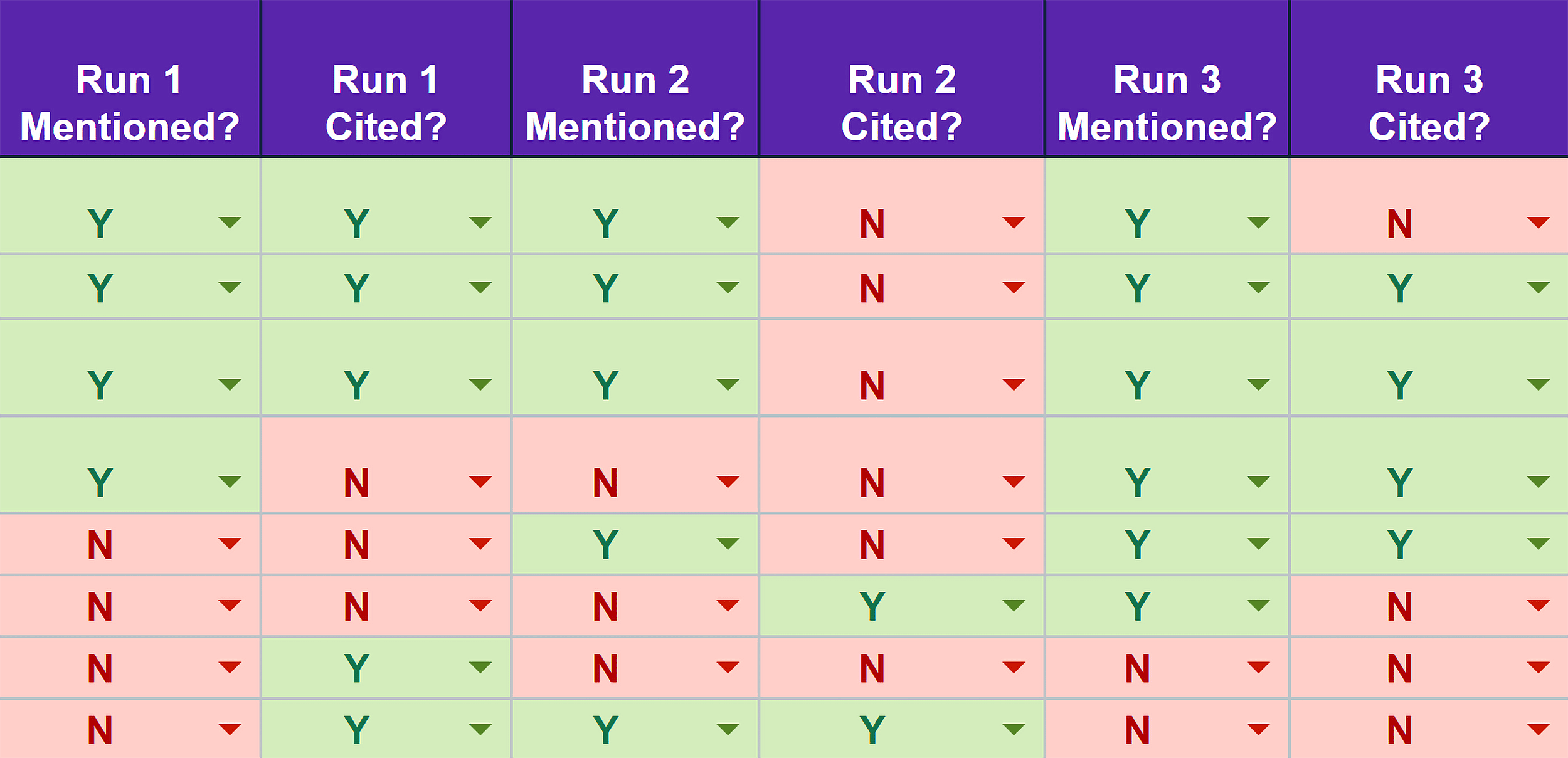
Non-deterministic variance means that a brand might register a 100% visibility rate in a localized manual test, only to drop to a 33% citation rate during automated multi-run API audits. Regular, longitudinal tracking is the only antidote to this statistical volatility.
Official Perspectives and Expert Frameworks
Industry leaders and digital strategists have formalized several methodologies to help organizations decode and master prompt tracking.
The Constraint Map Methodology
Jonny Nastor, Founder and Head of Strategy at Digital Commerce Partners, approaches LLM visibility through the lens of buyer psychology. Nastor argues that consumers typically search for a "job to be done" filtered by specific constraints (e.g., "best video doorbell with no monthly subscription fees").
By mapping these intersections of user intent and financial or operational constraints, Nastor developed the Constraint Map. This framework automates prompt execution across ChatGPT, Perplexity, and Gemini using APIs to measure citation rates, brand sentiment, and content gaps. For one e-commerce client, this methodology uncovered over 52,000 monthly searches with zero existing AI coverage, directly dictating their content strategy for subsequent quarters.
Industry-Specific Optimization
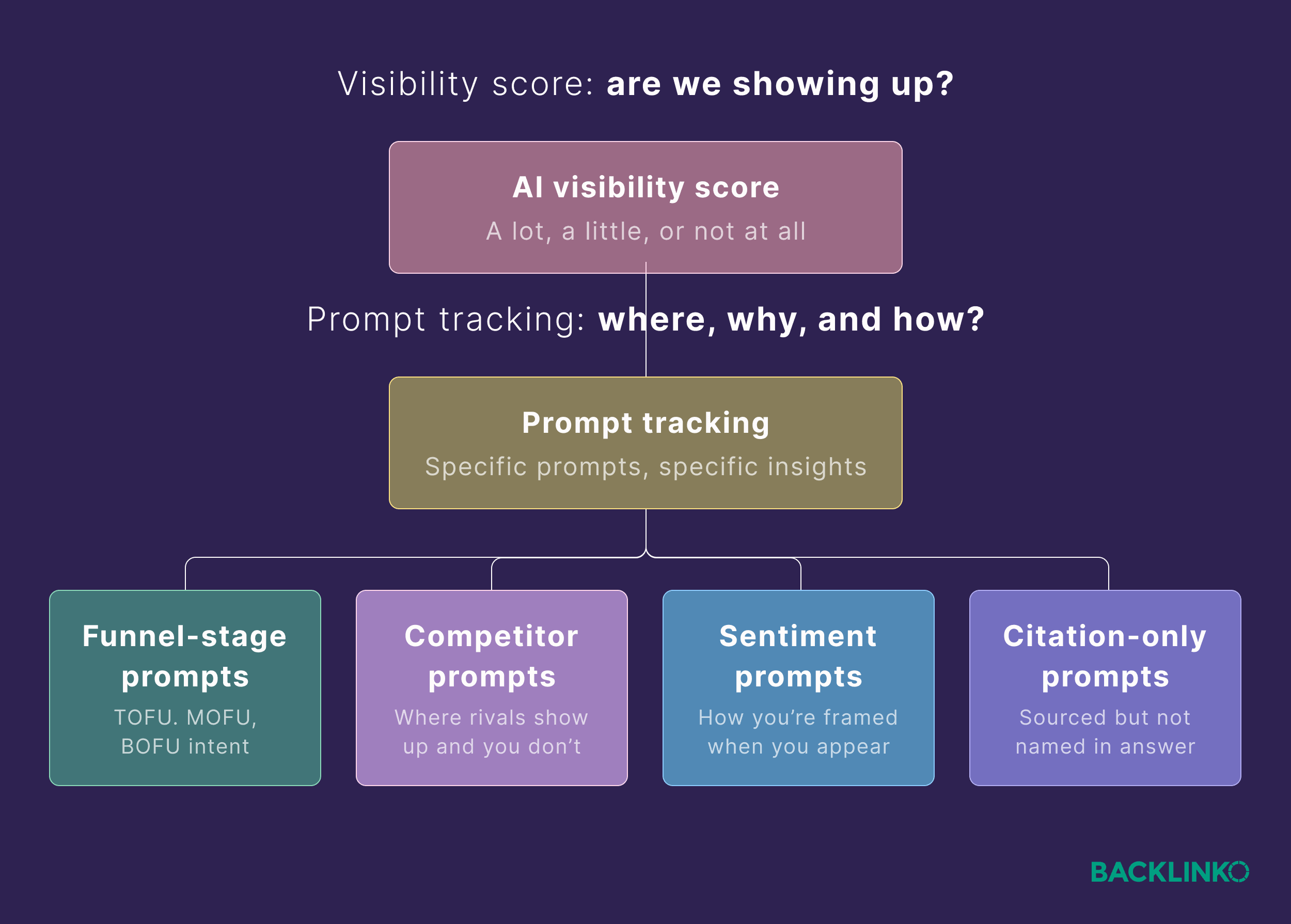
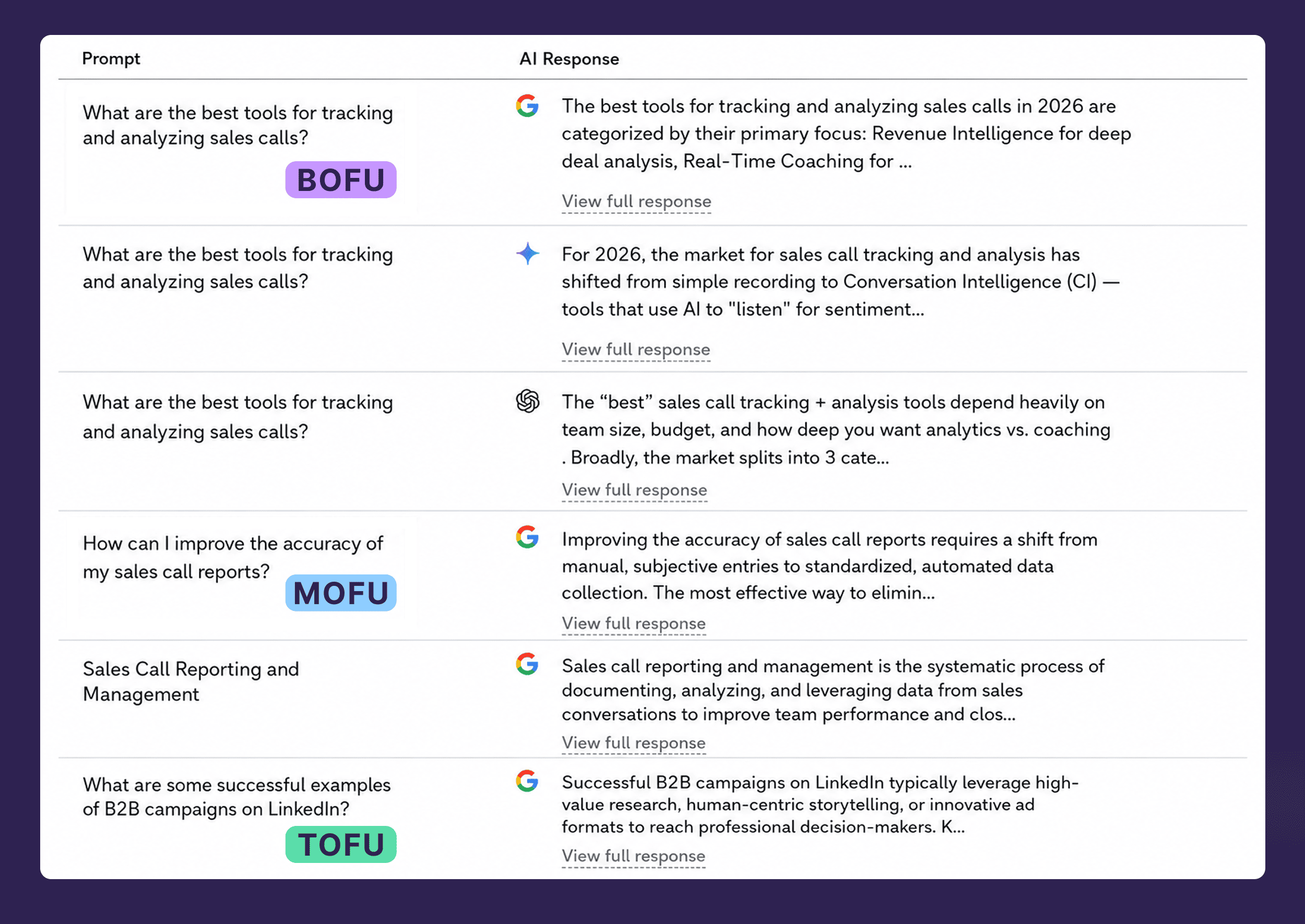
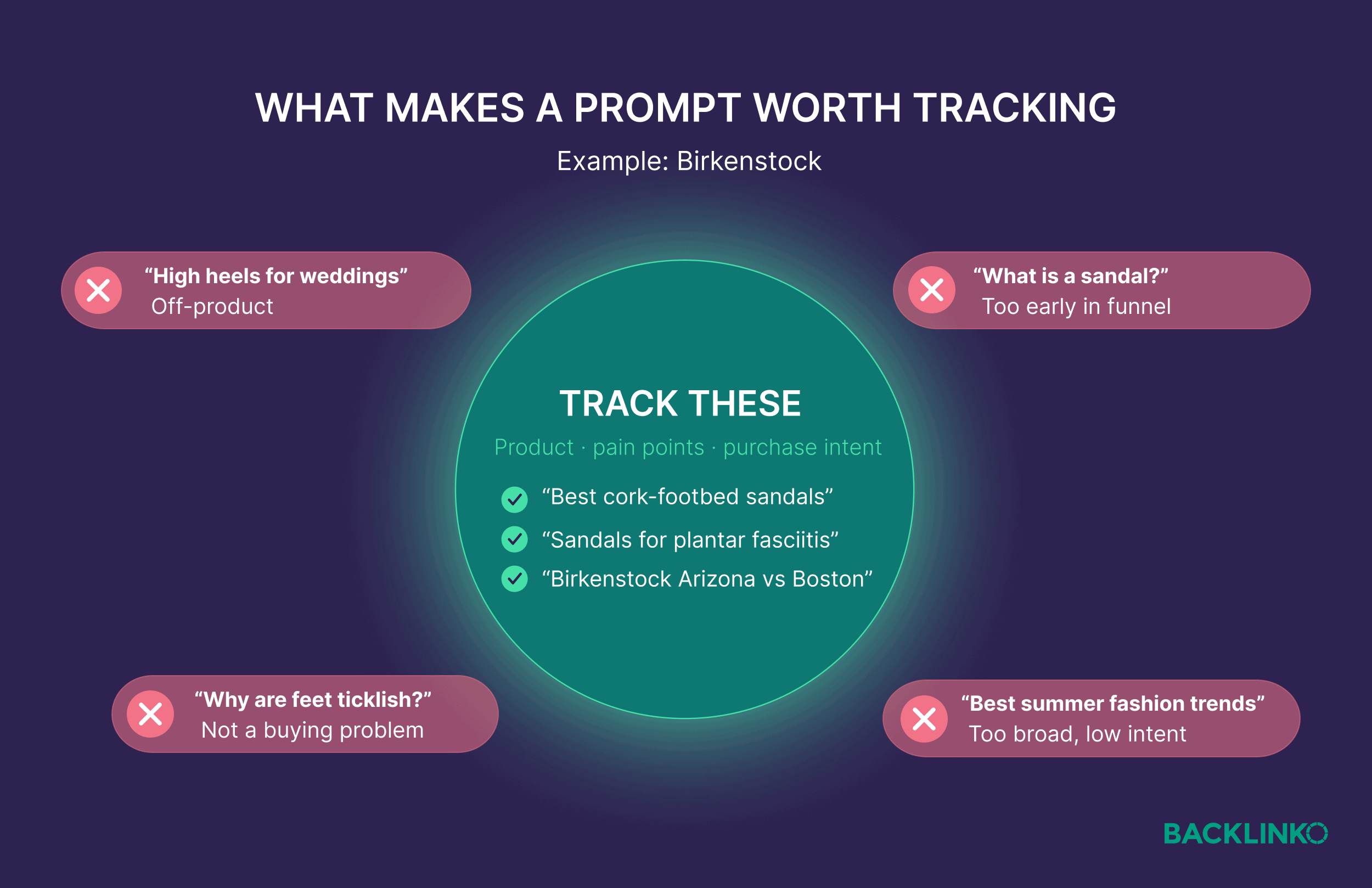
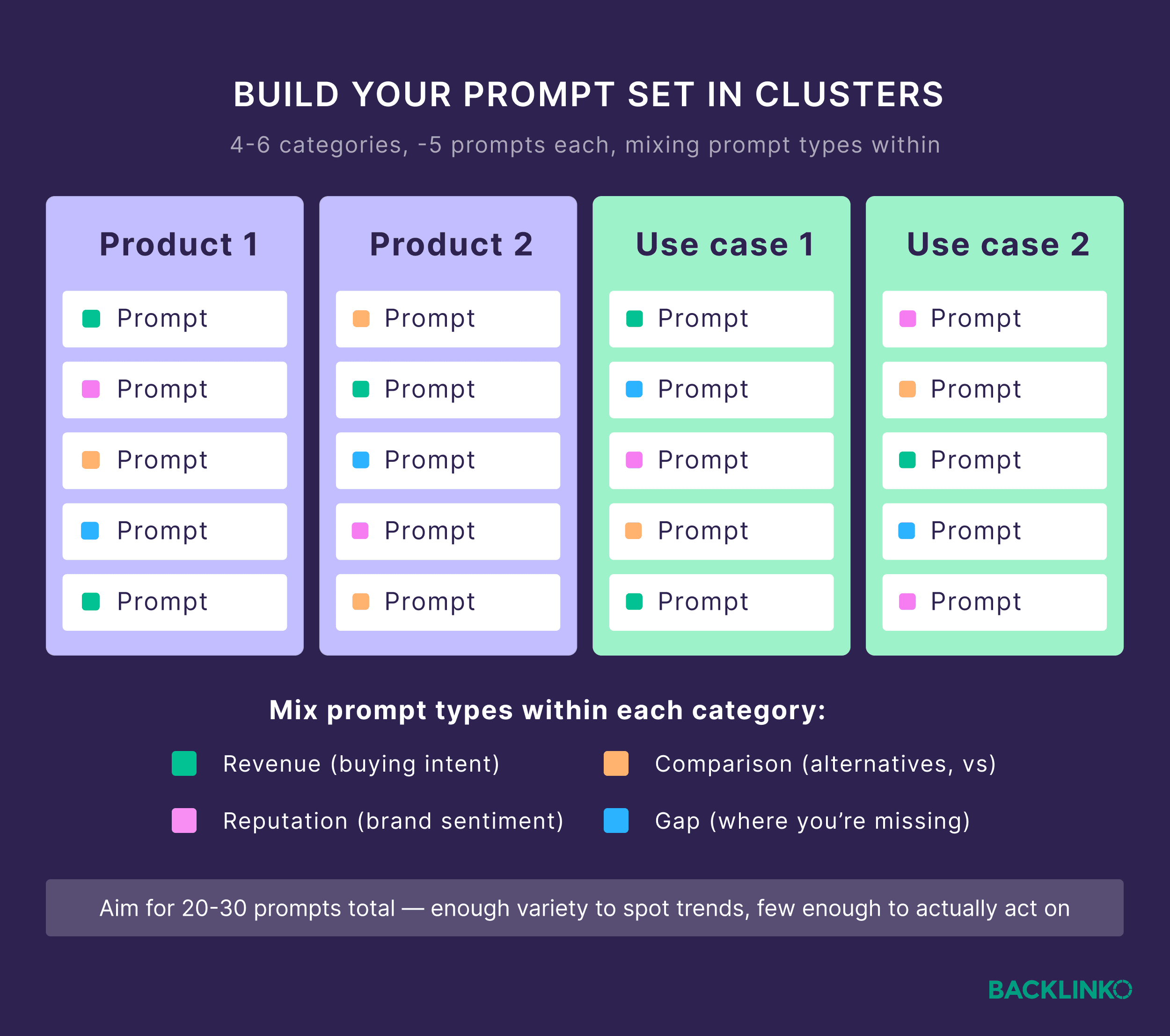
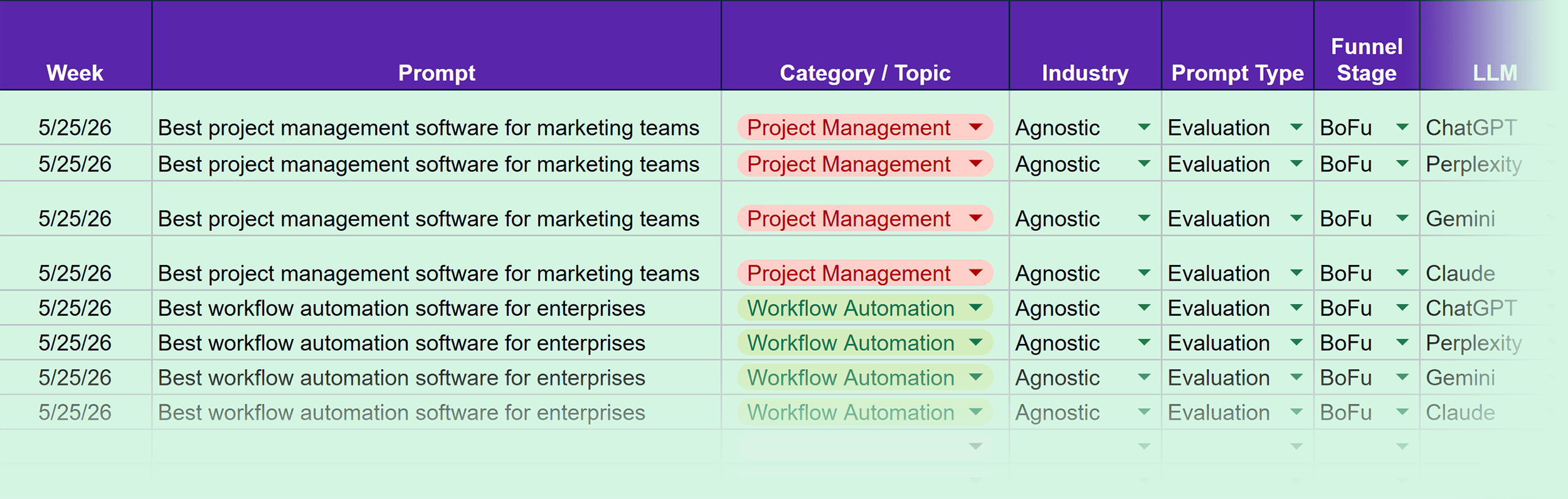
Margaret Kapitany, Offsite SEO Lead at Hootsuite, emphasizes that prompt tracking must be tailored to specific funnel stages and buyer personas rather than vanity metrics. Kapitany filters her organization’s prompt sets into explicit categories—such as evaluation prompts ("How does Hootsuite compare to [competitor]?") and integration prompts ("Which social media platforms integrate with Salesforce?")—while purposefully ignoring pure definitional queries that offer zero conversion potential.
"When leadership asks for numbers, we need to report on which industries Hootsuite is most visible in, and cross-reference visibility for bottom-of-funnel prompts with direct traffic trends," Kapitany explains. "However you build your prompt set, structure it so you can answer the questions you’ll want to ask later."
Implications for Digital Strategy and Brand Survival
The transition to AI-driven discovery carries profound implications for marketing budgets, content creation, and competitive positioning.
1. The Danger of "Ghost Ranking"
A particularly deceptive phenomenon in LLM tracking is what strategists term "ghost ranking." This occurs when a brand’s content is successfully pulled into the AI’s citation panel as a source, yet the conversational model ultimately recommends a competing product in the text response. Recognizing this trend allows teams to audit their presence on third-party validation sites, update product listings, and convert passive citations into active recommendations.
2. Shifting Resource Allocation
Investing in prompt tracking prevents companies from wasting capital on low-intent queries. Rather than attempting to track thousands of vague, top-of-funnel prompts, data-driven brands focus heavily on Bottom-of-Funnel (BoFu) comparison and sentiment prompts. If a brand notices a downward trend in its citation rates across a four-week period, it signals a systemic need to refresh case studies, engage with third-party reviewers, or pitch missing industry listicles.
3. The Necessity of Automated Intelligence
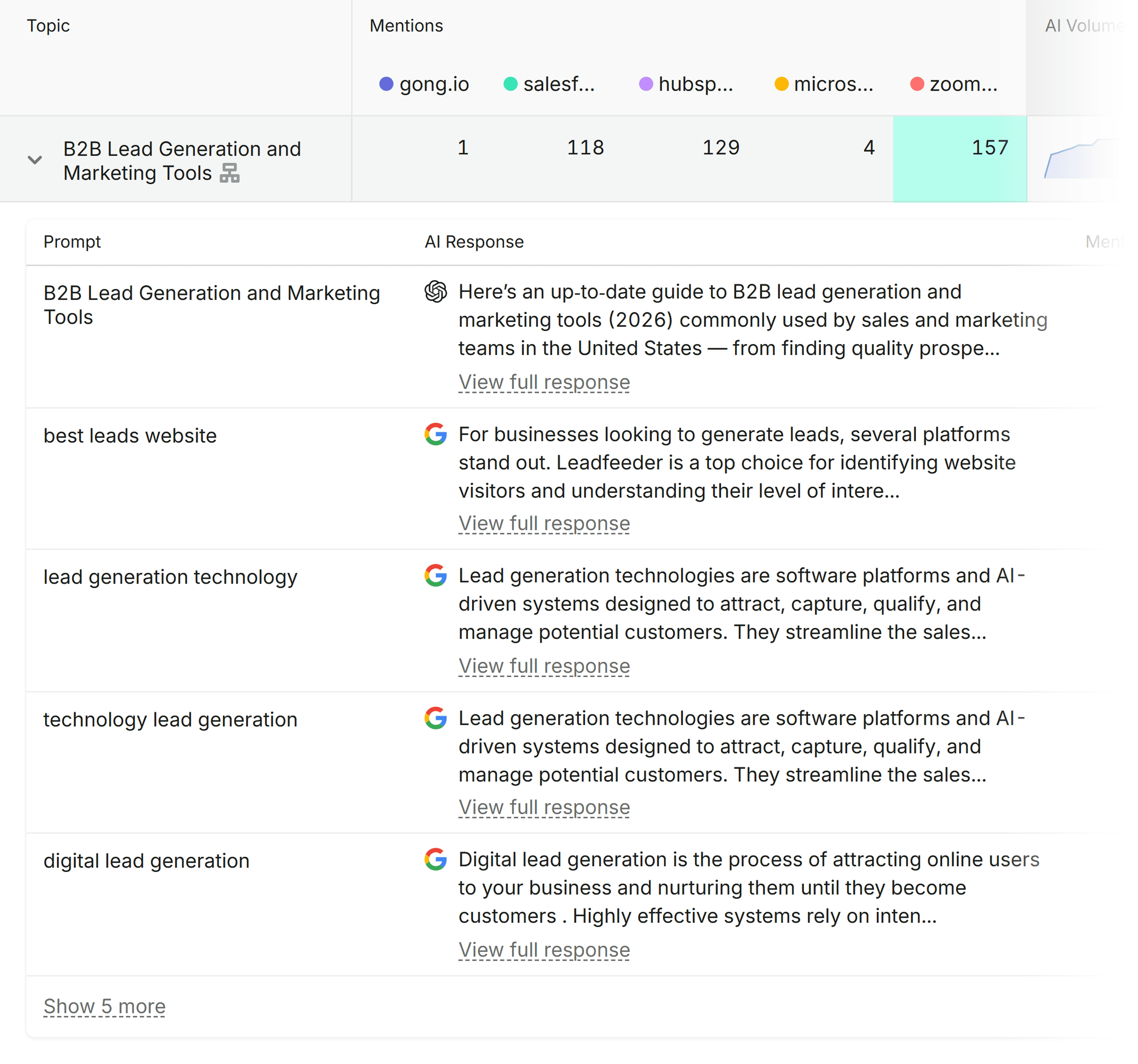
While manual tracking via spreadsheets serves as an effective proof-of-concept for small teams, scaling operations requires automated tooling. Enterprise platforms—such as Semrush’s AI Visibility suite—allow organizations to track exact LLM prompt volumes, analyze competitor positioning, and identify missing source opportunities in real-time.
Conclusion
Prompt tracking is no longer a peripheral experiment for forward-thinking tech firms; it is a core operational necessity for any brand that relies on digital discovery. By shifting focus from static keyword rankings to dynamic, multi-platform AI conversations, organizations can diagnose visibility gaps, safeguard their market reputation, and ensure they remain top-of-mind where modern consumers make their buying decisions.