The digital marketing landscape has undergone a seismic shift in recent years. Driven by the rapid integration of artificial intelligence into search algorithms, evolving user search behaviors, and an increasingly crowded digital marketplace, the role of Search Engine Optimization (SEO) has never been more critical—or more complex.

To understand the current state of the industry, we analyzed data from multiple authoritative sources, including a comprehensive survey of 1,200 small business owners. The findings reveal a multi-billion-dollar industry at a crossroads: while demand for SEO expertise is at an all-time high, client satisfaction remains surprisingly fragile.
The Financial Scale of the Industry
In 2025, the investment in SEO and digital marketing consulting within the United States hit a staggering $119.4 billion. This figure underscores the reality that for most modern enterprises, organic search visibility is no longer a "nice-to-have" marketing channel—it is a core business requirement.
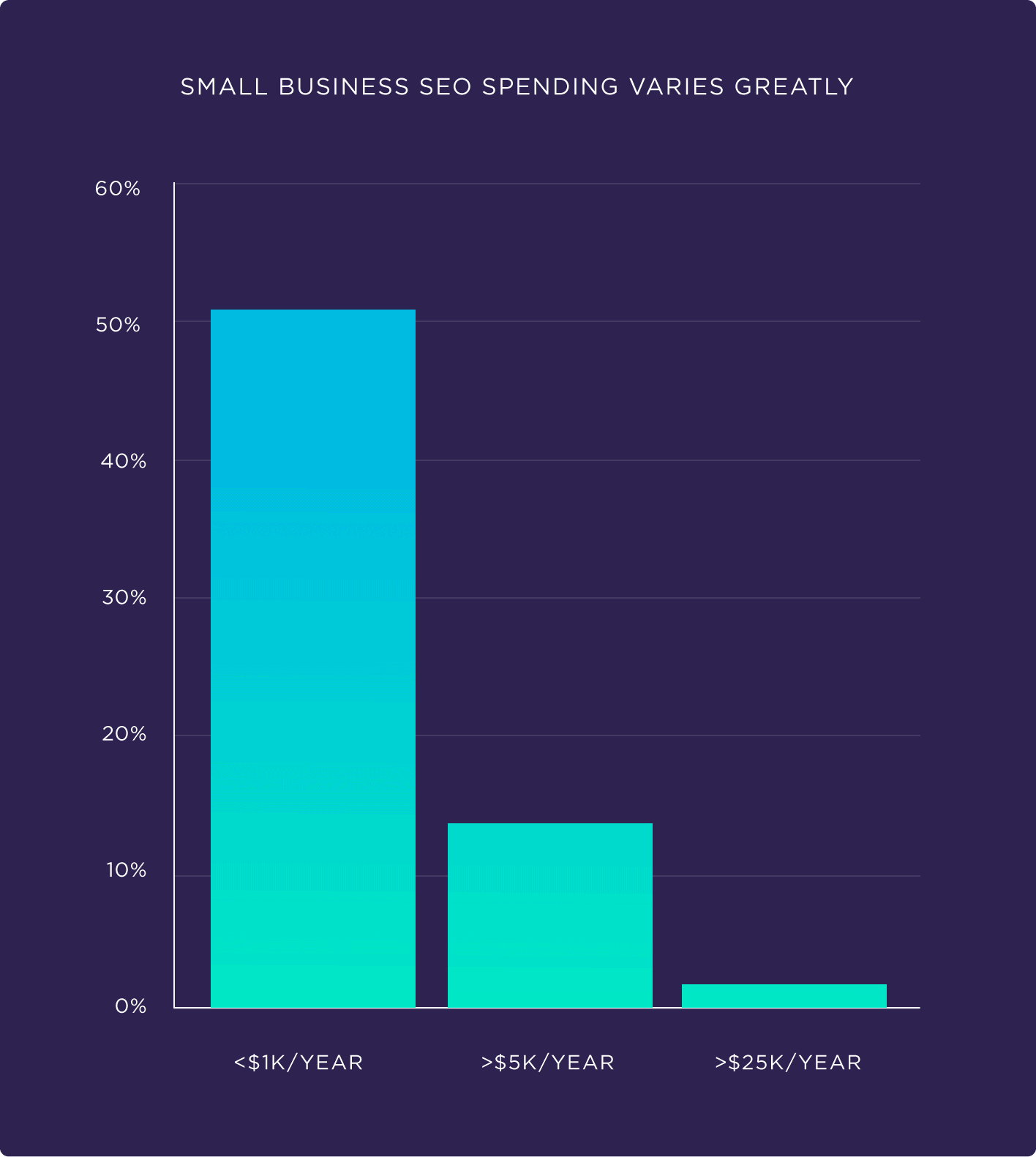
Despite this massive influx of capital, spending habits vary wildly. While major corporations pour millions into organic growth, the average small business continues to operate on a modest budget, spending approximately $497.16 per month on SEO services. Notably, our data shows a stark divide: 50% of respondents report spending less than $1,000 annually, while only 14% invest more than $5,000.
The Agency vs. Freelance Divide
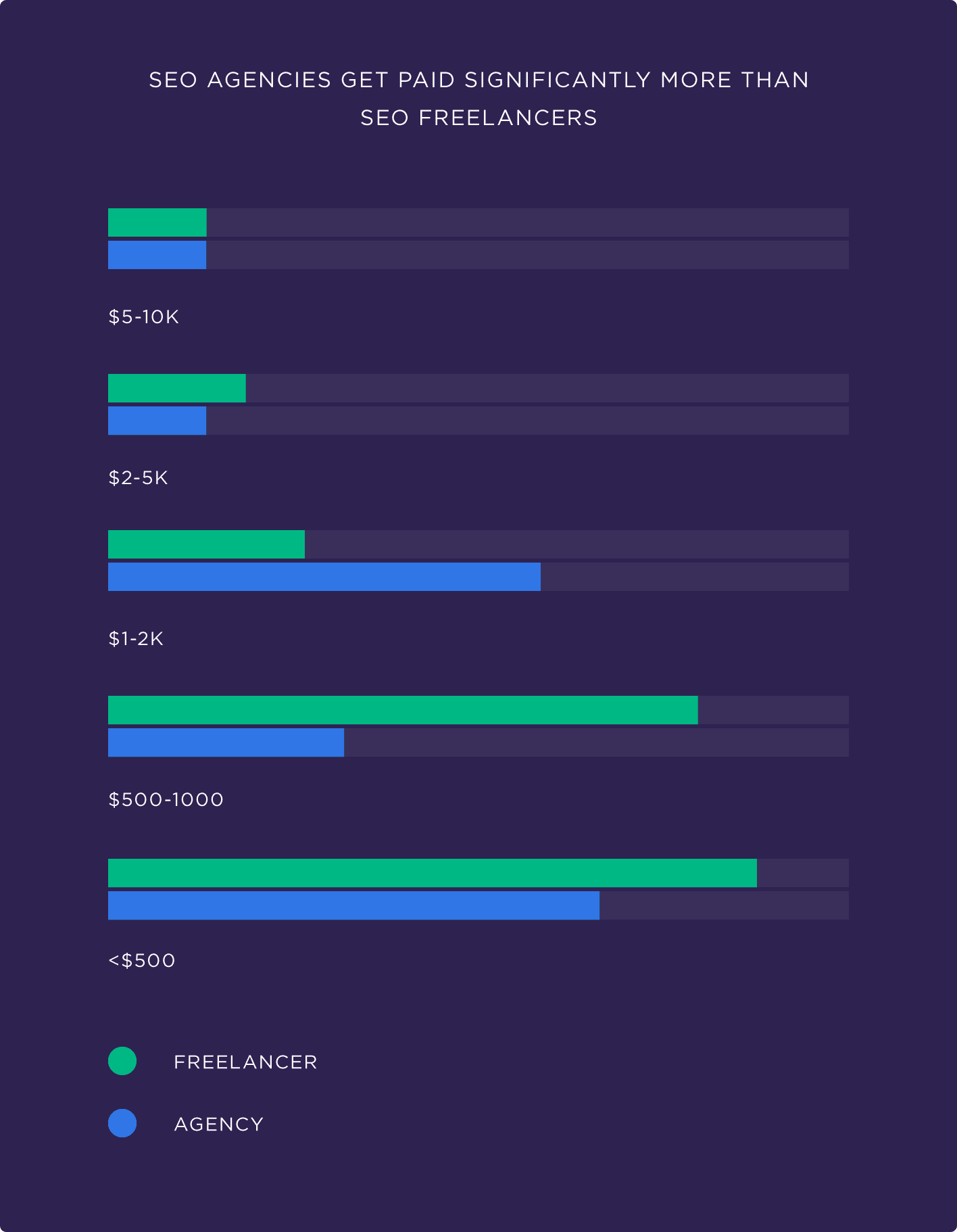
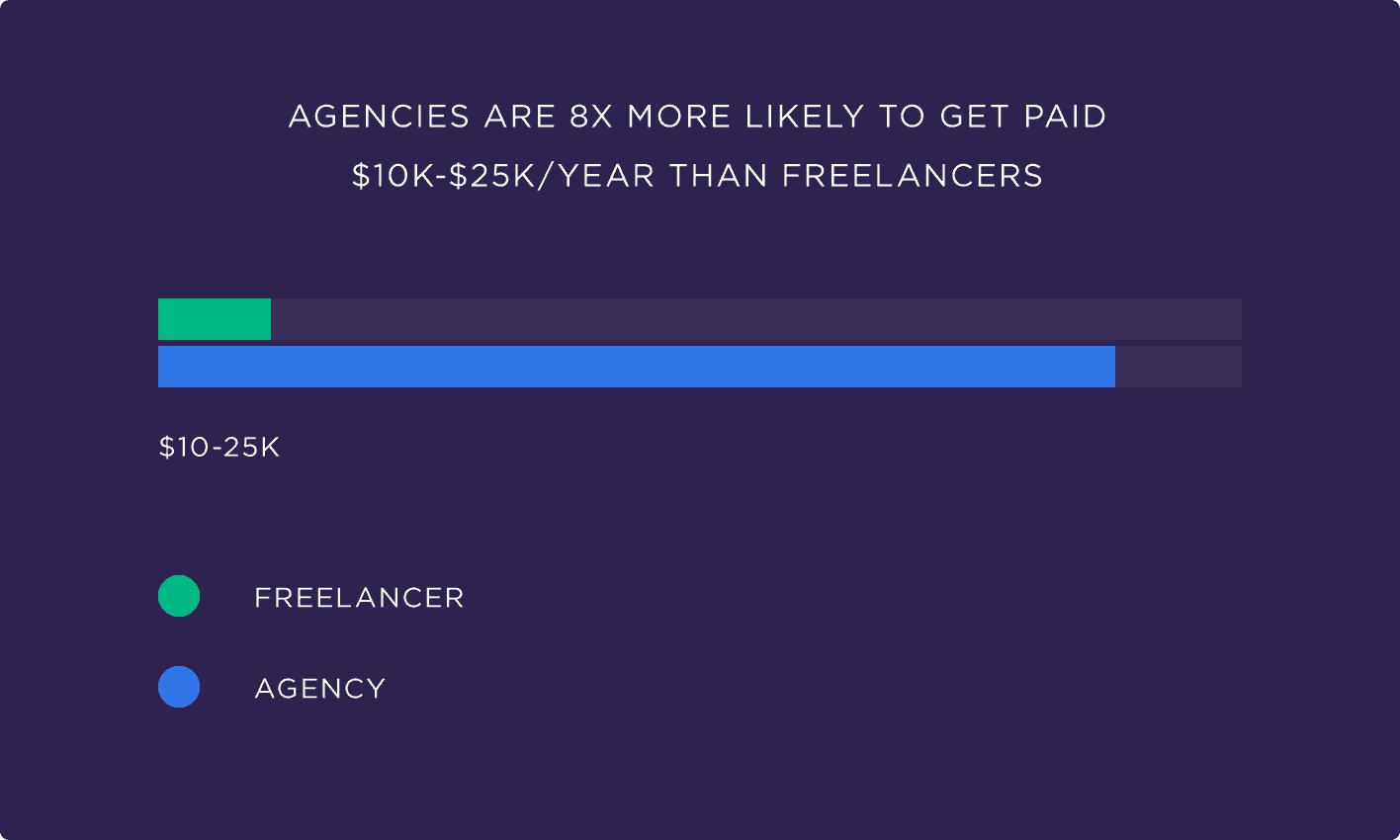
The data indicates that the "size" of the service provider often dictates the scope of the budget. Marketing agencies are twice as likely to secure contracts in the $1,000–$2,000 monthly range compared to freelancers, who predominantly operate in the $500–$1,000 bracket. Furthermore, agencies dominate the high-end market, being eight times more likely to handle accounts spending between $10,000 and $25,000 per year.
Chronology of Client Relationships and Retention
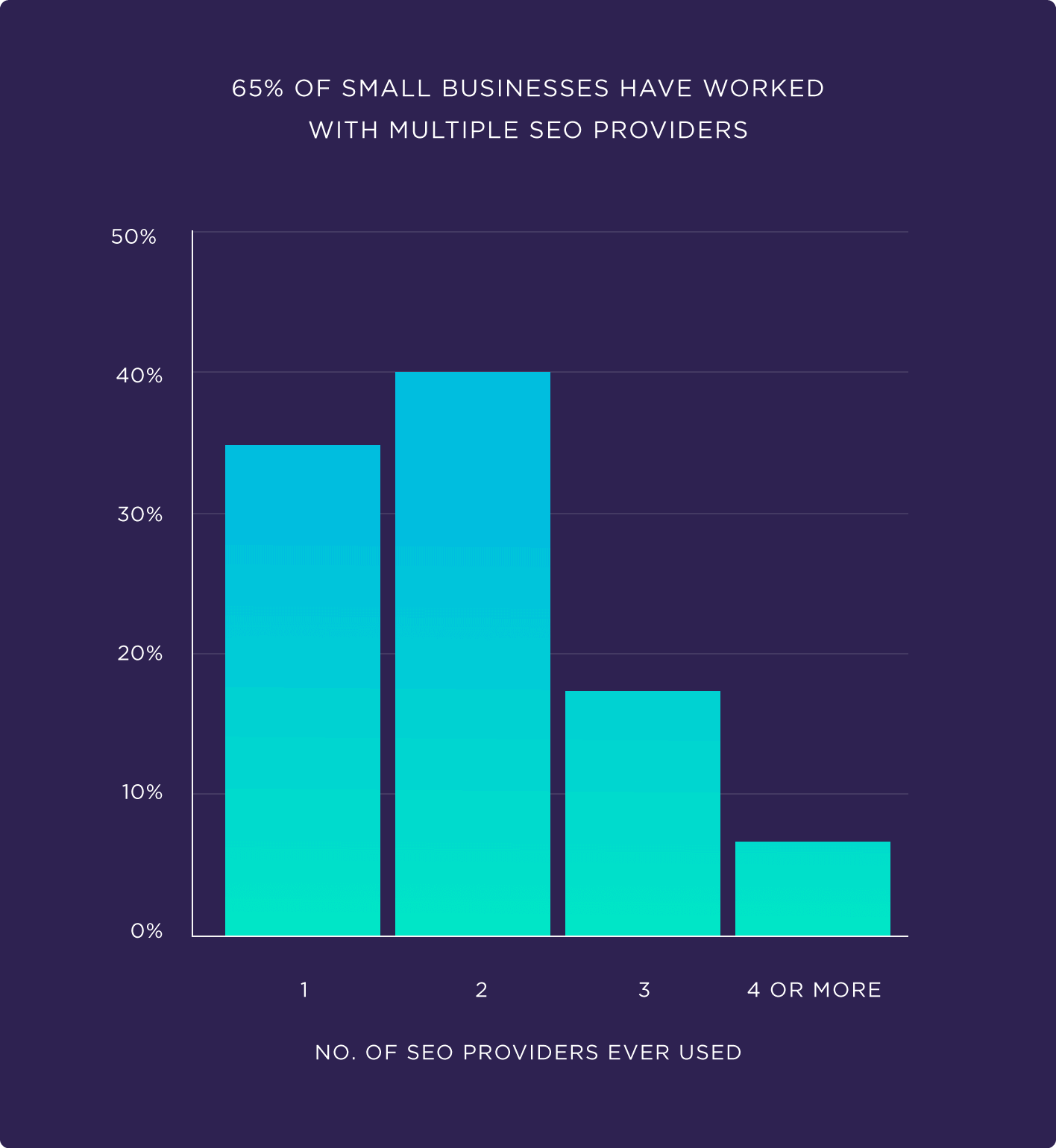
One of the most revealing aspects of the survey is the high rate of turnover. A full 65% of small business owners have worked with multiple SEO providers, and 25% have cycled through three or more. This churn suggests that SEO is a "trial-and-error" service for many businesses.
However, the "rapid switcher" segment—those who hire and fire providers in under a year—represents only 10% of the market. Most clients are actually quite patient, with the average business relationship lasting roughly three years. Lapsed clients—those who have moved on—typically give their providers a two-year runway to produce results before deciding to terminate the contract.
Data-Driven Satisfaction and ROI
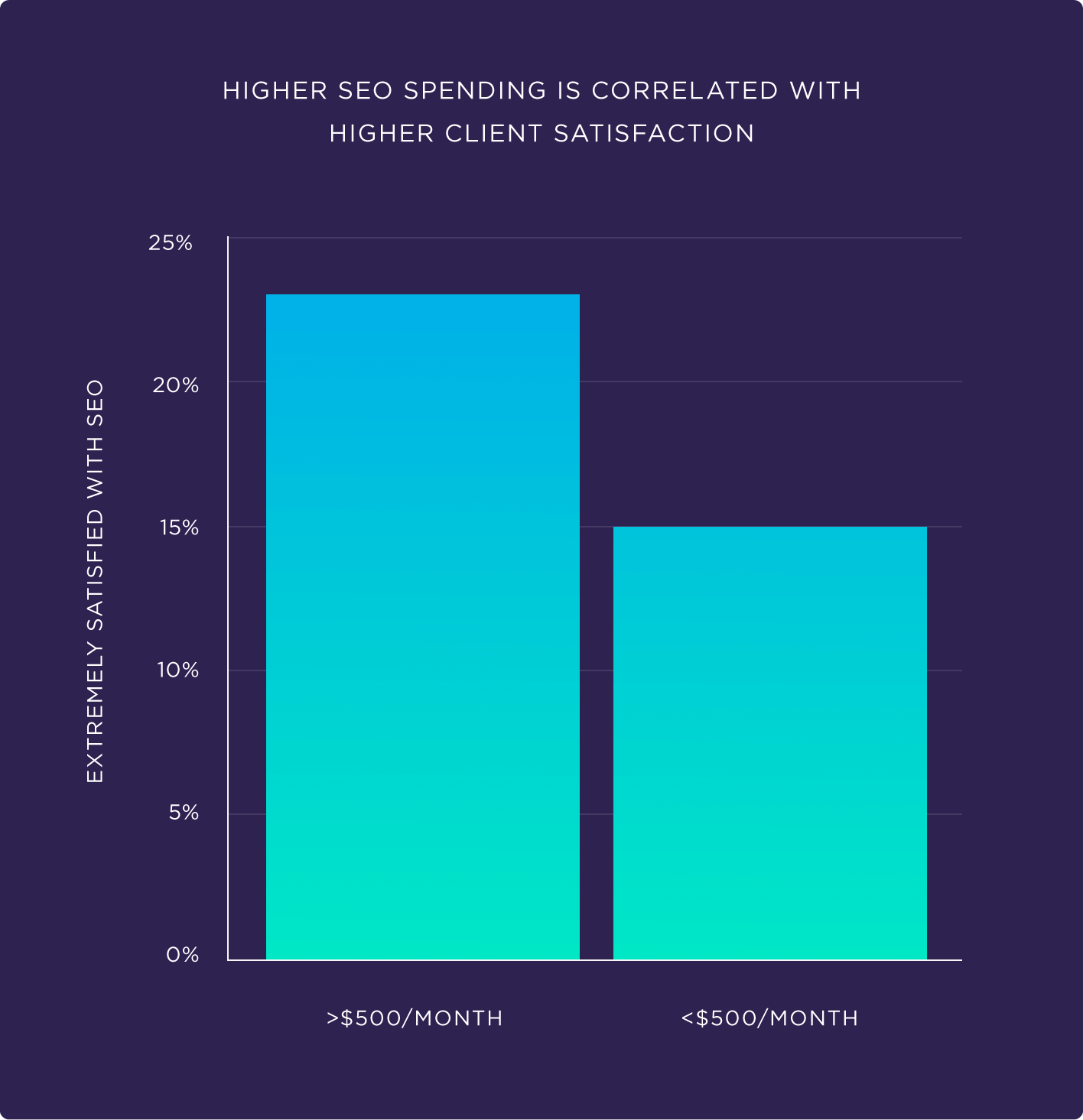
The question of whether businesses "get what they pay for" in SEO can be answered with a resounding "yes." There is a clear, quantifiable correlation between monthly expenditure and client satisfaction.
The Satisfaction Gap
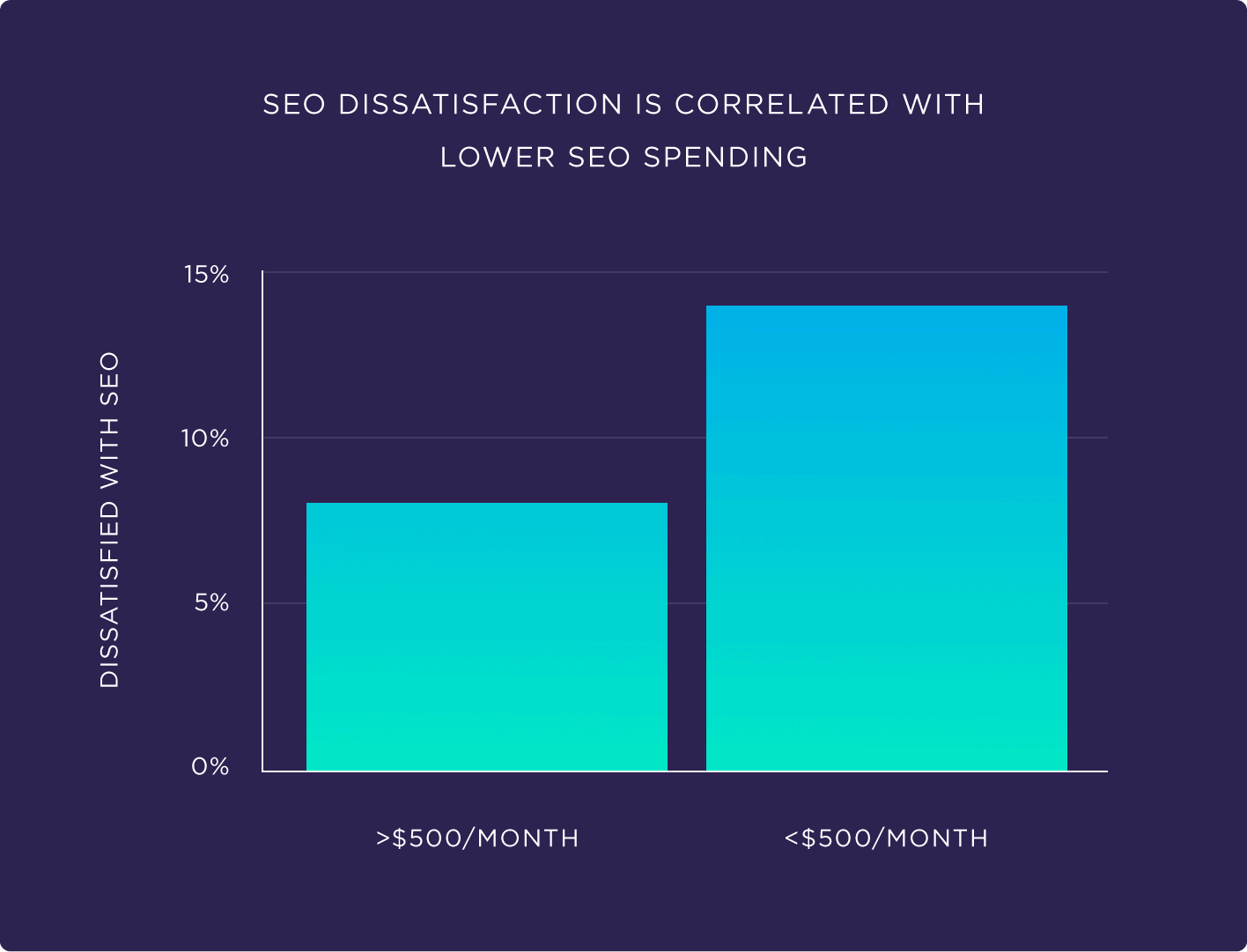
Clients spending over $500 per month are 53.3% more likely to describe themselves as "extremely satisfied" compared to those spending less. Conversely, low-budget clients are 75% more likely to be dissatisfied. This suggests that "budget SEO" often leads to a failure in delivering meaningful results, which subsequently triggers client churn.
ROI by Industry
SEO remains one of the highest-return marketing channels available. On average, businesses can expect an ROI of approximately 22:1. However, the speed at which that ROI is realized depends heavily on the sector:
- Industrial/B2B: Sectors like Industrial IoT and B2B SaaS see break-even points as early as 7 months.
- Professional Services: Legal and financial services typically require longer timelines (9–14 months) to show a positive return.
- E-commerce: Retail-focused SEO often takes around 9 months to hit a break-even point, with a 317% ROI.
The emergence of AI has been a net positive for ROI, with 68% of practitioners reporting a moderate to significant increase in returns due to AI-driven efficiency. Only 1% of respondents claimed that AI had a negative impact on their SEO performance.
Understanding the "Why": The Roots of Low NPS
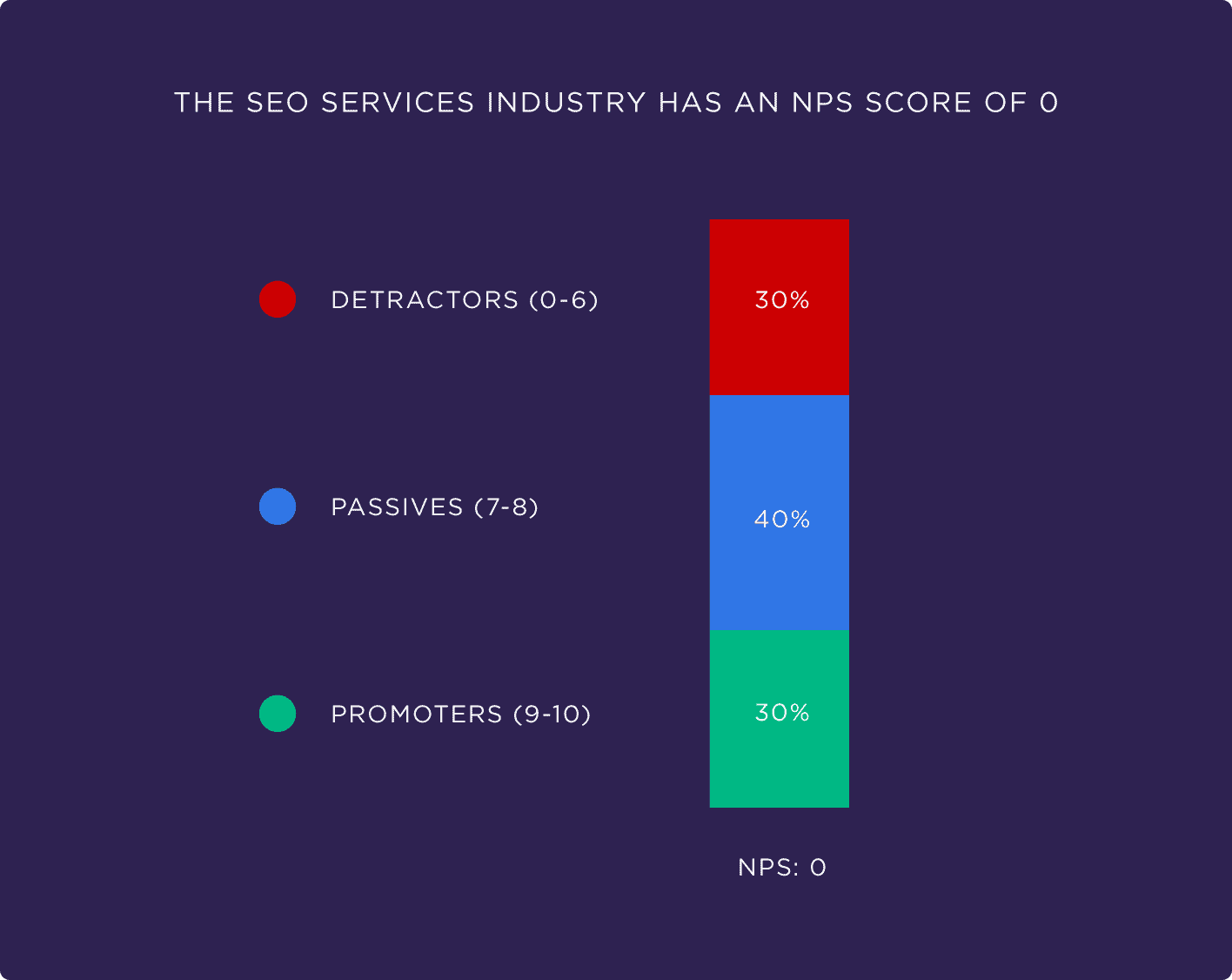
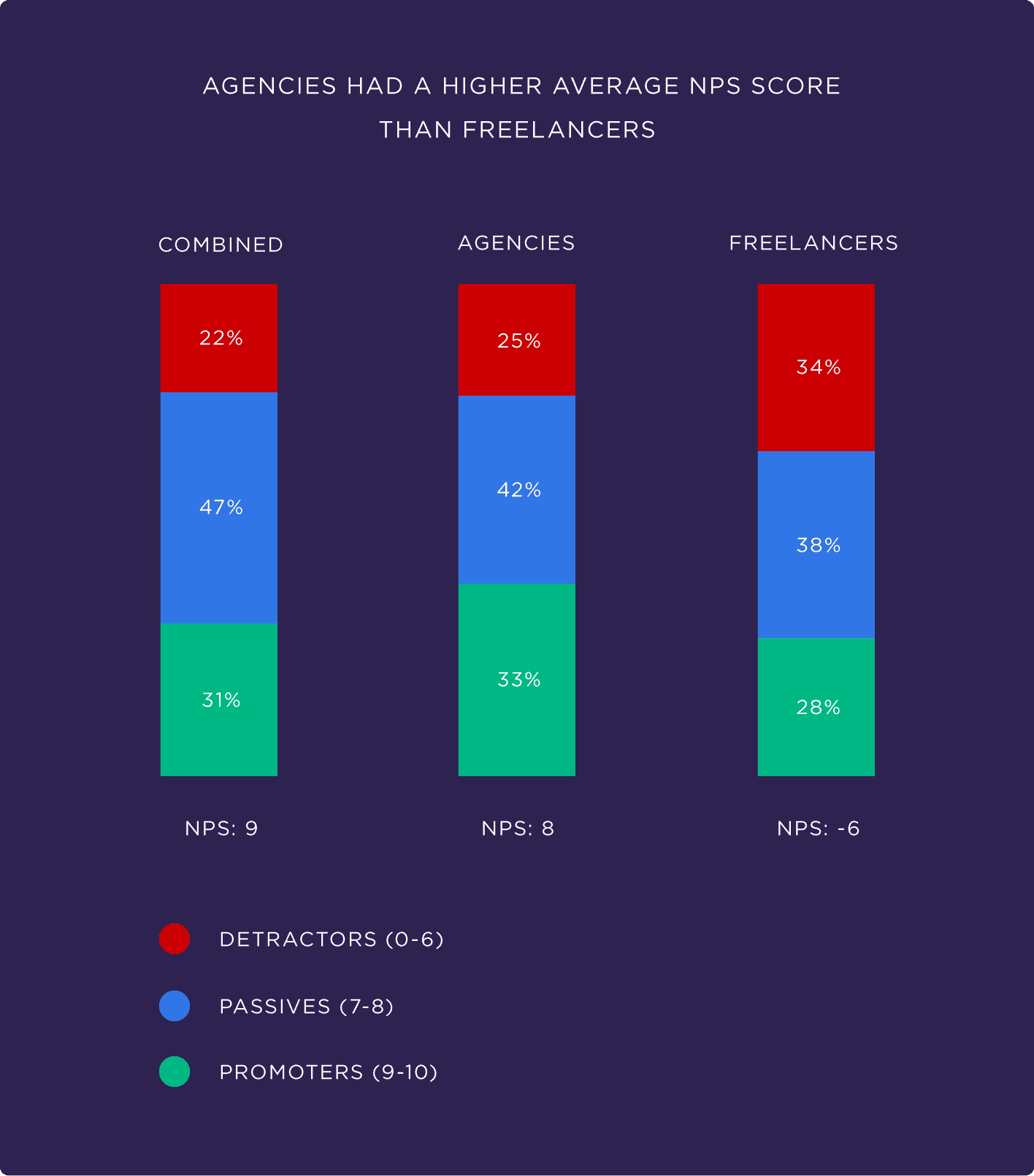
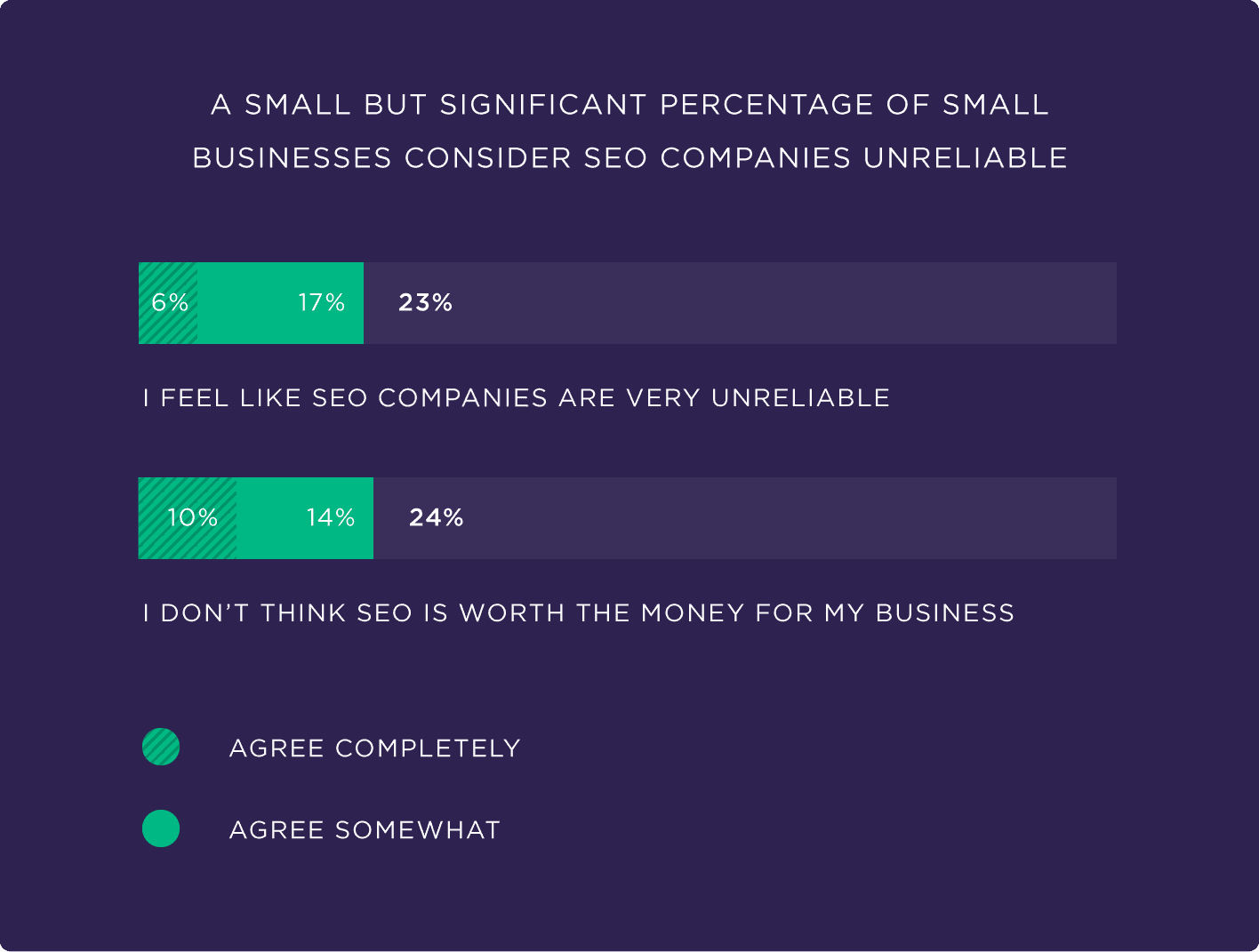
Perhaps the most concerning statistic in our report is that the SEO industry currently holds a Net Promoter Score (NPS) of 0. With only 30% of clients willing to recommend their current provider to a friend, the industry clearly has a "trust and delivery" problem.

The Education Gap
When we dug deeper into why clients are dissatisfied, we found that it is not always a lack of technical competence on the part of the agency. Instead, it is often an education gap.
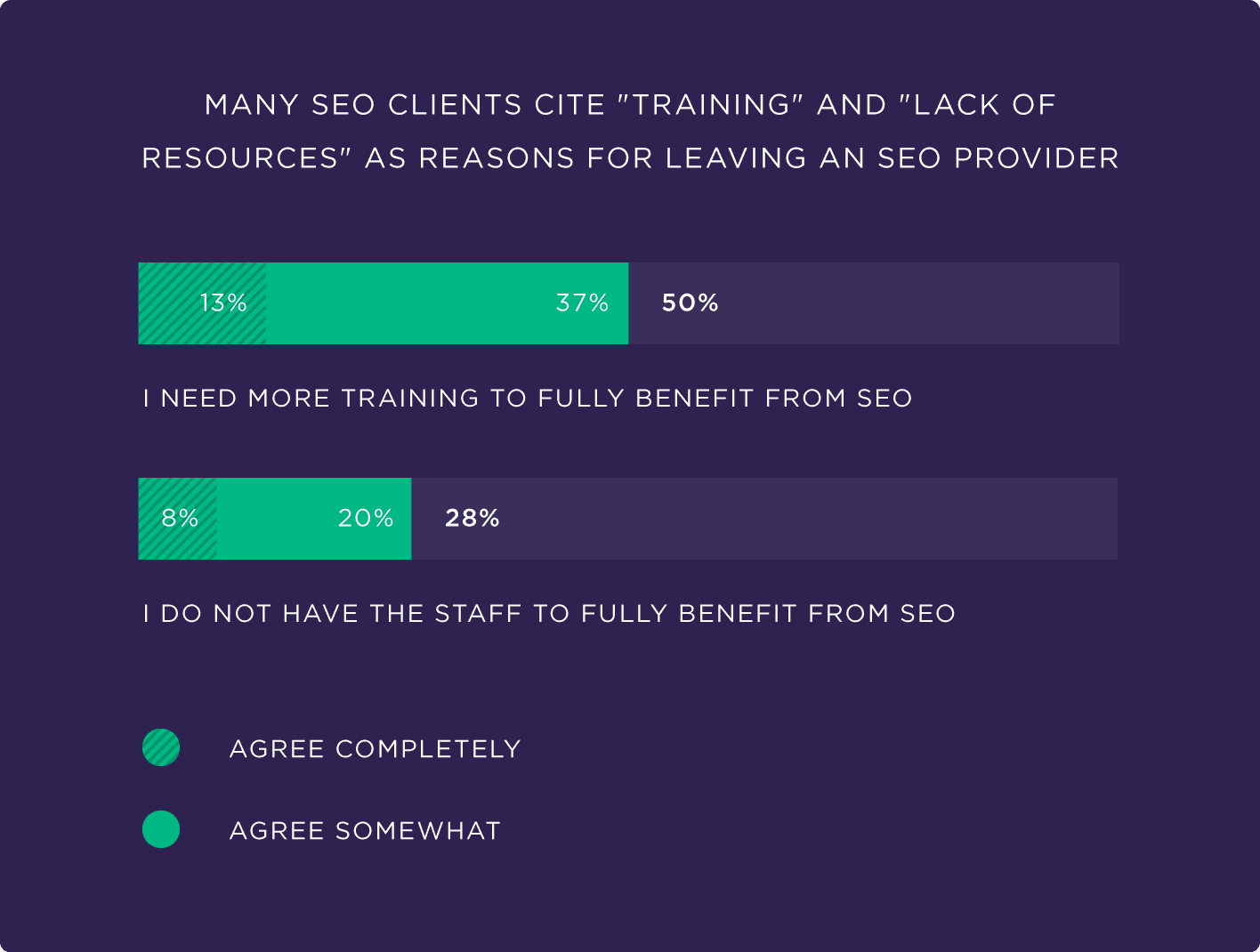
- Self-Blame: 50% of unhappy clients admitted they felt they lacked the training to understand what they were paying for.
- Resource Constraints: 28% confessed they lacked the internal staff to implement the recommendations provided by their SEO agency.
This creates a "stalled progress" loop. An agency suggests a crucial title tag change; the client’s developer is too busy; the client doesn’t understand the impact of the change due to lack of training; the change isn’t prioritized; traffic remains flat; the client becomes dissatisfied.
The Transparency Issue
Confusion is a major driver of churn. 27% of clients find SEO services "confusing," and 25% are unsure exactly what they are paying for. When providers use overly technical jargon—like "canonicalization" or "CSS minification"—without explaining the business value (e.g., "we are helping you get more leads and sales"), they alienate their clients.

Strategic Implications for Providers
For freelancers and agencies looking to improve retention and win new business, the following strategies are essential based on our findings:
1. Master the "Client Language"
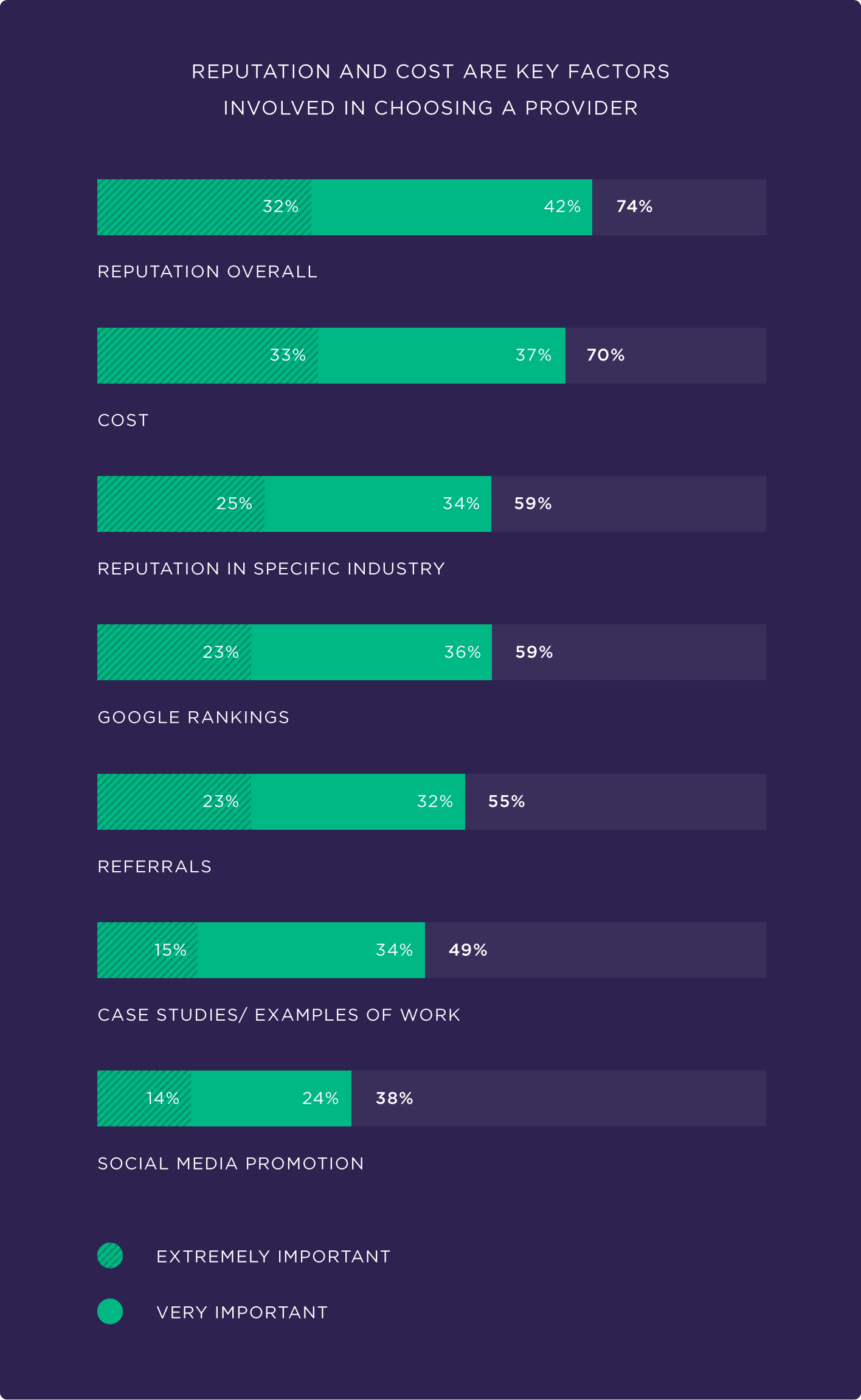
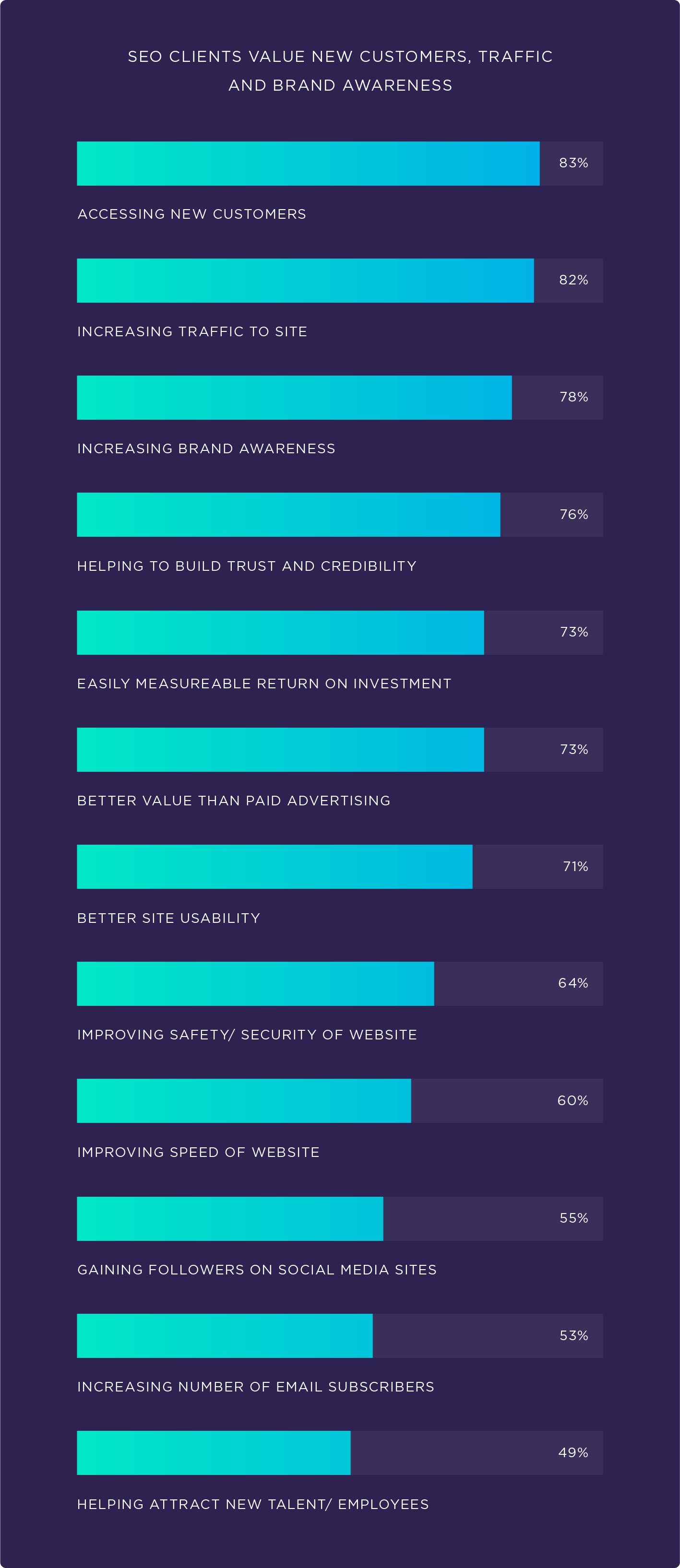
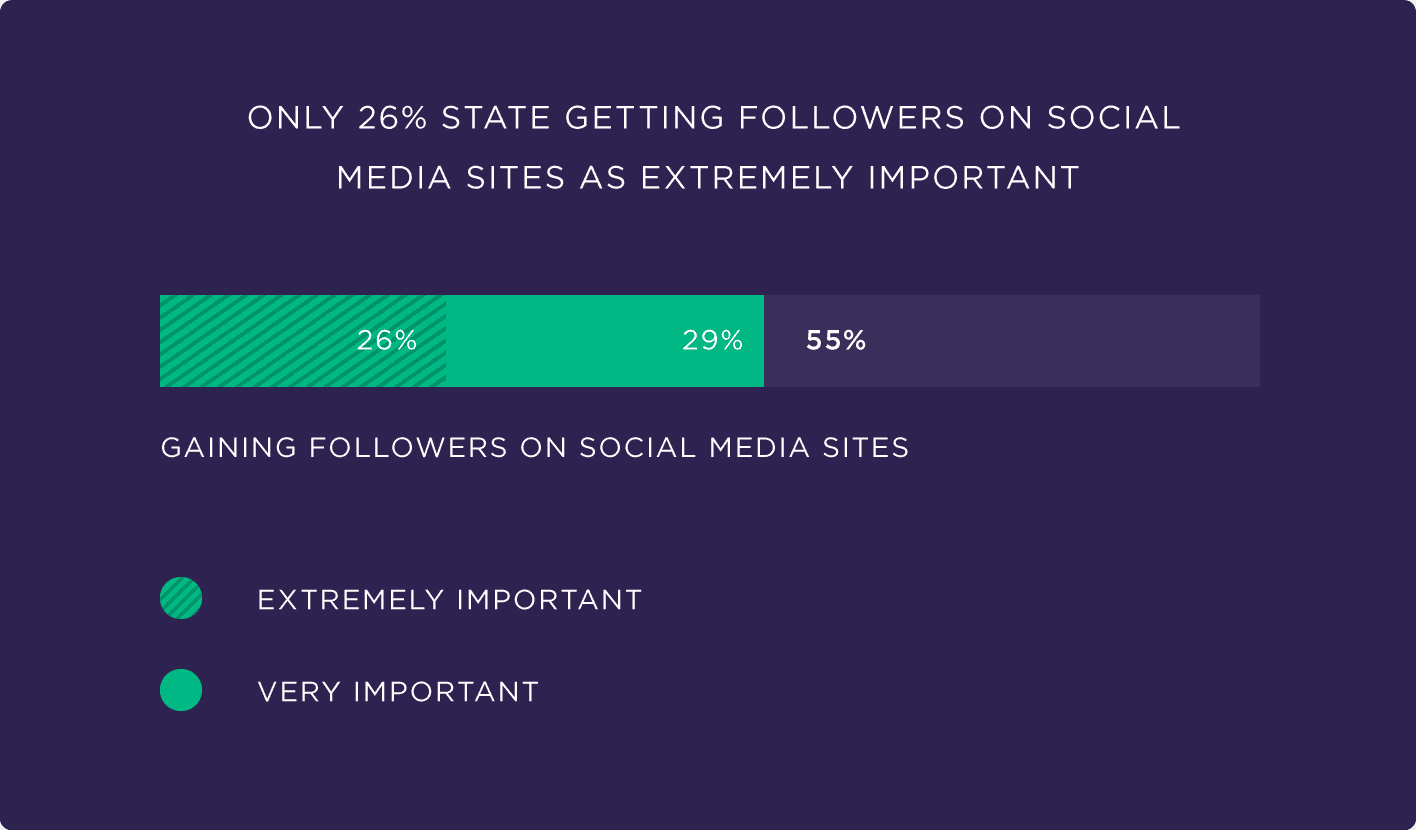
Stop selling "likes" or "followers." Only 26% of clients view social media growth as a top priority. Instead, focus the conversation on "new customers," "targeted traffic," and "Google rankings." Aligning your reporting with the client’s business goals—not just search engine metrics—is the most effective way to prevent churn.
2. Make Your Location Known
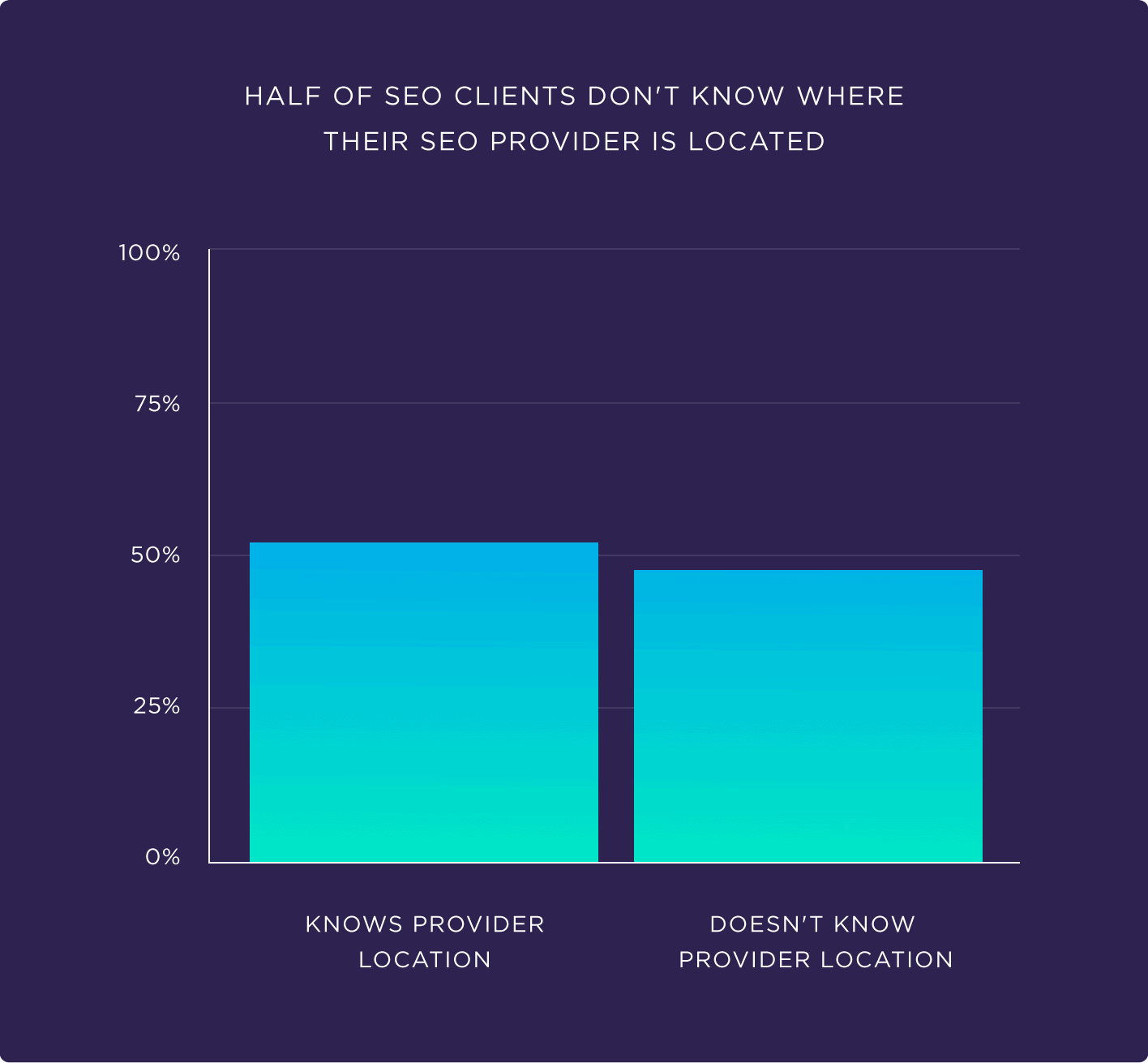
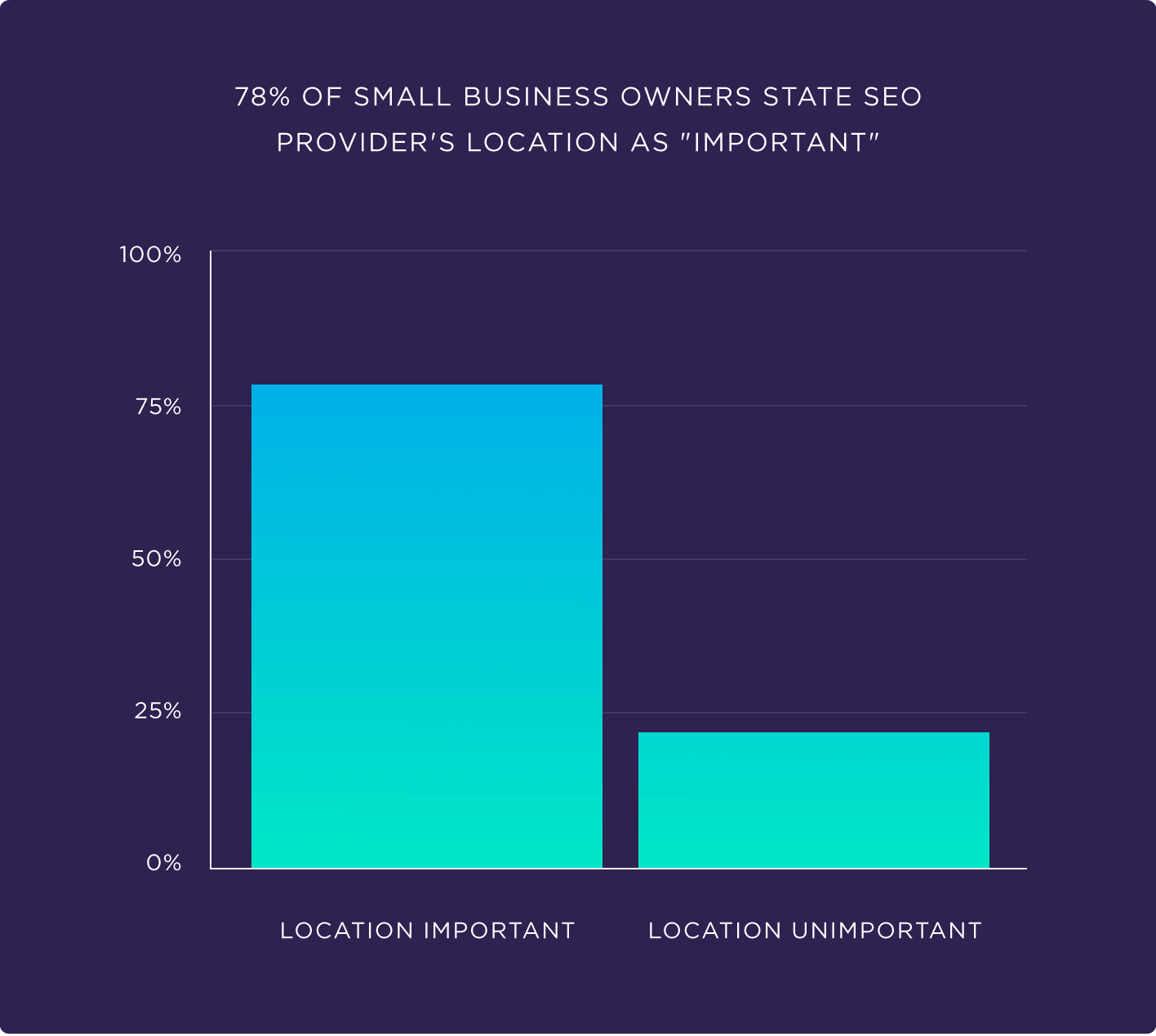
Despite the digital nature of SEO, 78% of US small businesses believe that knowing the physical location of their provider is "very" or "extremely" important. Clearly stating your office location—and even showing photos of your team—can significantly increase conversion rates.
3. Vet Client "Web Savviness" Early
Our data shows that existing, satisfied clients are twice as likely to consider themselves "extremely web savvy" as those who leave. During the discovery phase, assess the client’s technical maturity. If they are not web-savvy, prioritize educational content and simplified reporting to ensure they understand the value of your work.

4. Build a Reputation-First Brand
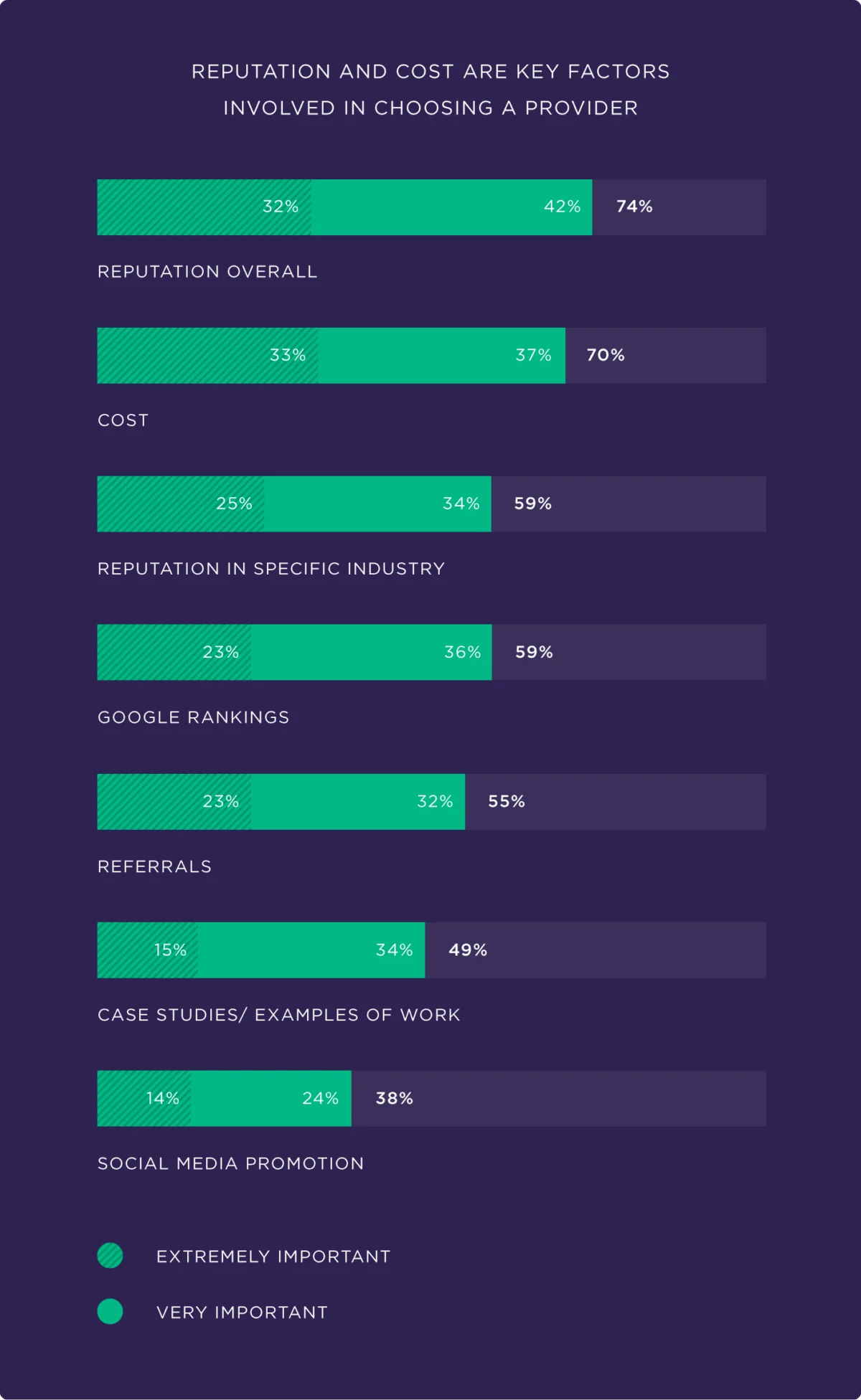
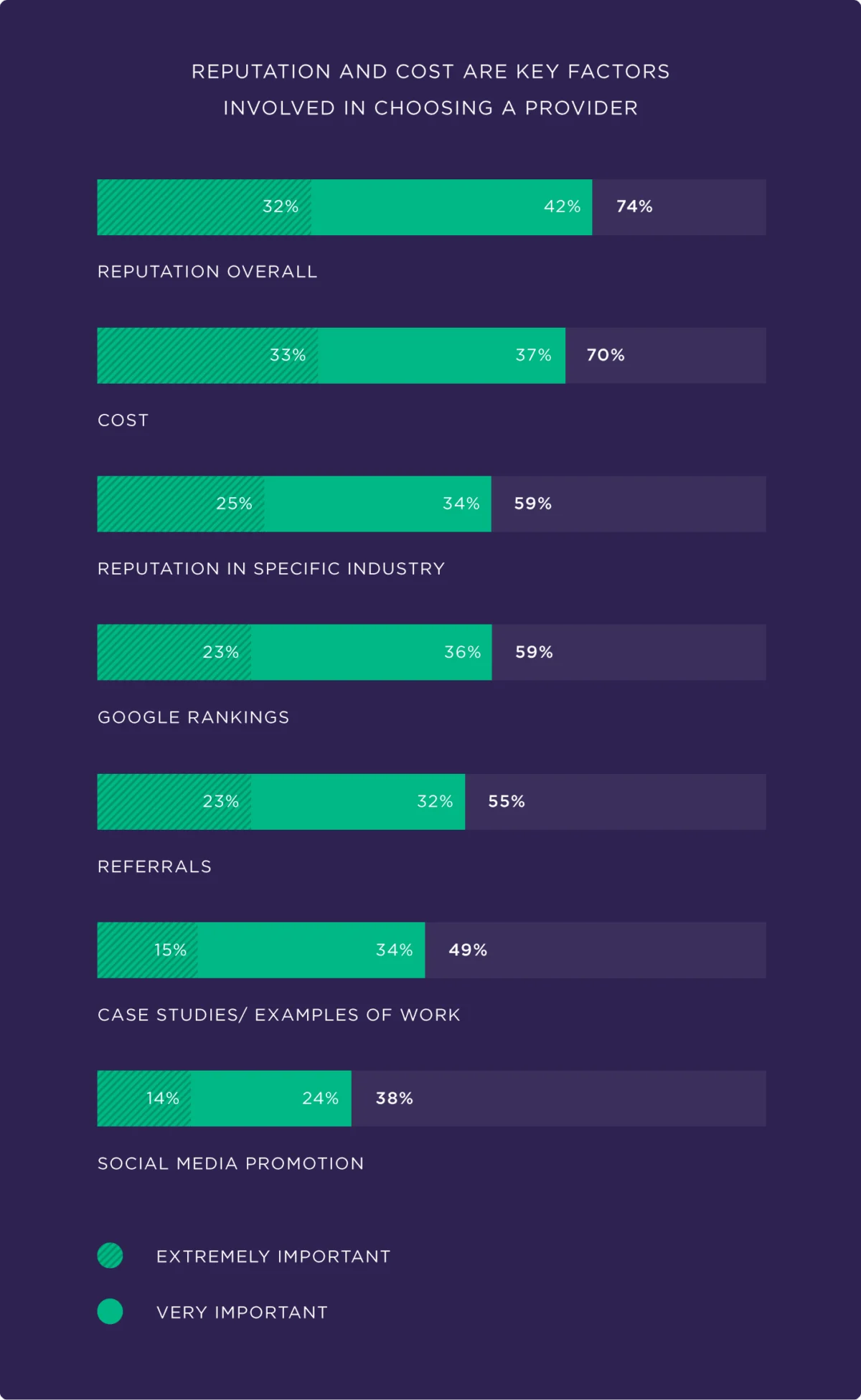
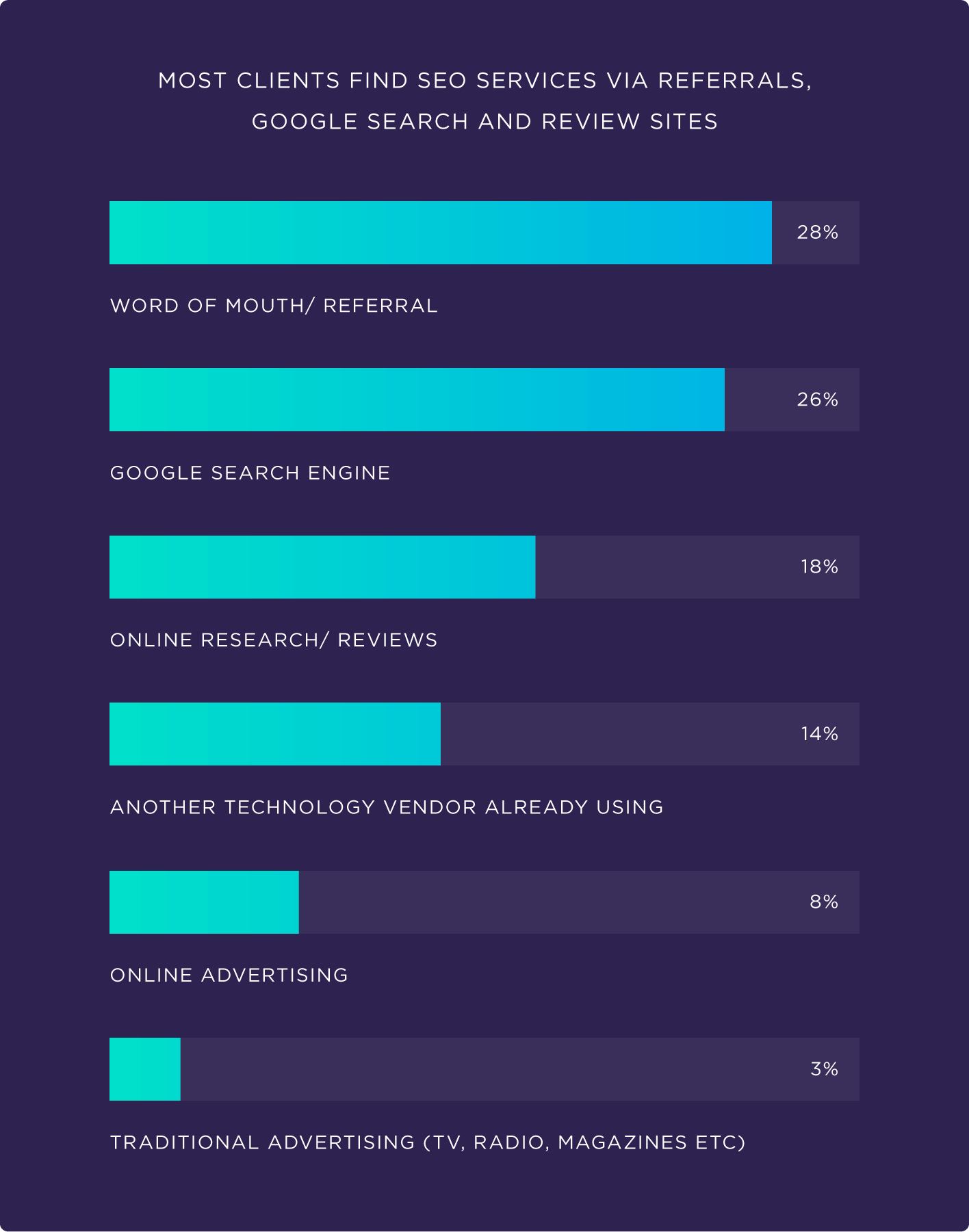
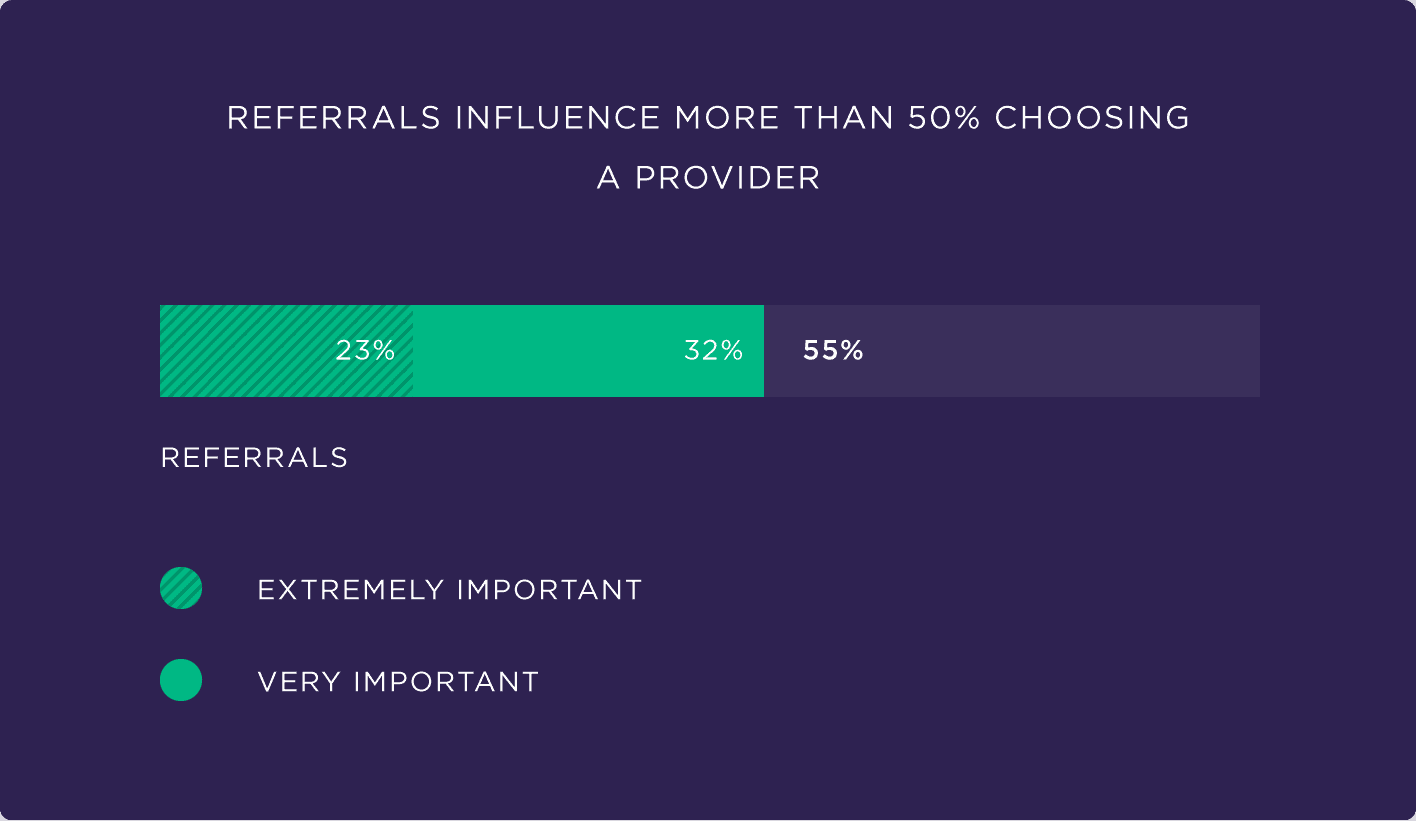
When choosing a provider, 74% of business owners place "reputation" as the most critical factor, far outweighing case studies or social media presence. In an industry with an NPS of 0, a provider with a proven track record of transparency and reliability has a massive competitive advantage.
Conclusion
The SEO industry is currently caught in a cycle of high turnover and low satisfaction, driven largely by misaligned expectations and a fundamental communication gap. However, the data also reveals a clear path forward. Agencies that move away from opaque, jargon-heavy reporting and focus instead on clear, business-driven outcomes—and who take the time to educate their clients—are significantly better positioned to build long-term, high-value partnerships.
As the search landscape continues to evolve under the influence of AI, the agencies that survive will be those that view themselves not just as "search experts," but as partners in their client’s total business growth.