The landscape of digital content consumption has undergone a seismic shift. For over a decade, the mobile-first paradigm dictated how marketers approached video: vertical framing, rapid-fire editing, and "hook-driven" content designed to survive the scroll of a crowded feed. Today, however, that strategy is being challenged by the most traditional of venues: the living room.
YouTube has made its intentions explicit. Through a series of algorithmic adjustments and hardware integrations, the platform is positioning Connected TV (CTV) as its primary theater. For marketers, this is not merely a change in medium; it is a fundamental shift in viewer psychology.
The Main Facts: Why TV is the New Frontline
YouTube is no longer just a destination for short-form clips or mobile tutorials. It has become a dominant force in the household, often surpassing traditional cable networks in daily watch time. As Liron Segev notes in a recent industry analysis, TV is now the number one traffic source for an increasing number of channels.
The transition from a six-inch mobile screen to a 65-inch television changes the "mindset of the consumer." A viewer on a subway is looking for quick, disposable entertainment; a viewer on their couch, having just finished a high-production documentary on Netflix, brings a "studio-standard" expectation to every piece of content they encounter. Marketers who fail to bridge the gap between "creator-authentic" and "television-quality" are finding their engagement metrics suffering as a result.
A Chronological Shift in Strategy
The evolution of the YouTube ecosystem has followed a clear trajectory:
- Phase 1 (The Mobile Era): Content was optimized for "scrollability." High-contrast, busy thumbnails and fast-paced editing dominated the algorithm.
- Phase 2 (The Short-Form Surge): With the rise of TikTok, YouTube pivoted heavily into Shorts, reinforcing the need for instant gratification and aggressive hook structures.
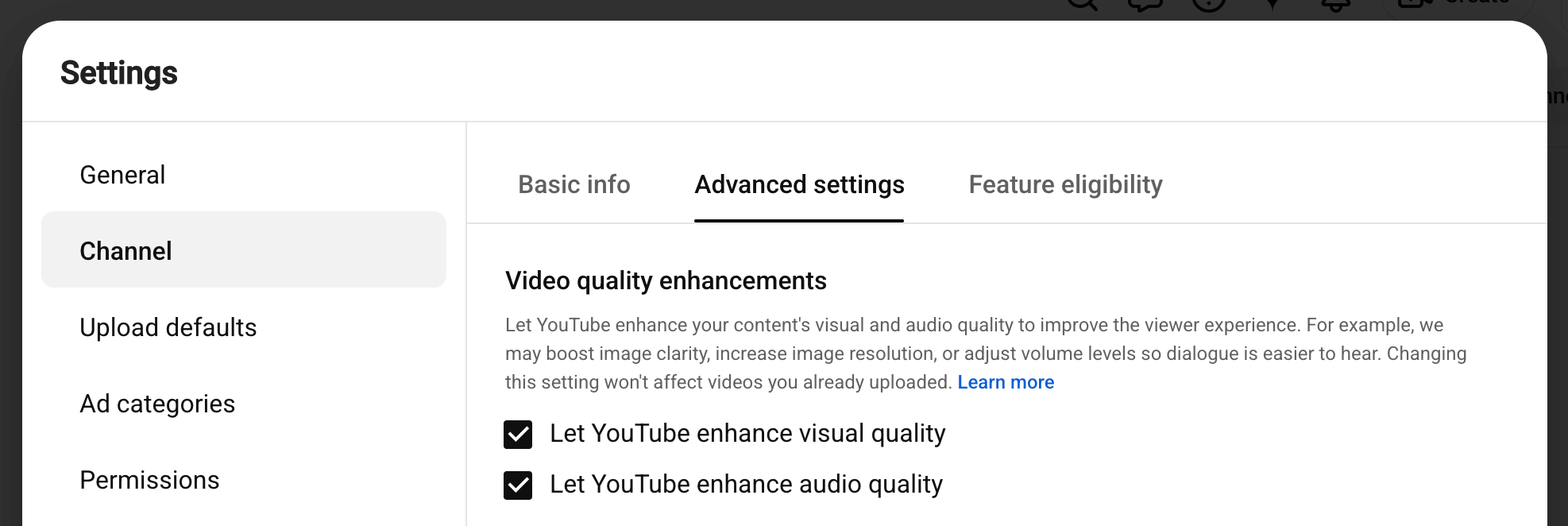
- Phase 3 (The Living Room Integration): Current efforts focus on "lean-back" viewing. YouTube has introduced 4K thumbnail support, AI-powered upscaling, and, most importantly, transactional features like "Buy with Google Pay" that turn the passive viewer into an active consumer without requiring them to pick up a secondary device.
Supporting Data: The Power of the "Unique Reach" Metric
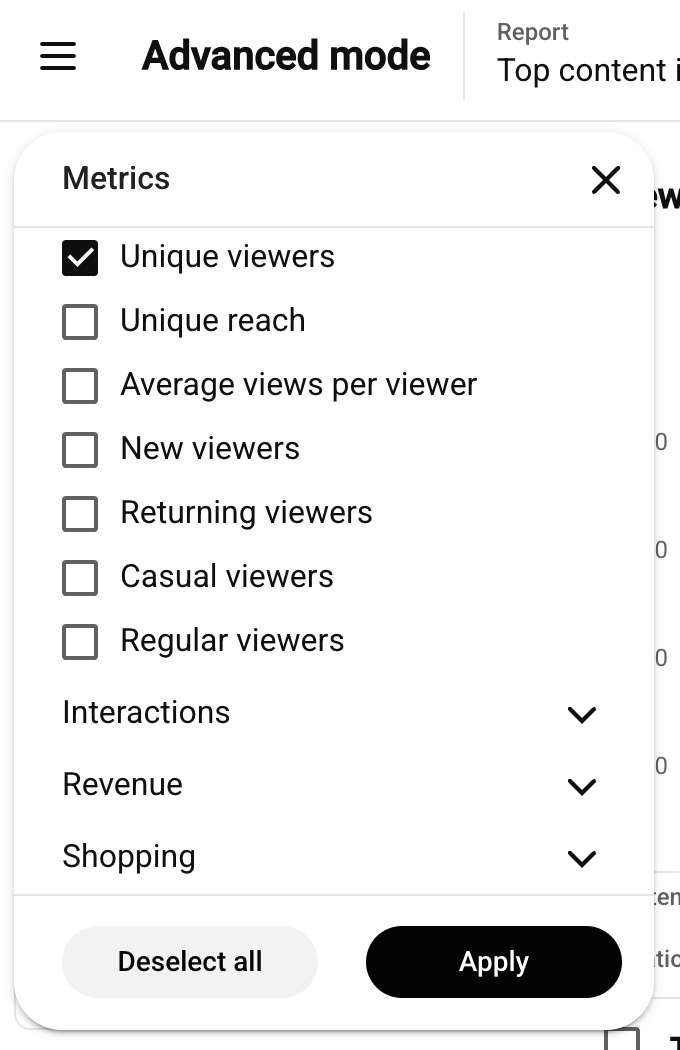
To support this shift, YouTube has introduced the Unique Reach metric. Unlike traditional "views," which count individual logged-in interactions, Unique Reach attempts to estimate the actual number of human beings in the room.
This is a significant departure from standard digital analytics. By analyzing time-of-day data, device types, and video genres, YouTube’s AI can now approximate the "group viewing" effect. For marketers, this is a powerful tool for negotiating sponsorships. If a channel can demonstrate that one "view" on a TV often represents three viewers in a household, the value proposition of that placement triples.
However, experts like Jerry Potter caution that this metric should be viewed as an "indicator" rather than an absolute truth. Marketers should continue to use standard view counts as their baseline for ROI, using the Unique Reach data as a secondary layer to prove the breadth and communal nature of their audience.

Official Perspectives and AI Integration
The technological backbone of this shift is Gemini, YouTube’s multimodal AI model. Through the "Ask YouTube" feature, the platform is moving toward a conversational interface where viewers can query their TVs about the content they are watching.
This creates a new challenge and opportunity for search engine optimization (SEO). AI systems now process not only the audio transcript but also visual cues—on-screen text, lower thirds, and brand assets. If a creator mentions a URL or a specific product, the AI can surface that information during a user’s query. This eliminates the "link in bio" bottleneck that has plagued TV-based marketing for years.
Liron Segev emphasizes that the most successful creators will be those who "speak" to the AI. By naturally incorporating search-friendly, conversational phrases into scripts, creators can ensure their content is indexed correctly as the platform transitions to a voice-search-first environment.
Implications for Marketers: The New Rules of Engagement
1. The "Couch-First" Production Philosophy
The biggest error marketers make is failing to view their own content on a television. A video that looks crisp on a smartphone may appear cluttered or low-resolution on a 65-inch screen. Marketers must now adopt an "episodic" mindset. Gone are the days of the 45-second "quick fix" video. TV audiences are looking for long-form, "infotainment" content—videos that allow the viewer to settle in for an extended period.
2. The Death of the "Link in Description"
On a TV, the description box is virtually inaccessible. The solution? Verbalize the Call to Action (CTA). If a brand wants a viewer to visit a website, the URL must be stated clearly, and it must appear on-screen as a graphic. This allows the AI to link the content to the commerce action, and it allows the viewer to easily remember the destination.
3. Embracing Authenticity over Perfection
Despite the shift to "TV-quality," the demand for authenticity has never been higher. Viewers expect a "hangout" experience. Leaving in minor bloopers or humanizing moments—elements that traditional television would have edited out—now serves to build trust. This is the "creator-to-viewer" connection that Netflix cannot replicate.
4. The Commerce Revolution
With "Buy with Google Pay" becoming standard, the friction of e-commerce is vanishing. Brands selling low-ticket or impulse-buy items should integrate shopping tags directly into their videos. For those selling high-ticket services, the goal is to use the TV presence to build authority and trust, driving the lead to a more formal conversion process elsewhere.
Preparing for the Future
The integration of AI search into the living room marks the end of the "wild west" of YouTube SEO. As Gemini begins to synthesize answers from video content, the creators who provide proprietary data and unique, human-centric insights will be the ones that the AI cites as authoritative sources.

Marketers must stop viewing YouTube as a social media channel and start treating it as a digital broadcast network. The tools are already in place:
- Optimize thumbnails for clarity, not just "loudness."
- Use re-hooks throughout long-form content to re-engage the "second-screen" distracted viewer.
- Structure scripts to answer the "who, what, and where" in the first 100 words.
The move to the living room is a move toward longevity. A television-optimized video is not a flash in the pan; it is a permanent asset that will remain discoverable through AI search for years to come. By aligning content strategy with these new realities, brands can move beyond the ephemeral metrics of social media and into the realm of lasting, household-name influence.
As the lines between traditional broadcast and digital content blur, the brands that embrace this evolution—not as a technological challenge, but as an opportunity to deepen their relationship with the audience—will define the next decade of media.