As search engines evolve from blue links into conversational answer hubs, digital marketers are facing the most disruptive paradigm shift since the birth of SEO. Artificial intelligence models like ChatGPT, Google AI Overviews, and Claude are fundamentally changing how consumers discover brands, products, and services.
To unpack this transformation, a recent deep-dive discussion featured Besmir Bregasi, founder of ZeroRank, alongside industry experts to examine the mechanics of LLM-driven search in 2026. Armed with comprehensive visibility data spanning multiple brands, locations, prompts, and platforms, Bregasi offers a rare look under the hood of answer engine optimization (AEO).
Beyond technical SEO tricks, the data reveals a compelling reality: winning in AI search requires a fundamental pivot toward off-site authority, digital freshness, and real-time community engagement.
Main Facts: The Evolution From Traditional SEO to AEO
For nearly two decades, Besmir Bregasi’s professional life was anchored in traditional Search Engine Optimization (SEO). After spending roughly 15 years immersed in paid advertising and affiliate marketing, Bregasi noticed the digital landscape shifting once again. The rise of LLM traffic presented an emerging market with massive opportunity and comparatively low early-stage competition—echoing the early days of search engine marketing.
This realization catalyzed the creation of ZeroRank, a platform designed to track and optimize how brands are cited inside AI-driven search experiences.
The core takeaway from ZeroRank’s proprietary data is clear: traditional on-site SEO is no longer enough. While a technically sound website remains a mandatory baseline, the primary drivers of LLM visibility are off-site signals. Large language models synthesize data from a diverse web ecosystem, heavily prioritizing third-party reviews, niche editorial mentions, and real-time social conversations over static web pages.
The Breakdown of AI Visibility Influence
- Off-Site & User-Generated Content (UGC): Approximately 60% to 70% of LLM citation influence is driven by external conversations, community forums, and social reactions.
- Traditional SEO & On-Site Foundations: Roughly 30% stems from conventional search signals, technical optimization, and authoritative domain architecture.
Chronology: Building ZeroRank from Concept to Mid-Six Figures in ARR
The trajectory of ZeroRank itself serves as a masterclass in modern software-as-a-service (SaaS) execution, characterized by aggressive timelines, strategic pivots, and rapid market validation.
1. The Three-Month MVP Sprint
When Bregasi and his co-founder, Kelvin Çobanaj (who stepped down from a lucrative CTO role in the crypto sector to join full-time), decided to build ZeroRank, they imposed a strict three-month deadline to launch the first version. Leveraging their combined experience from past entrepreneurial ventures—including scaling online communities and conferences—they quickly developed a Minimum Viable Product (MVP).
A critical early product decision involved data collection architecture. Bregasi recognized that relying solely on standard LLM APIs would yield skewed results. Because AI responses vary wildly by geographic location and user context, the team engineered a proprietary method to capture multi-market data accurately.
2. The AppSumo Customer Acquisition Bet
With the MVP operational, ZeroRank needed a massive influx of users to stress-test the platform and provide actionable feedback. The founders turned to AppSumo as an early customer acquisition channel.
The strategy yielded explosive results:
- ZeroRank surpassed 1,000 active users rapidly.
- It climbed to become one of AppSumo’s top-selling products during its debut month.
- The tool maintained a five-star rating at the time of the interview.
Rather than viewing the AppSumo campaign as an immediate profit center—the offer was priced around break-even, with founders acknowledging a minor financial loss per user over time—Bregasi treated it as a calculated marketing expenditure. The real ROI materialized through product feedback, widespread brand awareness, and an organic referral loop that continuously feeds the top of the funnel.
3. Scaling to Mid-Six Figures in ARR
Just over a year after its inception—with the primary customer acquisition push occurring only months prior—ZeroRank successfully scaled to mid-six figures in Annual Recurring Revenue (ARR). The team expanded rapidly during the AppSumo phase and is now setting its sights on the next phase of growth.
Supporting Data: What the Numbers Tell Us About AI Citations
Tracking visibility inside LLM-driven experiences presents a unique technical hurdle: personalization. Two distinct users can type identical prompts into ChatGPT or Google AI Overviews and receive entirely different answers based on their geographic location, search history, device type, and account variables.
How ZeroRank Solves LLM Personalization
To combat this volatility, ZeroRank avoids treating any single AI response as definitive. Instead, the platform executes queries across massive matrices of accounts, locations, and variable combinations to isolate recurring patterns.
By establishing a baseline visibility score, businesses can execute marketing experiments, re-run queries, and track directional improvements over time. This data-driven approach shifts the focus from chasing single keyword rankings to building holistic, systemic brand visibility.
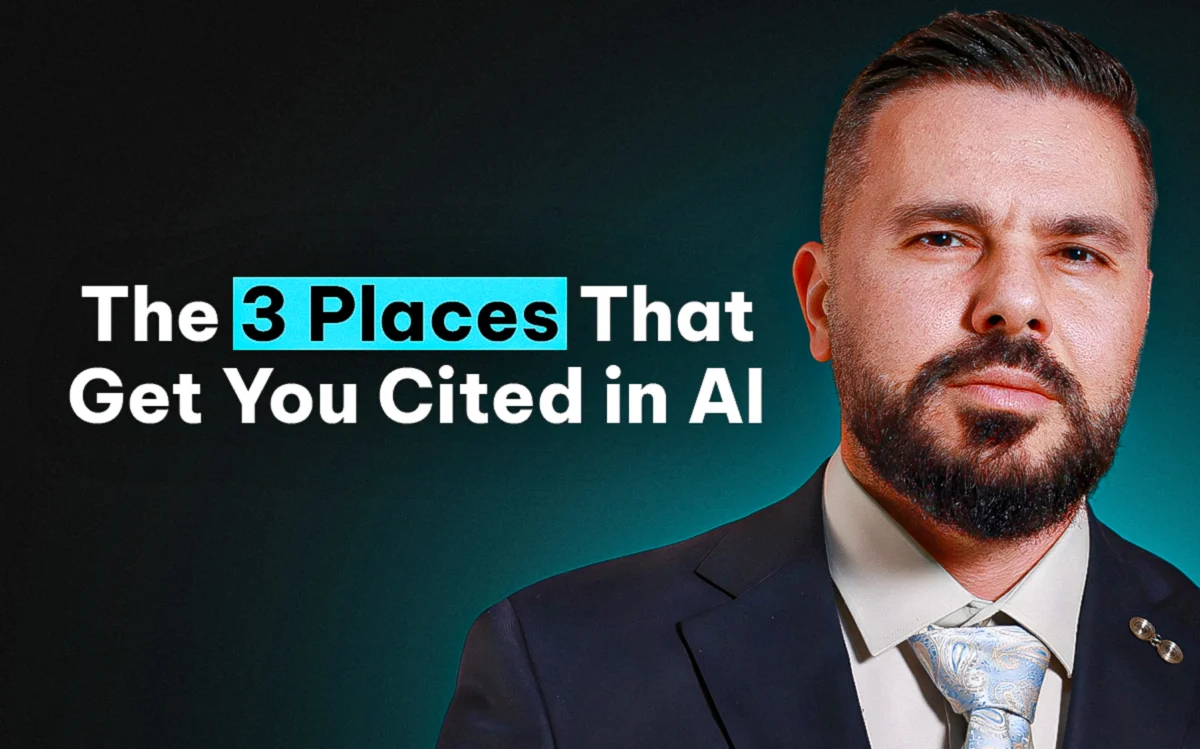
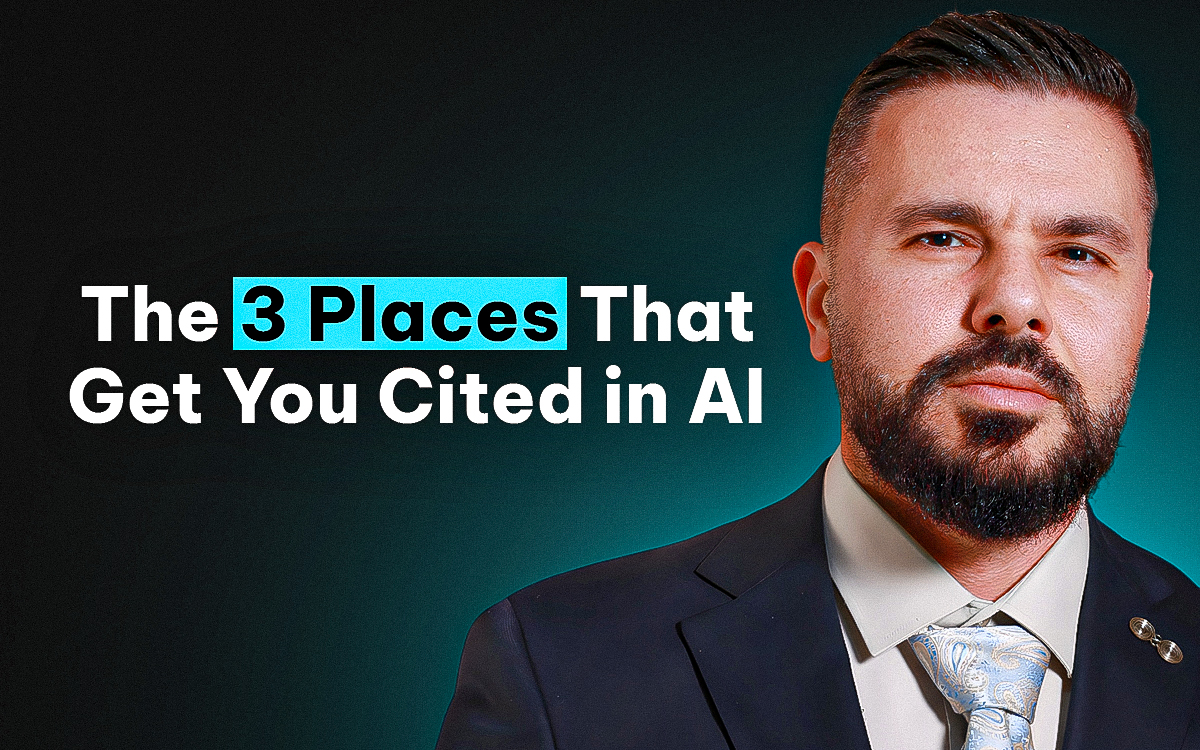
The Top Three Platforms Driving AI Citations
According to ZeroRank’s multi-platform dataset, three primary channels exert the most profound influence on LLM citations:
- Reddit: Despite fluctuations in visibility over the years, Reddit remains a massive citation source for AI models. LLMs heavily weigh thread quality, historical context, and authentic peer-to-peer discussions, making genuine community participation far more valuable than blatant self-promotion.
- X (formerly Twitter): X excels at generating rapid information and real-time engagement. In one notable ZeroRank experiment, utilizing promoted posts helped jump-start brand visibility for accounts lacking an established organic audience—proving that initial paid amplification can spark the momentum needed to catch an LLM’s attention.
- YouTube: Particularly influential within Google AI Overviews, YouTube acts as both a direct media platform and an authoritative third-party data source. Fresh video content that attracts immediate comments, likes, and community engagement shortly after publication sends strong signals to AI crawlers.
The Power of Digital Freshness
Of all the variables analyzed, ZeroRank’s data highlights freshness as the ultimate competitive advantage. AI models consistently favor recent, highly active discussions over stagnant archives of older content. A brand with a massive, outdated history of web mentions will frequently lose visibility to a younger competitor generating real-time, interactive discussions across active social channels.
Official Perspectives: Navigating the Intersection of Local Search and AEO
One of the most compelling case studies highlighted during the discussion involved a vacation rental company attempting to capture market share in a highly competitive European travel destination. Struggling to outrank entrenched legacy competitors through traditional local SEO, the business shifted its strategy toward conversational and community-driven platforms.
The Localization Playbook
The company began actively participating in localized discussions, publishing content in Italian across regional Reddit boards and X threads. According to Besmir Bregasi, this targeted, grass-roots approach yielded dramatic visibility gains inside AI search queries for that specific geographic region.
This case study proves that local businesses possess unique opportunities outside traditional map packs and localized landing pages. By aligning language, physical location, platform selection, and topical relevance, brands can successfully inject themselves into the localized training data harvested by modern LLMs.
The On-Site Baseline
While off-site dynamics command the spotlight, on-site technical health remains a non-negotiable prerequisite. Bregasi emphasizes that modern websites must prioritize:
- Clean Technical Architecture: Ensuring LLM crawlers can easily access, parse, and index site content.
- Structured Data & Schema Markup: Providing explicit context that helps AI systems understand entity relationships.
- Content Clarity: Publishing concise, informative resources that reduce friction for automated scrapers.
However, Bregasi issues a stark warning to site owners: once the technical baseline is established, spending endless hours micro-adjusting on-page parameters yields diminishing returns. The true leverage lies in cultivating off-site authority that brands cannot easily manipulate directly.
Implications: The Future Strategy for Publishers and Marketers
The transition from SEO to AEO marks a permanent evolution in digital marketing. For business owners, web publishers, and digital strategists, adapting to this new landscape requires a fundamental shift in resource allocation.
Key Strategic Takeaways:
- Abandoning SEO is a Mistake: Traditional search engines remain part of the broader information layer that LLMs pull from. SEO and AEO are complementary forces rather than mutually exclusive strategies.
- Invest in Ecosystems, Not Just Publications: Writing another blog post on your own domain helps, but sparking a conversation worth discussing on Reddit, X, YouTube, or a respected niche editorial site carries exponentially greater weight with AI engines.
- Embrace Experimentation: Because AI visibility fluctuates based on numerous variables, marketers must treat AEO as an ongoing testing framework. Establish a baseline, test off-site initiatives, measure directional movement, and double down on what works.
As artificial intelligence continues to redefine how humanity accesses information, the brands that thrive will not be those that merely optimize for algorithms, but those that build genuine, vibrant footprints across the digital communities where real conversations happen.