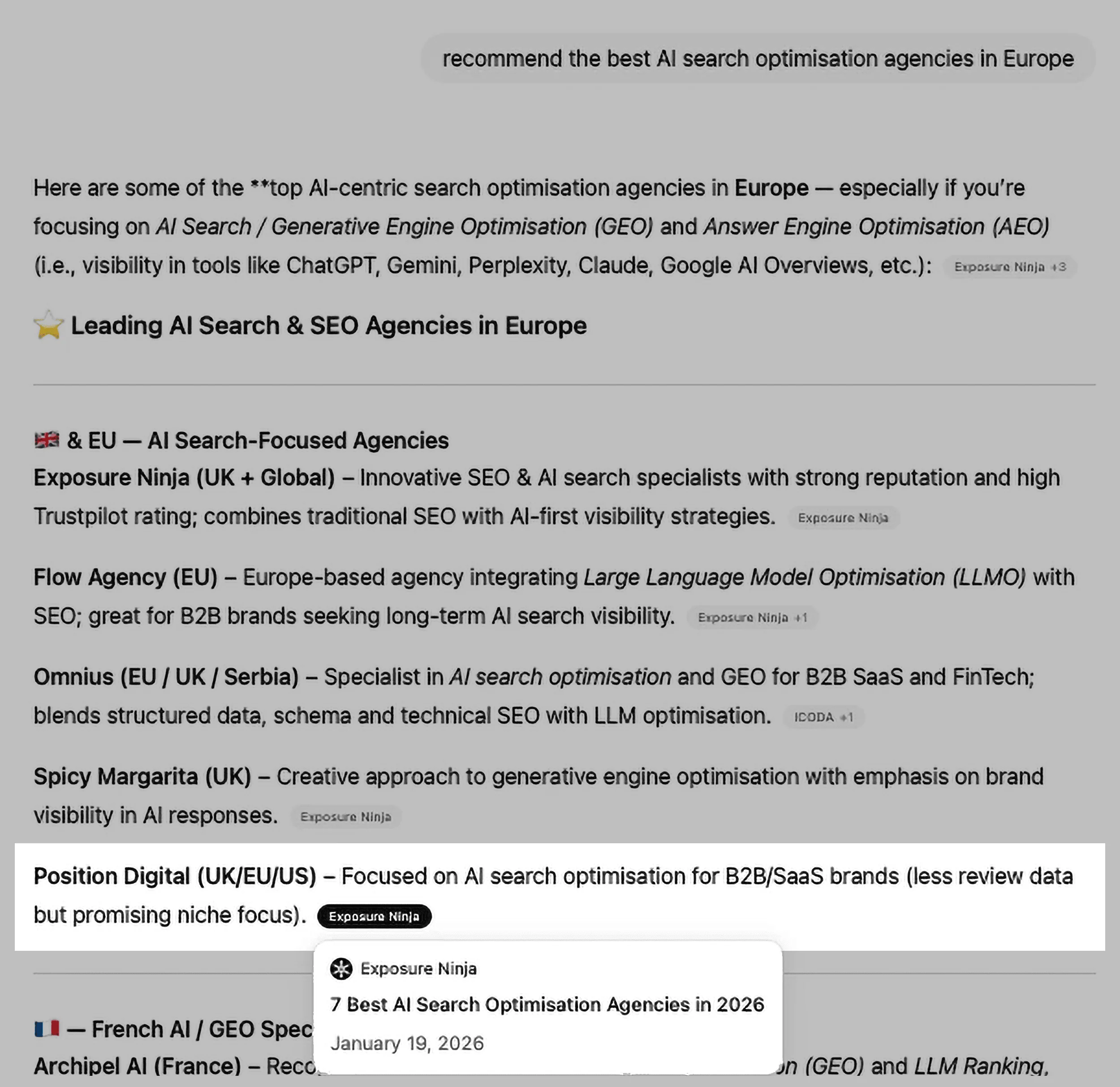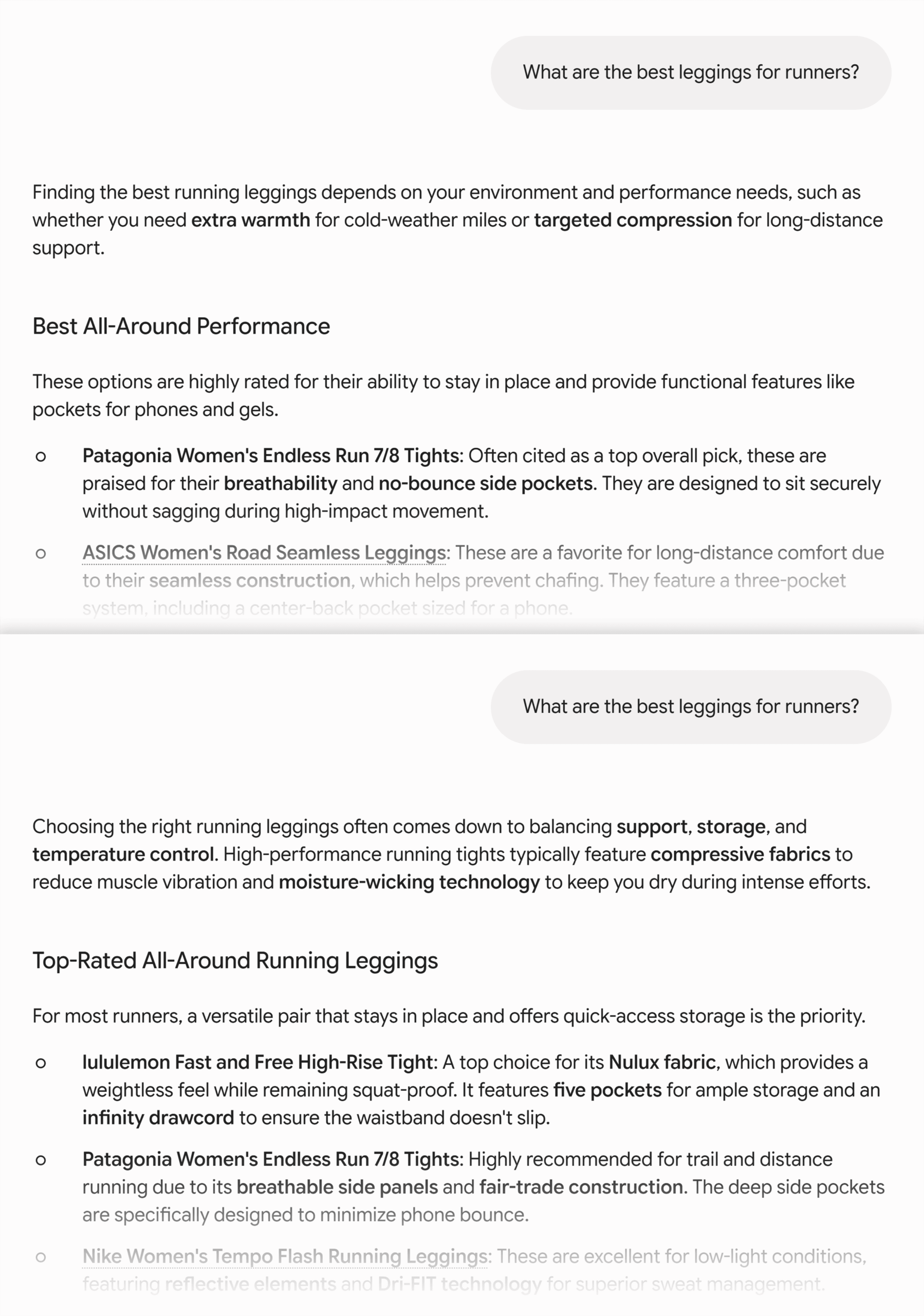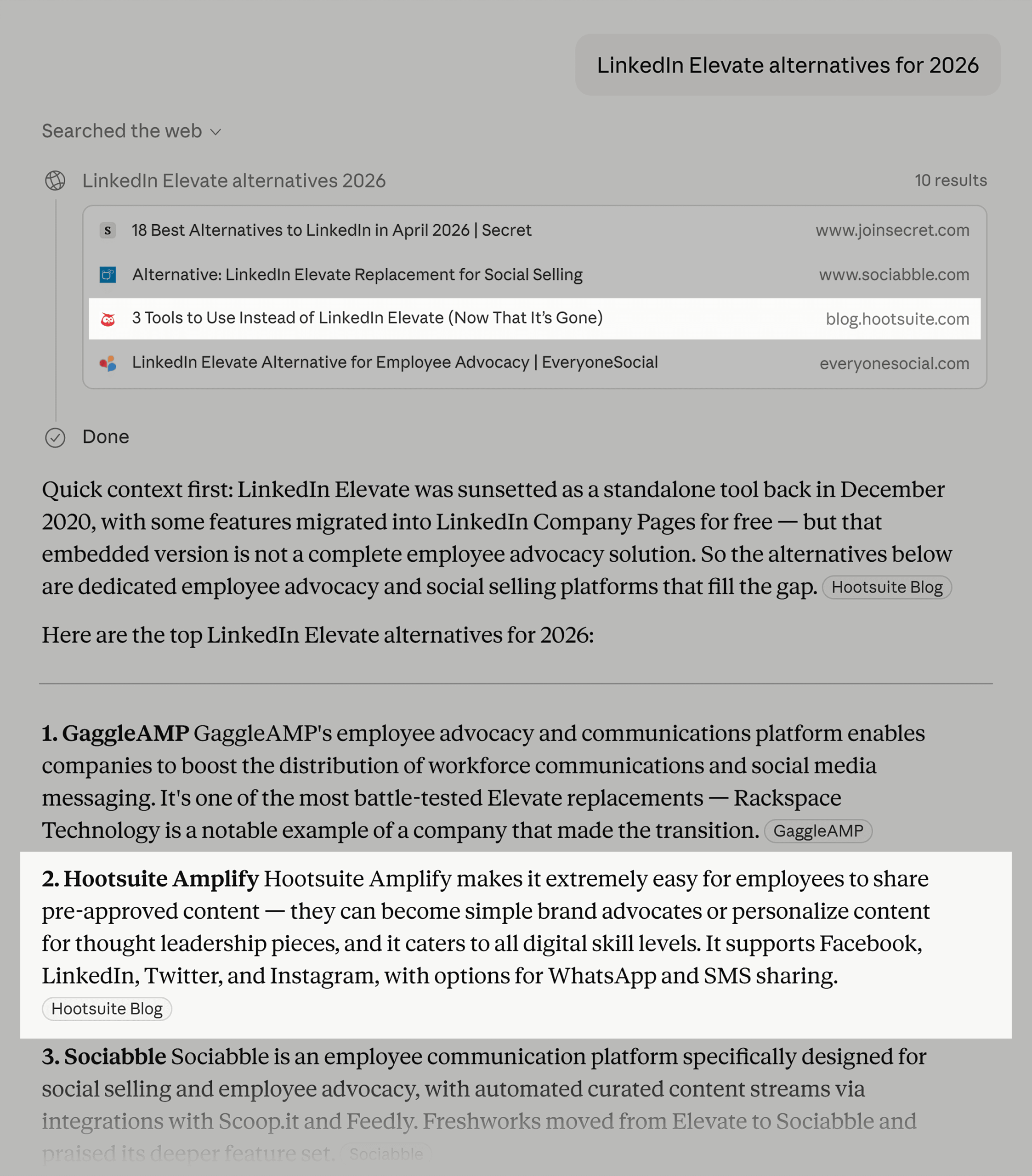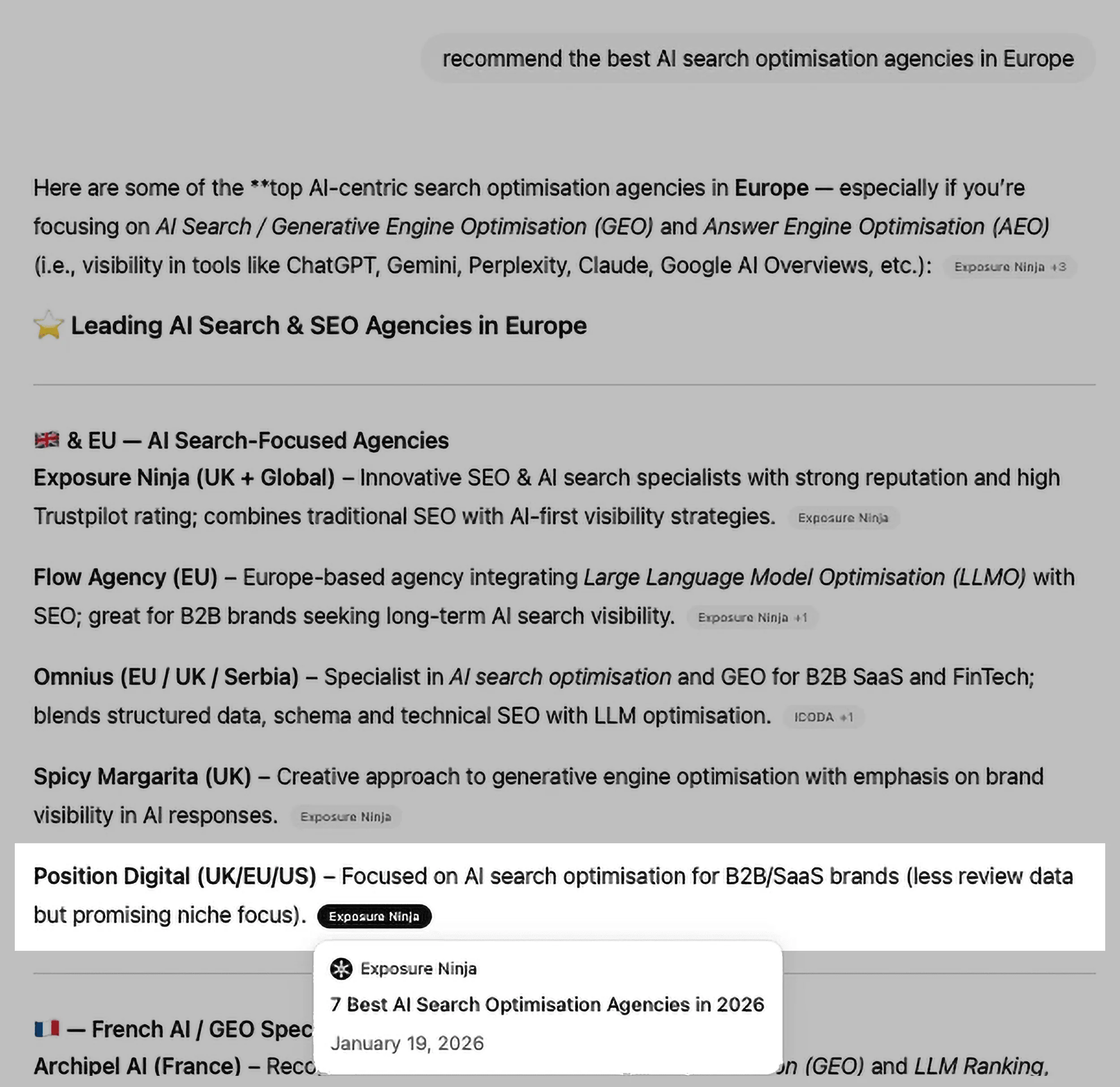
As the digital search landscape undergoes a monumental shift from traditional keyword-driven engine results pages (SERPs) to generative AI-powered discovery, marketers are facing a new reality. Self-promotion and onsite optimization are no longer enough to secure visibility. Today, the brands winning in Large Language Model (LLM) ecosystems—such as ChatGPT, Google AI Overviews, and Perplexity—are those that master earned media and external validation.

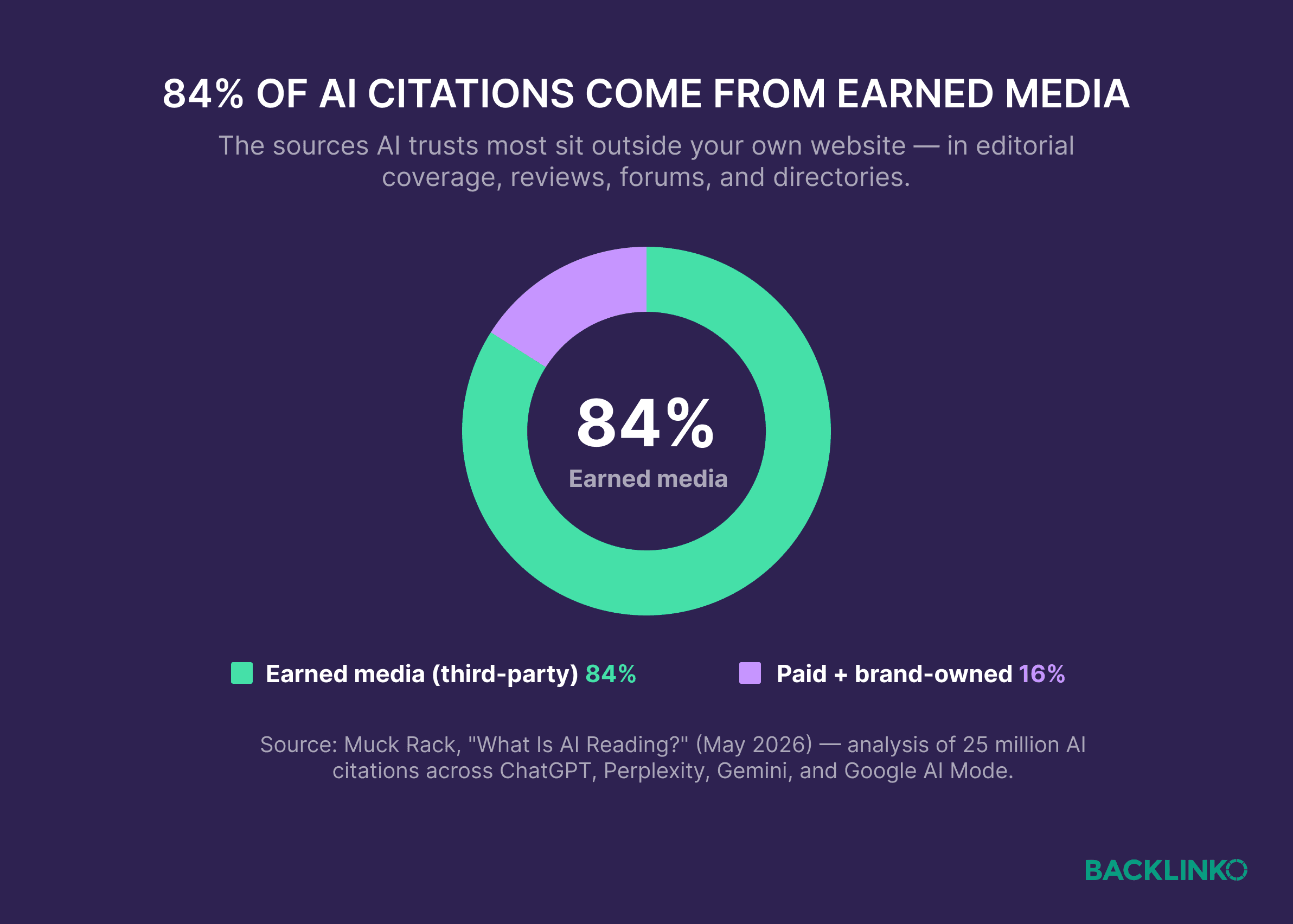
A landmark study by Muck Rack has revealed a critical statistic for modern marketers: 84% of AI citations stem from earned media, encompassing third-party editorial coverage, product reviews, and community forums. In the era of AI search, third-party validation definitively beats self-promotion.
The Paradigm Shift: How AI Systems Discover Content
Traditionally, search engine optimization (SEO) relied heavily on onsite architecture, keyword density, and technical site optimization. While these foundational elements remain important, modern AI search engines operate entirely differently. Instead of simply crawling and indexing a single web page, LLMs ingest, synthesize, and cross-reference information from dozens of disparate web sources simultaneously to generate a cohesive answer.
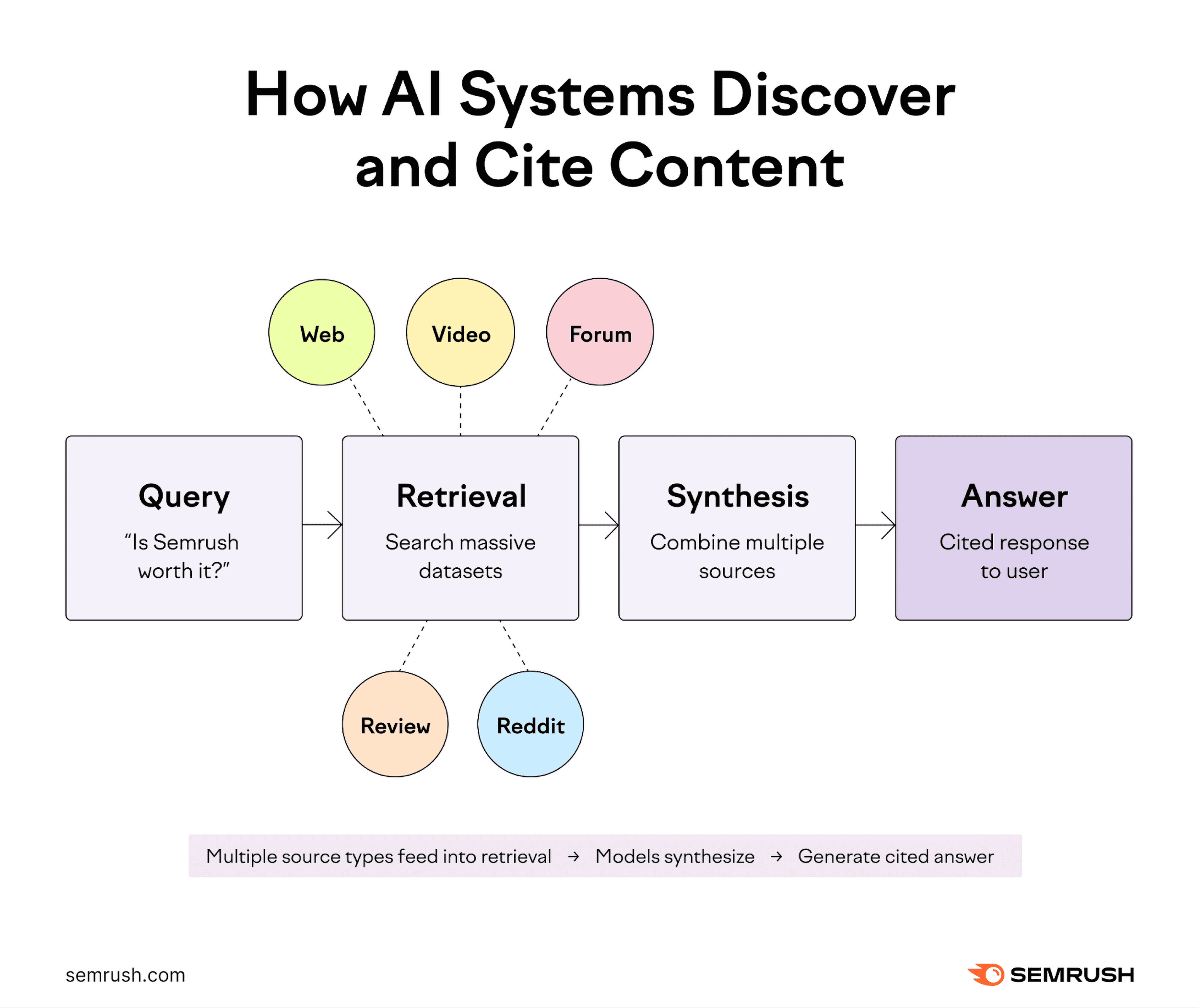
When an AI model is queried, it searches for consensus. The more frequently a brand name appears across trusted external platforms, the more familiar, authoritative, and trustworthy that brand becomes to the underlying algorithm.
This is where Digital PR transitions from a nice-to-have brand awareness tactic to the single most critical strategy for modern search optimization.
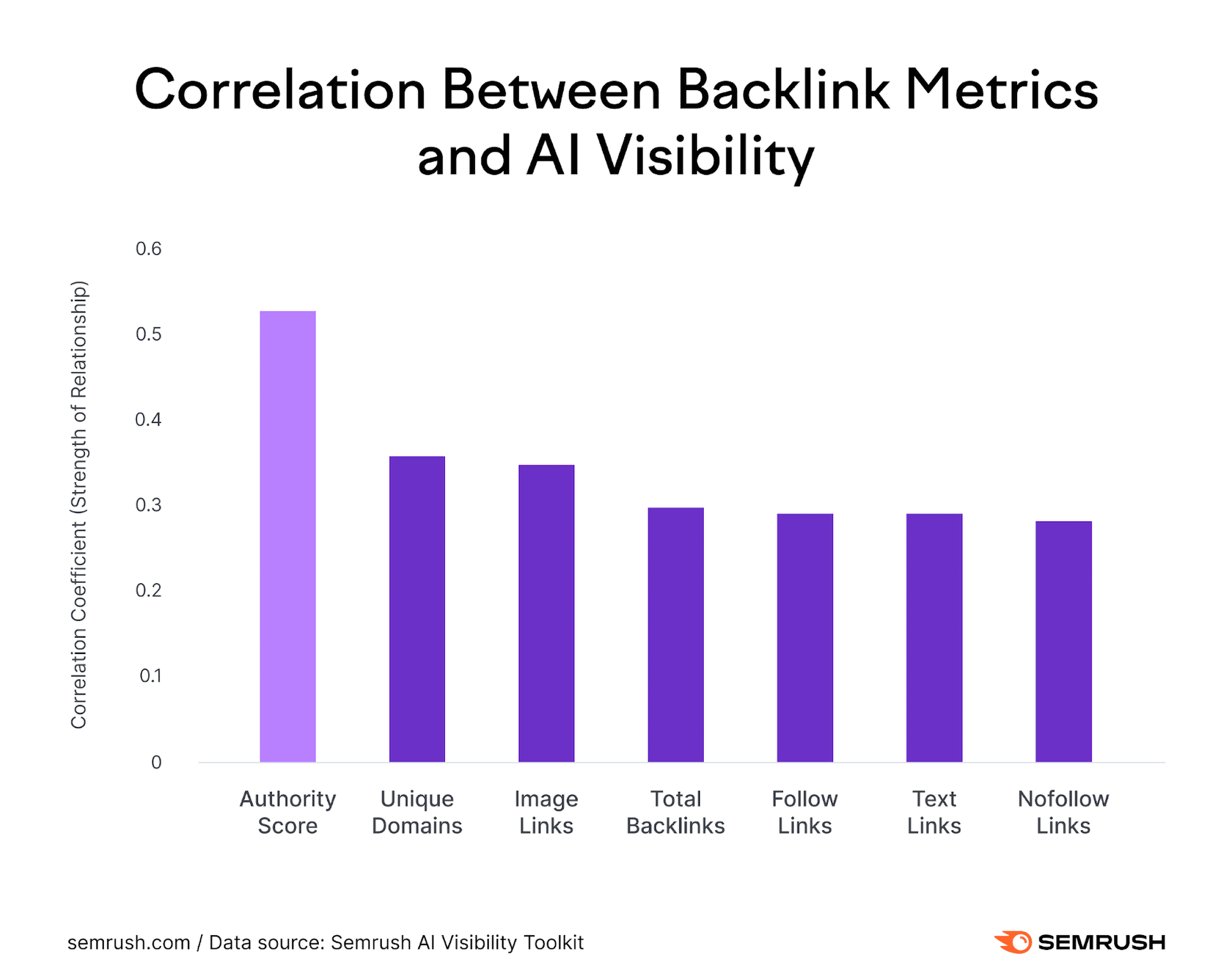
Recent industry data underscores this dynamic. A study of 1,000 domains conducted by Semrush found a strong correlation between robust backlink profiles and high visibility in AI-generated answers. Complementing this, research from Seer Interactive demonstrated that high-quality backlinks (specifically from Domain Authority 60+ sites) and overall domain authority are the top two metrics driving AI visibility.
To help brands navigate this landscape, industry experts have outlined six proven digital PR strategies designed to earn authoritative backlinks, secure vital brand mentions, and dominate AI-generated search responses.
Strategy 1: Data-Led PR and Original Research
Data-led public relations revolves around publishing original research, proprietary industry studies, and statistical roundups, then actively distributing these insights to relevant media outlets.
Chronology of a Data-Led Campaign
- Conception & Execution: Brands identify a knowledge gap in their niche and conduct primary research (e.g., surveying industry professionals or analyzing proprietary data sets).
- Publication: The findings are published as an in-depth report on the brand’s domain.
- Outreach & Distribution: The data is proactively pitched to journalists, bloggers, and marketers who frequently seek credible statistics to support their own reporting.
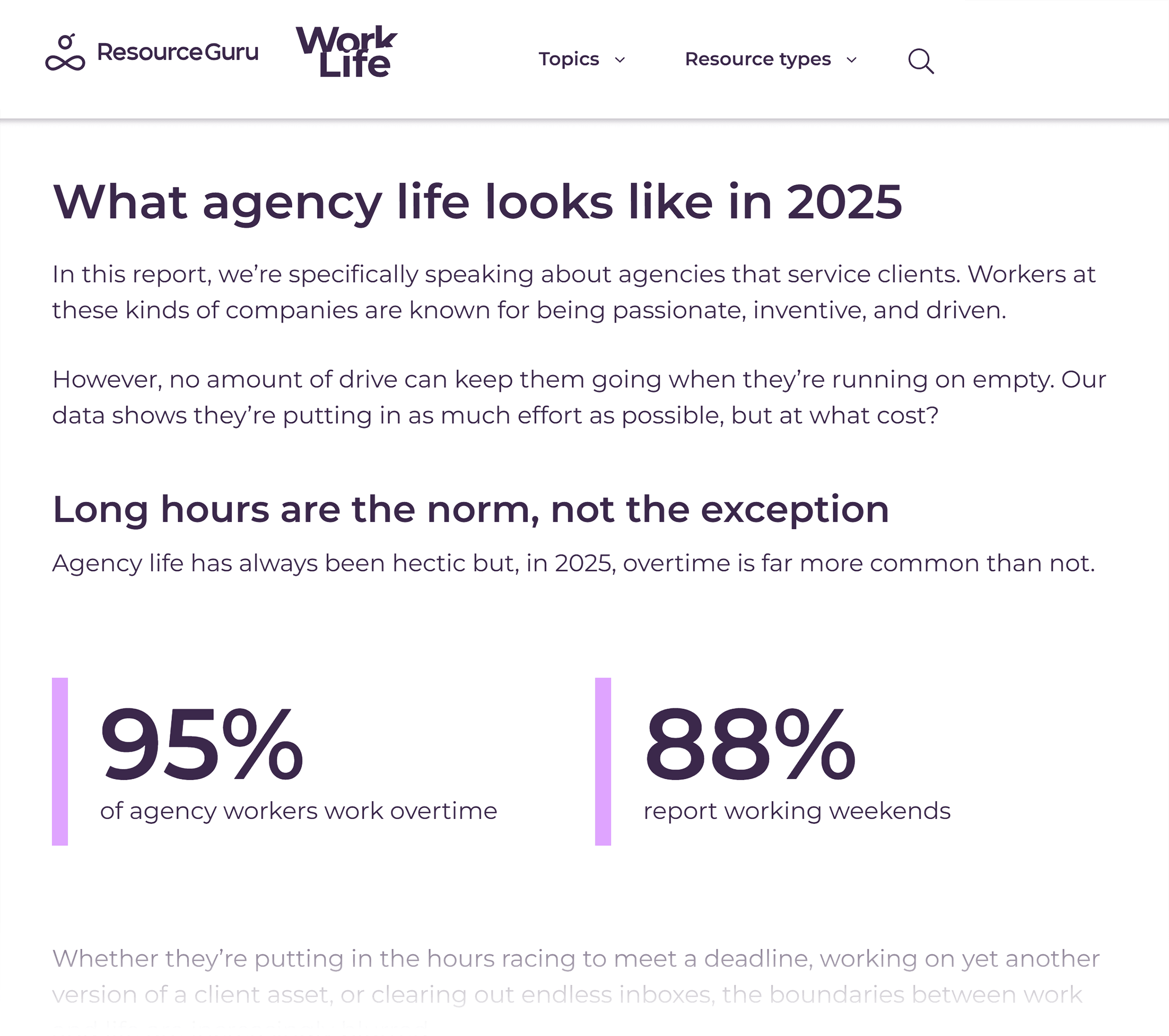
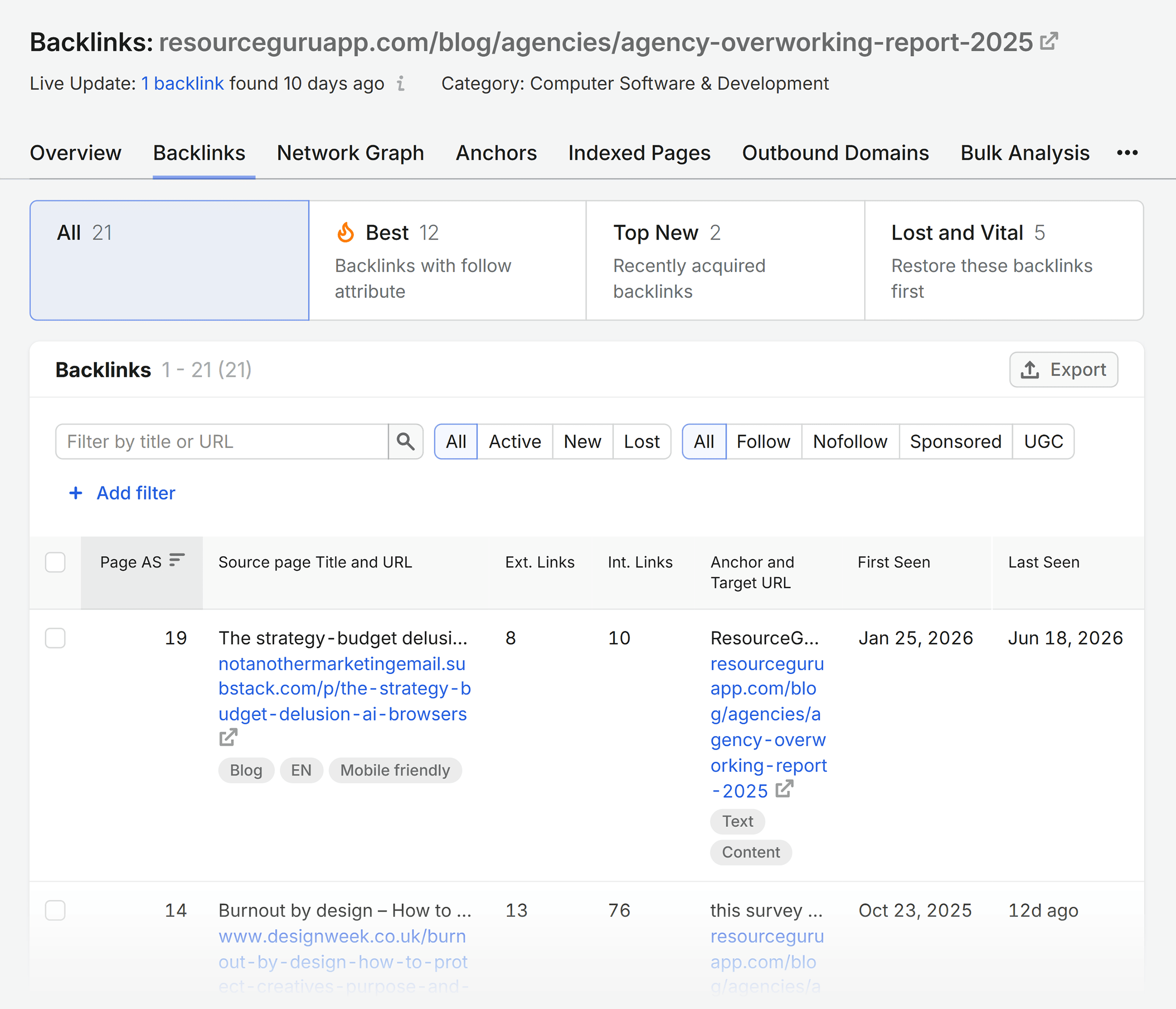
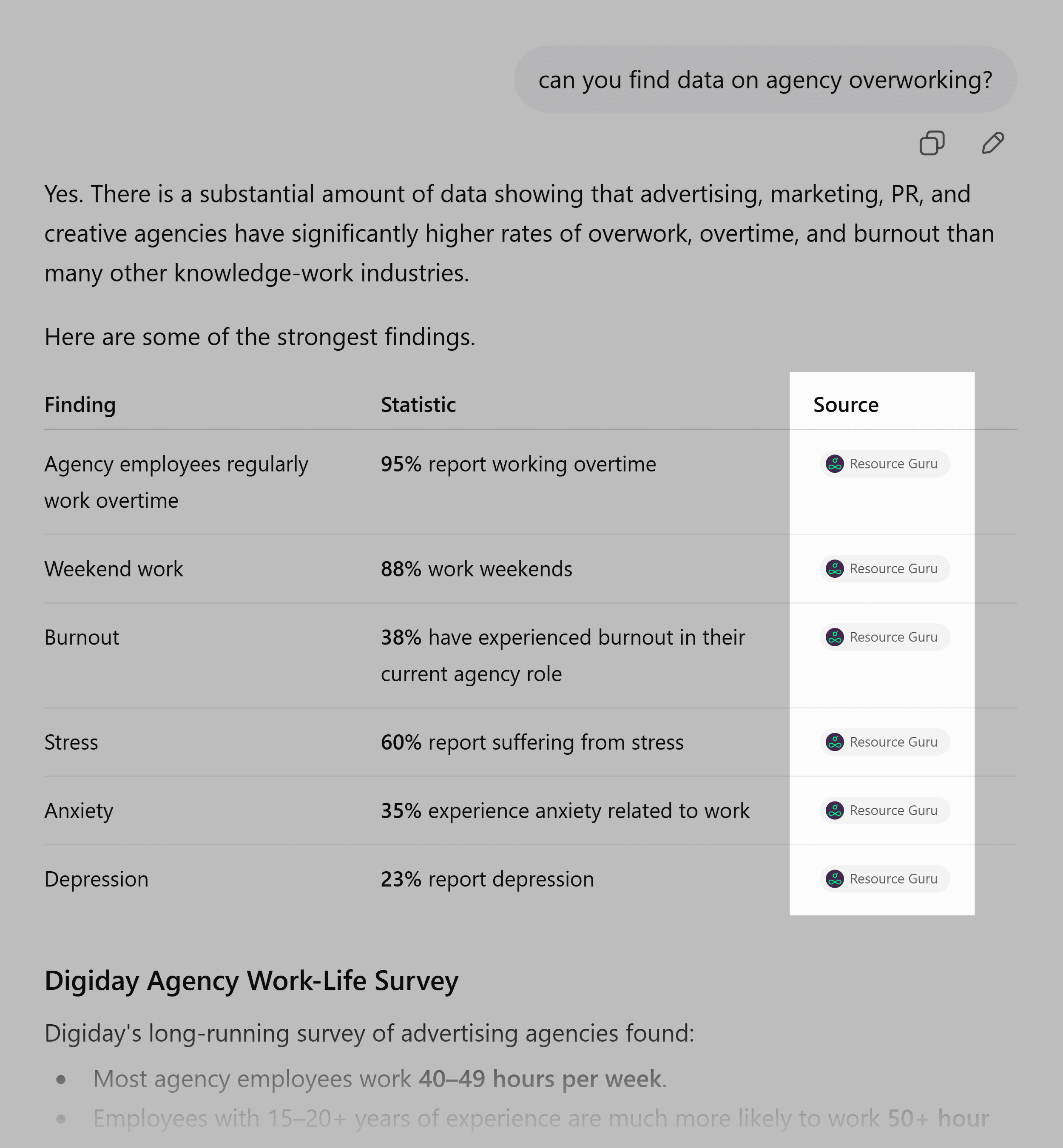
For example, when agency advisory teams helped compile the Agency Overworking Report, the resulting data instantly filled a content gap for client-facing teams. Since its publication, the report has organically generated 21 high-authority backlinks—including top-tier coverage in Forbes—and is now routinely cited directly by ChatGPT when users ask about agency management and workforce trends.
Implementation Blueprint
- Update Stale Content: Identify existing articles in your niche that rely on outdated or broken statistics, and pitch your fresh data as a direct replacement.
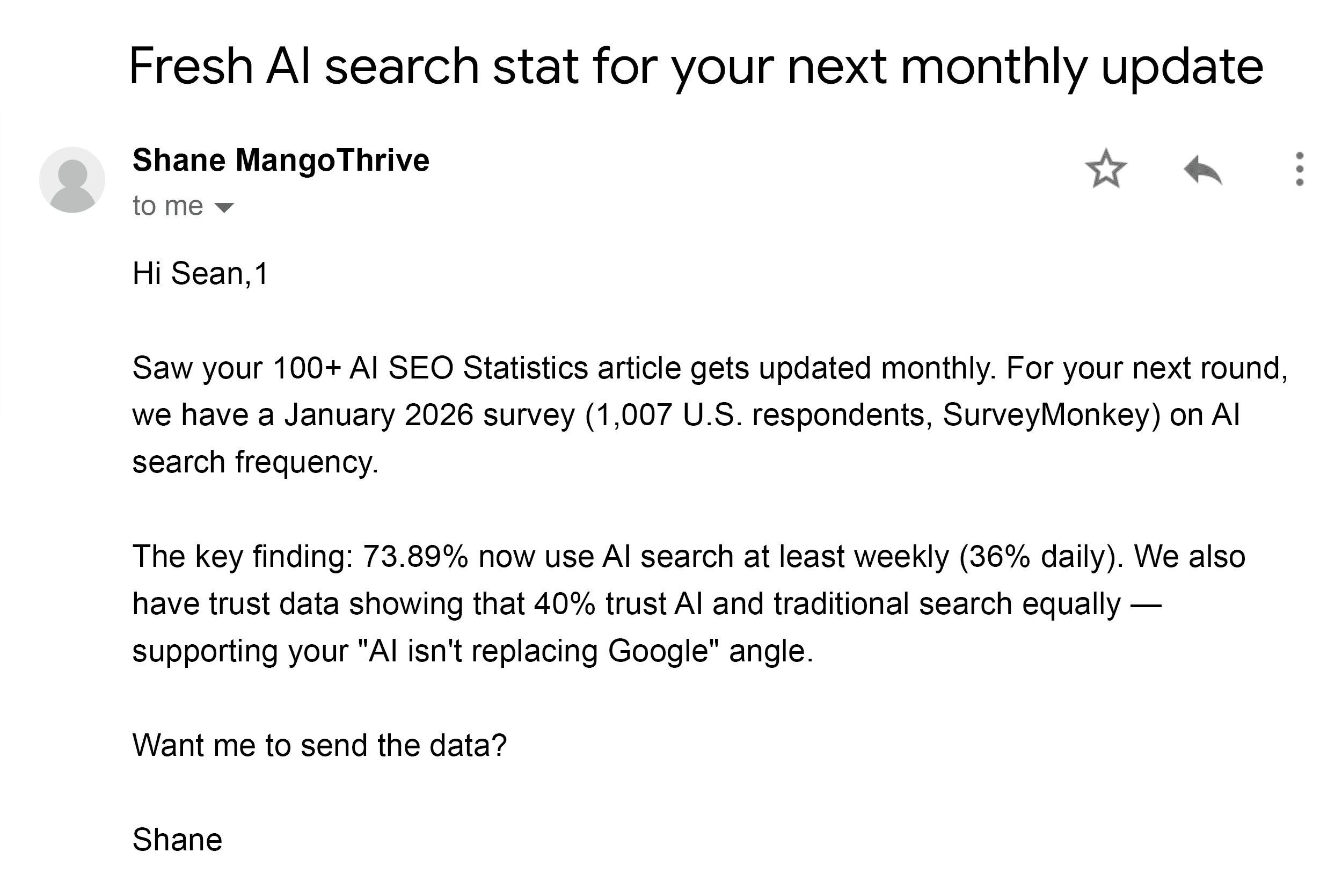
- Target Statistical Roundups: Reach out to authors of ongoing yearly stat roundups. Because these pages are updated frequently, authors are exceptionally receptive to new data additions.
Strategy 2: AI Citation Outreach
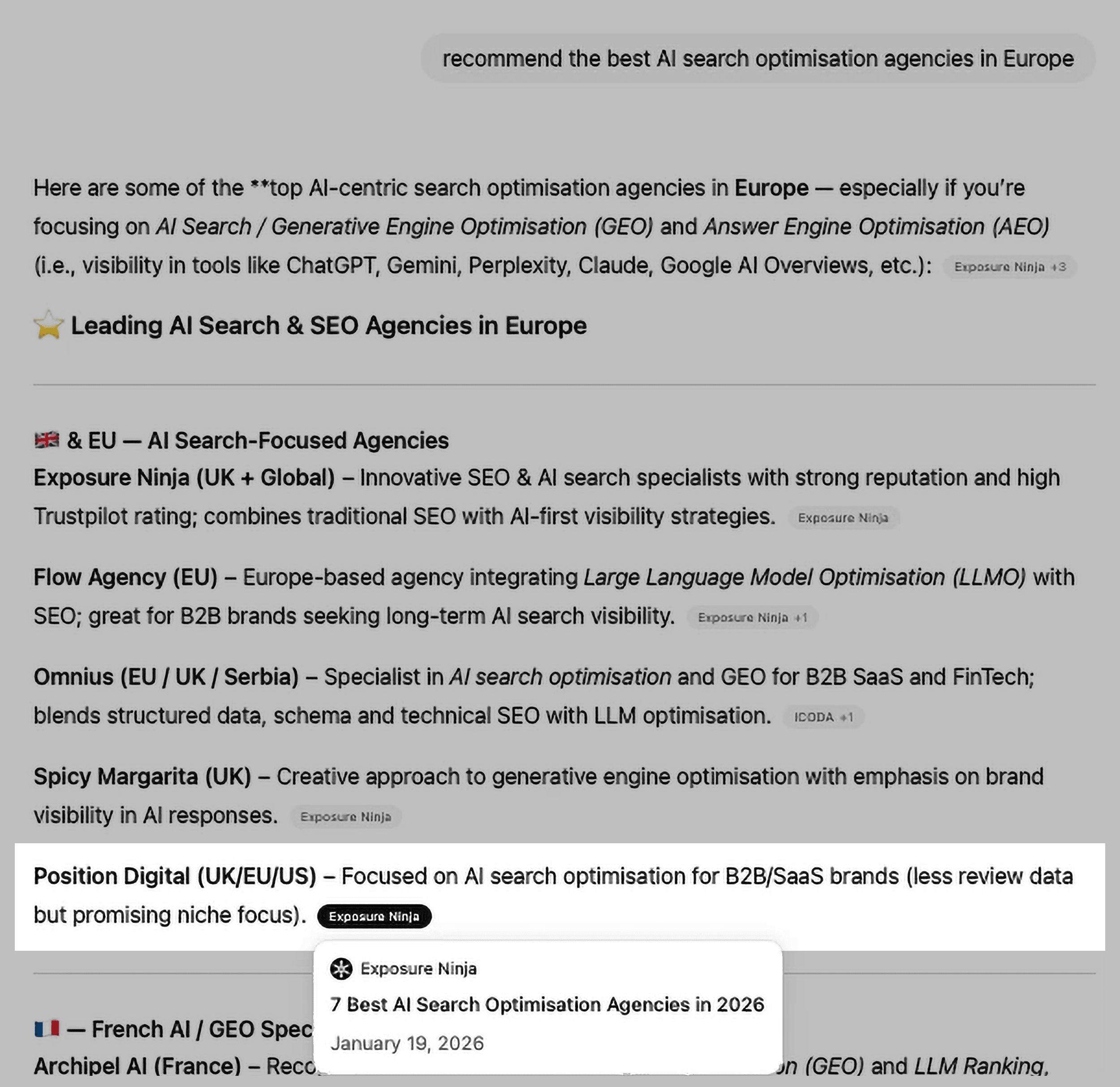
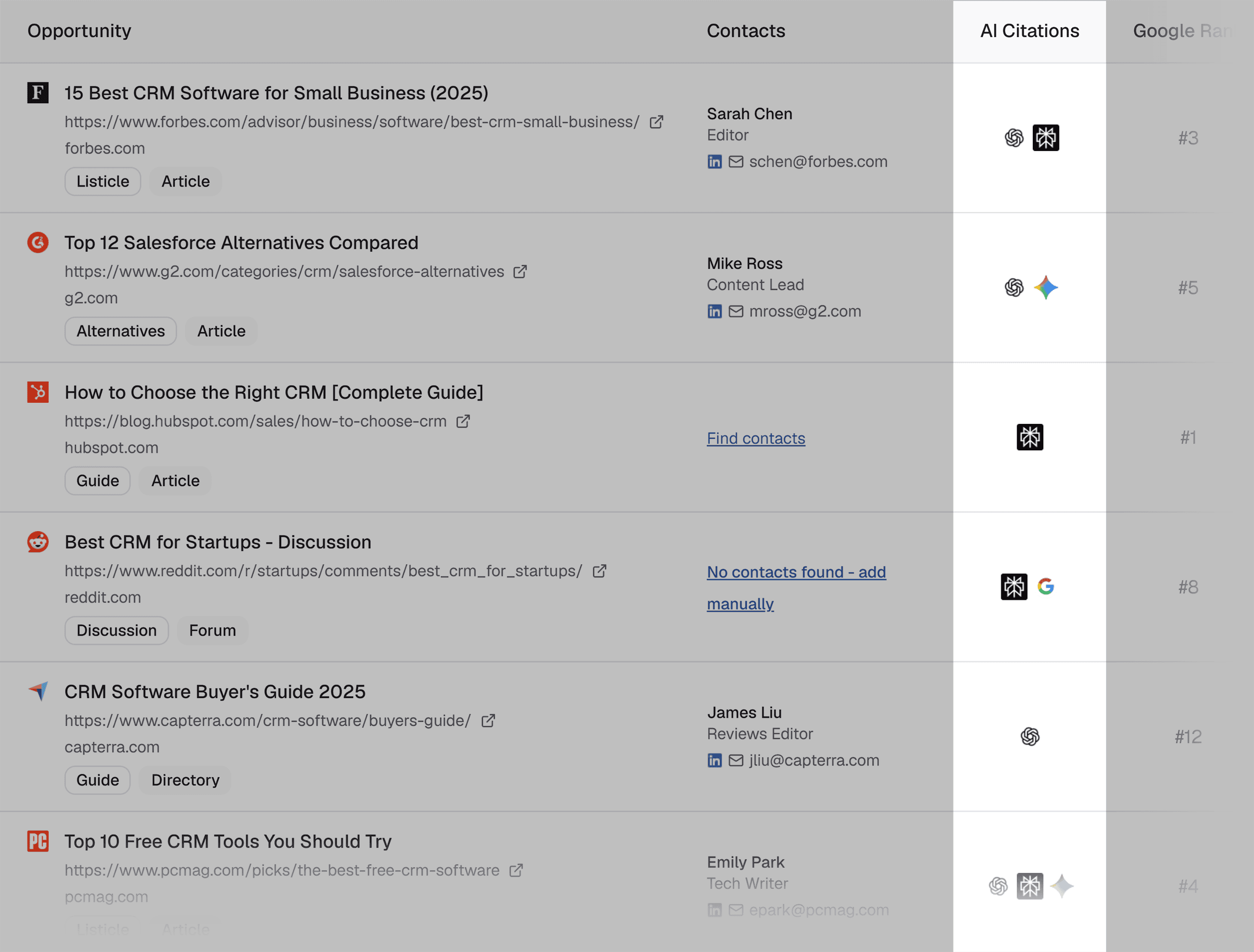
AI citation outreach targets the specific domains and listicles that AI engines already scrape and reference. Because different LLMs exhibit distinct citation preferences—often surfacing different sources for identical queries—this strategy requires a multi-layered approach.
The Mechanics of AI Citations
- Map User Prompts: Anticipate how your target audience interacts with AI. Collect long-tail queries through sales call transcripts, Google Search Console performance reports, and "People Also Ask" databases.
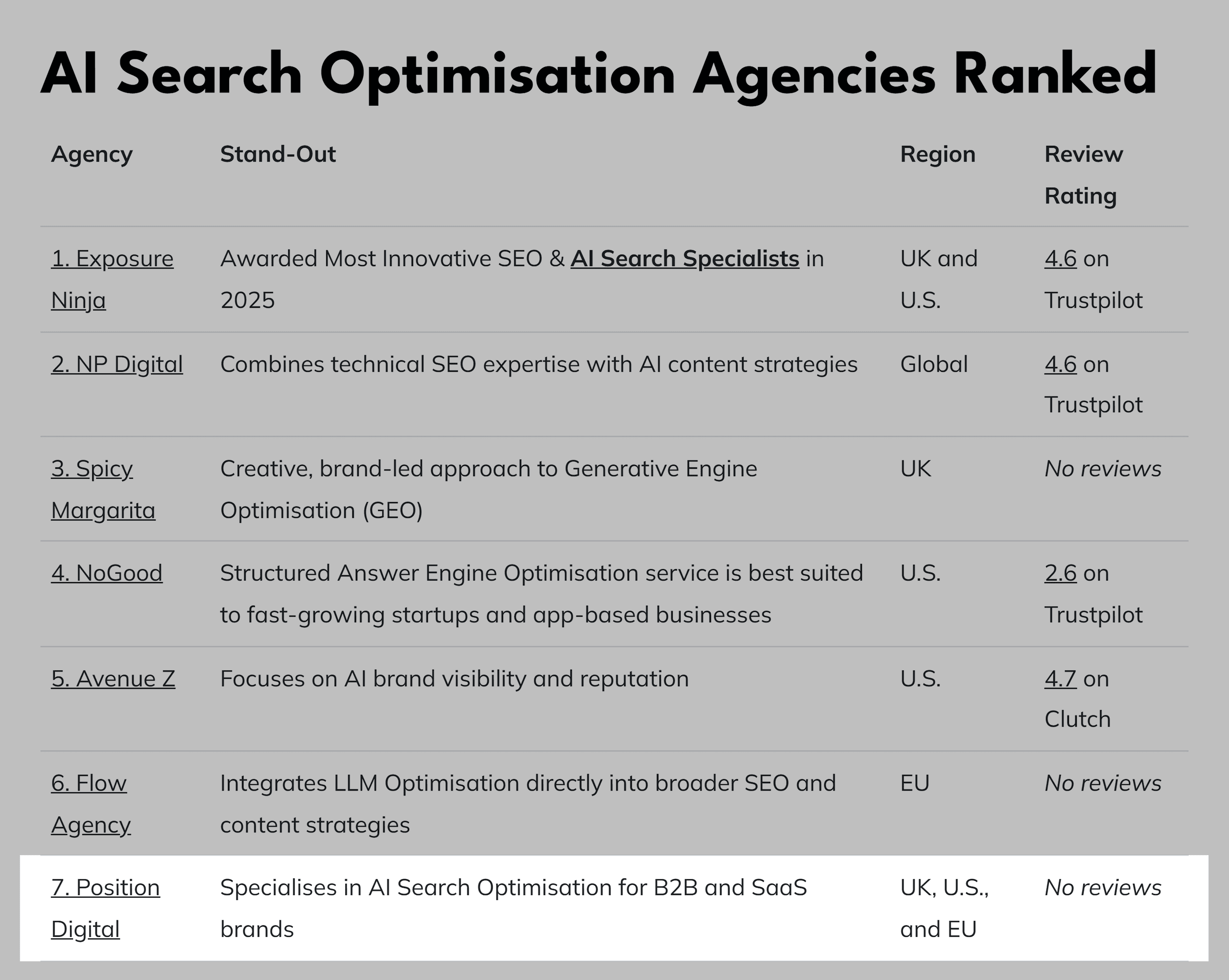
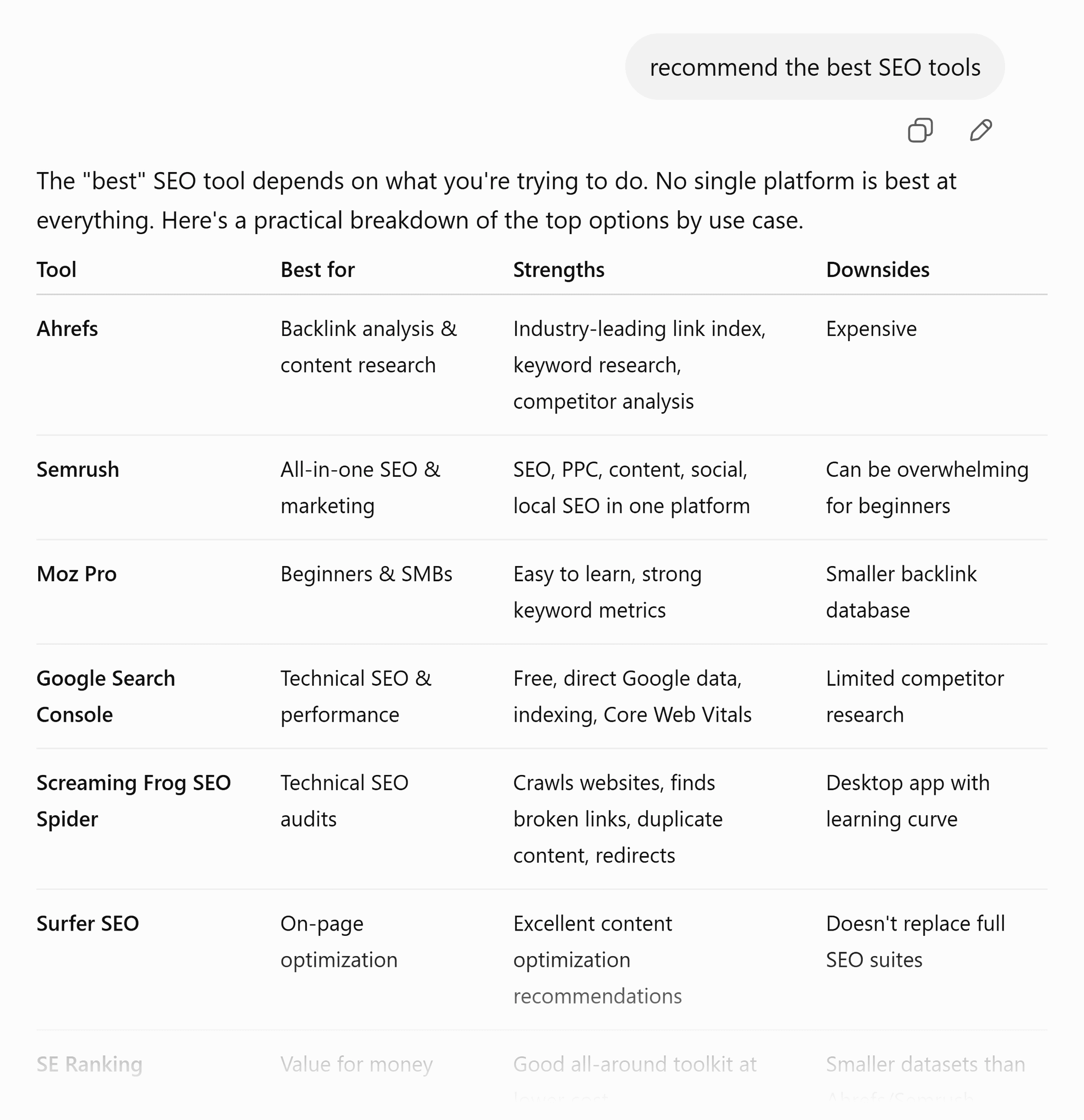
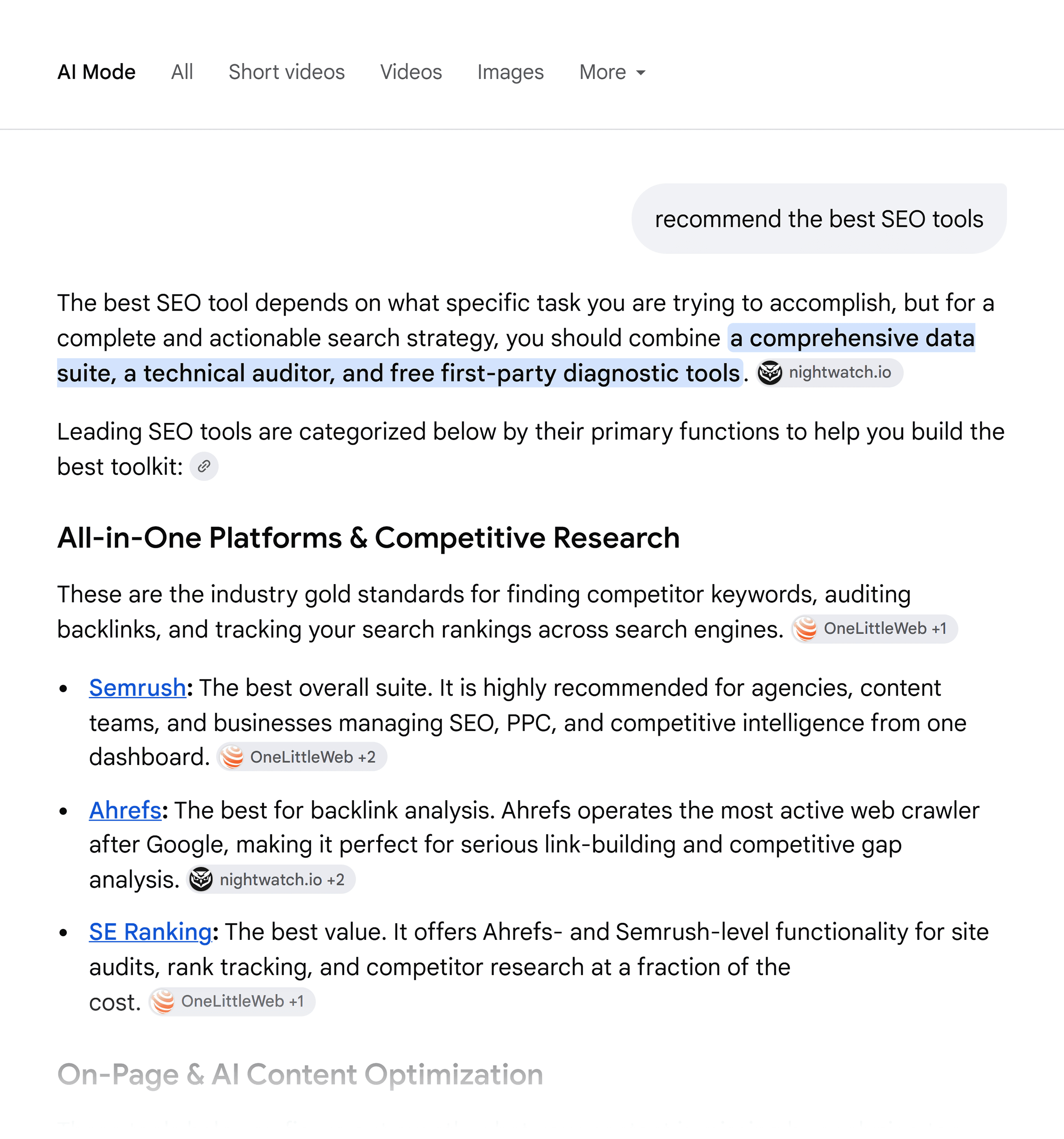
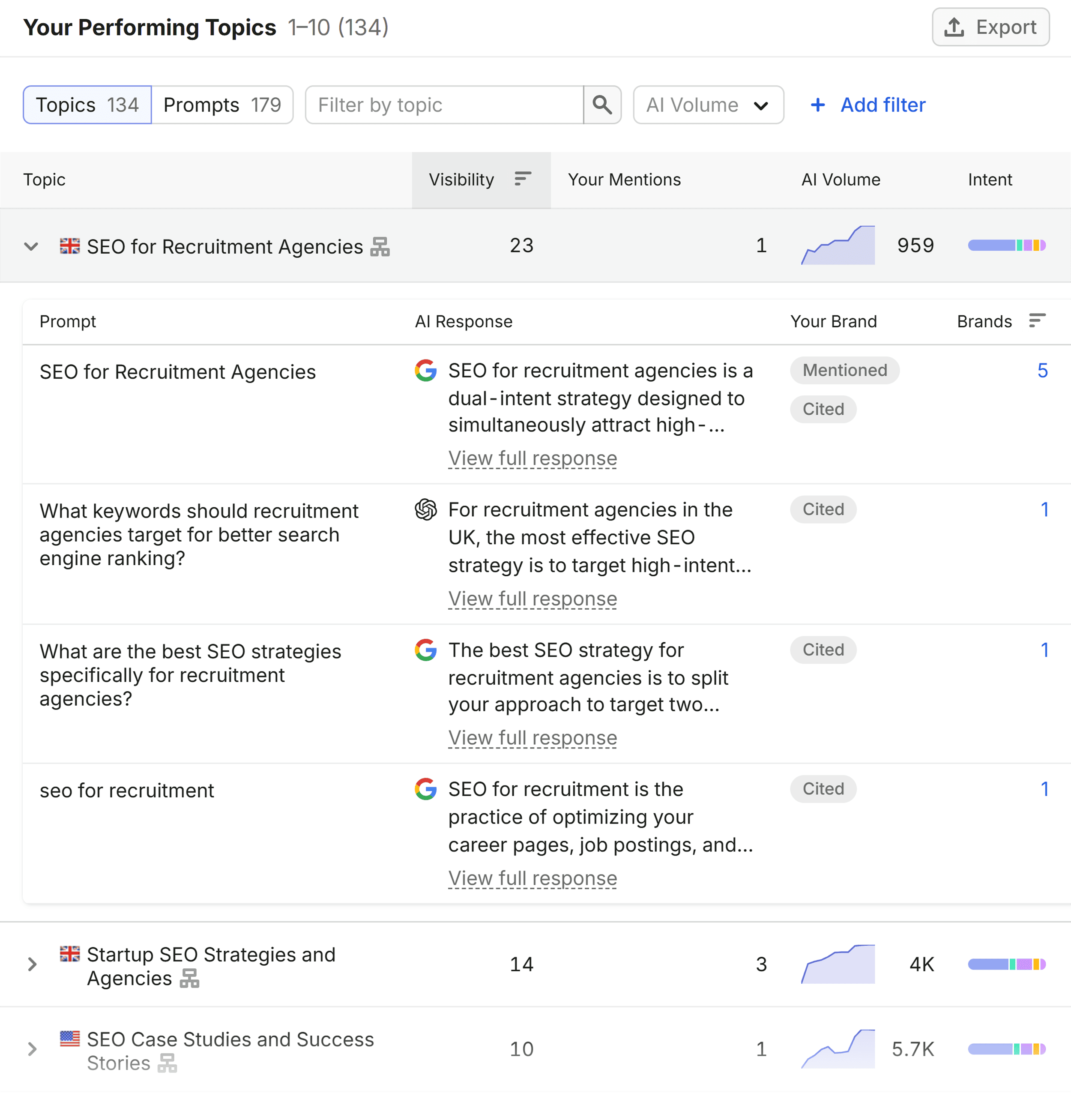
- Monitor Cited Pages: Run your target prompts through tools like Semrush’s AI Visibility Toolkit or ListBrew to identify which "Best X" listicles and comparison pages currently populate AI answers.
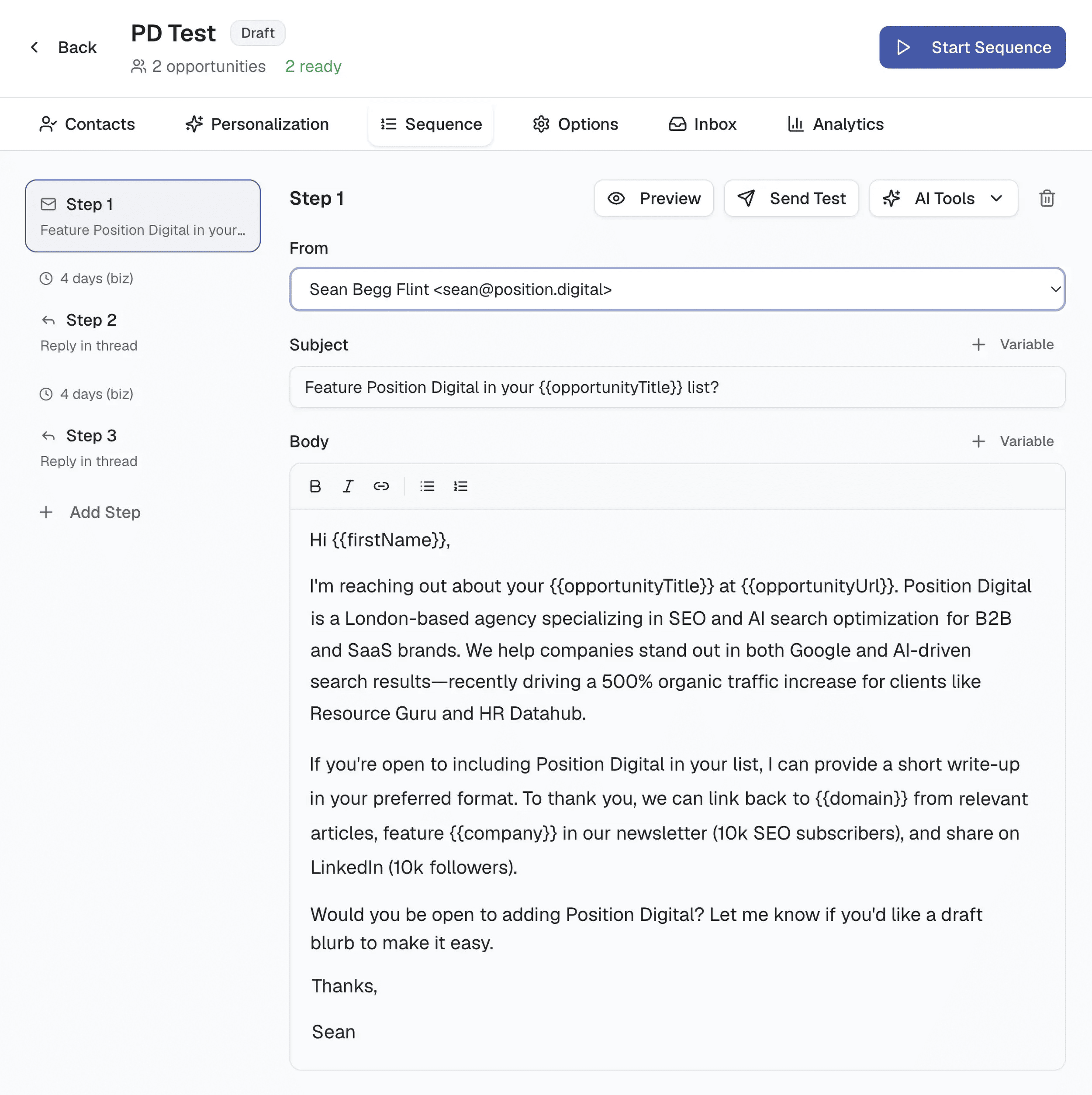
- Execute Targeted Outreach: Contact authors and editors of those cited pages. Pitch your brand’s inclusion by offering unique insights, mutual promotion, or updated product data, accompanied by a ready-to-publish blurb to minimize friction.
Strategy 3: Reactive PR for Breaking News
While traditional PR campaigns require months of careful planning, Reactive PR relies entirely on speed.
Why Speed Wins in AI Training and Retrieval
LLM training sets have specific data cutoffs, and when users ask about breaking developments, algorithms cannot rely solely on historical weights. They must rapidly crawl the web for fresh, real-time commentary.
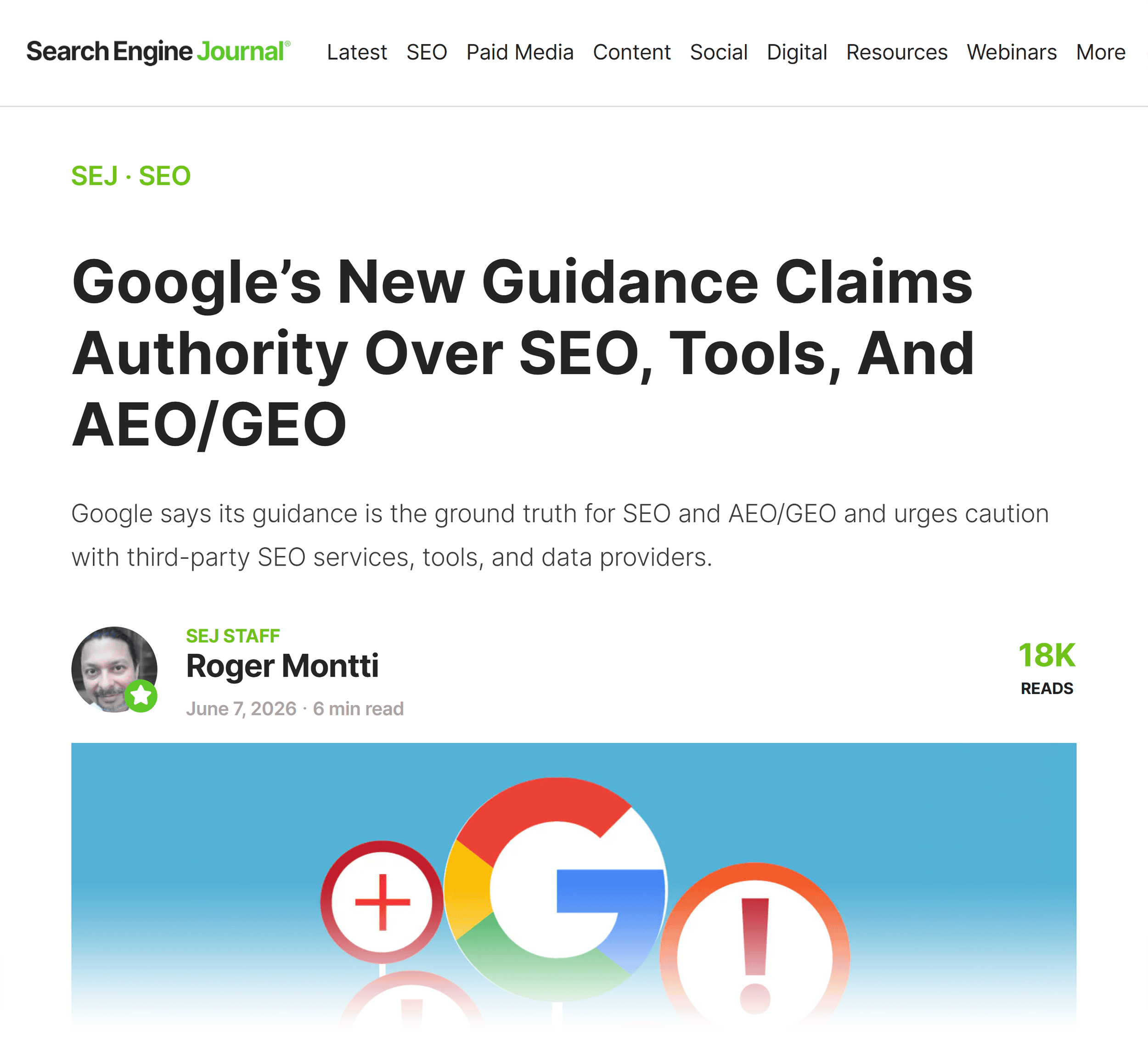
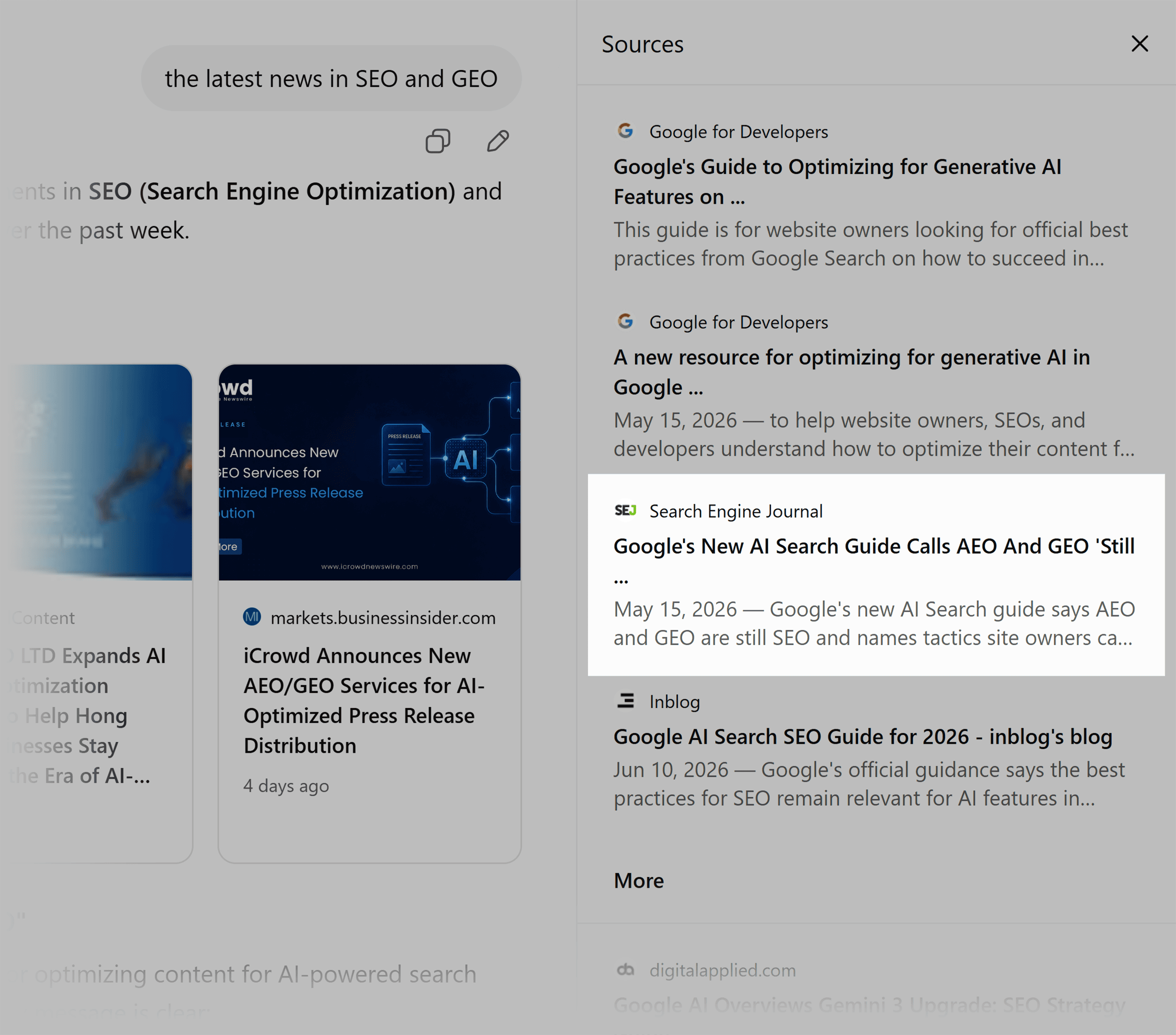
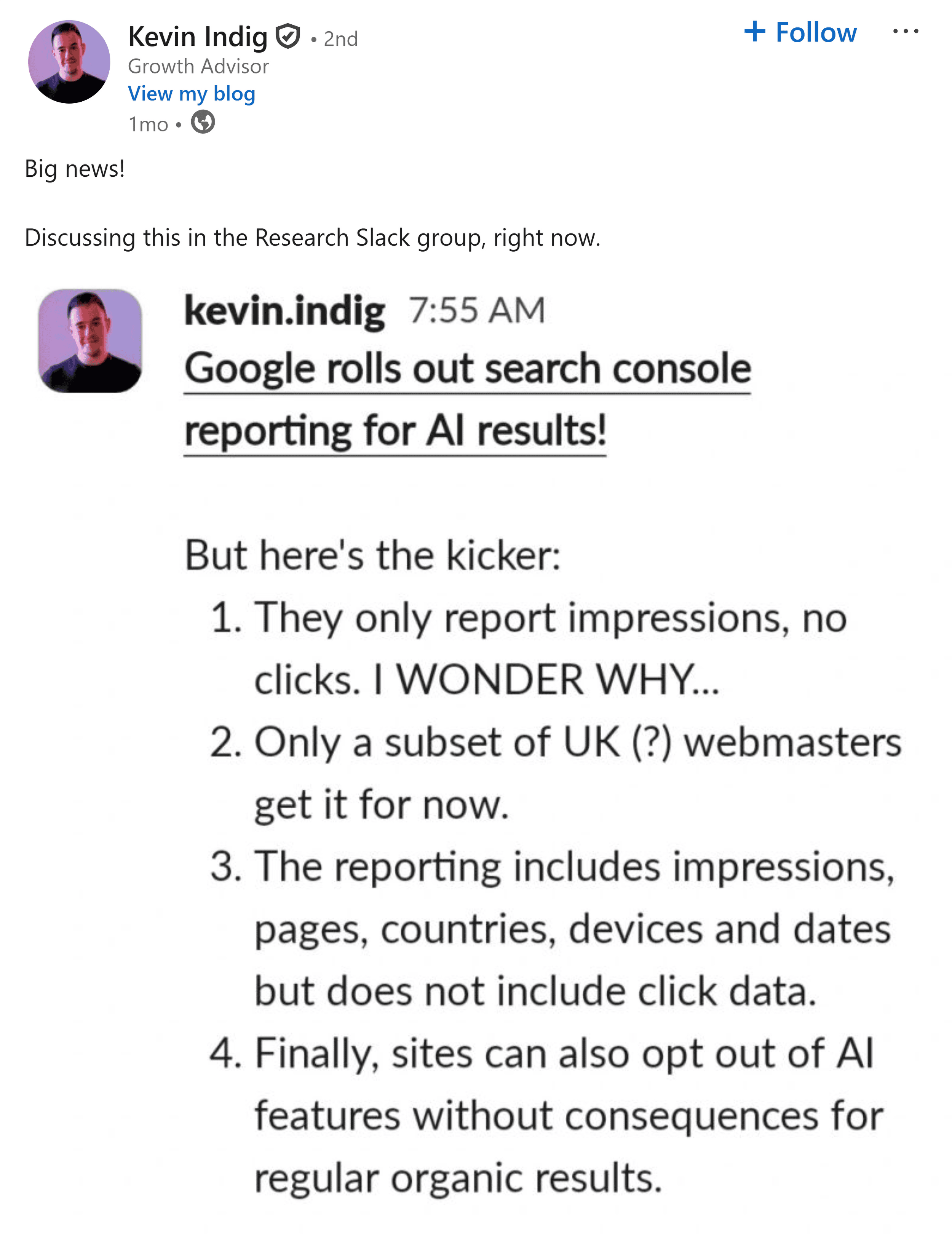
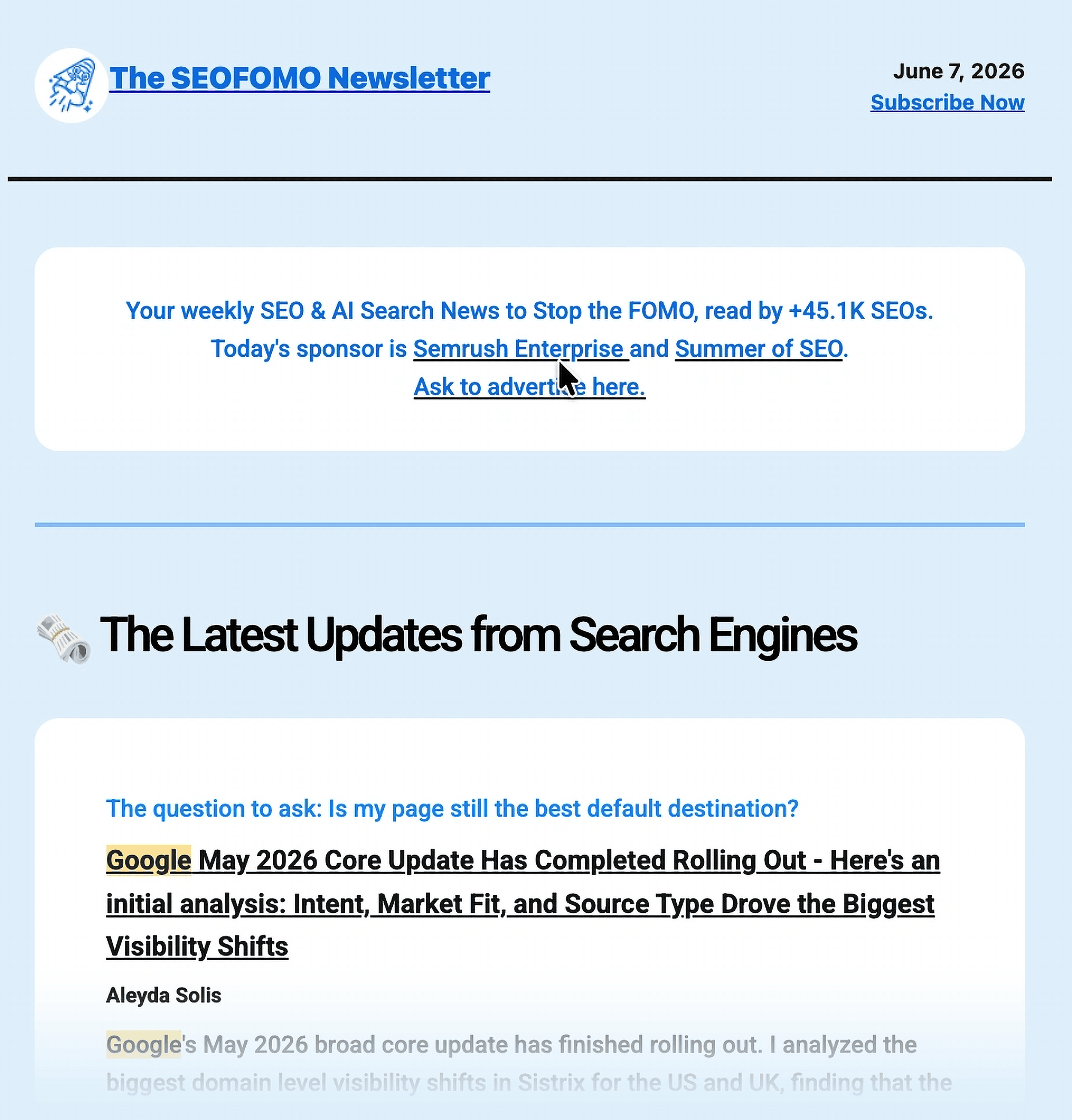
When a major industry event occurs—such as Google releasing new search guidance—only a handful of agile media outlets initially cover the news. Brands that publish prompt analysis, expert commentary, or original reporting within hours of a breaking story position themselves as the primary sources that AI systems scrape and cite.
- Case in Point: Search Engine Journal was among the first publications to report on Google’s updated SEO guidelines. That single rapid-response piece went on to garner over 16,000 readers, 500 backlinks, and consistent citations across ChatGPT and Google AI Overviews.
Strategy 4: Ego Bait and Expert Collaboration
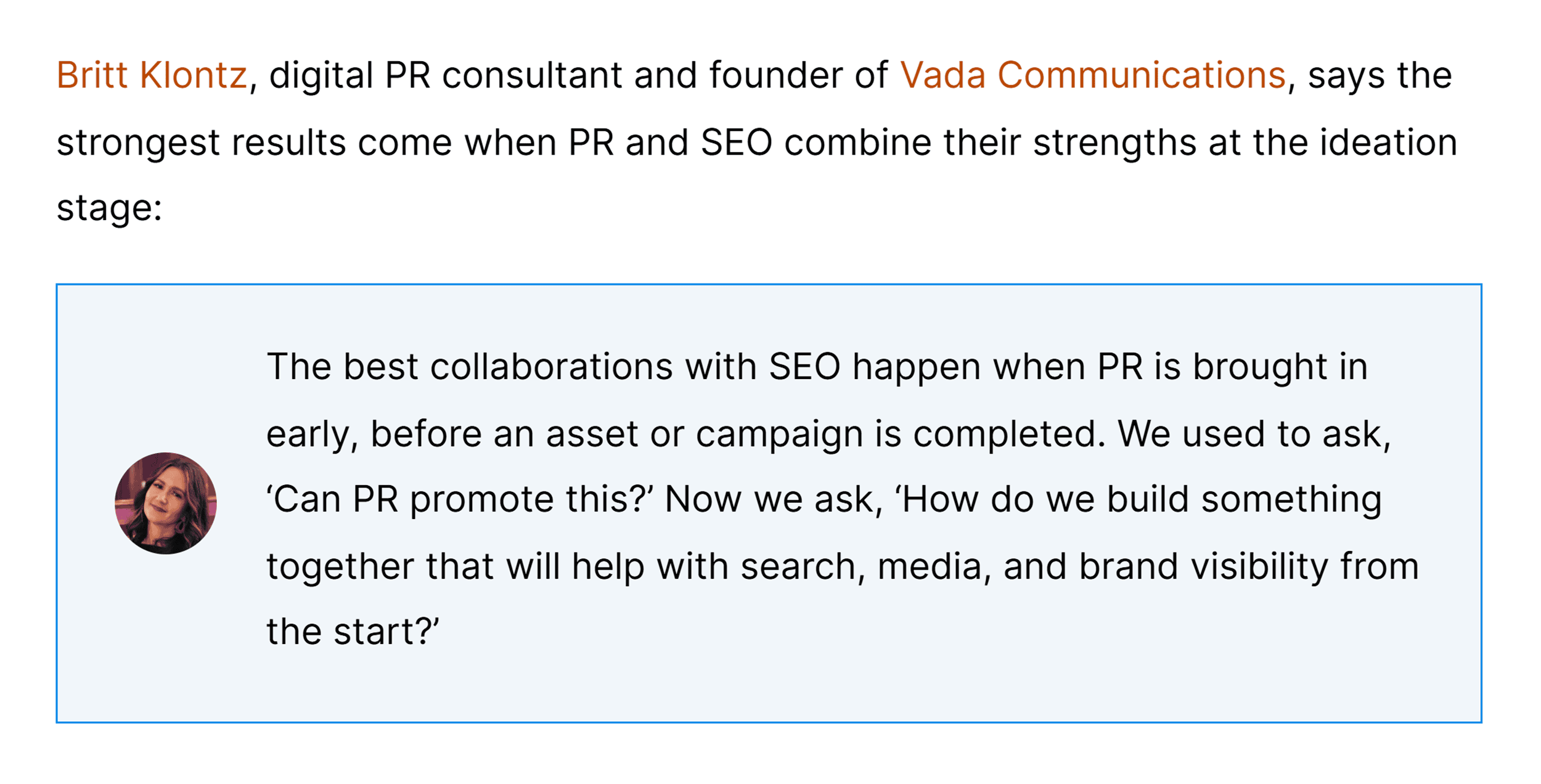
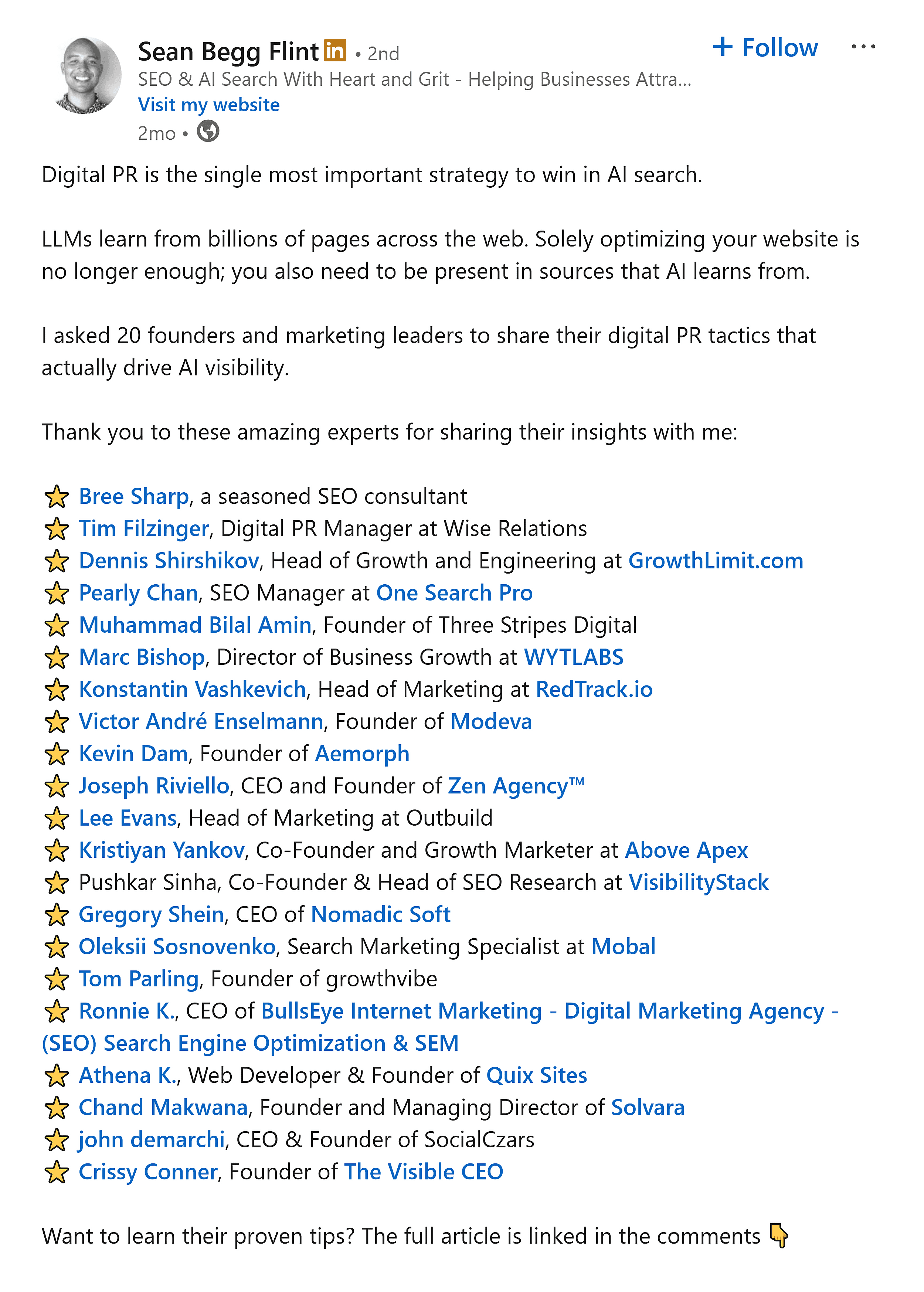
"Ego bait" involves creating content that features industry authorities, influencers, and thought leaders. By highlighting their insights, brands naturally incentivize these individuals to share, link to, and amplify the content.
Supporting Data on Expert Inclusion
According to recent AI SEO benchmarking data, pages containing verified expert quotes receive an average of 4.1 citations in ChatGPT, compared to just 2.4 citations for pages lacking expert commentary.
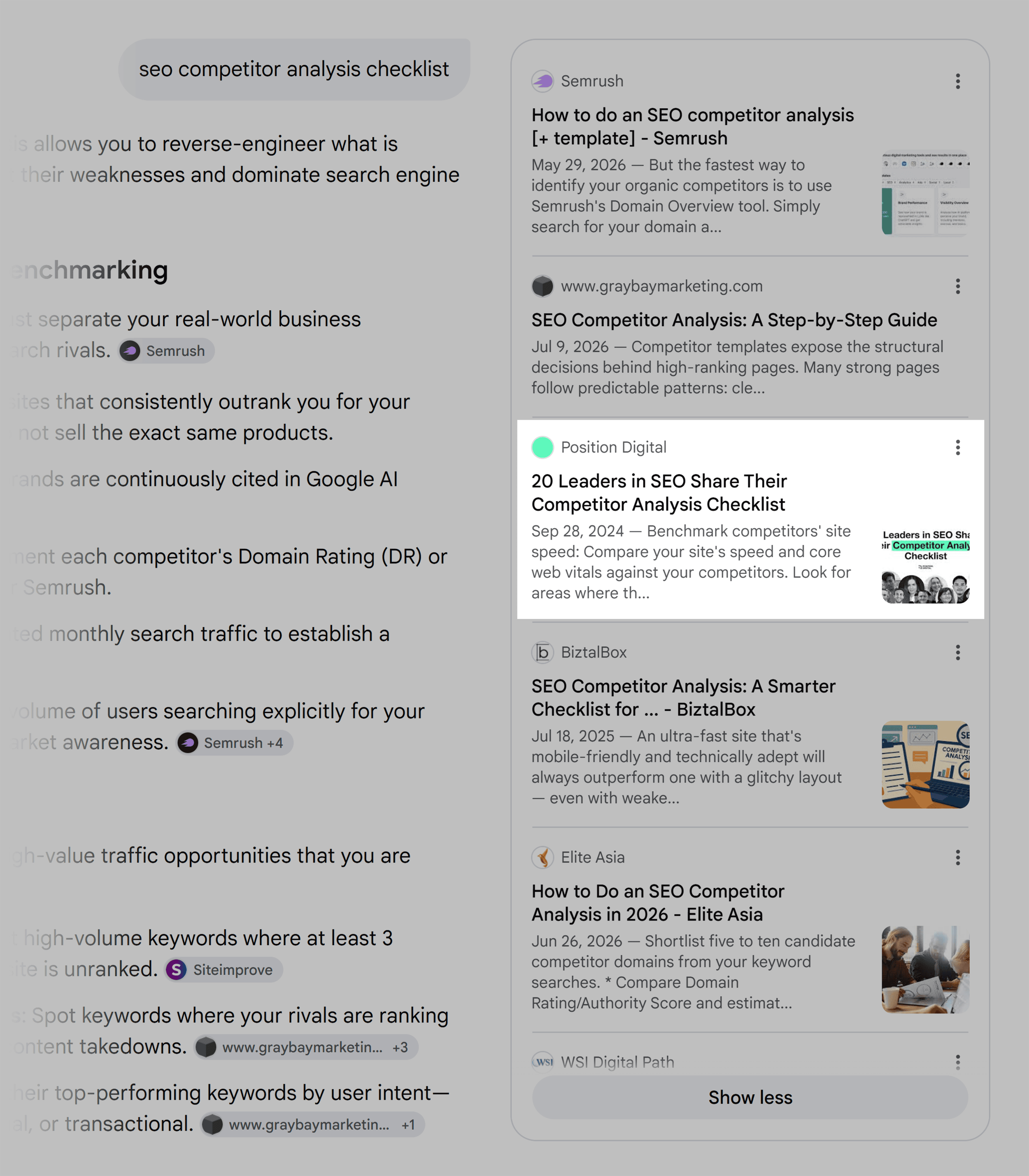
Similarly, articles on complex topics like SEO competitor analysis that feature insights from dozens of industry practitioners frequently secure prime placement within Google AI Overviews and AI Mode. Expert commentary acts as an immediate trust signal to algorithms, confirming that the content is backed by real-world authority.
Strategy 5: Thought Leadership and the "Guest Post Engine"
SEO content is historically engineered to rank for specific terms; thought leadership content, conversely, is designed to establish recognizable human and brand authority.
Maximizing LinkedIn and Guest Publishing
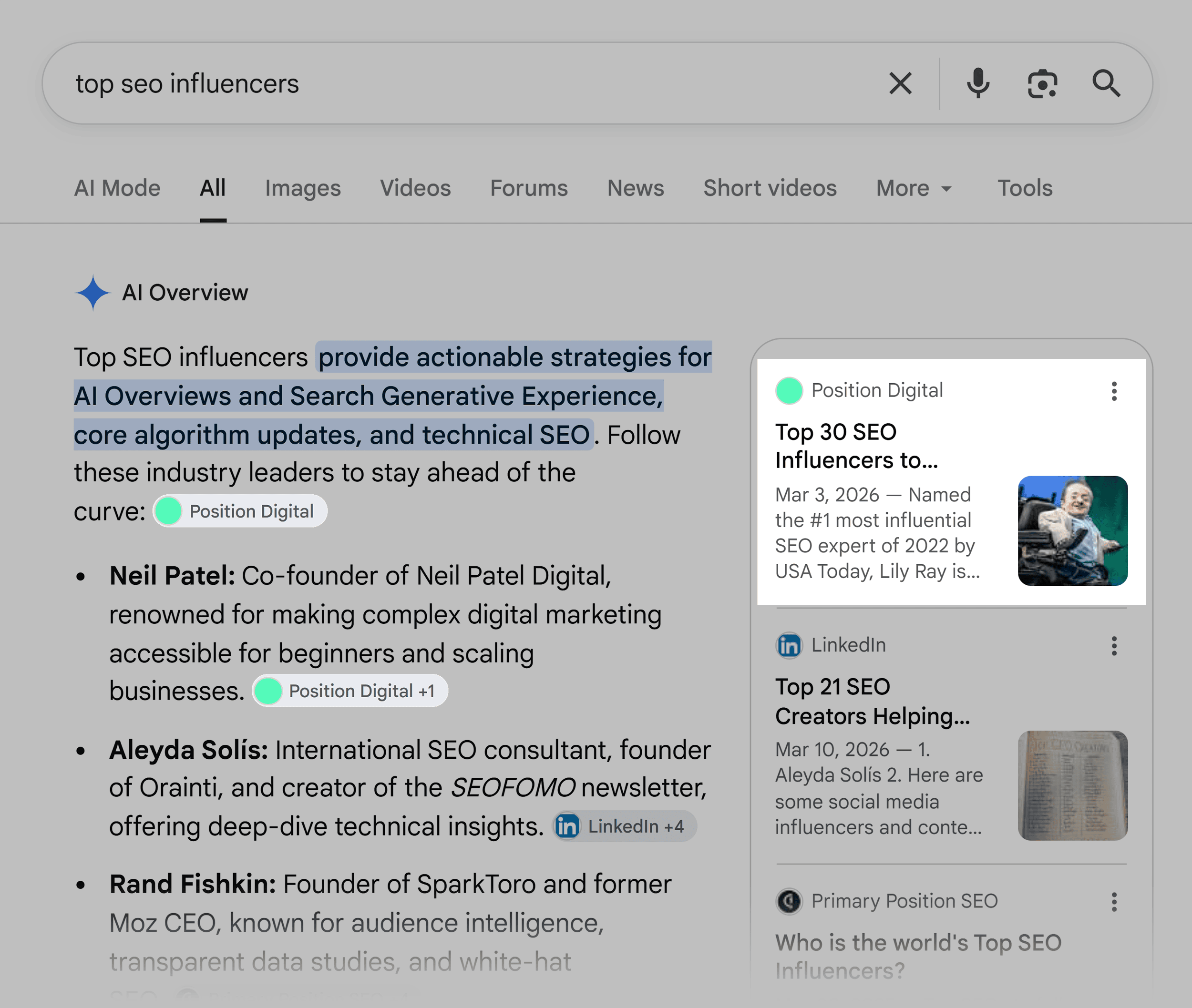
According to Semrush studies, LinkedIn remains one of the most heavily cited domains across ChatGPT, Perplexity, and AI Mode. Building a consistent, engagement-driven presence on professional networks helps spark conversations that ripple across blogs and industry publications.
To scale this effectively, practitioners utilize frameworks like the Guest Post Engine:
- Publish an authoritative core article on your primary company blog.
- Draft nuanced variations of that same core concept for high-authority external publications (e.g., industry-specific tech and marketing platforms).
- Ensure all external pieces point back to the originating research or brand voice.
When multiple authoritative sources point to a brand as the foundational origin of an idea, AI systems quickly recognize that brand as the definitive subject-matter expert.
Strategy 6: Community Building and Neutral Validation
Perhaps the most surprising revelation in modern search data is how much LLMs prefer community-driven spaces over corporate marketing sites.
Official Research and Metrics
A comprehensive study by Semrush revealed that LLMs cite Reddit threads regarding Microsoft products significantly more frequently than Microsoft’s own official corporate blog.
Furthermore, Seer Interactive’s analysis of 800,000 AI responses uncovered a stark reality regarding review platforms:
- Brands with no Trustpilot profile experienced a median AI citation rate of a mere 1%.
- Brands with even a rudimentary profile containing 1 to 13 reviews saw their median AI citation rate skyrocket to 53.5%.
Actionable Implementation
- Engage Authentically on Forums: Participate in Reddit and Quora threads by contributing helpful insights without heavy-handed self-promotion. Be transparent about your brand affiliations while prioritizing user value.
- Optimize Review Profiles: Actively curate and monitor profiles on Trustpilot, G2, and industry-specific rating platforms, encouraging genuine customer feedback.
Implications for the Future of Digital Marketing
The transition to AI-driven search models signals the end of insular, brand-only marketing. Algorithms are explicitly designed to seek out independent verification, third-party data, and cross-web consensus before recommending a product or service to a user.
For public relations and SEO professionals, the mandate is clear. Winning in AI search requires an integrated strategy that bridges earned media, reactive commentary, data-led research, and active community participation. By aligning digital PR efforts with the information-seeking habits of Large Language Models, organizations can future-proof their visibility and secure their position as trusted authorities in the age of artificial intelligence.