For years, Apple has marketed its "Hide My Email" feature as a cornerstone of its privacy-centric ecosystem. Part of the premium iCloud+ subscription, the tool was designed to serve as a digital firewall, allowing users to generate random, unique email aliases that forward to their personal inboxes. By shielding their true identity, users could effectively "bin" any address that began receiving spam or was leaked in a third-party data breach.
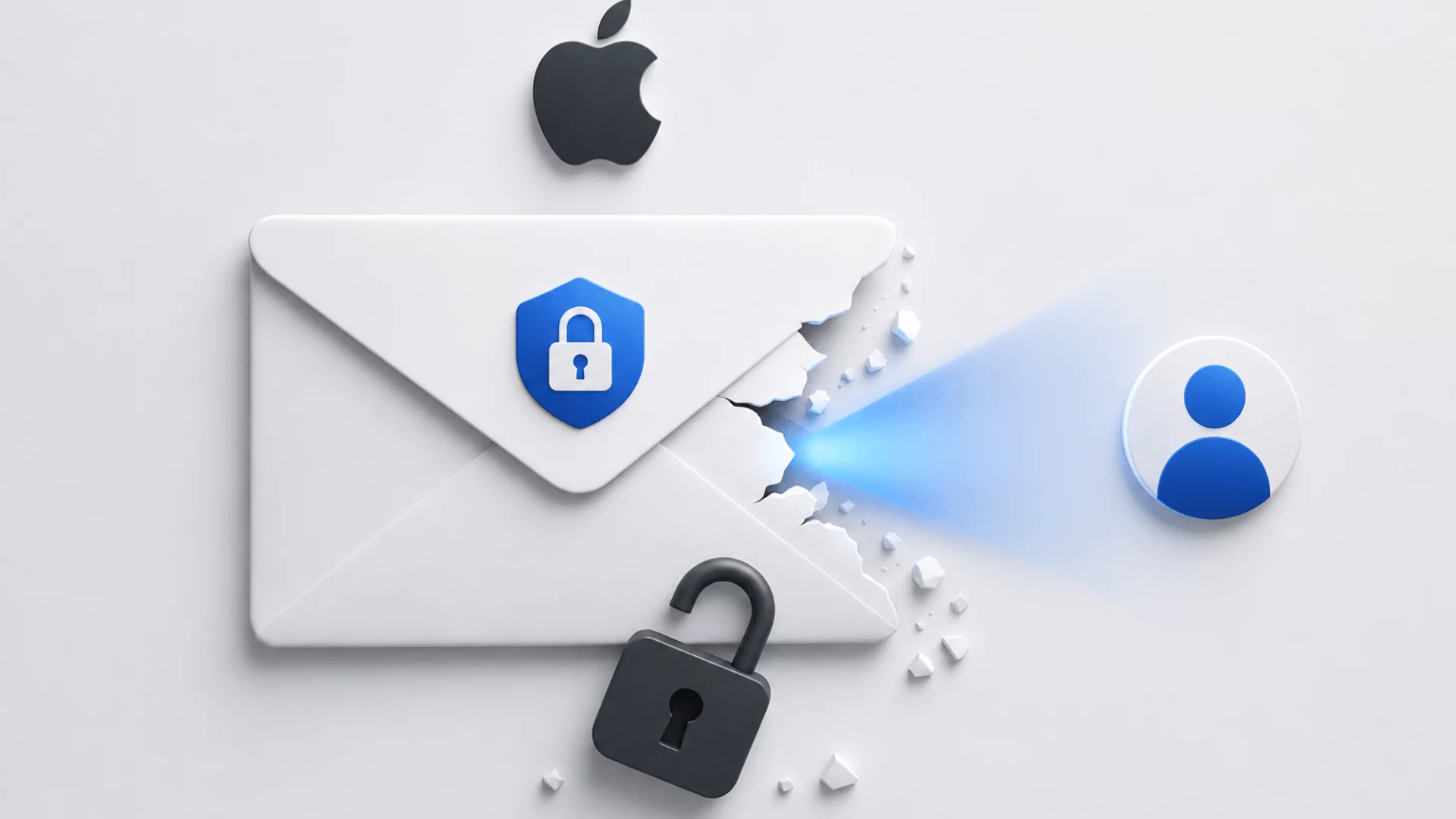
However, a critical, long-standing vulnerability has shattered that promise of security. Research has confirmed that a flaw in the service allows malicious actors to deanonymize these aliases, effectively stripping away the protective layer and exposing the real email addresses behind them. Despite being aware of the issue for over a year, Apple has yet to deploy a functional patch, leaving millions of users unknowingly exposed.
The Discovery: A Year of Silence and Missed Deadlines
The vulnerability was first identified by Tyler Murphy, the co-founder of the data removal service EasyOptOuts. In June 2025, Murphy discovered the flaw and promptly reported it to Apple, providing the company with detailed replication instructions to assist in their remediation efforts.
What followed, however, was a pattern of administrative obfuscation that has drawn sharp criticism from the cybersecurity community. According to reports from 9to5Mac, Apple communicated to Murphy in March 2026 that the vulnerability had been resolved. This claim proved to be factually incorrect. When Murphy conducted follow-up testing in May 2026, he found the system remained as vulnerable as it had been during his initial discovery.
Upon presenting this evidence to Apple, the company requested that Murphy delay public disclosure while they continued their internal investigation. Apple further indicated that a definitive fix would be rolled out in a security update within a few weeks. June 2026 came and went with no such update.
Facing a lack of accountability and concerned for the privacy of the millions of users who rely on the feature for sensitive communications, Murphy finally broke his silence. Working in conjunction with 404 Media, he disclosed the vulnerability on July 1, 2026. During his testing, Murphy confirmed that he could successfully uncover the underlying email address for 100% of the aliases he analyzed, a chilling statistic that highlights the severity of the oversight.
Anatomy of the Flaw: How the "Hide" Feature Fails
To understand the gravity of this situation, one must understand the value proposition of Hide My Email. The service functions as a relay; when a user signs up for a newsletter or an account, they generate a random, unique alias. Emails sent to that alias are filtered and forwarded to the user’s primary account.
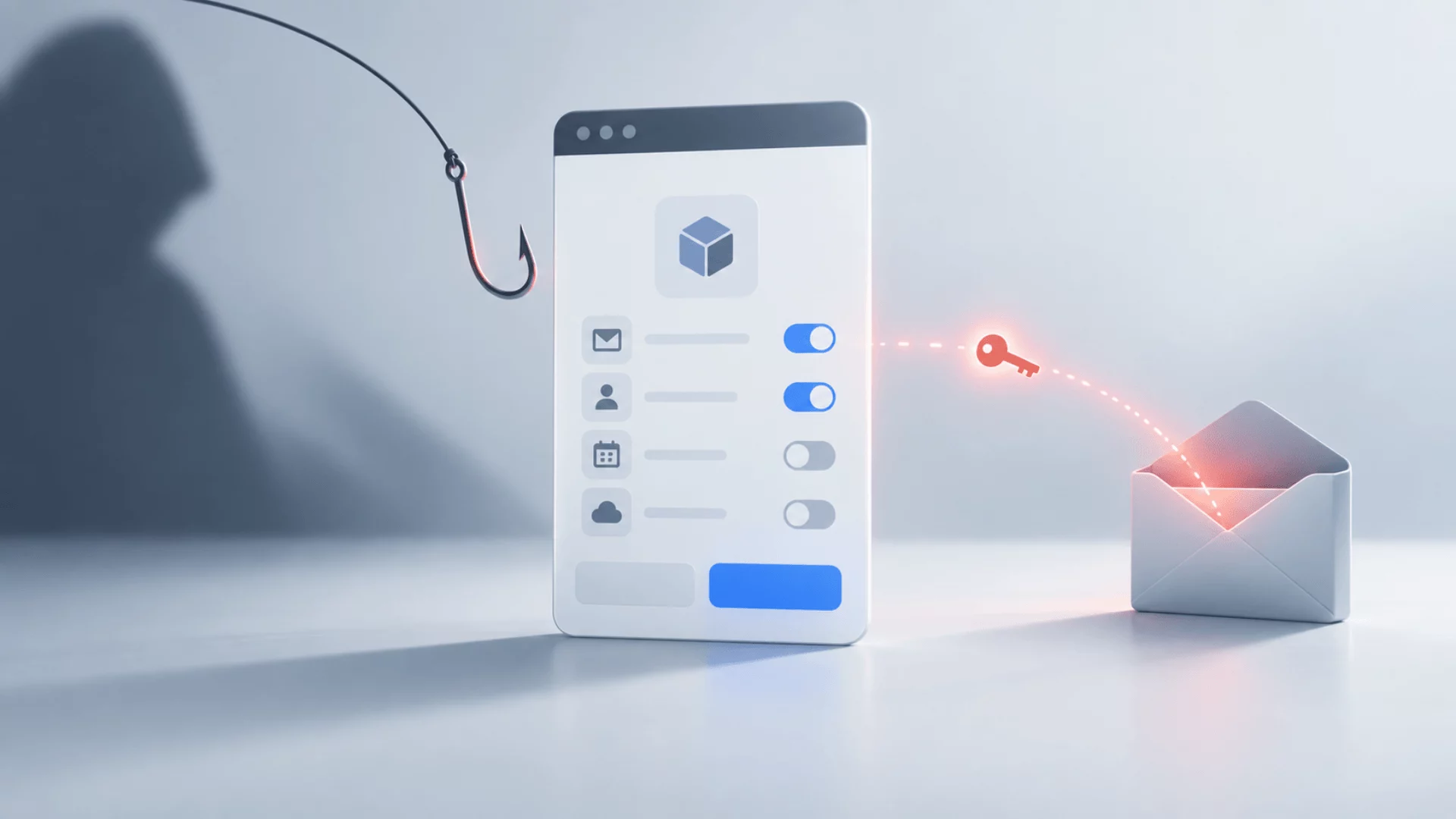
The security architecture of this feature relies on the assumption that the "handshake" between the sender and the relay is opaque. However, the current exploit allows bad actors to perform a series of technical maneuvers that bypass this relay logic. By probing the way the Apple infrastructure processes these forwarded messages, attackers can essentially "see through" the mask, revealing the destination address of the relay.
This is not merely a minor bug; it is a fundamental failure of the product’s core promise. The entire premise of email masking is that if an alias is compromised, the user simply deletes that specific alias, isolating the breach. If the alias is linked directly to the real email address, that "containment" strategy vanishes, rendering the feature essentially useless for its primary purpose: preventing spam and tracking.
The Impending Domain Shift: A New Frontier for Obstruction
Compounding the crisis is a recent, controversial policy shift from Apple. Weeks before the public disclosure of this vulnerability, Apple notified developers that it would be migrating all Hide My Email addresses to a single, shared domain: private.icloud.com.
Security researchers at Malwarebytes have pointed out the inherent danger in this architectural change. By consolidating all masked addresses under a single, easily identifiable domain, Apple is making it trivial for websites and applications to programmatically identify—and subsequently block—any user attempting to sign up with a hidden address.
This creates a two-front war for privacy-conscious users. On one front, the existing, unpatched vulnerability exposes their real identity to bad actors. On the other, the upcoming domain change empowers service providers to enforce "no-anonymity" policies, forcing users to surrender their primary, identifiable email addresses if they wish to access certain online services. This combination of events paints an unflattering picture of Apple’s current approach to user privacy: the feature is both leaking the identity it was built to protect and becoming easier for third parties to suppress.
Implications for Email Professionals and Digital Marketing
The professional community—including email marketers, CRM managers, and data security analysts—must navigate this situation with extreme caution. The existence of this vulnerability presents a significant ethical and legal threshold.
First, any organization or data enrichment vendor that attempts to use this vulnerability to deanonymize users is engaging in a dangerous practice. Exploiting a known, unpatched flaw to harvest real email addresses from aliases is not a "growth hack"; it is a violation of user intent and a potential breach of global privacy regulations such as GDPR or CCPA. Organizations caught leveraging such exploits risk severe reputational damage and legal liability.
Second, the shift to private.icloud.com will undoubtedly tempt some brands to block these addresses at the point of acquisition. Marketing professionals should exercise extreme restraint. A user employing a masked address has still demonstrated an intent to engage with your brand—they have opted into your communication. Blocking these users does not guarantee you will capture their "real" address; in most cases, it simply results in the loss of a potential customer who prioritizes their digital footprint.
Third, email professionals must monitor the relay infrastructure closely. Because Hide My Email routes traffic through Apple’s servers, any future "fix" or domain migration implemented by Apple may have unintended consequences for email deliverability. High-volume senders should be prepared for potential fluctuations in engagement metrics or bounce rates as the relay infrastructure undergoes what will likely be a series of reactive, forced updates.
The Path Forward: What Users Should Do
As of this writing, Apple has remained largely silent, offering no official comment beyond the private correspondence shared with researchers. With a security update reportedly in the pipeline—a promise that has been broken twice before—users find themselves in a precarious position.
For those who prioritize privacy, the current recommendation is to diversify. While unique addresses per service remain a sound security practice for breach attribution, Hide My Email should no longer be treated as a foolproof, standalone solution for keeping a real email address private.
Users should consider the following steps:
- Assess High-Risk Accounts: For accounts that contain highly sensitive information (banking, healthcare, government services), avoid using masked email aliases until a verified, patched version of the service is confirmed.
- Diversify Providers: Explore independent, third-party relay services such as SimpleLogin, Firefox Relay, or DuckDuckGo Email Protection. While no service is immune to vulnerabilities, relying on a single vendor—especially one with a track record of stalled patches—creates a single point of failure.
- Monitor for Unusual Activity: If you suspect an alias has been deanonymized, delete the alias immediately. While this will stop the flow of mail to that specific alias, it is the only way to effectively sever the link once the underlying address has been targeted.
The "Hide My Email" debacle serves as a sobering reminder that even the most robust-sounding privacy features are only as strong as the code that supports them. Until Apple demonstrates a renewed commitment to transparency and timely remediation, the "private" address you rely on may be much more public than you think.