In the modern hyper-growth ecosystem, the distance between a founder’s vision and the actual communications sent on their behalf has never been wider. As companies scale, they increasingly rely on third-party agencies and autonomous AI agents to manage their outreach, media relations, and lead generation. But what happens when the very tools intended to amplify your brand begin to dismantle your most valuable professional relationships?
A recent incident involving a prominent AI startup and the SaaStr community provides a sobering case study on the hidden dangers of "delegated communication." It serves as a stark reminder that in an age of automated sequences, the most dangerous risk to your brand isn’t what you say—it’s what is being said in your name without your knowledge.
The Chronology of a Relationship Breakdown
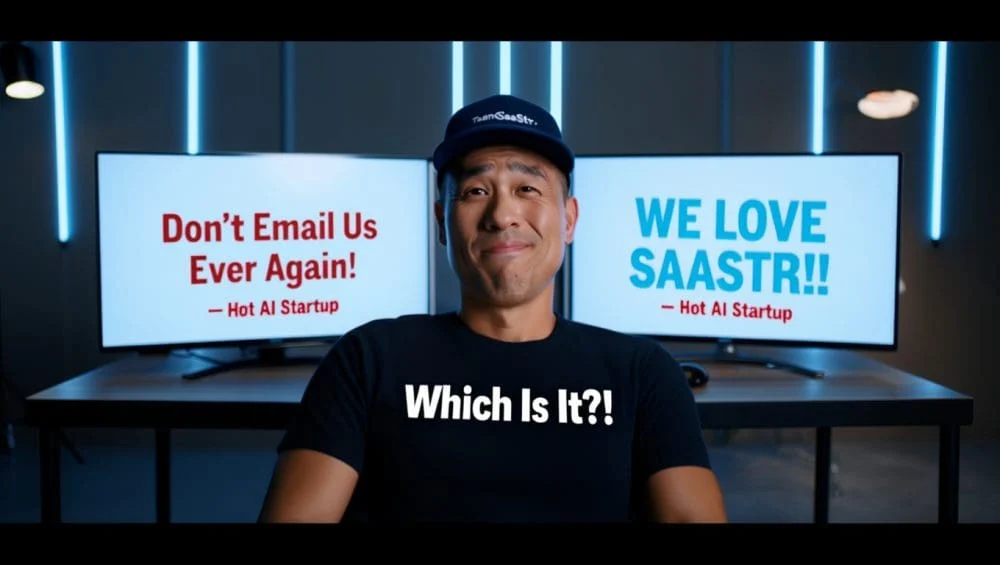
The situation began with a jarring email that arrived in the inboxes of the SaaStr leadership team earlier this year. Sent by a high-profile PR agency representing one of the industry’s most buzzed-about AI startups, the message was remarkably blunt. The agency stated that their client had a "terrible experience" with SaaStr and demanded that the organization never reach out to the startup again.
For the SaaStr team, the news was not only surprising but deeply concerning. SaaStr prides itself on its relationship-first approach, working tirelessly to support founders and executives who contribute their time to the community.
The Investigation
Amelia and the leadership team immediately launched an internal audit. They reviewed past interactions, meeting logs, and feedback loops. They questioned whether an external vendor they had previously worked with had caused friction, or if a scheduling error had occurred. They treated the "terrible experience" claim with the gravity of a crisis, determined to identify the breakdown in service.
The Unexpected Turn
The resolution arrived weeks later through an unlikely channel: the executive of the startup in question reached out directly to SaaStr. When asked about the "bad experience," the executive was visibly confused. Not only did they have no recollection of a negative interaction, but they expressed a strong desire to deepen their partnership with the SaaStr community.
The revelation was simple yet devastating: the PR firm had fabricated the conflict entirely. Shortly after the truth surfaced, it was revealed that the startup had fired the agency. While the exact motivations remain unclear—whether it was a rogue employee, a gross misinterpretation of internal mandates, or a calculated attempt to control the executive’s calendar for the firm’s own benefit—the damage had been initiated.
The Anatomy of the "Silent" Threat
This incident is not an anomaly; it is a symptom of a systemic shift in how businesses communicate. Whether it is a human PR firm, a BDR (Business Development Representative) team, or an autonomous AI SDR (Sales Development Representative), the current landscape is saturated with entities acting on behalf of brands without real-time oversight.
The Rise of Autonomous Outreach
Most companies are now deploying a hybrid workforce of human and AI agents. These agents are responsible for:
- Cold Outreach: Sending thousands of personalized emails to potential leads.
- Media Relations: Pitching stories and managing relationships with journalists and industry partners.
- Lead Nurturing: Responding to inbound queries and managing sequences that can last for months.
The danger lies in the "black box" nature of these operations. Founders often approve a set of templates or a "brand voice" document at the beginning of a quarter, but they rarely audit the actual output generated by these systems on a daily basis.
Supporting Data: The Cost of Automated Negligence
The risks associated with unmonitored agents are quantifiable. In recent months, industry observers have noted a spike in "brand-eroding" automated interactions:
- Contextual Blindness: AI agents frequently pitch services to existing, high-value customers, creating a perception of organizational incompetence.
- Scheduling Gaffes: AI agents have been documented inviting prospects to events that have already passed or requesting meetings during times when the executive is famously unavailable, damaging the company’s reputation for professionalism.
- The "Gatekeeper" Effect: As seen in the SaaStr case, human agents—driven by the pressure to curate their client’s time—may burn bridges with partners or media contacts simply to reduce the executive’s workload, often without the executive ever knowing a bridge was burned.
The fundamental issue is the loss of the "human filter." In traditional workflows, a human assistant would pause before hitting send on a blunt refusal. Today, that decision-making process is increasingly being offloaded to algorithms that prioritize speed and efficiency over social nuance and relationship maintenance.
The Legal and Ethical Implications
From a legal standpoint, the "rule of agency" is absolute: if an entity is speaking for you, you are legally and reputationally responsible for what they say. When an agency sends an email under your company’s domain, the recipient does not distinguish between the agency and the brand.
The Liability of "The Proxy"
The legal implications are particularly severe in industries like finance, healthcare, or sensitive tech, where a single misworded email can lead to compliance issues or contractual disputes. However, the reputational impact is often faster and more lethal.
If a PR firm burns a bridge with a high-tier publication, that publication may blacklist the startup for years. If an AI agent sends an offensive or nonsensical email to a prospective partner, that partner may never consider the brand again. Because the company is unaware these interactions are happening, they have no opportunity to perform damage control.
Rethinking Governance in the Age of AI
The SaaStr incident serves as a blueprint for what every company must do to protect its reputation. The era of "set it and forget it" automation must come to an end.
1. Radical Transparency in Audit Trails
Organizations must implement "human-in-the-loop" protocols for all automated communications. This does not mean reviewing every email, but rather maintaining a transparent, searchable log of every interaction sent by an agent. Founders and department heads should perform weekly spot-checks on these logs to ensure the tone and content align with the brand.
2. The End of "Blind Delegation"
When hiring agencies, companies must demand transparency regarding their communication strategies. If an agency claims to be managing relationships, the client must require real-time reporting on those interactions. If an agency is "gatekeeping" communications, that gate must be transparent to the client.
3. Training the "AI Brand Identity"
AI models must be constrained by strict guardrails that include "knowledge of the recipient." An AI agent should never be allowed to send an email without first cross-referencing a CRM to verify the status of the relationship. A customer who has already paid should never receive a "cold lead" sequence.
Conclusion: The Executive’s Duty
We were fortunate. The executive in the SaaStr case reached out directly, providing us the opportunity to bypass the agency and salvage the relationship. Most companies are not that lucky. In the vast majority of these instances, the relationship simply ends—silently, professionally, and permanently—without the brand ever knowing why.
Your brand is your most valuable asset, and your reputation is built on the cumulative total of every interaction you have with the world. Whether you are using a top-tier PR firm or the latest, most sophisticated AI agent, you are responsible for the words they put into the world.
If you cannot see it, hear it, or verify it, you shouldn’t be letting it speak for you. It is time to pull back the curtain on your own operations. Audit your agents, human and digital, today—before they cost you the relationships you worked so hard to build.