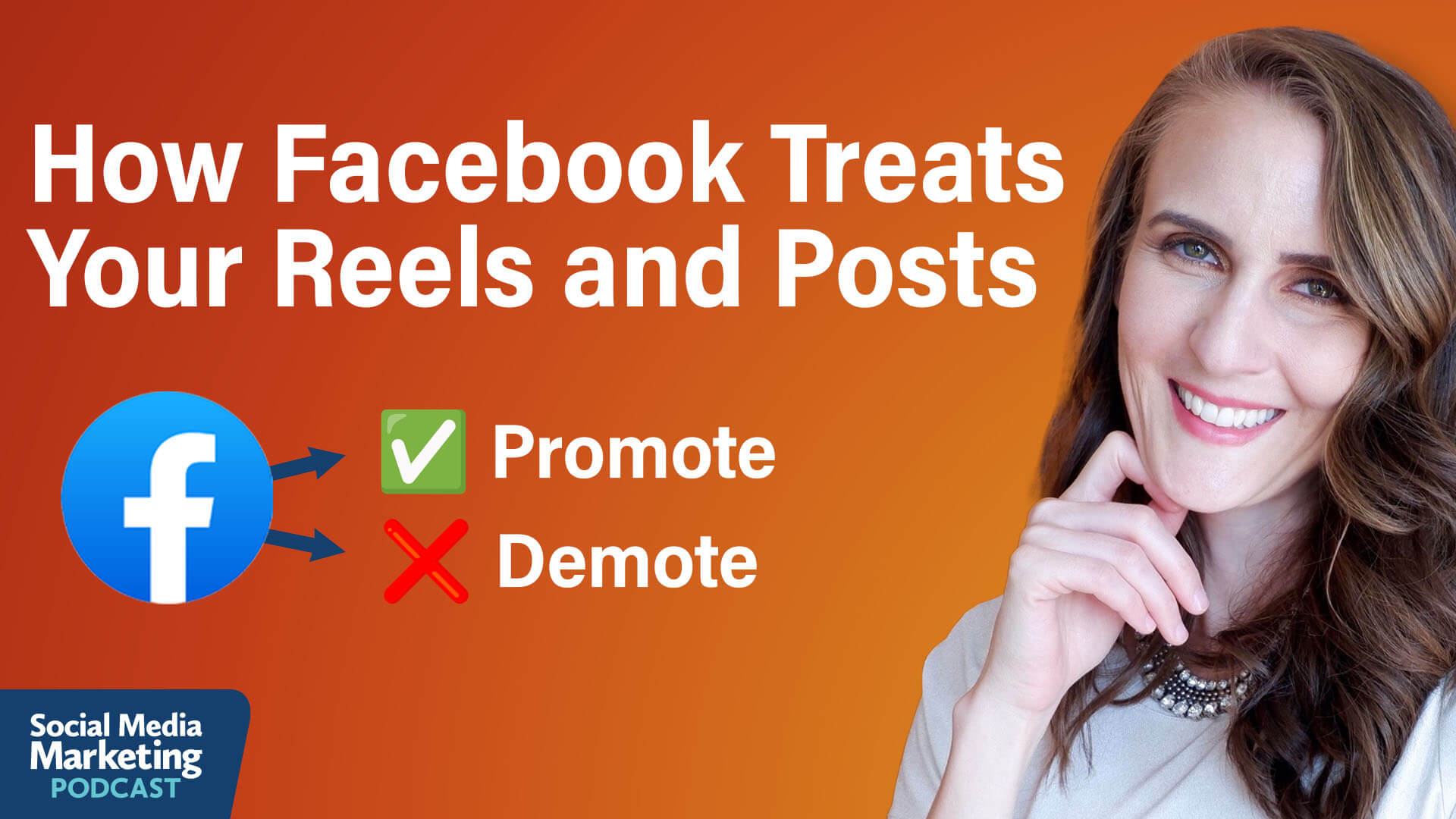
As we move deeper into 2026, the digital landscape of Facebook is undergoing its most significant transformation in years. Following a landmark period in late 2025 where Meta reported a near-doubling of Reels engagement, the platform has pivoted toward a strategy rooted in content purity and hyper-personalized user feedback. For brands, creators, and small business owners, the "reach-at-all-costs" era is ending, replaced by a sophisticated ecosystem that rewards original production and explicit user satisfaction.
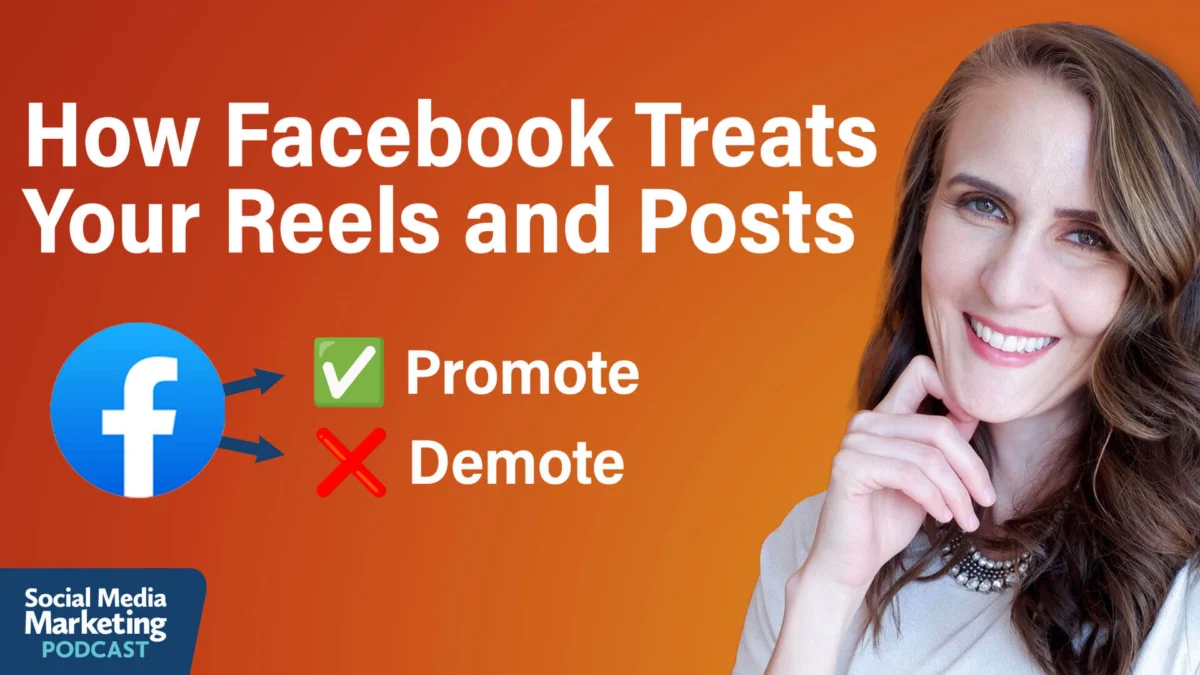
This article explores the four pillars of Facebook’s 2026 strategy, based on insights from industry experts Tara Zirker, Michael Stelzner, and Jerry Potter.
1. The Primacy of Originality: Rewarding the Source
Facebook has formally signaled that it will no longer treat all content as equal. In a move designed to clean up the platform’s feed, Meta has implemented a rigorous prioritization policy for original organic content and Reels.
The "Fingerprint" Enforcement
Speculation regarding facial recognition to verify creators was widespread, yet experts clarify that Meta’s enforcement is more nuanced. The platform now utilizes a proprietary "fingerprint" system—pattern-based identification of a video’s structure, pacing, and visual data—to determine which account was the original uploader.
If your page has a history of publishing original work, you occupy a "safe zone." Conversely, pages that rely on repurposing third-party content will find their reach throttled. This does not mean the end of remixing or reaction videos; however, it does necessitate a change in execution. To avoid demotion, creators must now ensure their commentary adds "substantive value"—meaning new insights, unique storytelling, or critical analysis—rather than simple, low-effort edits or stitches.
Implications for UGC
A critical question for e-commerce brands is the fate of User-Generated Content (UGC). Because UGC remains the bedrock of social commerce, Meta is expected to maintain a protective stance toward it. However, the mandate is clear: original production is the currency of 2026. Brands should prioritize building their own library of high-quality, authentic assets rather than relying on stale reposts.
2. The Rise of the "True Interest" Feedback Loop
In an effort to solve the "doom-scrolling" paradox—where users watch content they don’t necessarily like—Facebook has introduced the User True Interest Survey.
Closing the Behavioral Blind Spot
Historically, algorithms relied on behavioral signals: Did the user watch for three seconds? Did they share? Did they click? Yet, these signals often conflate passive consumption with genuine interest. The new survey, which periodically triggers a 1-to-5 scale pop-up after a Reel, allows users to explicitly rate their satisfaction.
This creates a direct feedback loop that bypasses the limitations of passive data. If a user rates a video a "1," they are telling the algorithm that even if they watched it to completion, the content was a poor match. This negative signal is weighted heavily in future recommendations.
Strategic Adjustments for Brands
To survive this, brands must adopt a dual-layer content strategy:
- The Niche Core: The majority of your content should be highly specific, addressing the precise pain points and interests of your target demographic. This maximizes the probability of a "5" rating.
- The Broad-Appeal Layer: Occasionally, you can share broader content to capture a wider net, provided it remains within your thematic ecosystem.
Occasional off-topic posts—such as team culture or office milestones—are unlikely to hurt, provided they are the exception rather than the rule.
3. The Democratization of Social Commerce: The Affiliate Program
Meta’s new self-serve affiliate program represents its most aggressive attempt yet to compete with the seamless commerce experience of TikTok Shop.

Infrastructure and Integration
The new professional dashboard allows creators to browse a brand’s product catalog, select items to feature, and embed direct affiliate links into their Reels. When a purchase occurs, the commission is handled automatically, and the brand gains a trackable, high-intent conversion path.
Crucially, this is not a traditional "brand partnership." There are no mandated talking points or strict approval workflows. The platform is designed for scale, allowing brands to benefit from the authentic voice of a diverse creator community.
Building an Affiliate Community
Brands should not expect passive success. The most effective strategy remains proactive:
- Relationship Building: Treat affiliate partners as real human relationships. Send samples, provide behind-the-scenes access, and engage with their content.
- Brand Polishing: Because creators have autonomy, your product pages and website must be "audit-ready." If a creator does their own research, your public-facing brand identity must be clear, compelling, and consistent.
- The "Early Adopter" Advantage: Brands with existing affiliate networks should transition those creators to the new Facebook-native format immediately. For those starting from scratch, the work of identifying and onboarding creators remains a labor-intensive, manual process that requires consistent outreach.
4. Meta’s "Vibes" App: The Future of AI Video
Meta is currently testing Vibes, a standalone app dedicated to the creation and browsing of AI-generated video. While marketed as a creative tool, industry analysts view it primarily as a massive data-gathering initiative.
Data as the Ultimate Goal
By providing creators with AI tools, Meta is gathering high-fidelity data on what visual styles, pacing, and formats resonate with specific audiences. This data is the engine that will eventually power a fully automated, AI-driven ad creation system. The vision is clear: in the near future, an advertiser will simply upload a product photo, set a budget, and allow Meta’s AI to handle the creative production, targeting, and optimization.
The Ethics of AI Realism
A major point of contention for brands is the use of "AI actors" in UGC-style testimonials. While fantastical or clearly stylized AI content carries little risk, "deepfake-adjacent" testimonials—where an AI personifies a real customer—enter a complex ethical gray area.
Brands are advised to establish clear internal disclosure policies. Authenticity remains the most valuable asset a brand possesses; eroding that trust with deceptive AI practices can lead to long-term reputational damage that outweighs any short-term conversion lift.
Summary of 2026 Strategic Directives
As we look at the trajectory of the platform, the message from Menlo Park is consistent: Quality, Intent, and Authenticity.
- Originality: Move away from low-effort curation. If you aren’t the primary source of your content, you are fighting an uphill battle.
- Relevance: Focus on your niche. The "True Interest" surveys will penalize brands that prioritize vanity metrics over deep audience resonance.
- Commerce: The "frictionless checkout" era has arrived. Brands that build strong, personal relationships with a network of affiliate creators will dominate the feed.
- AI: Leverage AI to level the production playing field, but remain hyper-vigilant about brand safety and authenticity.
For the modern marketer, the climb may seem steeper than in previous years, but the path is clearer. By leaning into original content and fostering genuine creator partnerships, brands can thrive in this new, more rigorous version of Facebook. The platform is no longer just a place to broadcast; it is a place to build, to solve, and to earn your audience’s attention one rating at a time.
This report was synthesized from the insights provided by Tara Zirker, Michael Stelzner, and Jerry Potter. For more on navigating these platform changes, visit Social Media Examiner’s full repository of training resources and the AI Business Society.